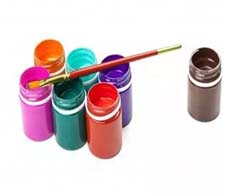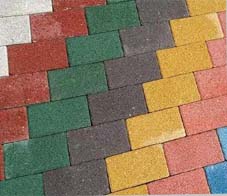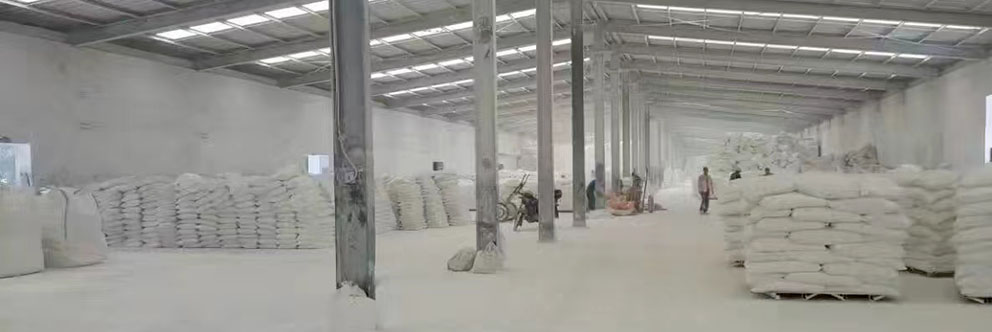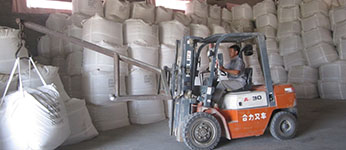

Inorganic Pigment Iron Oxide Red/Black/Yellow For Paint Coating Construction Concrete
  • 产品
  • 氧化铁
  • 无机颜料氧化铁红/黑/黄适用于油漆涂料建筑混凝土

无机颜料氧化铁红/黑/黄适用于油漆涂料建筑混凝土
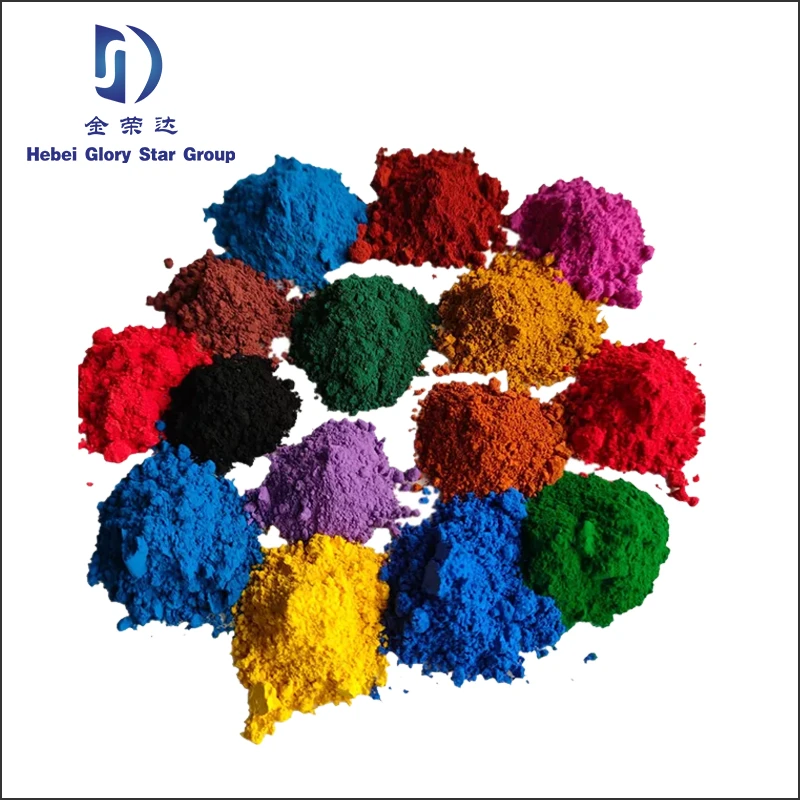
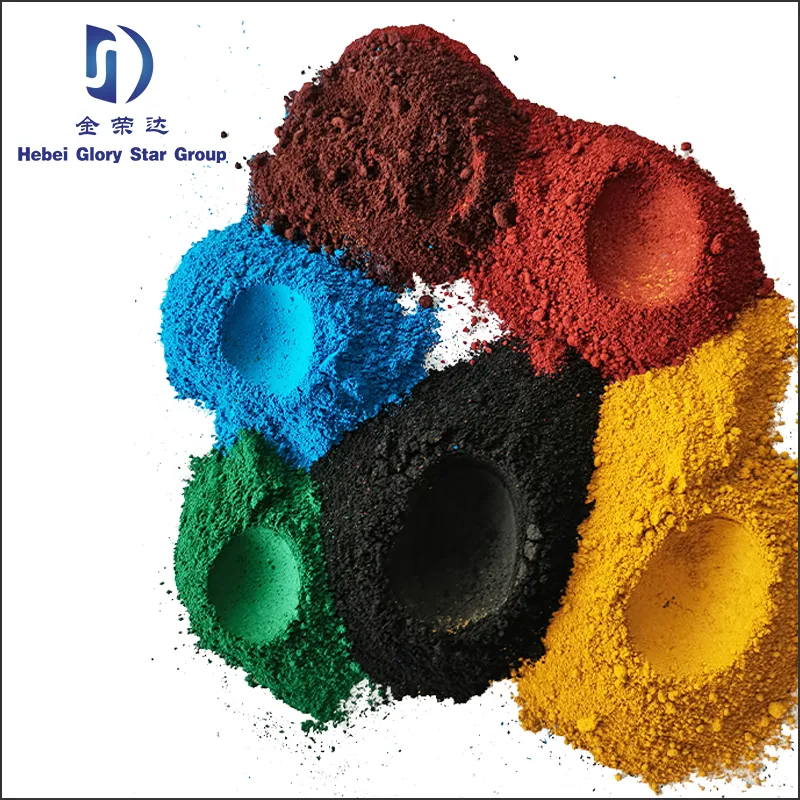
无机颜料氧化铁红/黑/黄适用于油漆涂料建筑混凝土
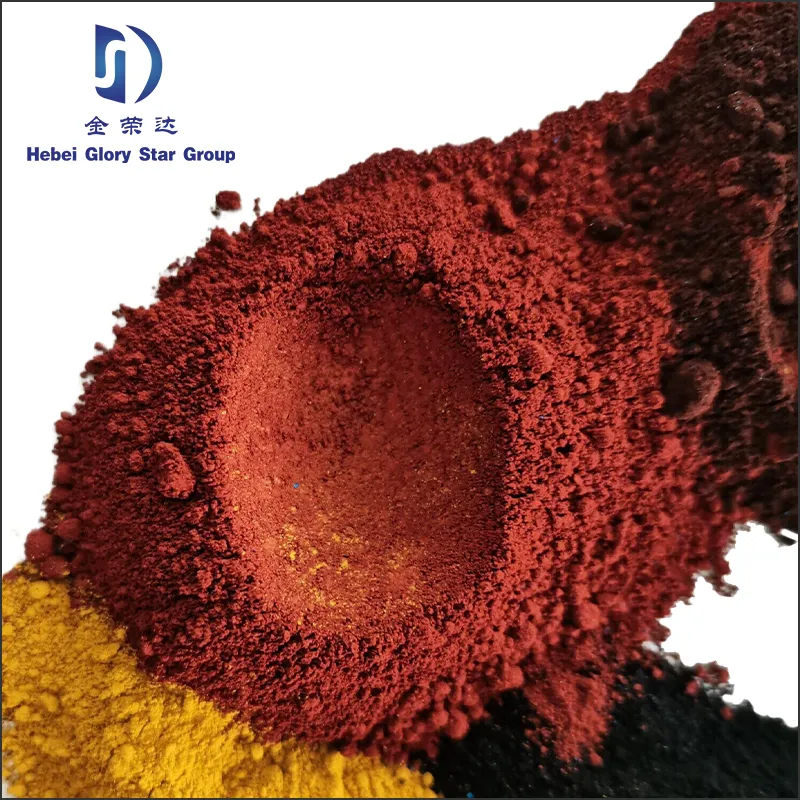
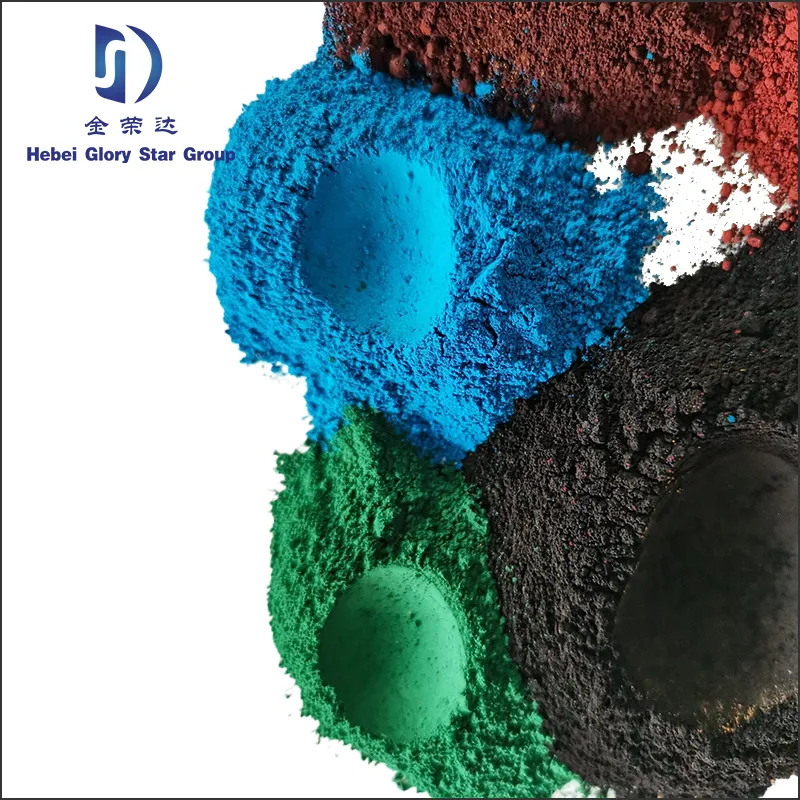
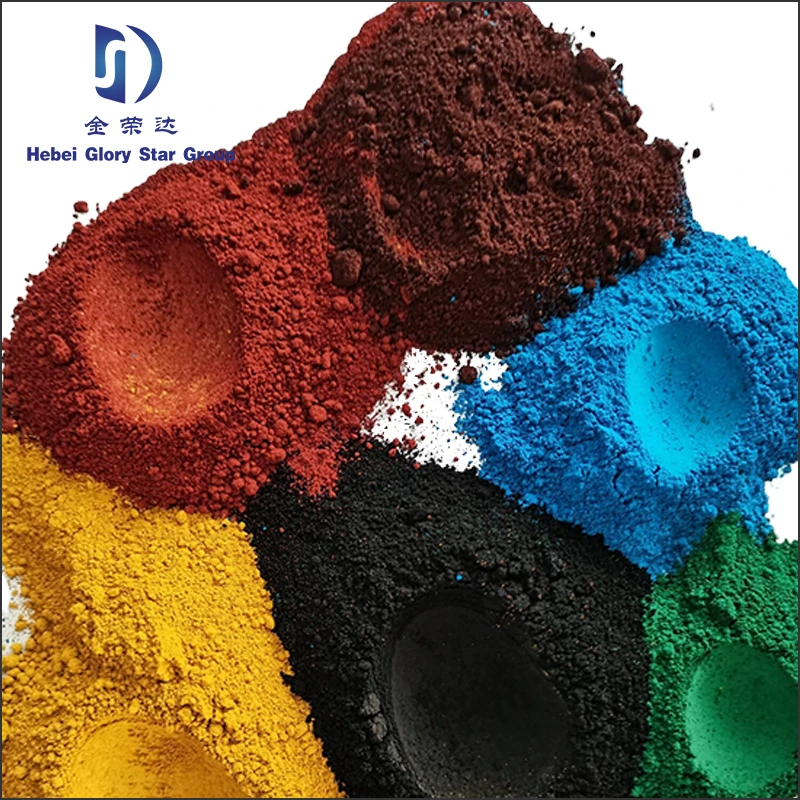
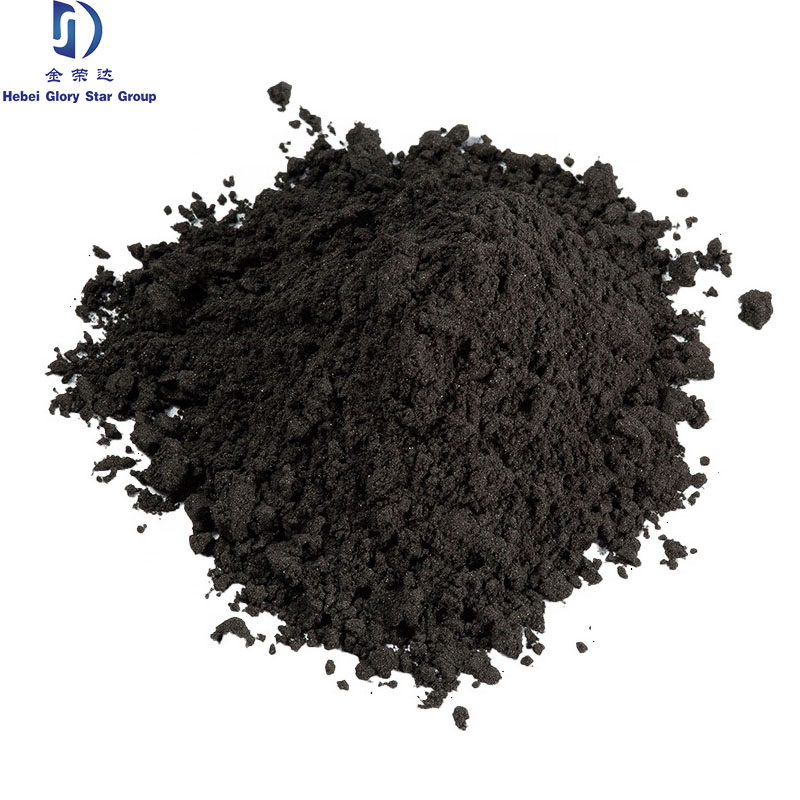
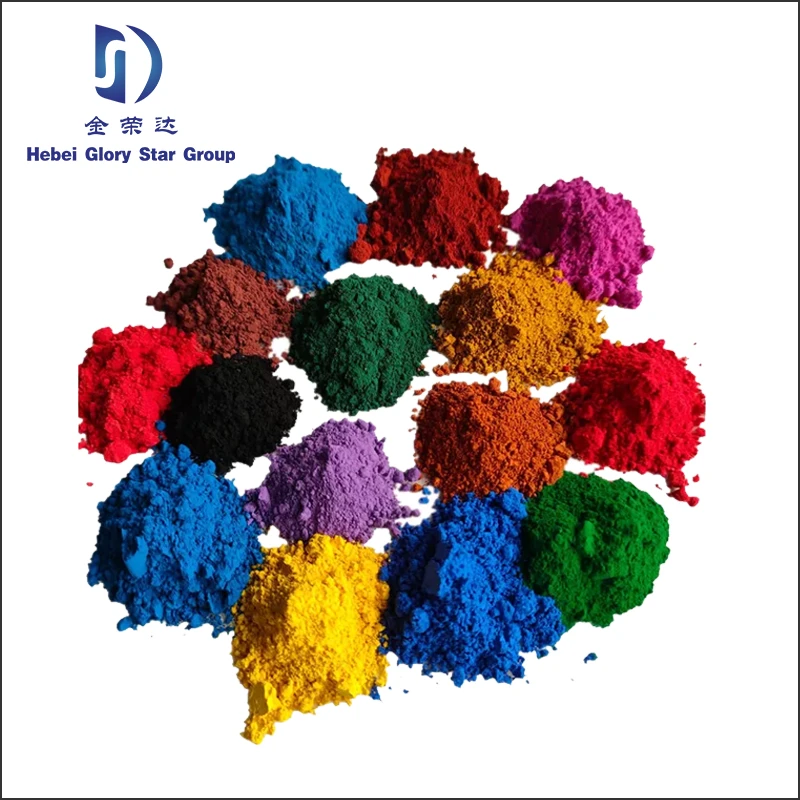
氧化铁外观呈粉状,颜色有红、黄、黑、绿等,具有优良的物理化学性能,遮盖力强,着色率高,色泽柔和,性能稳定,耐碱性好,对弱酸、稀酸有一定的抵抗稳定性,耐光性、耐候性好,不溶于水和有机溶剂,防锈性能优良,抗紫外线性能好。

下载
描述
客户评价
产品标签

独特的属性

IRON OXIDE

应用领域

适用于各种涂料、建筑行业、彩色水泥,应用于砖体、人造大理石、水泥、石膏、墙面粉刷、人行道地砖。

氧化铁颜料是化学式为Fe3O4的化合物,是一种彩色无机颜料,具有化学稳定性、着色力强、分散性好以及优良的耐光性、耐候性,广泛应用于涂料、建材领域,具有广阔的市场空间。

产品优势

1、着色力好
色泽鲜艳,化学性能稳定,着色力和遮盖力良好。

2、分散性好
在漆膜中具有封闭性,不透油、不透水,不溶于水。

3、性能稳定
300℃高温不变色,使用时间长。

4、耐碱性
将油漆试板浸入一定浓度的碱液中,无褪色、气泡等现象。

证书

我们的工厂已获得ISO认证,23项技术已获得国家专利。
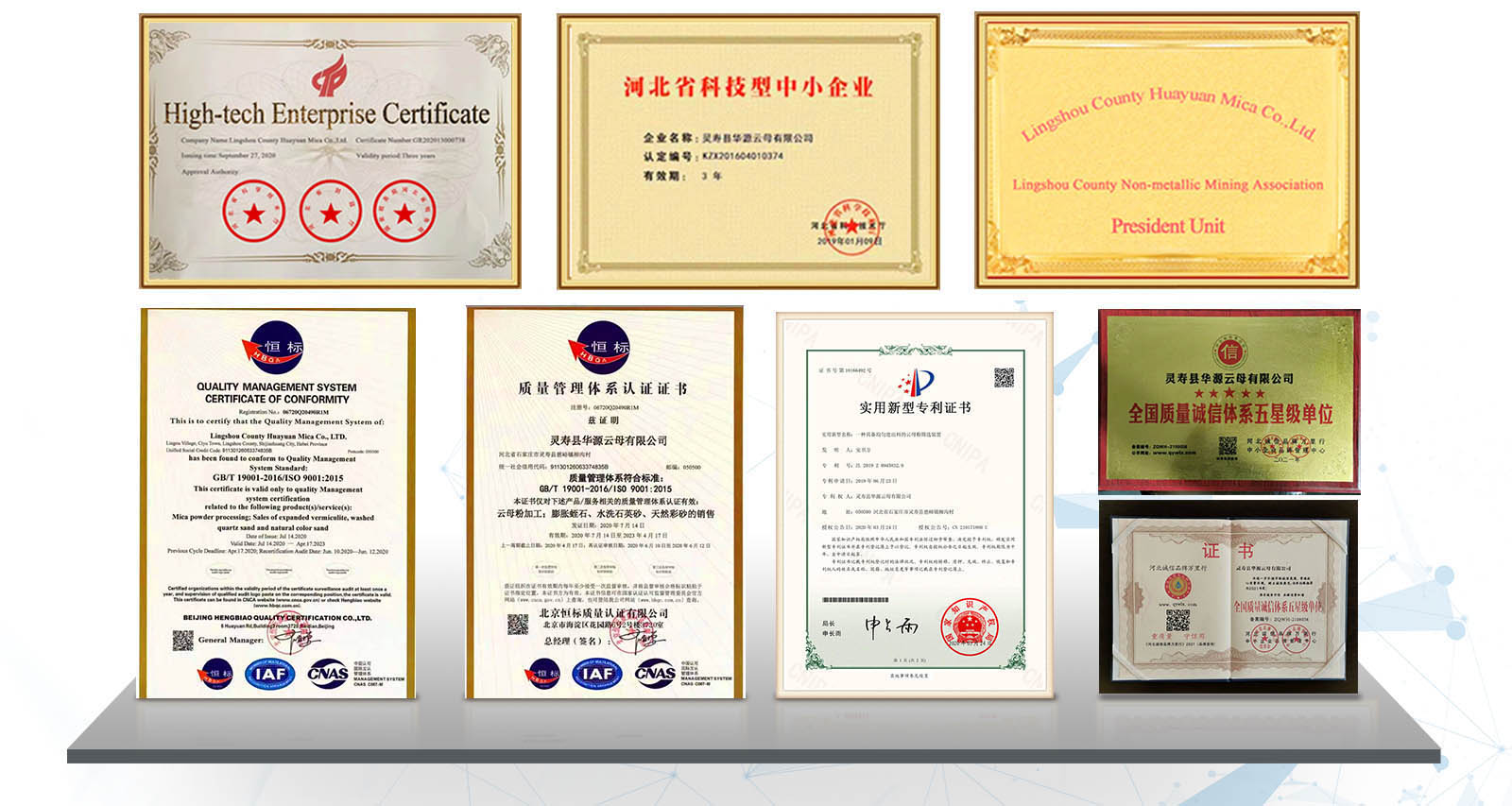
cerr1

应用

用于颜料、油漆、涂料等。还广泛用于建筑中肥料着色、彩色水泥、混凝土、路面砖。陶瓷颜料、涂料颜料、化妆品颜料、油墨颜料、皮革颜料、塑料橡胶颜料、建筑/水彩等。

1、在建材行业主要用于彩色水泥地砖、水泥瓦、仿琉璃瓦、混凝土地砖、彩色砂浆、彩色沥青、水磨石、马赛克砖、人造大理石及面漆。
2、用于各种涂料和防护物质的着色,包括水性内外墙涂料、粉末涂料等。油漆、底漆和面漆。还可用作玩具漆、装饰漆、家具漆、电泳漆、搪瓷等。
3、用于塑料、橡胶制品的着色,如汽车内胎、飞机内胎、自行车内胎等。
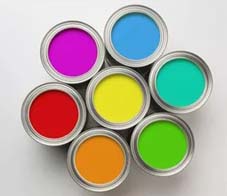
水性涂​​料

油墨颜料

彩色水泥

氧化铁

氧化铁颜料是一种分散性好、耐光性、耐候性优异的颜料。氧化铁颜料主要是指氧化铁红、铁黄、铁黑、铁棕四种着色颜料,以氧化铁红为主要颜料(约占氧化铁颜料的50%),用作防锈颜料的云母氧化铁和用作磁记录材料的磁性氧化铁也属于氧化铁颜料的范畴。氧化铁是仅次于二氧化钛的第二大无机颜料,也是第一大彩色无机颜料。在氧化铁颜料的总消耗量中,70%以上是通过化学合成方法制备的,称为合成氧化铁。合成氧化铁因其纯度高、粒度均匀整齐、色谱宽、颜色多、价格低、无毒、着色和应用性能优良、吸收紫外线等性能,广泛应用于建材、涂料、塑料、电子、烟草、医药、橡胶、陶瓷、油墨、磁性材料、造纸等领域。

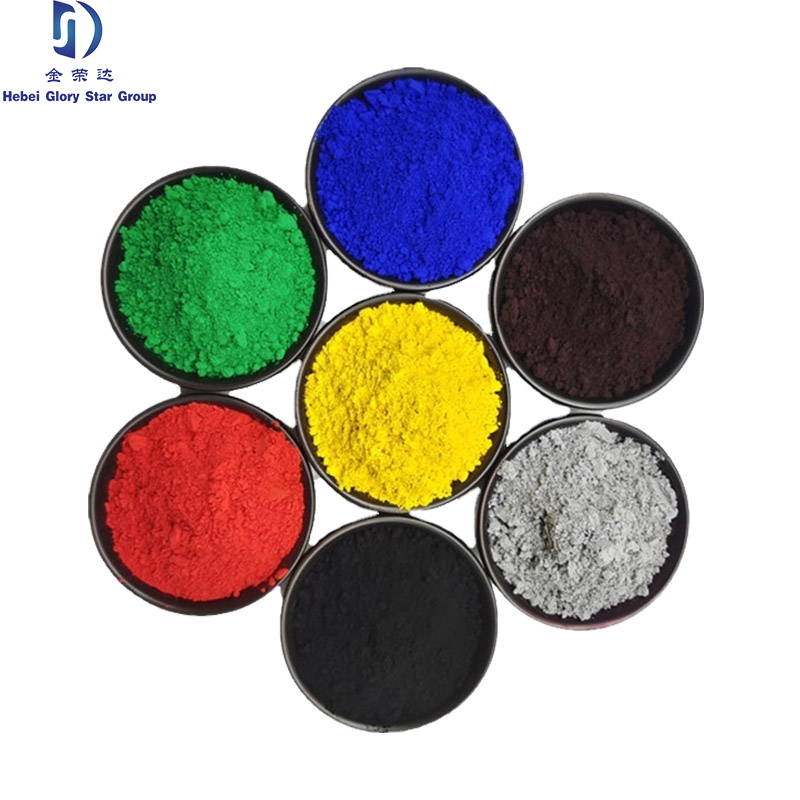
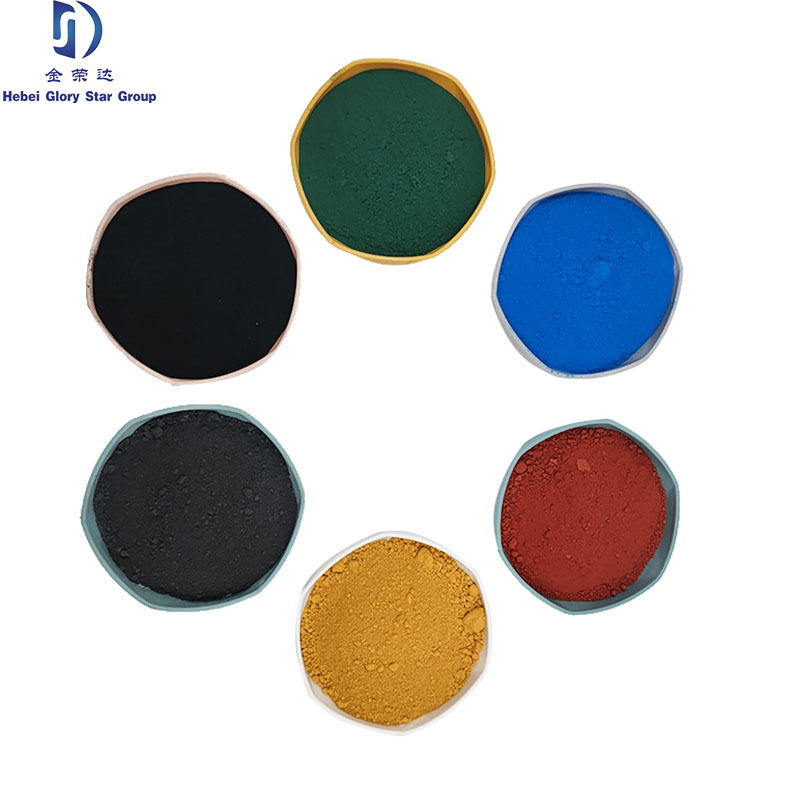
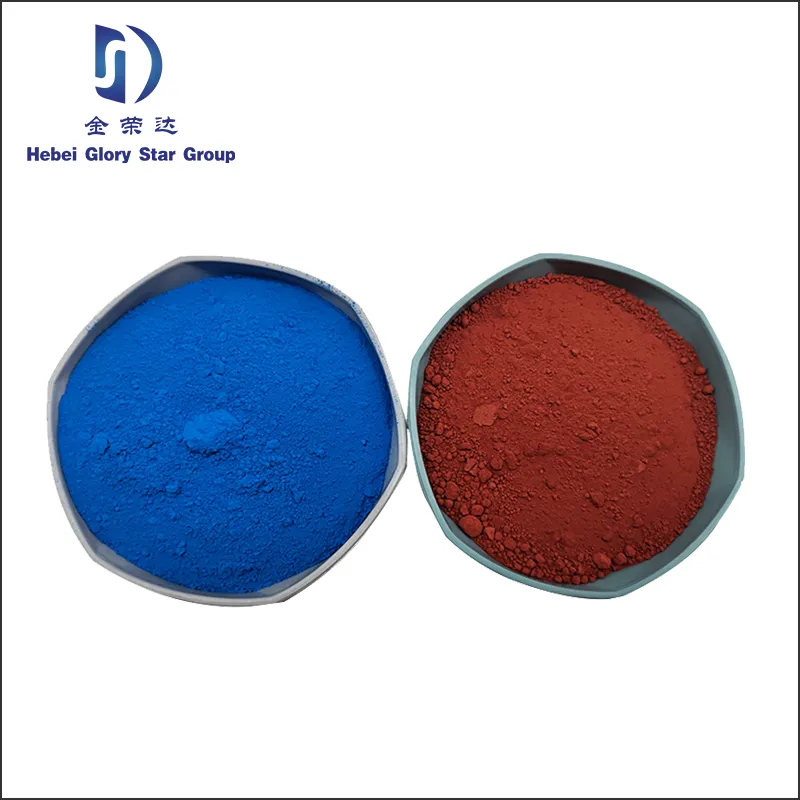
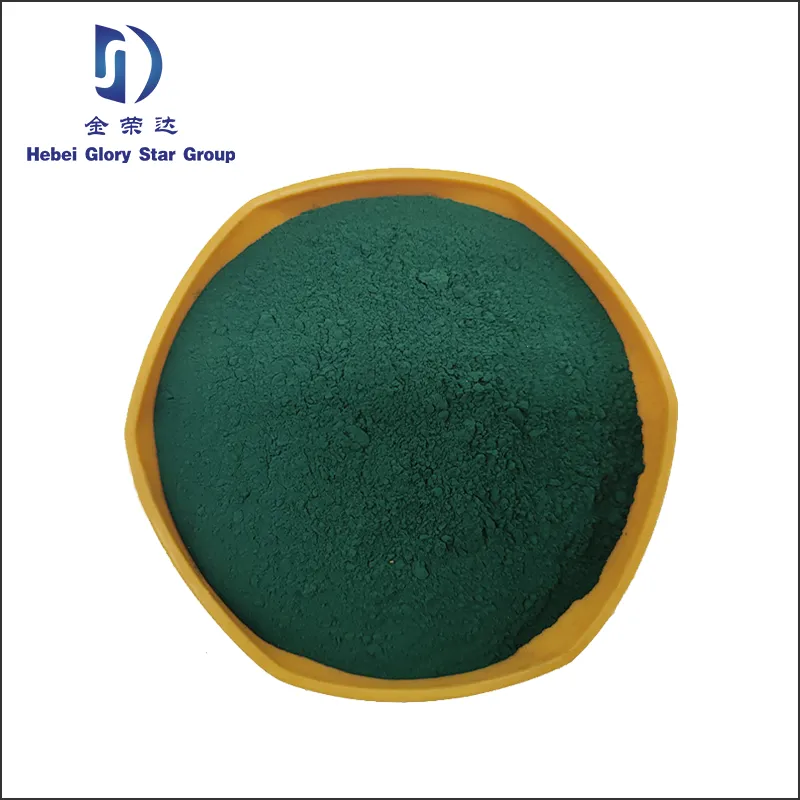
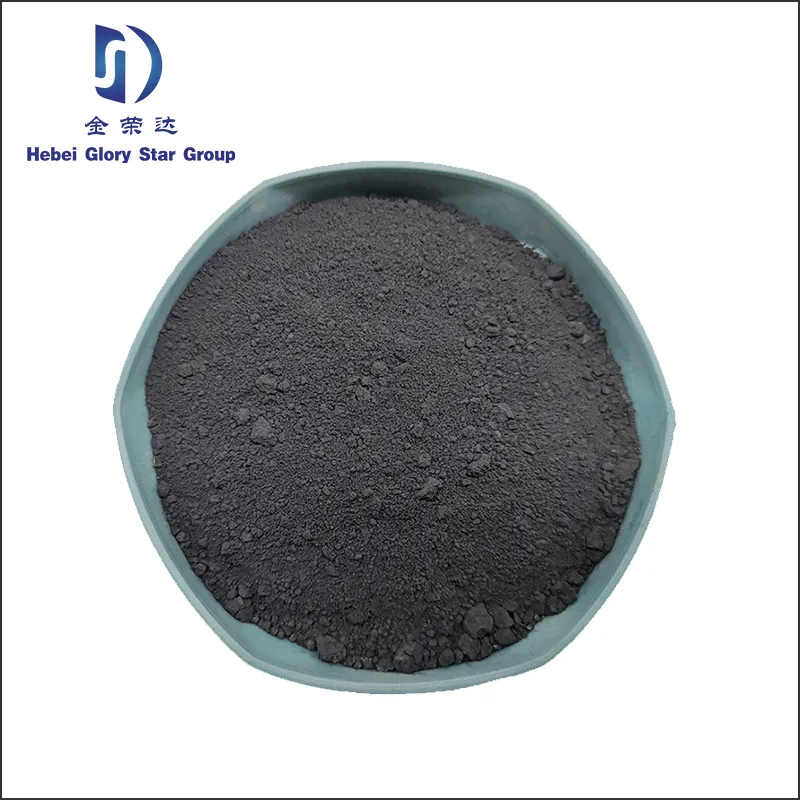
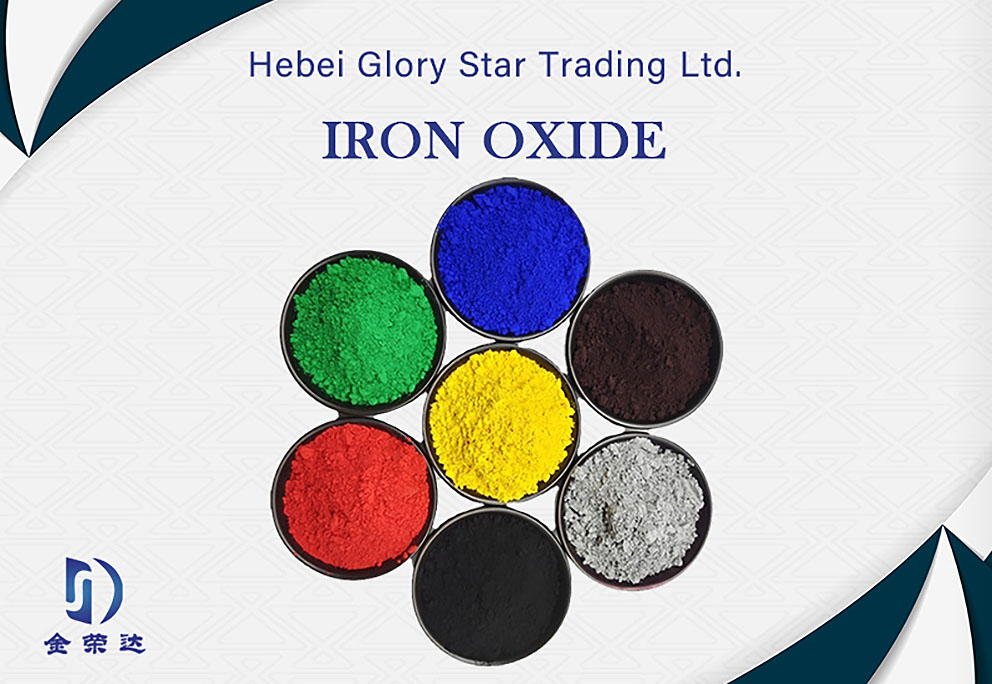
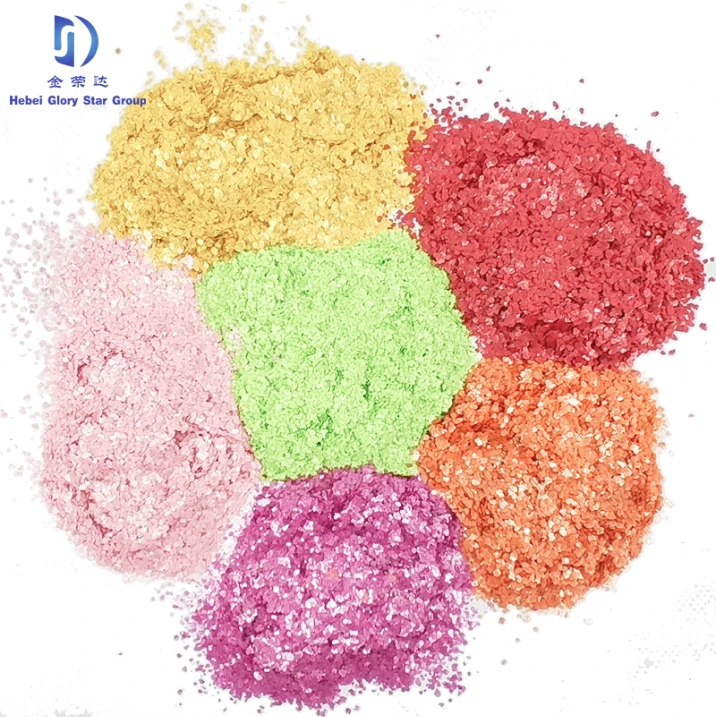
颜色:红色、黄色、黑色、棕色、绿色、橙色、蓝色。

数据表

伊特姆 氧化铁
或者
四氧化三铁

吸收
响应
325目
水溶胶。
盐类
水分 PH值 夯实
明显的
密度
ΔE
比较的
与标准。
相对的
调色
力量
% 克/100克 % % %   克/立方厘米 % %
红色的 110/130/190 ≥96 15-25 ≤0.3 ≤0.3 ≤1.0 3-7 0.7-1.1 ≤0.8 95-105
黄色的 311/313/586 ≥86 25-35 ≤0.3 ≤0.3 ≤1.0 3-7 0.4-0.6 ≤0.8 95-105
黑色的 318/330 ≥90 15-25 ≤0.2 ≤0.2 ≤1.0 3-7 0.9-1.3 ≤0.8 95-105
绿色的 5605/835 - 20-30 ≤0.3 ≤3.0 ≤1.0 6-9 0.4-0.8 ≤0.8 95-105
橙子 960 ≥88 20-30 ≤0.3 ≤0.3 ≤1.0 3-7 0.4-0.6 ≤0.8 95-105
棕色的 610/663 ≥88 20-30 ≤0.3 ≤0.5 ≤1.5 4-7 0.7-1.2    

氧化铁是一种无机物质,化学式为Fe2O3.
我们的颜料粉具有优良的遮盖力、色泽鲜艳、耐候性好。
在大气和阳光下稳定,耐污染气体、耐高温、耐碱。
氧化铁因其合成纯度高、粒度均匀、颜色多样、价格低廉、无毒、着色和应用性能优良、能吸收紫外线等优点,广泛应用于建材、涂料、塑料、橡胶、陶瓷、油墨、磁性材料、造纸等领域。

名称 氧化铁颜料;无机颜料;三氧化二铁颜料
颜色 红、黑、黄、绿、蓝、紫、棕、灰系列等。
特性 良好的耐热性、耐候性和紫外线吸收性
用法 水性油漆、涂料、塑料、常用于混凝土制品。

用法:
1、用于各种涂料,包括内外墙水溶性涂料,油性涂料等 底漆和面漆如环氧、醇酸、胺等。
2、用于建筑材料的着色,如马赛克砖、平整地面、混凝土生产、 路面砖、彩瓦、人造大理石等。
3、用于彩色纸的着色。
4、用于橡胶生产的表面着色,增强橡胶填充的耐磨性。
5、用于塑料着色,不易褪色。
6.用于通过磁性来检测机器的损坏程度。

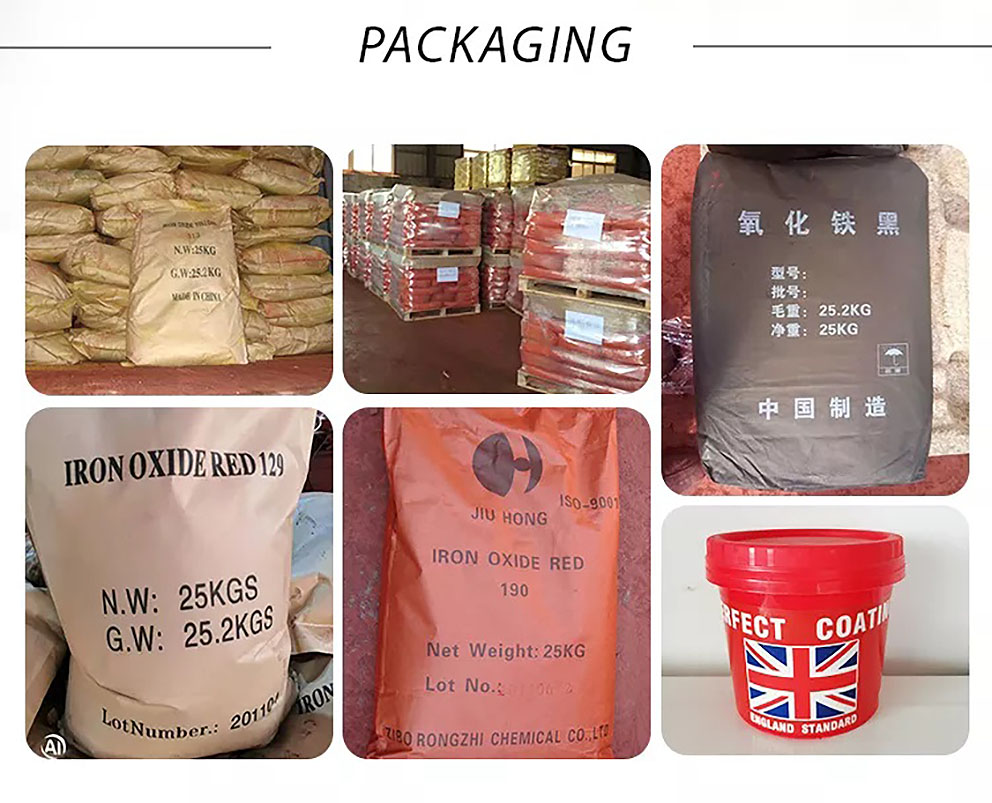
包装

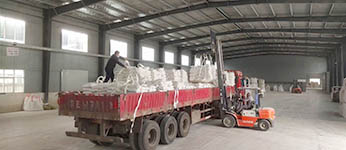
1. 25公斤/袋,1.2-1.25吨/托盘
27-28吨带托盘/20GP; 26-28吨无托盘/40GP(氧化铁红)。

2. 25公斤/袋,1吨/托盘 
24-25吨带托盘/40HQ(氧化铁黑)。

3. 25公斤/袋,625公斤/托盘
13吨/20GP; 25吨带托盘/40HQ(氧化铁黄)。

4.根据客户的要求。
 

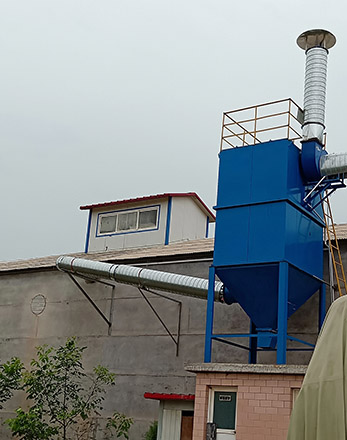
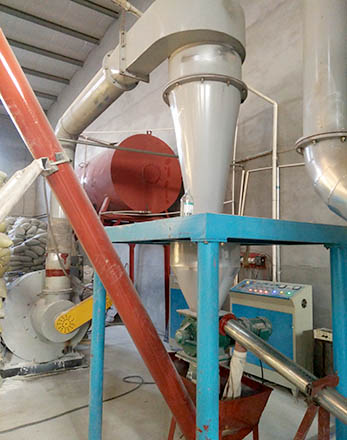
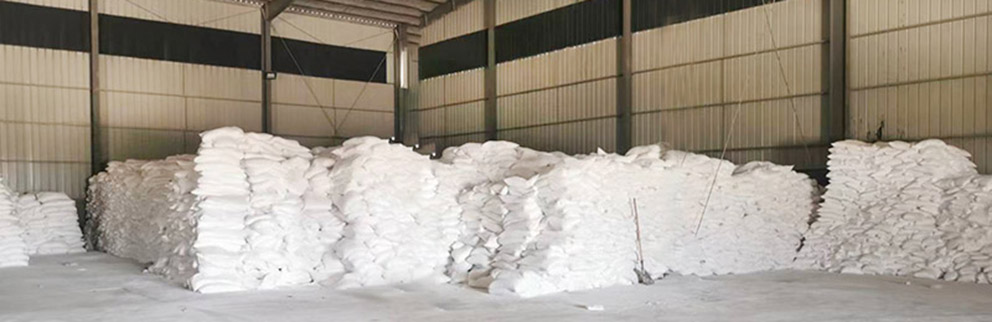
工厂参观
 

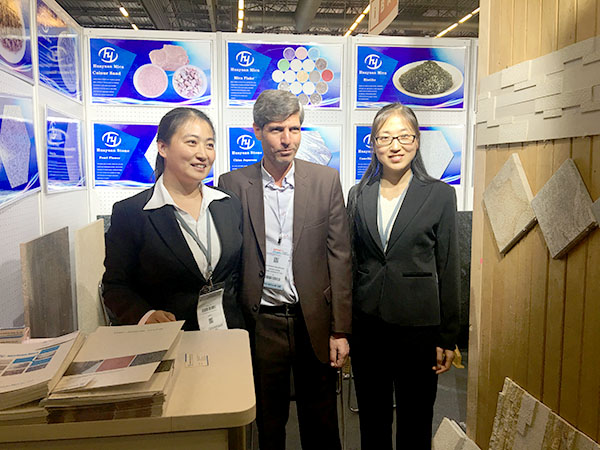
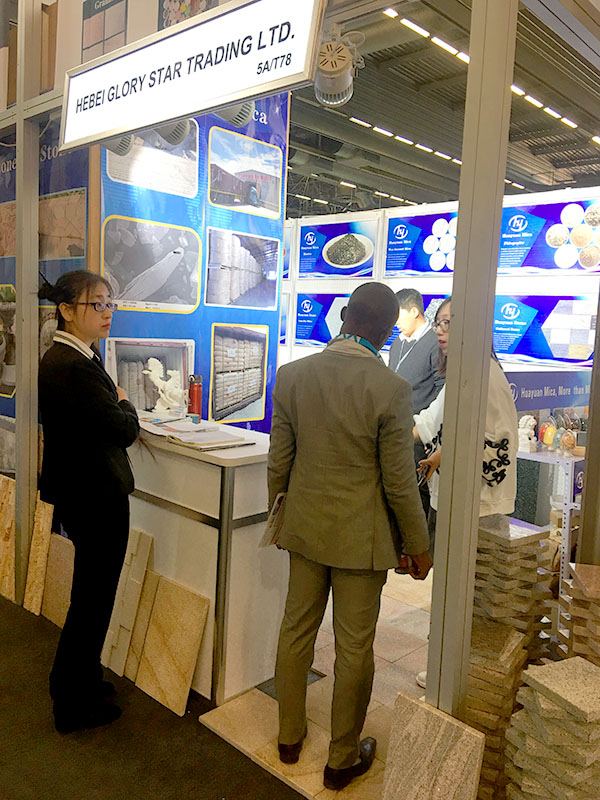
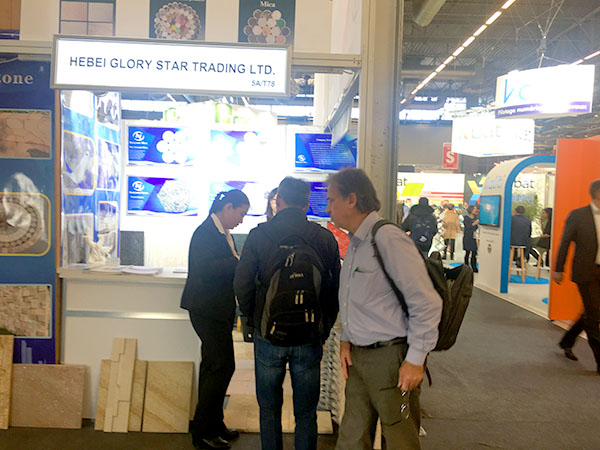
客户来访及展会

 

赤铁矿红棕色用途


氧化铁粉末常见于各种工业应用中,包括油漆、涂料和混凝土,在增强产品的视觉吸引力和耐用性方面发挥着关键作用。红色、黑色和黄色的氧化铁因其稳定性、抗褪色性和环境友好性而受到特别重视。红色氧化铁、黑色氧化铁和黄色氧化铁颜料的具体用途已广泛增长,特别是在建筑、油漆和涂料等领域,这些领域需要持久且鲜艳的色彩。


氧化铁在油漆和涂料中的应用


氧化铁颜料,特别是氧化铁红、氧化铁黑和氧化铁黄,由于其鲜艳的色彩和耐用性而经常用于油漆和涂料中。这些颜料具有出色的覆盖率、紫外线稳定性和耐候性,使其成为室内和室外应用的理想选择。红色氧化铁因其温暖、朴实的色调而被广泛用于装饰涂料,而黑色氧化铁则提供深沉、丰富的色调,非常适合工业应用和涂料。另一方面,氧化铁黄提供明亮的阳光颜色,适合功能性和美观性涂料。氧化铁粉末的多功能性确保这些颜料可用于从汽车油漆到工业地坪涂料的各种涂料中,提供保护和视觉吸引力。


混凝土和建筑中的氧化铁


氧化铁在建筑和混凝土应用中的使用是这些颜料大放异彩的另一个重要领域。红色氧化铁、黑色氧化铁和黄色氧化铁经常混合到混凝土中以添加颜色并提高建筑物、道路和其他基础设施的美学价值。除了装饰性之外,这些颜料还可以提高其对紫外线、温度波动和其他环境因素的抵抗力,从而改善所添加材料的结构完整性。氧化铁粉末的稳定性确保颜色随着时间的推移保持鲜艳,使其成为持久耐用的建筑项目的绝佳选择。无论是用于地板、外墙还是建筑元素,氧化铁颜料都具有实用和美观的优点。


氧化铁的环境和安全效益


在各个行业中使用氧化铁颜料的主要优点之一是其环境安全。与合成颜料不同,氧化铁无毒且天然衍生,使其成为制造环境中消费者和工人的安全选择。氧化铁粉末还具有很强的抗褪色性,可确保产品长时间保持鲜艳的色彩,而无需频繁重新涂抹。此外,红色氧化铁、黑色氧化铁和黄色氧化铁颜料的使用符合建筑和涂料应用中对可持续材料不断增长的需求。这些颜料既环保又具有成本效益,为各种工业需求提供安全可靠的解决方案。


总之,氧化铁颜料,特别是氧化铁红、氧化铁黑和氧化铁黄,为油漆、涂料和建筑等行业提供了广泛的优势。它们的耐用性、环境安全性和鲜艳的色彩使其成为从装饰饰面到工业涂料等各种应用的理想选择。通过使用氧化铁粉末,制造商和建筑商可以确保持久、美观的效果,满足现代工业的需求。


氧化黄红用途


氧化黄红源自天然氧化铁源,由于其优异的颜色稳定性、鲜艳的色调和多功能性,是各种行业广泛使用的颜料。氧化铁粉末已成为许多应用中的标准材料,特别是在油漆、涂料和建筑领域。红色和黄色氧化铁品种,例如红色氧化铁、黑色氧化铁和黄色氧化铁,因其能够提供持久且持久的颜色,同时环保且无毒而受到高度重视。这些颜料为美观和性能都至关重要的行业(例如油漆、涂料和混凝土材料的生产)提供了经济高效的解决方案。


油漆和涂料应用中的氧化铁


氧化铁颜料,特别是氧化铁红和氧化铁黄,因其能够产生丰富、鲜艳的颜色而经常用于油漆和涂料配方中。这些颜料具有很强的抗紫外线能力,可防止褪色并确保持久保色。红色氧化铁因其温暖、朴实的色调而特别受到青睐,非常适合在住宅和商业空间中打造装饰饰面。另一方面,黄色氧化铁因其明亮的阳光色调而常用于工业和装饰涂料,可为任何表面增添活力。氧化铁粉末是汽车、工业和装饰领域涂料的热门选择,在这些领域,颜色质量和耐久性都至关重要。


氧化铁在混凝土和建筑中的用途


除了用于油漆和涂料外,氧化铁颜料还广泛应用于建筑行业。黄色氧化铁和红色氧化铁混合到混凝土中以提供颜色并增强建筑物、道路和其他基础设施项目的视觉吸引力。添加氧化铁粉末有助于提高混凝土对紫外线、湿度和温度波动等环境因素的抵抗力,从而延长混凝土的使用寿命。这些颜料不仅增加了美学价值,还确保混凝土随着时间的推移保持其颜色而不褪色。这使得氧化铁成为装饰性和功能性建筑应用的理想解决方案,为各种建筑材料提供持久、稳定的颜色。


氧化铁的环境和安全效益


在工业应用中使用氧化铁的主要优势之一是其环境和安全性。氧化铁粉末是一种天然无毒材料,使其成为住宅和工业产品的安全选择。与合成颜料不同,氧化铁颜料不会向环境中释放有害化学物质,这是注重可持续发展的行业的一个重要考虑因素。此外,红色氧化铁、黑色氧化铁和黄色氧化铁的使用符合环保和安全制造实践的日益增长的趋势。这些颜料为寻求高性能、无毒着色剂的行业提供了可持续且有效的解决方案。


总之,氧化铁红、氧化铁黑和氧化铁黄等氧化铁颜料在许多行业中都是必不可少的。它们的耐用性、鲜艳的色彩和环境安全性使其成为油漆、涂料、混凝土和建筑材料的理想选择。氧化铁粉的多功能性确保这些颜料能够满足美学和功能应用的需求,提供持久、安全和美丽的效果。

 

黑色氧化铁

氧化铁

氧化铁粉

氧化铁红

黄色氧化铁

什么是氧化铁?


氧化铁颜料是一种分散性好、耐光性、耐候性优异的颜料。氧化铁颜料主要是指氧化铁红、铁黄、铁黑、铁棕四种着色颜料,以氧化铁红为主要颜料(约占氧化铁颜料的50%),用作防锈颜料的云母氧化铁和用作磁记录材料的磁性氧化铁也属于氧化铁颜料的范畴。氧化铁是仅次于二氧化钛的第二大无机颜料,也是第一大彩色无机颜料。在氧化铁颜料的总消耗量中,70%以上是通过化学合成方法制备的,称为合成氧化铁。合成氧化铁因其纯度高、粒度均匀整齐、色谱宽、颜色多、价格低、无毒、着色和应用性能优良、吸收紫外线等性能,广泛应用于建材、涂料、塑料、电子、烟草、医药、橡胶、陶瓷、油墨、磁性材料、造纸等领域。

email
索取报价
如果您对我们的产品感兴趣,您可以选择在这里留下您的信息,我们会尽快与您联系。
追加销售产品
追加销售新闻
Ferric Oxide Properties and Industrial Applications Guide
Apr 16,2026
Ferric Oxide Properties and Industrial Applications Guide
In the world of inorganic chemistry and industrial manufacturing, ferric oxide plays a pivotal role. Also known as iron(III) oxide, this compound is more than just rust; it is a versatile material used in everything from high-performance pigments to advanced water treatment processes. Understanding its chemical stability and physical properties is essential for procurement managers and engineers looking to optimize their production cycles. In this comprehensive guide, we will explore the different forms of ferric oxide, its diverse applications, and how to choose the right grade for your specific industrial needs.
High Performance Oxide Pigments for Industrial Coloring Guide
Apr 09,2026
High Performance Oxide Pigments for Industrial Coloring Guide
In the world of industrial coloring, achieving a vibrant, long-lasting hue requires more than just a simple dye; it requires the precision of oxide pigments. These inorganic compounds are essential for professionals in construction, plastics, and coatings who demand exceptional stability and weather resistance. Whether you are coloring concrete for an architectural masterpiece or developing high-durability automotive paints, understanding the chemistry and application of these pigments is key to quality. This guide explores the versatility, technical specifications, and strategic advantages of using premium oxide pigments in modern manufacturing.
Comprehensive Guide to Iron Oxide Pigments Applications and Properties
Apr 07,2026
Comprehensive Guide to Iron Oxide Pigments Applications and Properties
Iron oxide pigments are widely utilized colorants in a multitude of industries, from construction and coatings to plastics and cosmetics. Known for their excellent lightfastness, chemical stability, and cost-effectiveness, these pigments offer a versatile solution for achieving a diverse range of colors. This article will delve into the types, applications, benefits, and key considerations when sourcing iron oxide pigments.
Exploring Fe3O4 Magnetite Properties Applications and Global Sourcing
Apr 04,2026
Exploring Fe3O4 Magnetite Properties Applications and Global Sourcing
Fe3O4, commonly known as magnetite, is a fascinating and incredibly useful iron oxide. Its unique magnetic properties and chemical stability make it a crucial component in a diverse range of industrial applications. From water treatment to biomedicine, and importantly in the export market, magnetite plays a vital role. This article will explore the key characteristics of Fe3O4, its primary uses, quality considerations when sourcing magnetite, and the importance of reliable suppliers like Glory Star Export.
Comprehensive Guide to Ferric Oxide for Sale and Industrial Applications
Mar 31,2026
Comprehensive Guide to Ferric Oxide for Sale and Industrial Applications
Ferric oxide, commonly known as rust, is a versatile chemical compound with applications spanning numerous industries. From pigments and catalysts to magnetic materials and water treatment, its utility is substantial. This article provides a detailed overview of ferric oxide, its different forms, applications, and where to source high-quality ferric oxide for sale. Understanding the nuances of this compound is crucial for professionals seeking reliable and cost-effective solutions for their industrial needs.
A Comprehensive Guide to Successfully growing plants in clay pebbles
Mar 28,2026
A Comprehensive Guide to Successfully growing plants in clay pebbles
Clay pebbles, also known as LECA (Lightweight Expanded Clay Aggregate), have become increasingly popular as a hydroponic growing medium. Offering excellent drainage, aeration, and a neutral pH, they’re a fantastic alternative to soil for a wide range of plants. This article explores the benefits of using clay pebbles, how to prepare them, which plants thrive in this medium, and potential challenges. We’ll also cover optimal watering and nutrient management. If you’re looking for a clean, efficient, and sustainable way to grow, clay pebbles might be the answer.
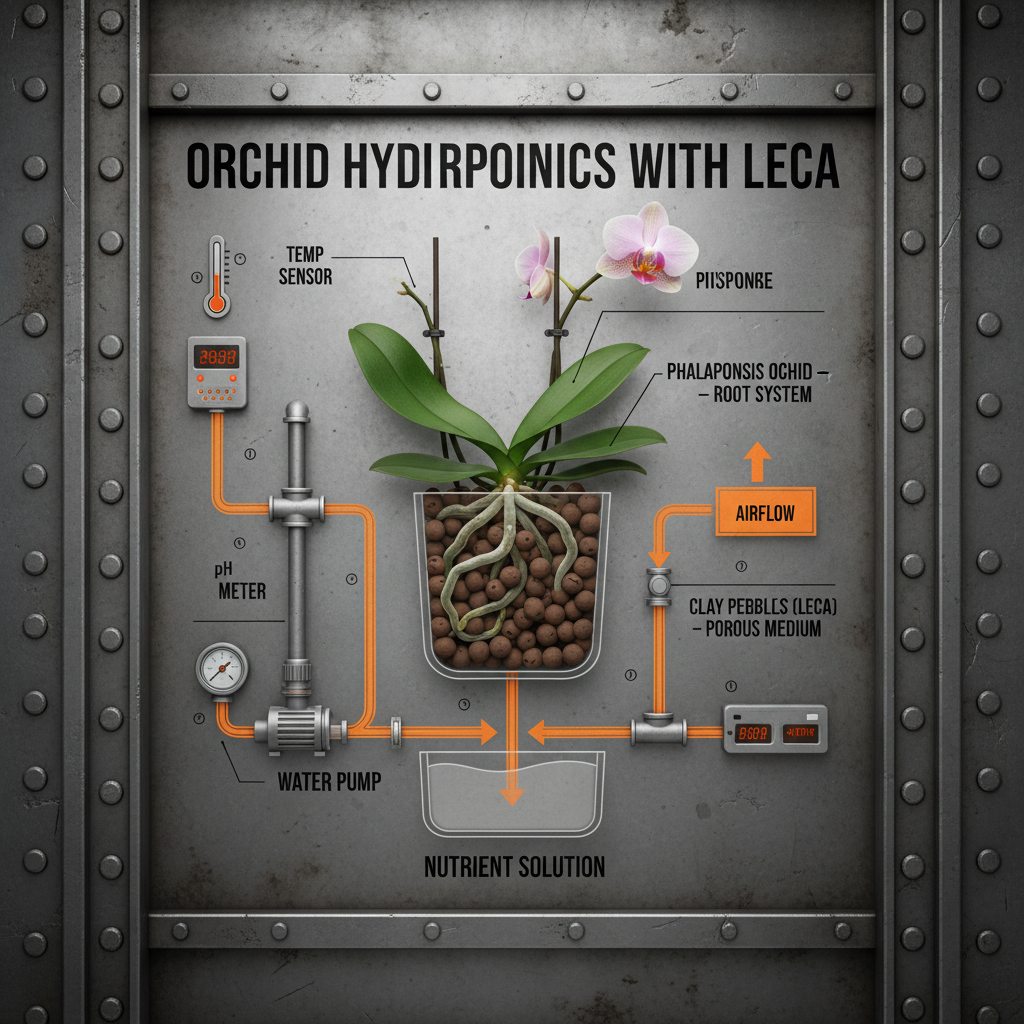
Unlock Vibrant Blooms Growing Orchids in Expanded Clay Pebbles A Comprehensive Guide
Mar 26,2026
Unlock Vibrant Blooms Growing Orchids in Expanded Clay Pebbles A Comprehensive Guide
Orchids are renowned for their exquisite beauty, but their care can sometimes seem daunting. One of the most popular and effective methods for growing orchids, especially for those concerned about root health and aeration, is using expanded clay pebbles (also known as LECA). This guide will explore the benefits of growing orchids in expanded clay pebbles, providing a detailed look at the process, advantages, and potential challenges. Whether you’re a seasoned orchid enthusiast or a beginner, this information will help you cultivate thriving, vibrant orchids. Expanded clay pebbles, or LECA (Lightweight Expanded Clay Aggregate), are a porous, inert growing medium made by heating clay to high temperatures, causing it to expand. This process creates lightweight, round pebbles with numerous air pockets. These air pockets are crucial for orchid root health, providing excellent aeration. Unlike traditional potting mixes that can retain too much moisture and lead to root rot, LECA allows for optimal drainage and airflow. It's a sustainable and reusable medium, making it an environmentally friendly choice for orchid cultivation.
Mastering Orchid Care A Guide to Growing Orchids in Clay Pebbles
Mar 24,2026
Mastering Orchid Care A Guide to Growing Orchids in Clay Pebbles
Orchids, renowned for their exquisite beauty, can sometimes seem challenging to cultivate. However, using clay pebbles (also known as LECA – Lightweight Expanded Clay Aggregate) as a growing medium offers a fantastic solution for healthy orchid growth. This guide will explore the benefits of growing orchids in clay pebbles, covering everything from setup to ongoing care. Discover why this method is favored by both beginner and experienced orchid enthusiasts. Clay pebbles provide excellent aeration and drainage, crucial for preventing root rot, a common issue with orchids. Clay pebbles are an inert growing medium, meaning they don't decompose or provide any nutrients. This is ideal for orchids, which are epiphytes – plants that naturally grow on other surfaces and absorb nutrients from the air. The main advantages of using clay pebbles include: superior drainage, preventing root rot; excellent aeration, promoting healthy root growth; reusability after sterilization; and a clean, aesthetically pleasing appearance. Unlike traditional bark mixes, clay pebbles don’t break down quickly, reducing the need for frequent repotting. This promotes a stable environment for the orchid’s root system.
Enhancing Plant Growth with a Guide to Using Clay Pebbles in Soil
Mar 21,2026
Enhancing Plant Growth with a Guide to Using Clay Pebbles in Soil
Clay pebbles, also known as LECA (Lightweight Expanded Clay Aggregate), are becoming increasingly popular as a soil amendment for a wide range of plants. They offer excellent drainage, aeration, and support for root systems. This article will delve into the benefits of using clay pebbles in soil, how to use them effectively, and what plants thrive with this amendment. Improving soil structure is vital for healthy plant growth, and clay pebbles provide a fantastic solution for many common gardening challenges. Clay pebbles are produced by heating natural clay to extremely high temperatures, causing it to expand and become lightweight. The resulting material is porous, creating a network of air pockets that improve drainage and aeration. Unlike traditional soil, clay pebbles don’t decompose, making them a long-lasting and sustainable soil amendment.
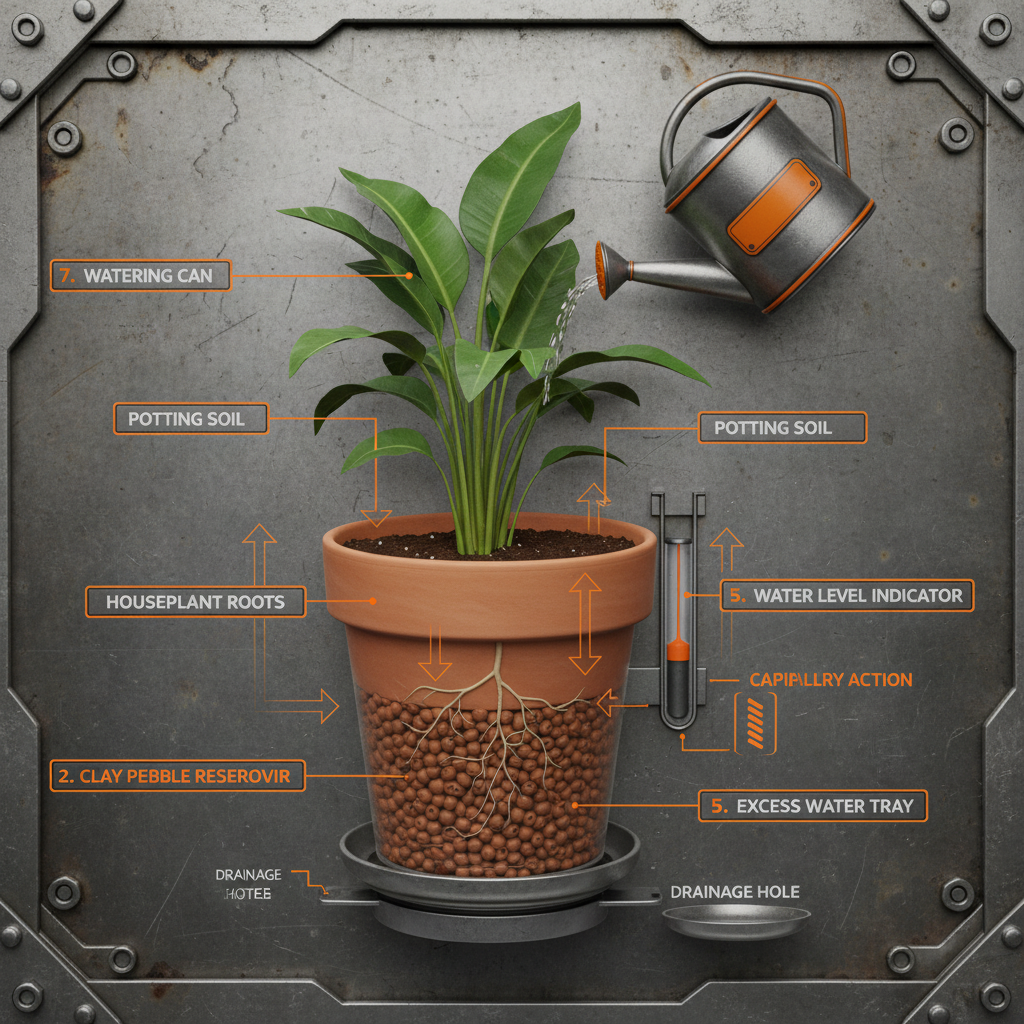
Enhancing Houseplant Growth Using Clay Pebbles A Comprehensive Guide
Mar 19,2026
Enhancing Houseplant Growth Using Clay Pebbles A Comprehensive Guide
Clay pebbles, also known as LECA (Lightweight Expanded Clay Aggregate), are a popular growing medium for houseplants, offering excellent drainage, aeration, and a clean aesthetic. They're becoming increasingly favored by plant enthusiasts for their versatility and benefits. This article will explore the numerous advantages of using clay pebbles in house plants, how to use them effectively, and address common concerns. Discover why switching to LECA could be the best decision for your beloved greenery. Clay pebbles are made from baked clay that has been expanded into lightweight, porous balls. This process creates a material with a high surface area, allowing for excellent aeration and water drainage. They are inert, meaning they don't contain any nutrients, making them ideal for hydroponic and semi-hydroponic setups. Unlike traditional soil, clay pebbles won't compact, decompose, or harbor pests, contributing to a healthier root system. Switching to clay pebbles offers a wealth of benefits for your houseplants. They provide superior drainage, preventing root rot which is a common killer of indoor plants.
Mastering Orchid Care with Clay Pebbles A Comprehensive Growing Guide
Mar 17,2026
Mastering Orchid Care with Clay Pebbles A Comprehensive Growing Guide
Orchids are renowned for their beauty and elegance, but they can be notoriously tricky to care for. One key to successful orchid cultivation lies in the growing medium. While traditional potting soil isn't suitable for these epiphytes, clay pebbles (also known as LECA - Lightweight Expanded Clay Aggregate) offer an excellent alternative. This article will delve into the benefits of using clay pebbles for orchids, providing a complete guide to help you nurture thriving, healthy plants. From improved drainage to enhanced aeration, we'll cover everything you need to know to master this popular growing technique. Clay pebbles are a fantastic choice for orchid cultivation due to their unique properties. They are inert, meaning they don’t decompose or release nutrients, giving you complete control over fertilization. More importantly, their porous structure provides exceptional aeration and drainage – crucial for preventing root rot, a common orchid killer.
Unlock Optimal Plant Growth with a Comprehensive Guide to Using Clay Pebbles
Mar 14,2026
Unlock Optimal Plant Growth with a Comprehensive Guide to Using Clay Pebbles
Clay pebbles, also known as LECA (Lightweight Expanded Clay Aggregate), have become increasingly popular in horticulture due to their numerous benefits. From improved aeration and drainage to their reusability and inert nature, clay pebbles offer a versatile growing medium for a wide variety of plants. This article will explore the advantages of clay pebbles, how to use them effectively, and which plants thrive in this unique substrate. Whether you’re a seasoned gardener or just starting out, understanding the nuances of using clay pebbles can elevate your plant-growing game and contribute to healthier, more vibrant plants. Clay pebbles are made from natural clay that is heated to extremely high temperatures, causing it to expand into lightweight, porous balls. This process creates a material that is incredibly effective at retaining moisture while simultaneously providing excellent aeration. Unlike soil, clay pebbles are inert, meaning they don't contain any nutrients.
Comprehensive Guide to Successful Planting with Clay Pebbles for Healthy Growth
Mar 12,2026
Comprehensive Guide to Successful Planting with Clay Pebbles for Healthy Growth
Clay pebbles, also known as LECA (Lightweight Expanded Clay Aggregate), are a popular growing medium for hydroponics and container gardening. They offer excellent aeration and drainage, making them ideal for a variety of plants. This guide will explore the benefits of planting with clay pebbles, how to use them effectively, the best plants for this method, and tips for success. Whether you’re a seasoned gardener or just starting, understanding clay pebbles can significantly enhance your growing experience. Choosing the right growing medium is crucial for healthy plant development, and clay pebbles offer a sustainable and efficient solution. Clay pebbles provide several advantages over traditional soil-based growing methods. Their porous structure allows for excellent airflow to the roots, preventing root rot and promoting healthy growth. The lightweight nature of LECA makes it easier to handle and reduces the overall weight of your containers.
Hydroton LECA Clay Pebbles Expanded Clay for Plants A Complete Guide
Mar 11,2026
Hydroton LECA Clay Pebbles Expanded Clay for Plants A Complete Guide
Are you looking for a superior growing medium that promotes healthy root development, excellent drainage, and consistent plant growth? Look no further than Hydroton LECA clay pebbles. Also known as expanded clay aggregate (ECA), these lightweight, porous pebbles are revolutionizing the way plants are grown, both indoors and outdoors. This article will explore the benefits of using hydroton leca clay pebbles, their various applications, and why they’re a preferred choice for discerning gardeners and commercial growers alike. Hydroton, short for Hydroponic Tone, is a brand name for high-quality LECA clay pebbles. LECA stands for Lightweight Expanded Clay Aggregate. These pebbles are made from natural clay that is heated to extremely high temperatures, causing it to expand and create a porous structure. This unique structure provides exceptional aeration and drainage, crucial for healthy root growth. The resulting product is inert, pH neutral, and doesn’t decompose, making it a reusable and sustainable growing medium.
Unlock Plant Growth Potential with Hydroton Clay Pebbles How to Use Guide
Mar 10,2026
Unlock Plant Growth Potential with Hydroton Clay Pebbles How to Use Guide
Hydroton clay pebbles, also known as LECA (Lightweight Expanded Clay Aggregate), are a popular soilless growing medium favored by hydroponic enthusiasts and gardeners alike. Their excellent drainage, aeration, and reusability make them ideal for a wide range of plants. This article will guide you through everything you need to know about hydroton clay pebbles, from preparation and use to troubleshooting common issues. Understanding the nuances of using these pebbles can drastically improve your plant’s health and yield. New hydroton clay pebbles are covered in dust from the manufacturing process. This dust isn’t harmful to plants but can clog your system and affect pH levels. Therefore, thorough rinsing is crucial. Place the pebbles in a bucket or colander and rinse them with water until the water runs clear. This may take several minutes. You can also soak them in pH-balanced water (around pH 5.5-6.5) for 24 hours to help stabilize the pH before use.
Hydroton Clay Pebbles for Orchids A Comprehensive Growing Guide
Mar 09,2026
Hydroton Clay Pebbles for Orchids A Comprehensive Growing Guide
Growing orchids can be incredibly rewarding, and the substrate you choose plays a crucial role in their health and vitality. Hydroton clay pebbles are a popular and effective choice for orchid cultivation, offering excellent aeration and drainage. This article will delve into the benefits of using hydroton, how to prepare it, and best practices for growing healthy, thriving orchids. Discover why more and more orchid enthusiasts are turning to this inert growing medium for superior results. Hydroton, also known as LECA (Lightweight Expanded Clay Aggregate), is manufactured by heating clay to extremely high temperatures. This process creates a porous, lightweight pebble that’s completely inert – meaning it doesn't decompose, provide nutrients, or affect the pH of your growing environment. This inertness is a key benefit for orchid growers, allowing for precise control over nutrient delivery. The pebble’s structure provides excellent air circulation around the roots, preventing root rot, a common issue with orchids.
欢迎来电咨询!
我们感谢您对我们的产品感兴趣,并很乐意为您提供帮助。请随时分享您可能有的任何具体细节或问题,我们将立即回复您并提供必要的信息。
欲了解更多详情,请联系我们,我们将在 24 小时内回复。

如果您对我们的产品感兴趣,您可以选择在这里留下您的信息,我们会尽快与您联系。