

Planting with Clay Pebbles: A Comprehensive Guide
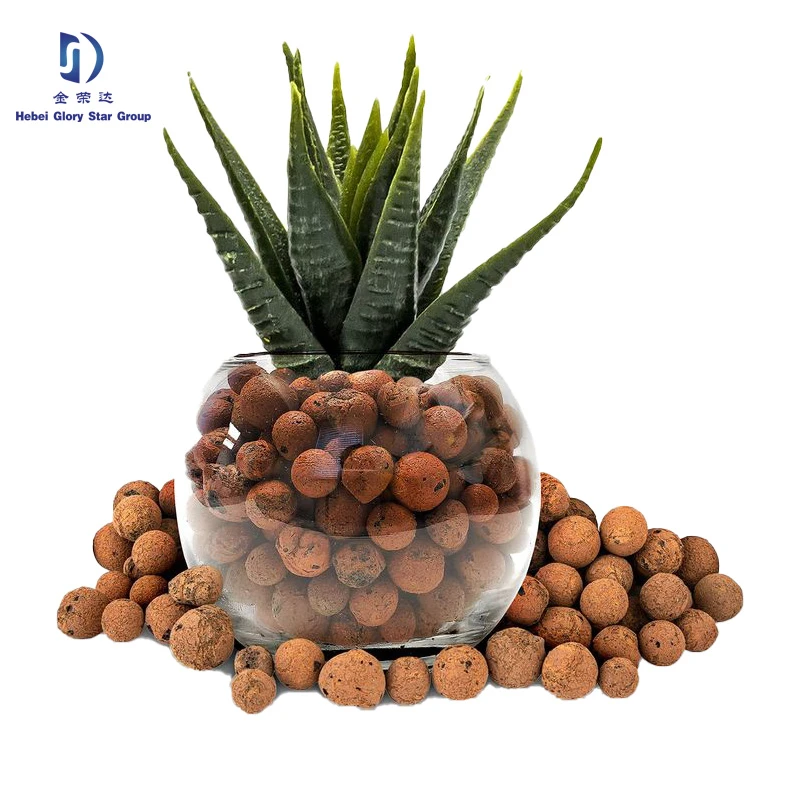
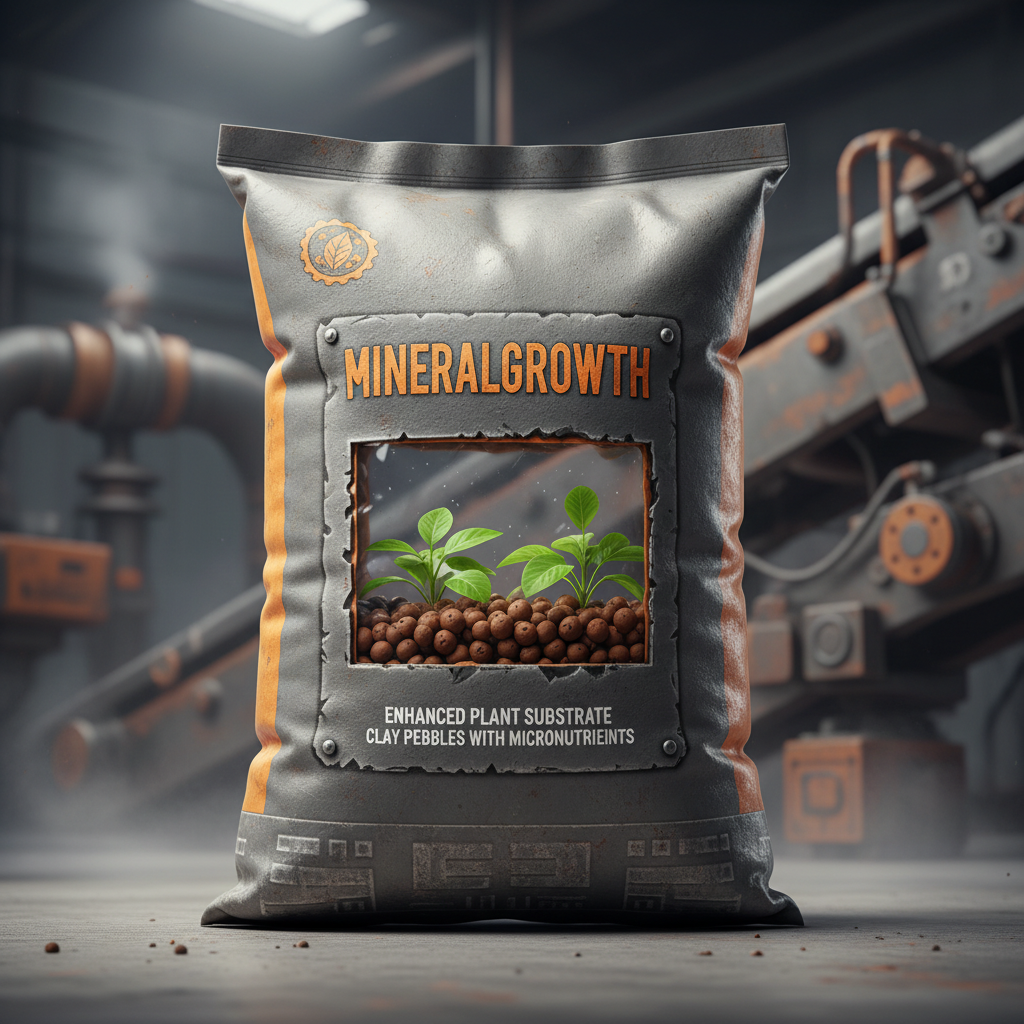
Clay pebbles, also known as LECA (Lightweight Expanded Clay Aggregate), are a popular growing medium for hydroponics and container gardening. They offer excellent aeration and drainage, making them ideal for a variety of plants. This guide will explore the benefits of planting with clay pebbles, how to use them effectively, the best plants for this method, and tips for success. Whether you’re a seasoned gardener or just starting, understanding clay pebbles can significantly enhance your growing experience. Choosing the right growing medium is crucial for healthy plant development, and clay pebbles offer a sustainable and efficient solution.
The Benefits of Using Clay Pebbles
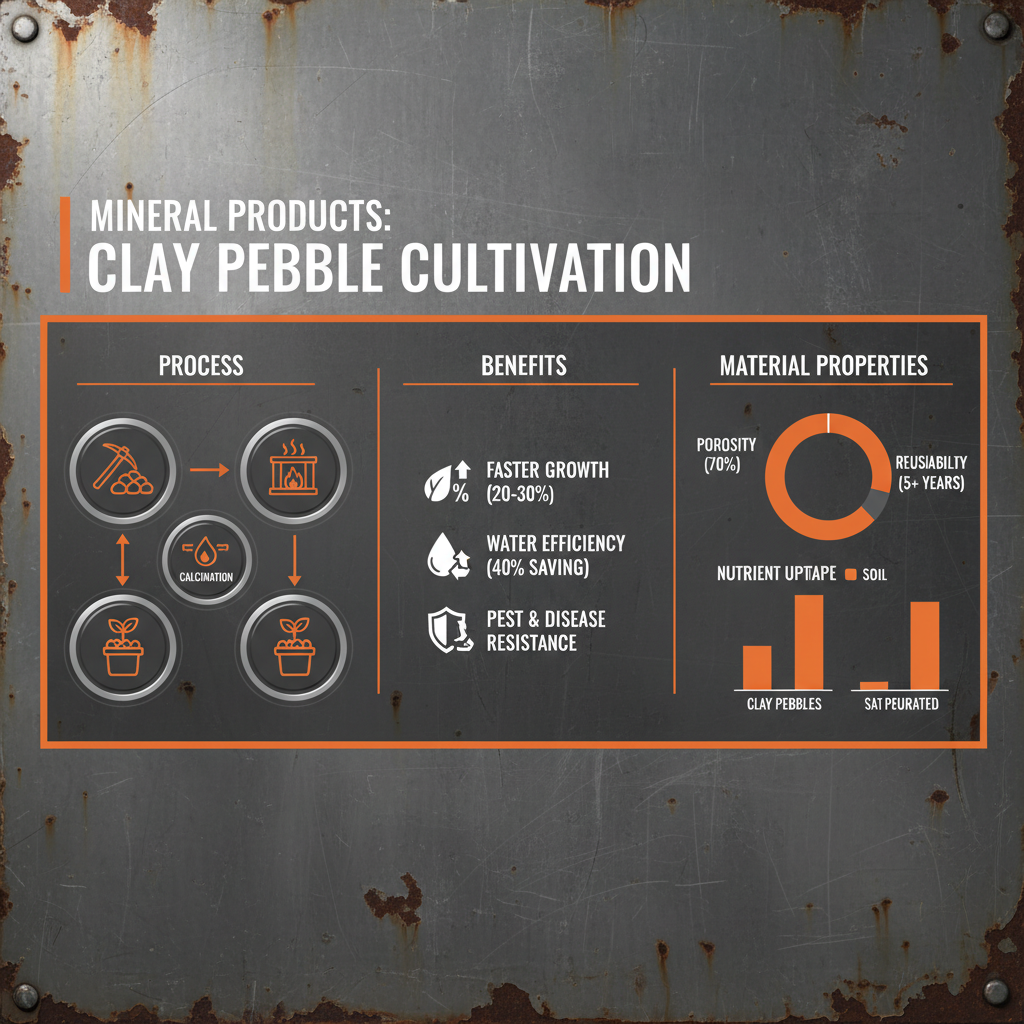
Clay pebbles provide several advantages over traditional soil-based growing methods. Their porous structure allows for excellent airflow to the roots, preventing root rot and promoting healthy growth. The lightweight nature of LECA makes it easier to handle and reduces the overall weight of your containers. They are also pH neutral and inert, meaning they won't affect the nutrient balance of your growing solution. Furthermore, clay pebbles are reusable – simply clean and sterilize them between plantings. This reusability contributes to a more sustainable gardening practice. They also offer superior drainage, preventing overwatering and creating an optimal environment for root development.
Key Highlights: Excellent aeration, lightweight, pH neutral, reusable, superior drainage, and promote healthy root growth.
How to Prepare and Use Clay Pebbles
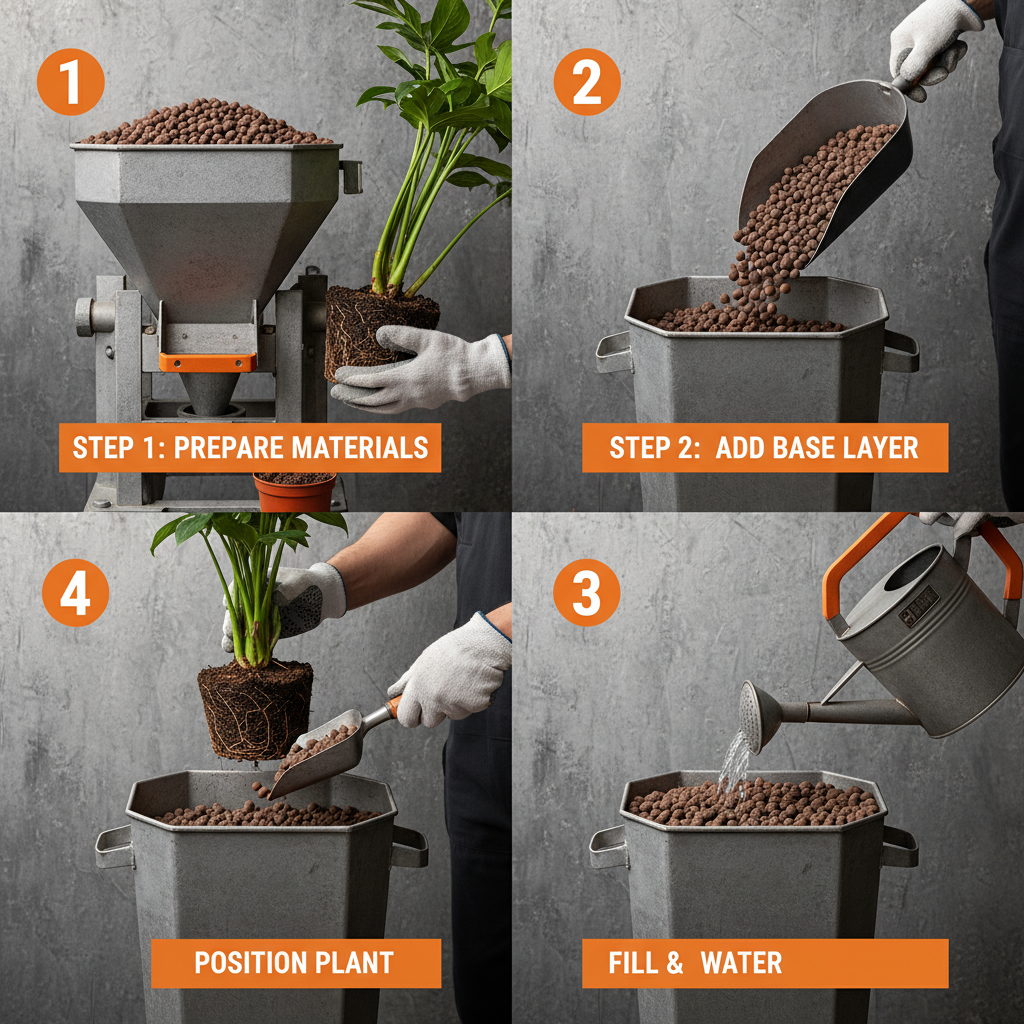
Before using clay pebbles for the first time, it's essential to rinse them thoroughly to remove dust and debris. Soaking them in water for 24 hours helps to saturate them, which improves their water-holding capacity and prevents them from drawing moisture away from your plants' roots initially. When planting, ensure your container has adequate drainage holes. Place a layer of clay pebbles at the bottom of the container for enhanced drainage. Fill the remaining space with the pebbles and carefully position your plant. Maintain proper nutrient levels in your watering solution, as clay pebbles do not provide any nutrients themselves.
Preparation Steps:
• Rinse thoroughly to remove dust and debris.
• Soak in water for 24 hours.
• Ensure adequate container drainage.
• Supplement with nutrient-rich solutions.
Planting with Clay Pebbles vs. Soil: A Comparison
Choosing between clay pebbles and traditional soil depends on your specific gardening goals. Clay pebbles excel in hydroponic systems and container gardening where drainage and aeration are paramount. Soil retains more water, which can be beneficial for certain plants, but also increases the risk of root rot. Clay pebbles are lighter and easier to manage, while soil can be heavier and more cumbersome. Furthermore, clay pebbles are reusable, making them a more sustainable option long-term. While initial setup for clay pebbles might require a bit more preparation, the benefits in terms of plant health and ease of maintenance are significant.
Best Plants for Growing with Clay Pebbles
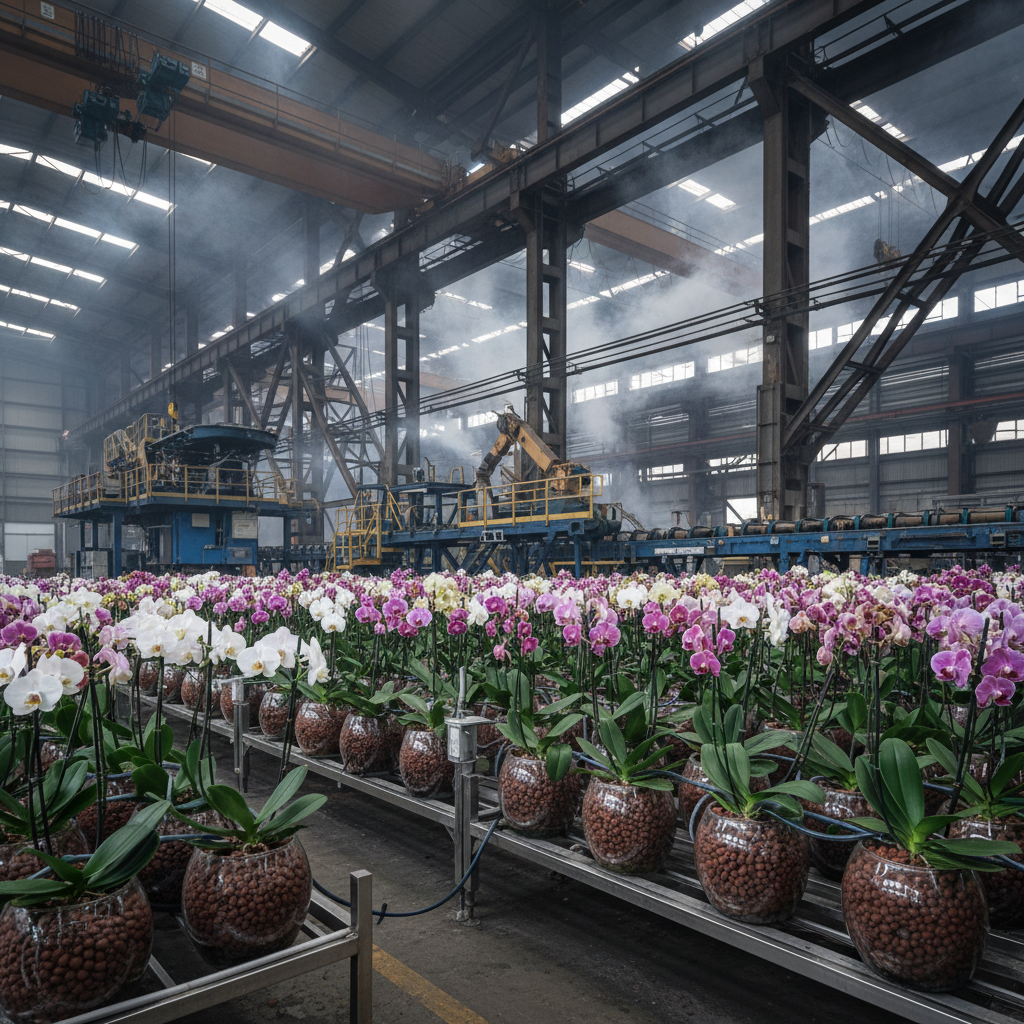
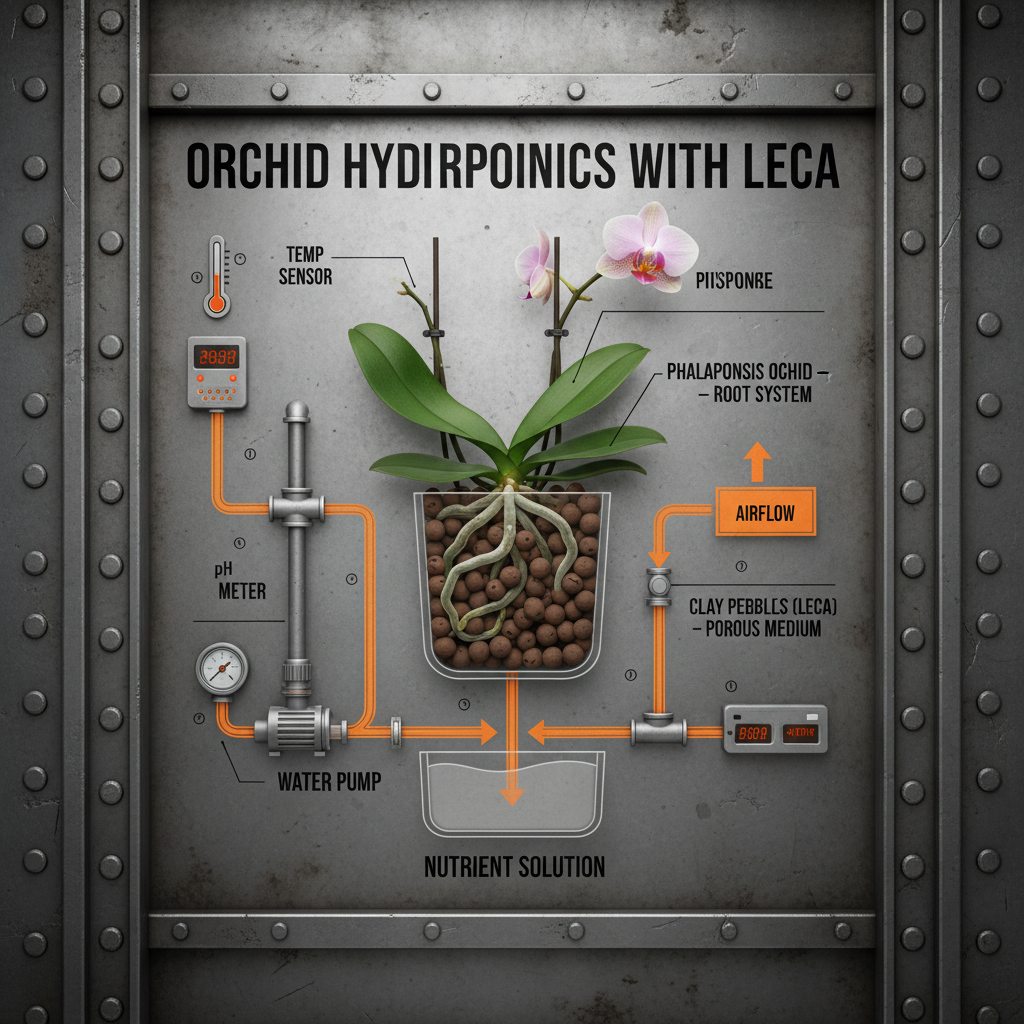
Many plants thrive when grown with clay pebbles, especially those that prefer well-draining conditions. Herbs like basil, mint, and oregano do exceptionally well. Vegetables such as peppers, tomatoes, and strawberries also benefit from the improved aeration and drainage. Ornamental plants like orchids, African violets, and peace lilies are also excellent choices. Essentially, any plant that doesn’t require constantly moist soil is a good candidate for growing with clay pebbles. Glorystarexport.com offers a wide range of plants suitable for LECA cultivation.
Clay Pebble Product Specifications
Understanding the specifications of clay pebbles is crucial for optimal results. The size typically ranges from 8-16mm, providing a good balance between aeration and support. The density is around 900-1100 kg/m³, making them lightweight yet stable. They have a pH of 6.5-7.5, which is ideal for most plants. Different grades are available, catering to various plant sizes and growing systems.
Conclusion: Embrace the Benefits of Clay Pebble Gardening
Planting with clay pebbles offers a sustainable, efficient, and rewarding gardening experience. Their excellent drainage, aeration, and reusability make them a superior alternative to traditional soil in many applications. By understanding the proper techniques and choosing the right plants, you can unlock the full potential of this versatile growing medium.
Frequently Asked Questions (FAQs)
Do I need to use nutrients when growing with clay pebbles?
Yes, clay pebbles are inert and do not provide any nutrients to your plants. You'll need to supplement with a complete hydroponic nutrient solution specifically formulated for the type of plant you're growing. Monitor the nutrient levels regularly and adjust as needed to ensure optimal growth. Different plants have different nutrient requirements, so research the specific needs of your chosen plants.
How often should I water plants grown in clay pebbles?
Watering frequency depends on several factors, including the plant type, temperature, humidity, and container size. Generally, you should water when the top layer of clay pebbles feels dry to the touch. Avoid overwatering, as this can lead to root rot. Ensure the excess water drains freely from the container. It’s also important to consider the plant's specific watering needs.
Can I reuse clay pebbles?
Yes, clay pebbles are reusable! After each growing cycle, thoroughly clean the pebbles to remove any accumulated salts, algae, or root debris. You can sterilize them by soaking them in a diluted bleach solution (1 part bleach to 9 parts water) for 30 minutes, then rinsing them thoroughly with clean water. Proper cleaning and sterilization ensure the pebbles remain suitable for future plantings.
Are clay pebbles suitable for outdoor gardening?
Yes, clay pebbles can be used for outdoor gardening, particularly in containers. However, be aware that they can be displaced by strong winds. In windy areas, consider using a larger container or adding a layer of heavier material, such as gravel, on top of the clay pebbles to provide stability. They are also a good option for areas with poor soil drainage.
Post time: Mar-12-2026


.png "About")