

Using Clay Pebbles in Soil: A Comprehensive Guide
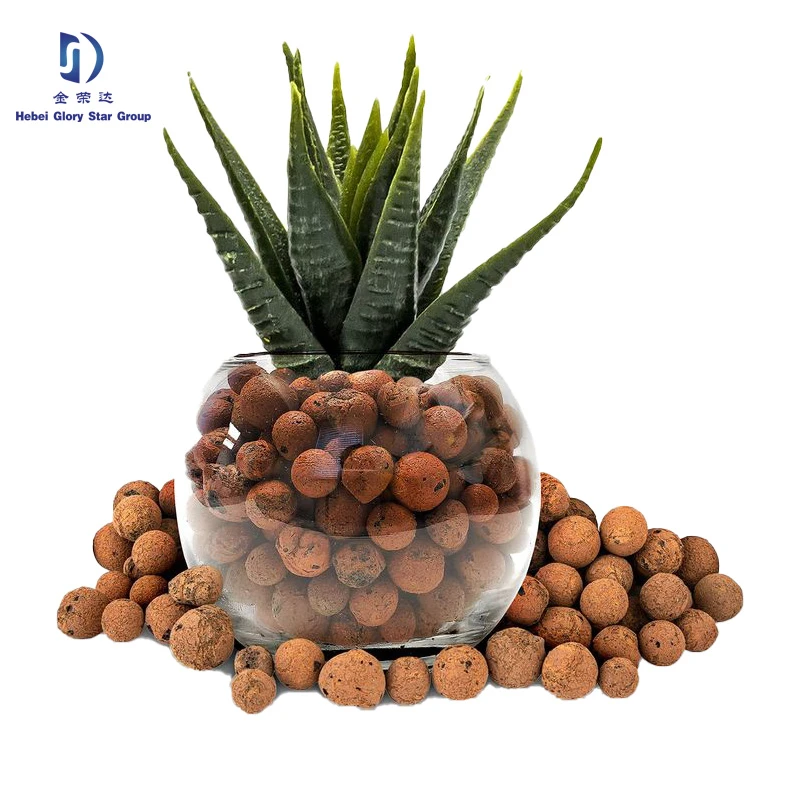
Clay pebbles, also known as LECA (Lightweight Expanded Clay Aggregate), are becoming increasingly popular as a soil amendment for a wide range of plants. They offer excellent drainage, aeration, and support for root systems. This article will delve into the benefits of using clay pebbles in soil, how to use them effectively, and what plants thrive with this amendment. Improving soil structure is vital for healthy plant growth, and clay pebbles provide a fantastic solution for many common gardening challenges.
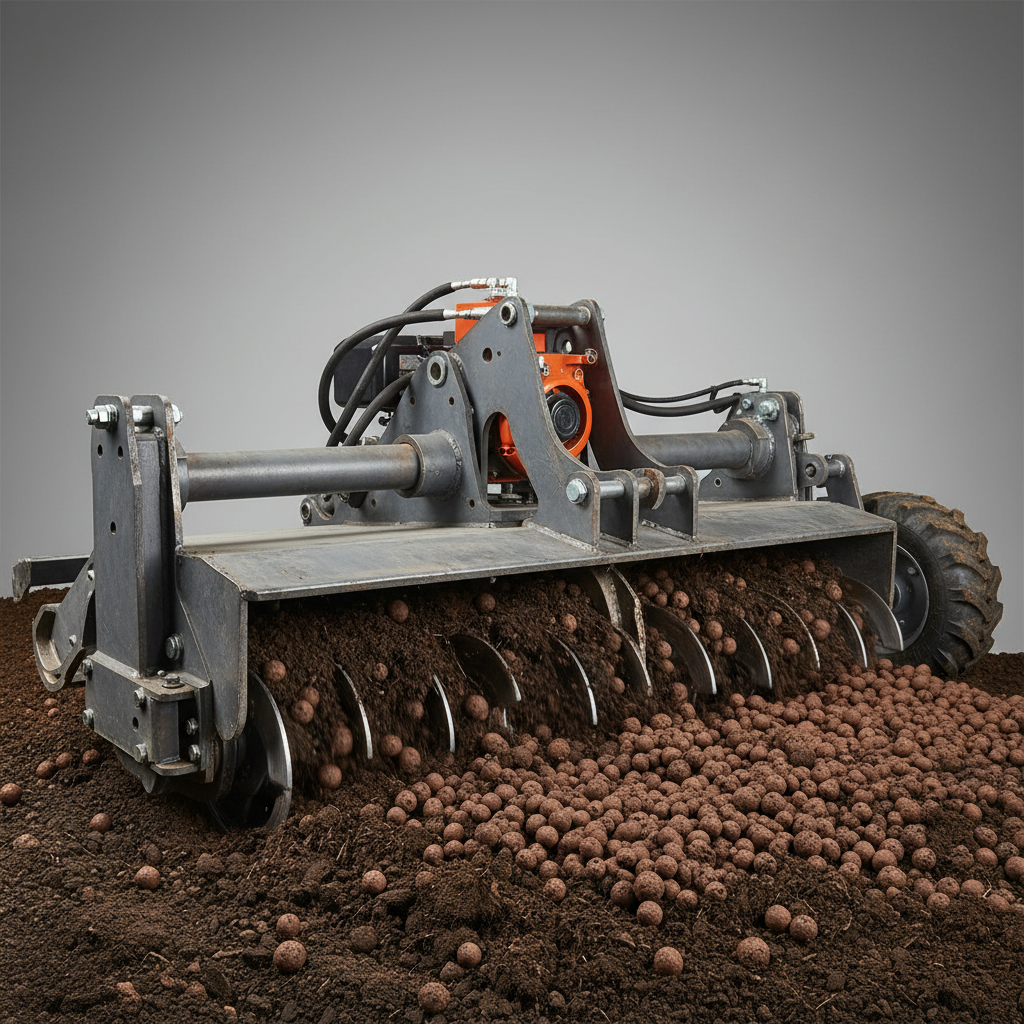
What are Clay Pebbles (LECA)?
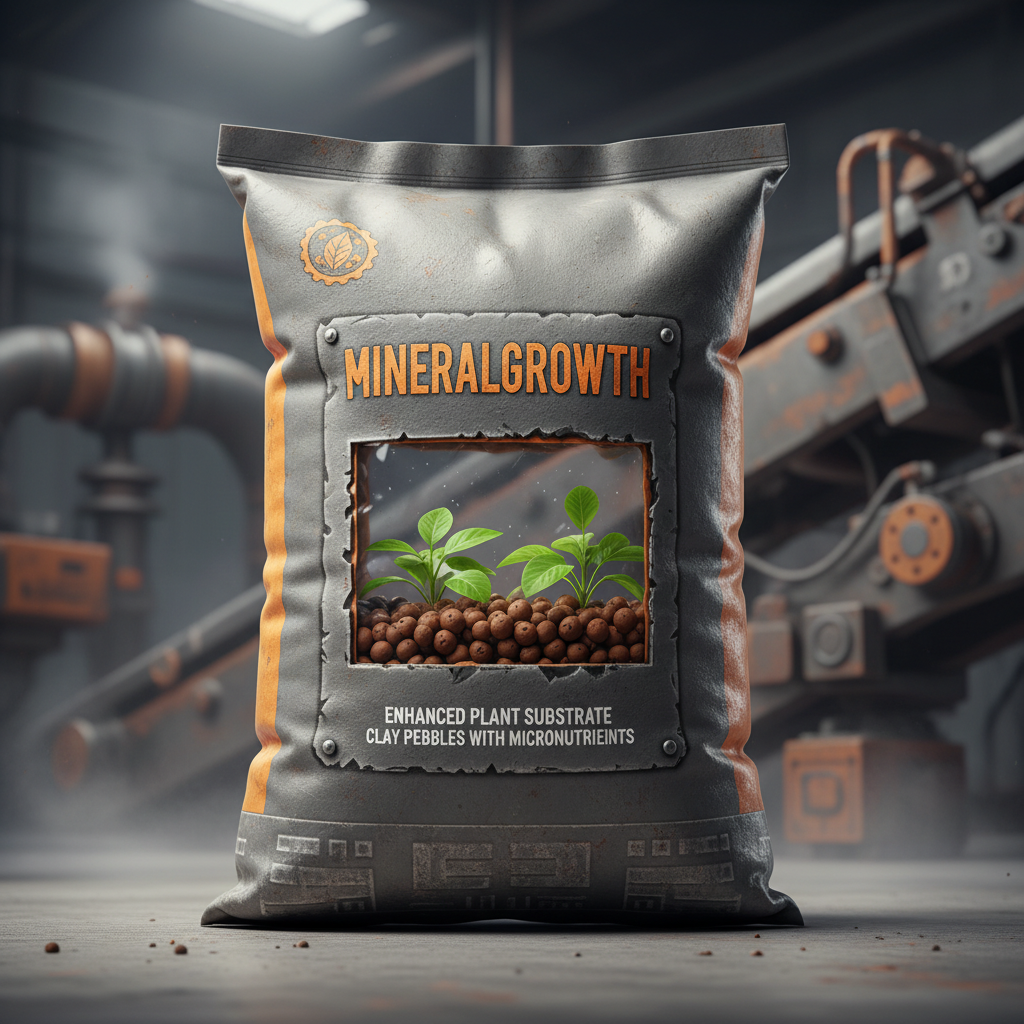
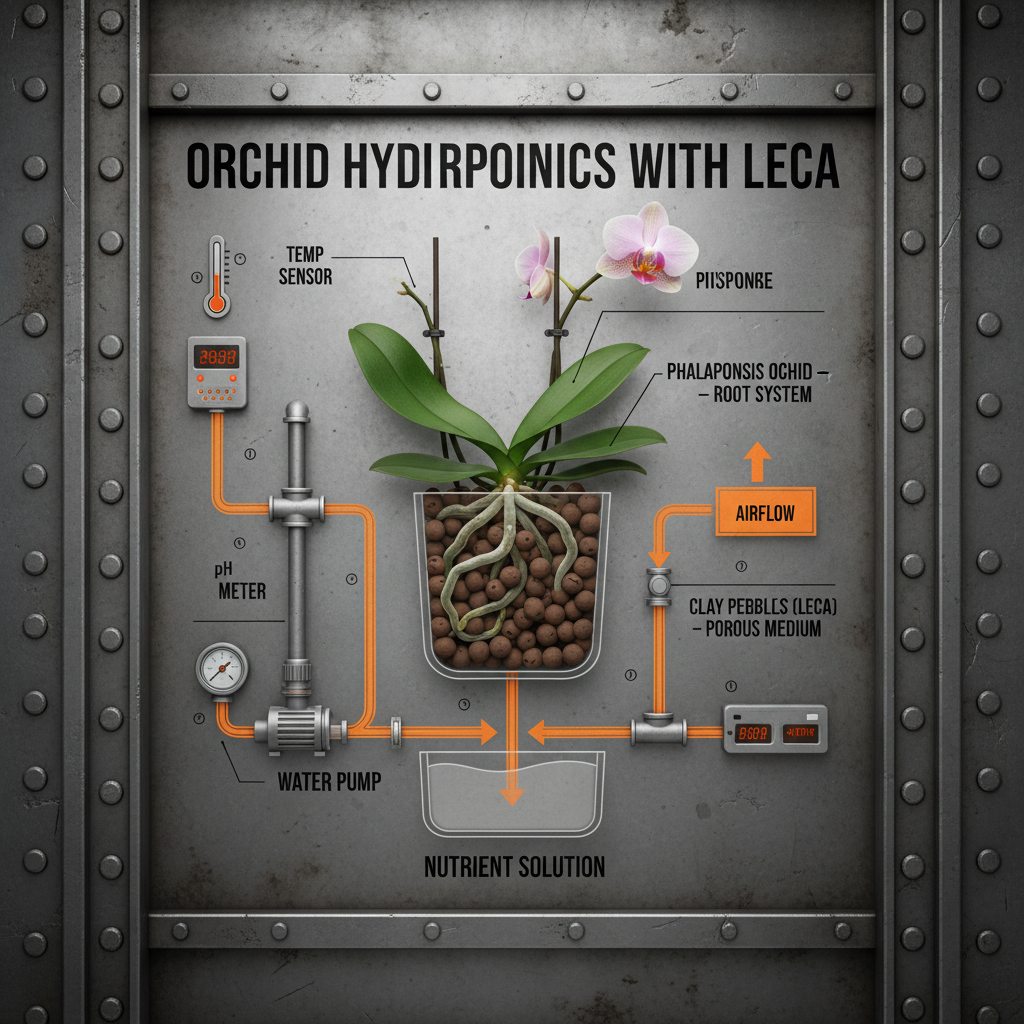
Clay pebbles are produced by heating natural clay to extremely high temperatures, causing it to expand and become lightweight. The resulting material is porous, creating a network of air pockets that improve drainage and aeration. Unlike traditional soil, clay pebbles don’t decompose, making them a long-lasting and sustainable soil amendment. They’re inert, meaning they don’t contain nutrients themselves, but they provide an ideal environment for roots to access nutrients from other sources. This makes them versatile for various hydroponic and soil-based applications.
Key Highlights: Lightweight, porous material made from heated clay. Improves drainage, aeration, and provides support for root systems. Long-lasting and sustainable.
The Benefits of Using Clay Pebbles in Soil
Incorporating clay pebbles into your soil mix offers numerous advantages. Primarily, they enhance drainage, preventing waterlogging and root rot – a common issue for many plants. Their porous structure also provides excellent aeration, allowing roots to breathe and absorb essential nutrients. Furthermore, clay pebbles act as a structural support for plants, especially beneficial for those with delicate root systems. They also help to regulate soil temperature, protecting roots from extreme fluctuations. Using clay pebbles can dramatically improve plant health and vigor.
Benefits at a Glance:
• Enhanced Drainage
• Improved Aeration
• Root Support
• Temperature Regulation
Clay Pebbles vs. Other Soil Amendments
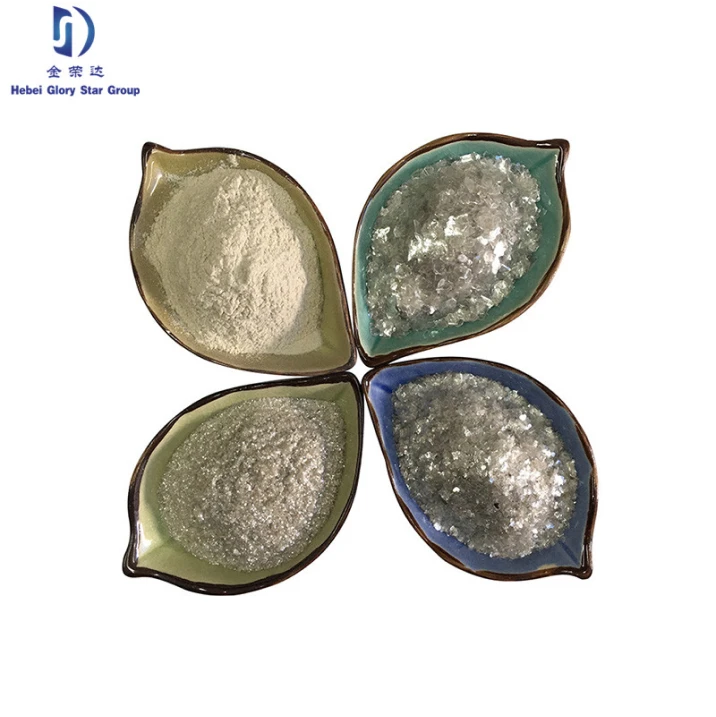
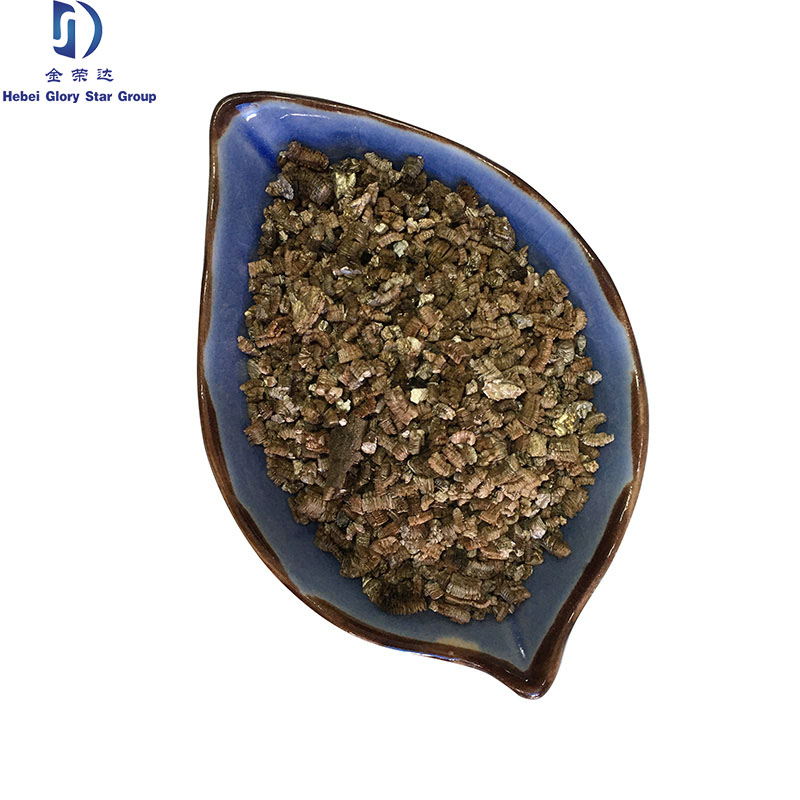
When choosing a soil amendment, several options exist. However, clay pebbles offer distinct advantages over alternatives like perlite, vermiculite, and sand. Perlite is also lightweight and improves drainage, but it can float to the surface and doesn't provide the same level of structural support. Vermiculite retains moisture, which can be beneficial in dry climates but detrimental in humid conditions. Sand can improve drainage in clay soils but can compact over time. Clay pebbles offer a balanced combination of drainage, aeration, and support, making them a versatile choice for a wide range of plants.
How to Use Clay Pebbles Effectively
There are several ways to incorporate clay pebbles into your gardening routine. You can mix them directly into your potting mix, typically at a ratio of 1:1 or 1:2 (clay pebbles to soil). They’re also excellent for layering at the bottom of pots to improve drainage. In hydroponic systems, clay pebbles serve as the primary growing medium, providing support for the plant roots. Before use, it’s recommended to rinse the clay pebbles to remove any dust or debris. You can find high-quality clay pebbles at Glory Star Export, ensuring optimal performance.
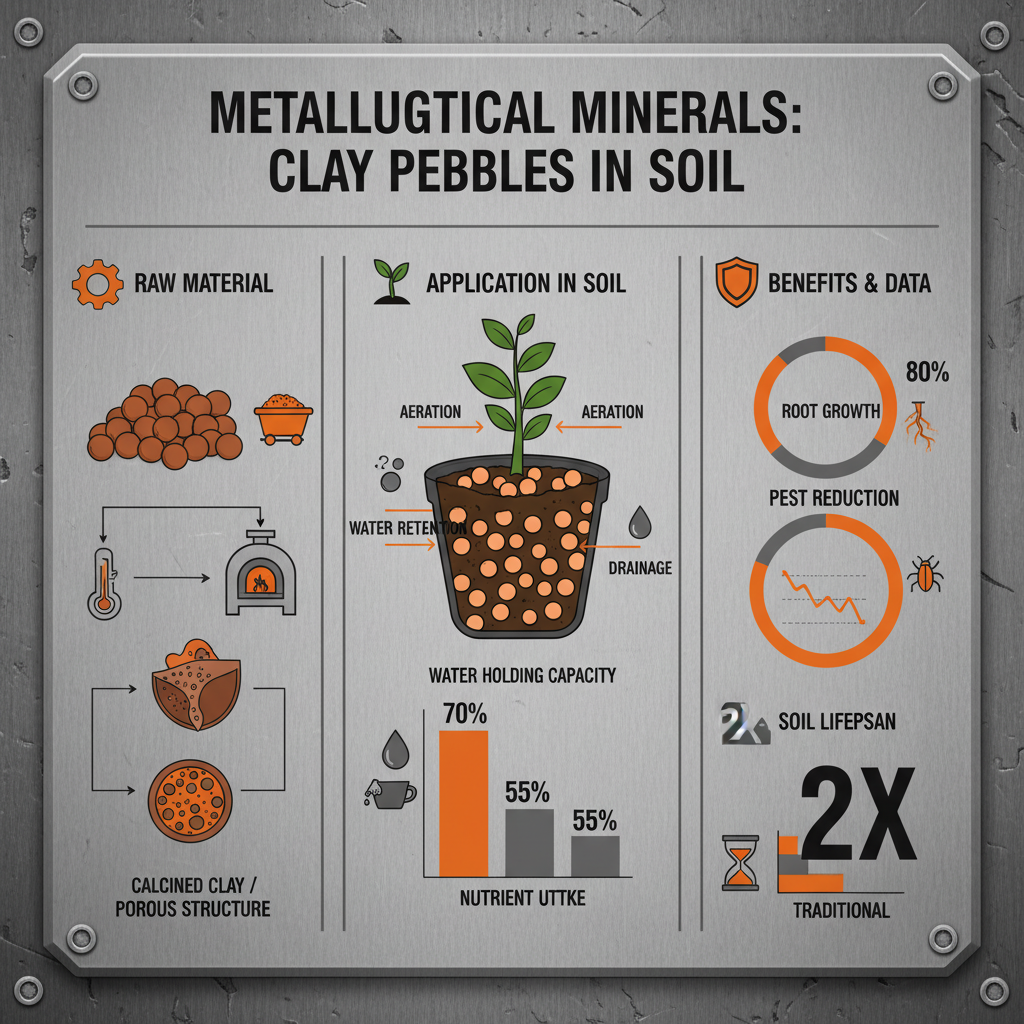
Which Plants Benefit Most from Clay Pebbles?
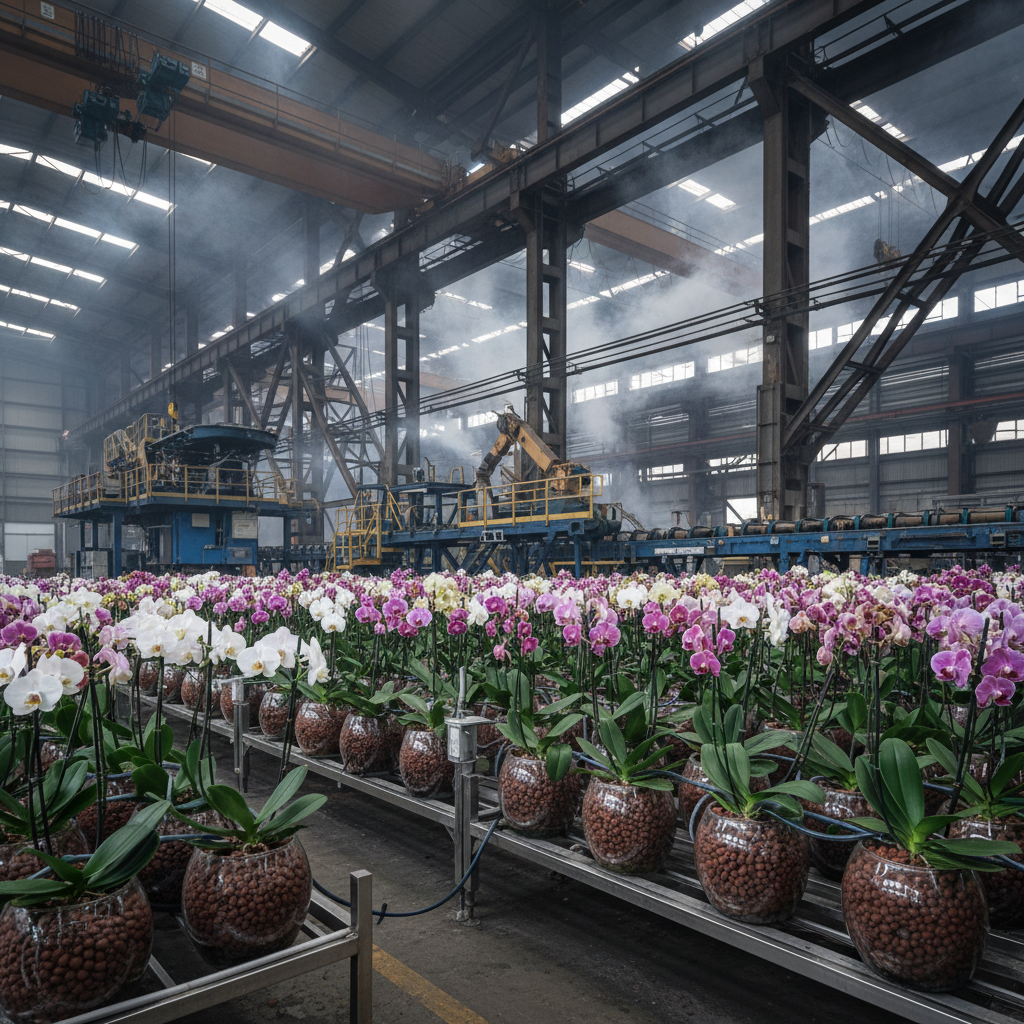
While many plants can benefit from clay pebbles, some thrive particularly well. Orchids, succulents, and cacti appreciate the excellent drainage and aeration they provide. Plants prone to root rot, such as African violets and ferns, also benefit significantly. Herbs like basil and mint also grow well with clay pebbles, as they prefer well-drained soil. Essentially, any plant that prefers a well-aerated, fast-draining environment will flourish with the addition of clay pebbles.
Conclusion: Enhance Your Garden with Clay Pebbles
Using clay pebbles in soil is a simple yet effective way to improve plant health and vigor. Their unique properties provide exceptional drainage, aeration, and support, making them a valuable addition to any gardener’s toolkit. By incorporating clay pebbles into your gardening practices, you can create a thriving environment for your plants to flourish.
Frequently Asked Questions (FAQs)
Do clay pebbles need to be fertilized?
Clay pebbles are inert, meaning they don't contain any nutrients. Therefore, you will need to provide nutrients to your plants through fertilizers. You can use liquid fertilizers, slow-release granules, or incorporate compost into your soil mix. The choice of fertilizer will depend on the specific needs of your plants. Regularly monitoring your plants for signs of nutrient deficiencies and adjusting your fertilization schedule accordingly is essential.
Can I use clay pebbles outdoors?
Yes, clay pebbles are suitable for outdoor use. They are durable and can withstand various weather conditions. However, they may be displaced by heavy rain or wind, so it's recommended to use them in containers or mix them thoroughly with soil. Using them as a bottom layer in pots can also improve drainage and prevent waterlogging during heavy rainfall.
How do I clean clay pebbles for reuse?
Clay pebbles can be reused after thorough cleaning. Rinse them with water to remove any dirt, debris, or salt buildup. For stubborn buildup, you can soak them in a mild vinegar solution for a few hours, then rinse thoroughly. Allow the pebbles to dry completely before reusing them. Sterilizing them by boiling for a short period can also help prevent the spread of diseases.
Are clay pebbles environmentally friendly?
Yes, clay pebbles are considered an environmentally friendly soil amendment. They are made from natural clay, a renewable resource. They are also durable and reusable, reducing the need for frequent replacements. Additionally, they don't decompose or release harmful chemicals into the environment. Choosing clay pebbles from a sustainable supplier like Glory Star Export further enhances their eco-friendliness.
Post time: Mar-21-2026




.png "About")