

Using Clay Pebbles: A Comprehensive Guide for Optimal Plant Growth
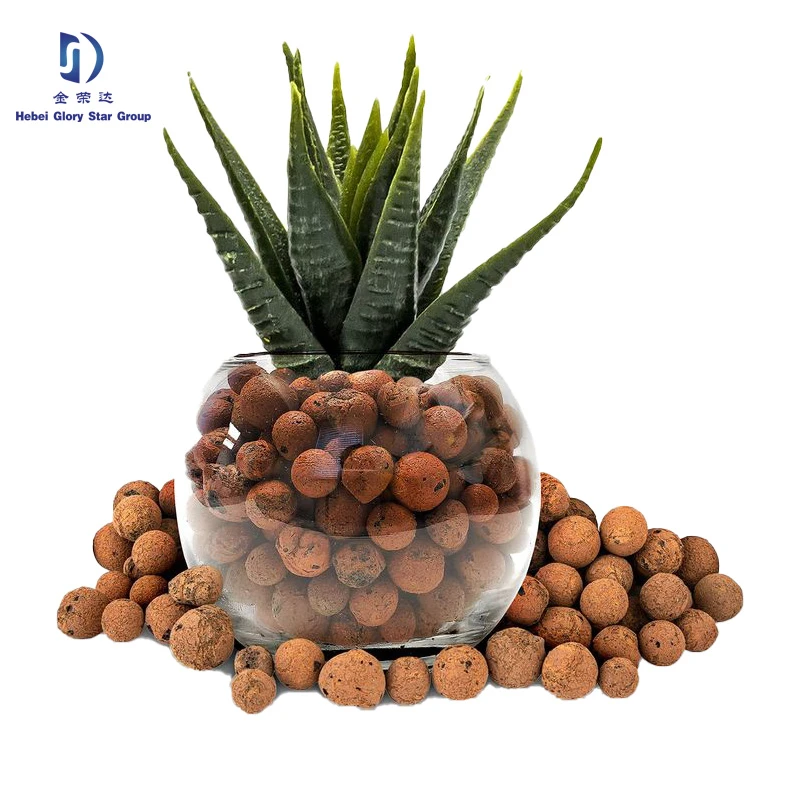
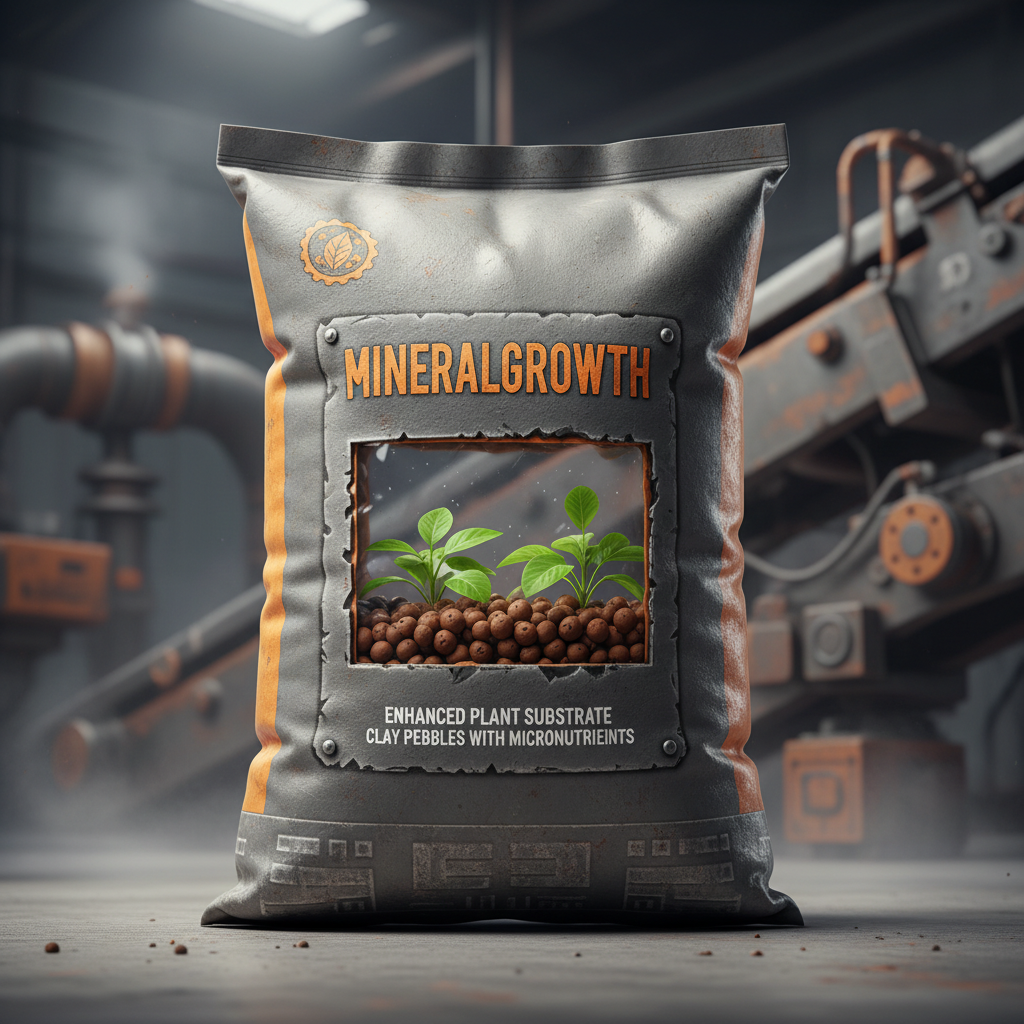
Clay pebbles, also known as LECA (Lightweight Expanded Clay Aggregate), have become increasingly popular in horticulture due to their numerous benefits. From improved aeration and drainage to their reusability and inert nature, clay pebbles offer a versatile growing medium for a wide variety of plants. This article will explore the advantages of clay pebbles, how to use them effectively, and which plants thrive in this unique substrate. Whether you’re a seasoned gardener or just starting out, understanding the nuances of using clay pebbles can elevate your plant-growing game and contribute to healthier, more vibrant plants.

What are Clay Pebbles and Why Use Them?
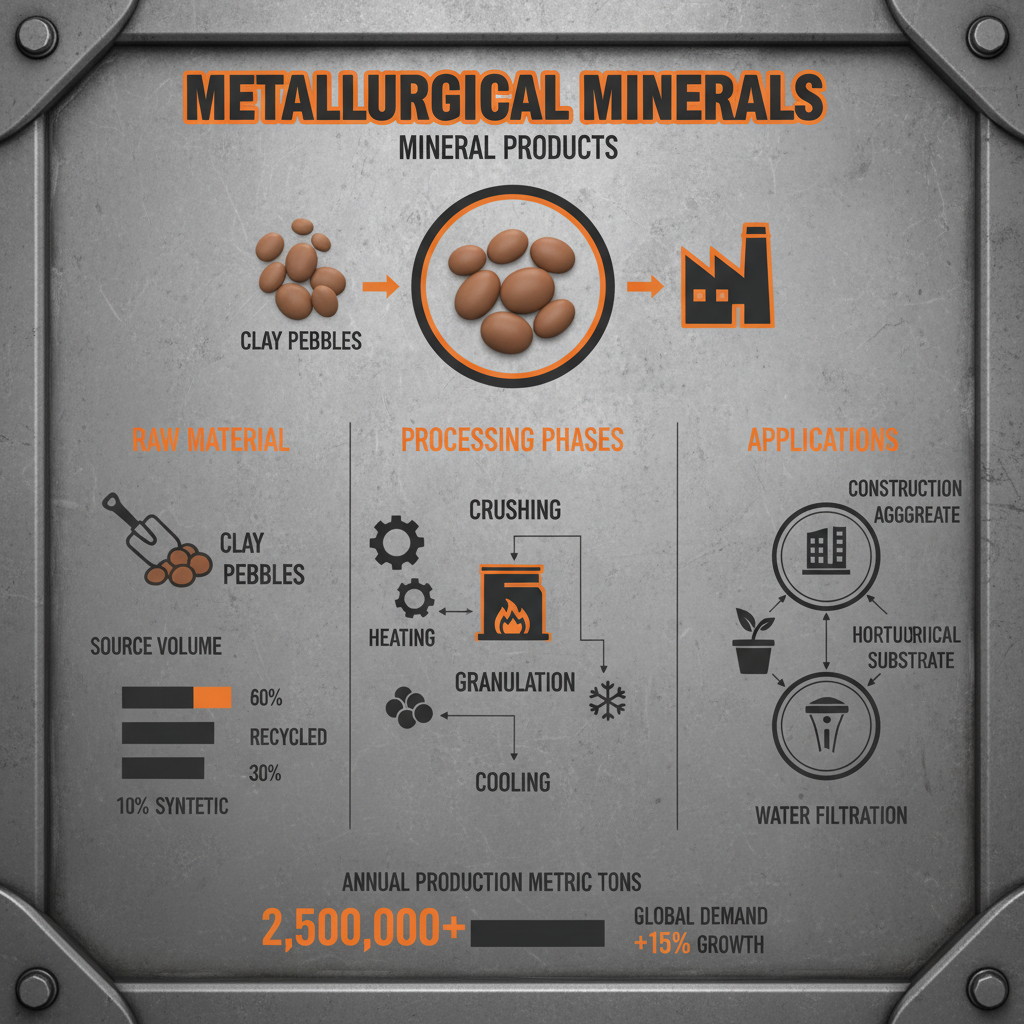
Clay pebbles are made from natural clay that is heated to extremely high temperatures, causing it to expand into lightweight, porous balls. This process creates a material that is incredibly effective at retaining moisture while simultaneously providing excellent aeration. Unlike soil, clay pebbles are inert, meaning they don't contain any nutrients. This allows you to have complete control over the nutrient delivery to your plants. They are also pH neutral and won’t break down over time, making them a reusable and sustainable growing medium. The benefits extend to reducing the risk of root rot, promoting faster growth, and offering a clean and aesthetically pleasing alternative to traditional potting mixes.
Key Highlights: Lightweight, porous balls created from heated clay. Excellent aeration and drainage. Inert, pH neutral, and reusable.
How to Prepare and Use Clay Pebbles
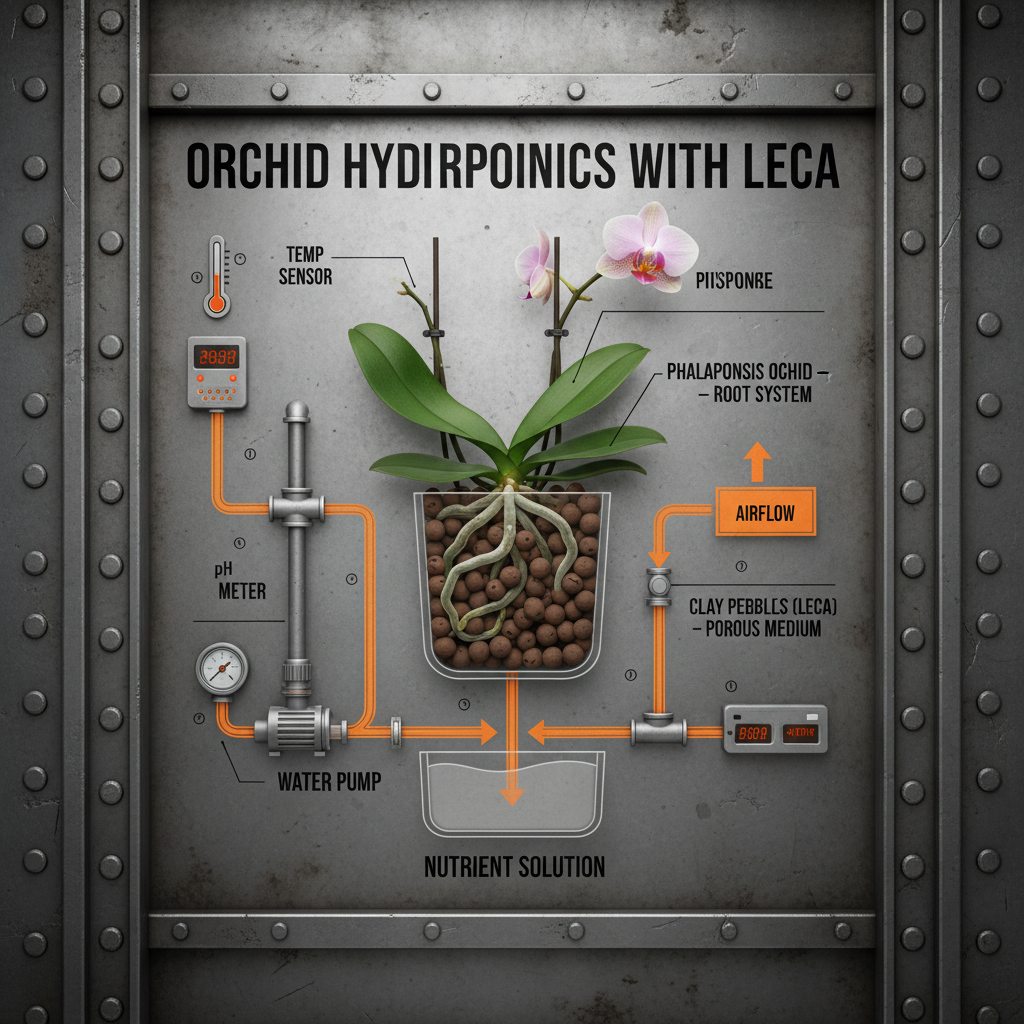
Before using clay pebbles, it’s crucial to rinse them thoroughly to remove any dust or debris. This prevents clogging of the pores and ensures optimal drainage. Soaking the pebbles in water for 24 hours before use is also recommended, as this helps to saturate them and prevents them from drawing moisture away from the roots initially. When potting plants, use clay pebbles as you would a standard potting mix, ensuring the roots are adequately surrounded. For hydroponic systems, clay pebbles are an ideal growing medium, providing support for the roots while allowing for nutrient-rich water to circulate freely. Remember to monitor the pH and nutrient levels of your water solution regularly.
Preparation Steps:
• Rinse thoroughly to remove dust and debris.
• Soak in water for 24 hours to saturate the pebbles.
• Use as a standalone growing medium or in combination with other substrates.
Clay Pebbles vs. Soil: A Comparative Analysis
Choosing between clay pebbles and traditional soil depends on your specific gardening needs and preferences. Soil provides essential nutrients, but it can also be prone to compaction, poor drainage, and pest infestations. Clay pebbles, on the other hand, excel in aeration and drainage, eliminating these concerns but requiring you to provide all necessary nutrients. The following table highlights a detailed comparison between the two:
Best Plants for Clay Pebble Growing
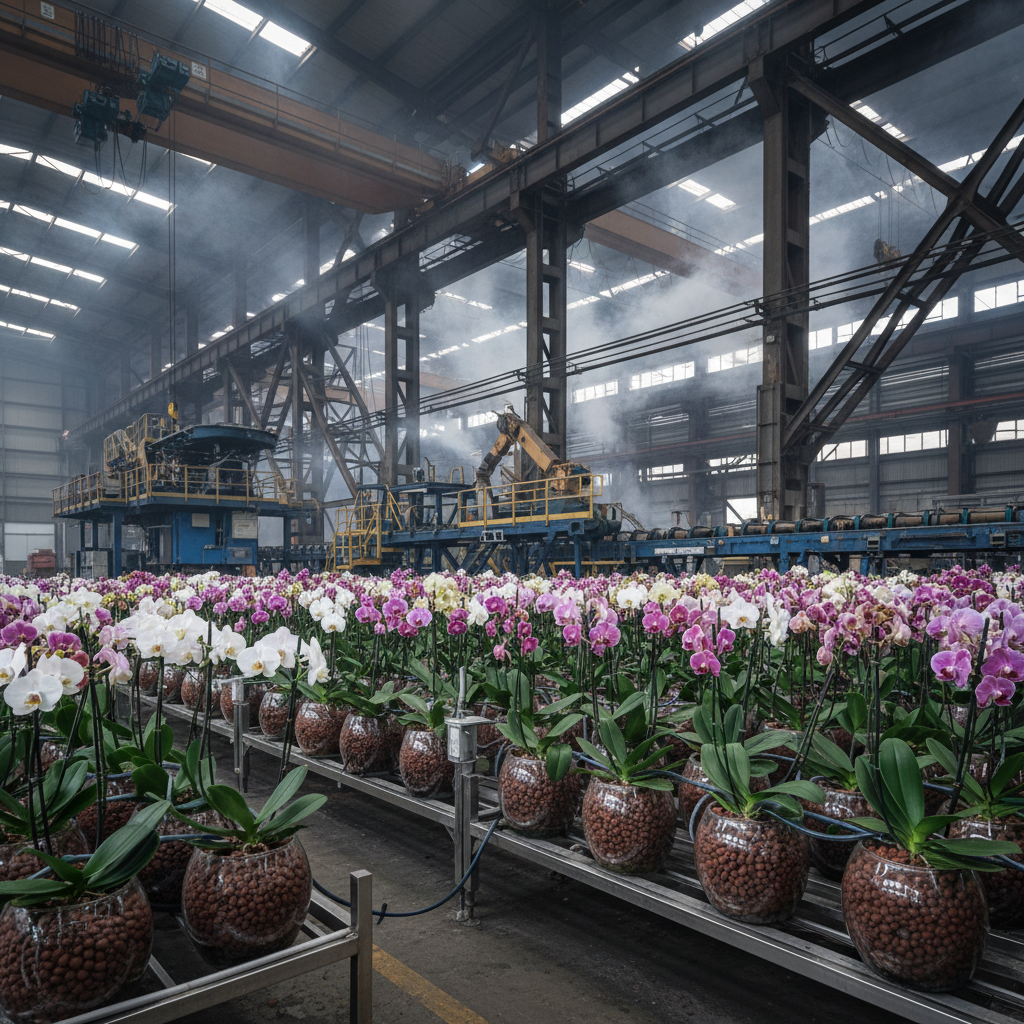
Many plants thrive in clay pebble substrates, especially those that prefer consistent moisture and good aeration. Some excellent choices include: Monstera Deliciosa, Philodendrons, Orchids, Peace Lilies, and Snake Plants. Herbs like mint and basil also do well, as do many succulents and cacti. The versatility of clay pebbles allows you to experiment with different plant species and discover what works best in your environment. You can find a wide selection of quality clay pebbles for sale at Glory Star Export.
Product Specifications and Available Sizes
Glory Star Export offers a range of clay pebble sizes to suit your specific needs. Here's a look at our standard product specifications:
Conclusion: Embrace the Benefits of Clay Pebble Growing
Investing in clay pebbles from Glory Star Export provides a sustainable, efficient, and aesthetically pleasing solution for your gardening needs. Their excellent aeration, drainage, and reusability make them an ideal choice for a wide variety of plants and growing systems. Elevate your gardening experience and watch your plants thrive with the power of clay pebbles!
Frequently Asked Questions (FAQs)
Can I mix clay pebbles with soil?
Yes, you can certainly mix clay pebbles with soil to improve drainage and aeration. A common ratio is 1:1, but you can adjust it based on your plant’s specific needs and the soil type. Mixing clay pebbles with heavy clay soils is particularly beneficial, as it helps to break up compaction and create a more porous growing medium. However, keep in mind that adding clay pebbles will reduce the overall nutrient content of the mix, so you may need to supplement with fertilizers.
How do I sterilize clay pebbles for reuse?
Sterilizing clay pebbles before reuse is essential to prevent the spread of diseases and pests. The most effective method is to soak them in a 10% bleach solution for 30 minutes, followed by a thorough rinsing with clean water until all traces of bleach are removed. Alternatively, you can bake them in an oven at 200°F (93°C) for 30-60 minutes. Ensure they are completely dry before storing them.
Are clay pebbles suitable for all plants?
While clay pebbles are suitable for a wide range of plants, they are particularly well-suited for those that prefer well-draining conditions and don't mind consistent moisture. Plants like orchids, succulents, and many tropical varieties thrive in clay pebble substrates. However, some plants, such as those that prefer very dry conditions or have delicate root systems, may not do as well. It's important to research your plant's specific needs before deciding if clay pebbles are the right choice.
Where can I purchase high-quality clay pebbles?
You can purchase high-quality clay pebbles from Glory Star Export. We offer a variety of sizes and quantities to meet your needs. Visit our website at https://www.glorystarexport.com to browse our selection and place your order today!
Post time: Mar-14-2026



.png "About")