

Growing Orchids in Expanded Clay Pebbles: A Comprehensive Guide
Orchids are renowned for their exquisite beauty, but their care can sometimes seem daunting. One of the most popular and effective methods for growing orchids, especially for those concerned about root health and aeration, is using expanded clay pebbles (also known as LECA). This guide will explore the benefits of growing orchids in expanded clay pebbles, providing a detailed look at the process, advantages, and potential challenges. Whether you’re a seasoned orchid enthusiast or a beginner, this information will help you cultivate thriving, vibrant orchids.
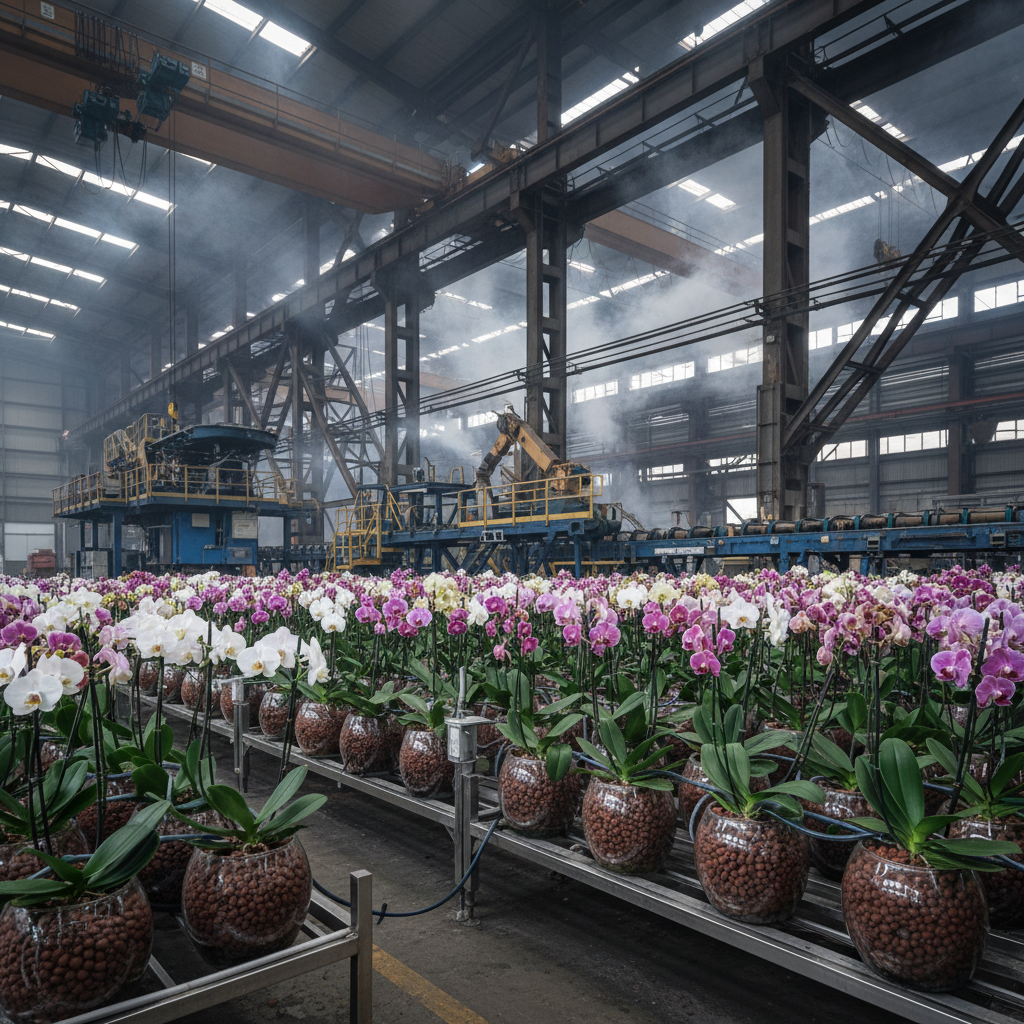
What are Expanded Clay Pebbles (LECA)?
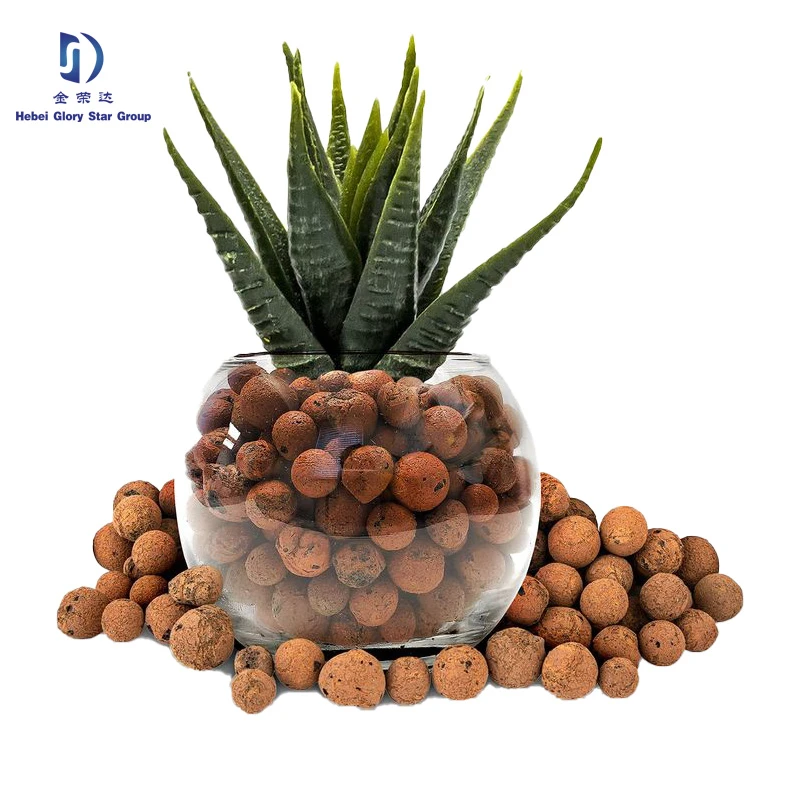
Expanded clay pebbles, or LECA (Lightweight Expanded Clay Aggregate), are a porous, inert growing medium made by heating clay to high temperatures, causing it to expand. This process creates lightweight, round pebbles with numerous air pockets. These air pockets are crucial for orchid root health, providing excellent aeration. Unlike traditional potting mixes that can retain too much moisture and lead to root rot, LECA allows for optimal drainage and airflow. It's a sustainable and reusable medium, making it an environmentally friendly choice for orchid cultivation.
The Benefits of Growing Orchids in Expanded Clay Pebbles
Using expanded clay pebbles for orchid cultivation offers a multitude of advantages. The excellent aeration prevents root rot, a common issue with orchids. The inert nature of LECA means it doesn't decompose or compact over time, maintaining its structural integrity. This also means there are no nutrients in the pebbles themselves, giving you complete control over the orchid’s fertilization. Furthermore, LECA is reusable – after cleaning and sterilization, it can be used for multiple growing cycles.
Key Advantages: Excellent aeration, prevents root rot, inert and reusable, complete fertilizer control, long-lasting structural integrity.
A Comparison: LECA vs. Traditional Orchid Mixes
Traditional orchid mixes often consist of bark, sphagnum moss, and perlite. While these can be effective, they have drawbacks. Bark breaks down over time, requiring repotting more frequently. Sphagnum moss can retain too much moisture, increasing the risk of root rot. LECA overcomes these issues. It provides a stable, long-lasting medium with superior drainage and aeration. The following table illustrates the key differences:
How to Grow Orchids in Expanded Clay Pebbles: A Step-by-Step Guide
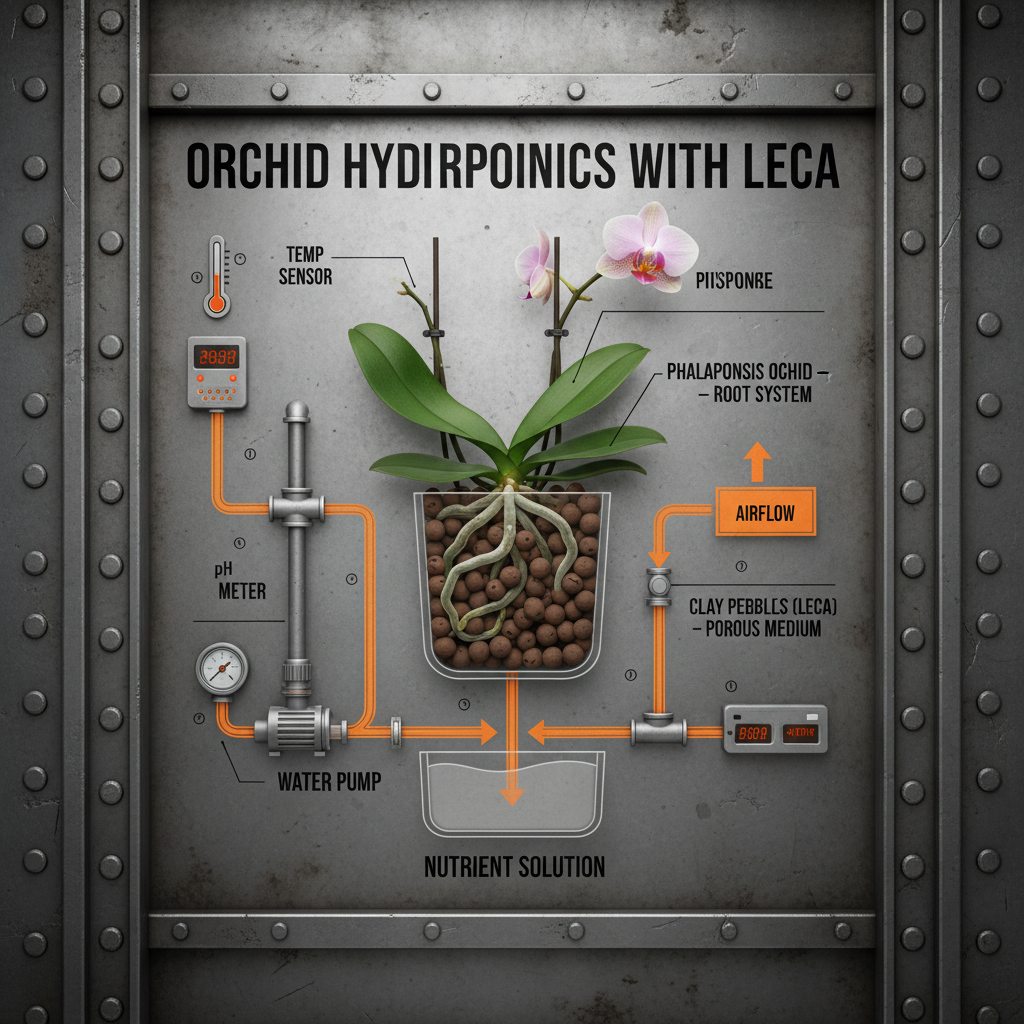
The process of transitioning an orchid to LECA is straightforward. First, gently remove the orchid from its existing potting mix, carefully cleaning the roots to remove all traces of the old medium. Next, rinse the LECA pebbles thoroughly to remove any dust or debris. Place a layer of LECA at the bottom of a pot with drainage holes, then position the orchid's roots among the pebbles, filling the pot gradually. Ensure the base of the pseudobulbs or leaves is not buried in the pebbles. Finally, water thoroughly and begin a regular fertilization schedule.
Maintaining Orchids in LECA: Watering and Fertilizing
Watering orchids grown in LECA is different than with traditional mixes. Instead of watering on a schedule, water when the pebbles feel dry to the touch. A common method is to bottom water, allowing the plant to absorb water through the pebbles. Fertilize regularly with a balanced orchid fertilizer, as LECA provides no nutrients. Monitor the orchid's growth and adjust the fertilization accordingly. Regular flushing with clean water helps prevent salt buildup from the fertilizer. Consider using a high-quality fertilizer specifically formulated for hydroponic systems, as these are optimized for LECA growth. Glorystarexport.com offers a variety of orchid care products to support healthy growth.
Conclusion: Embrace the Benefits of LECA for Thriving Orchids
Growing orchids in expanded clay pebbles offers a superior alternative to traditional potting mixes, promoting healthier roots, easier maintenance, and stunning blooms. By providing optimal aeration and drainage, LECA creates an ideal environment for orchid growth. Consider making the switch to LECA and experience the difference it can make in your orchid collection.
Frequently Asked Questions (FAQs)
Can I use LECA for all types of orchids?
While LECA is excellent for many orchids, some, like those requiring very specific bark mixes (e.g., some Masdevallias), may not thrive as well. Phalaenopsis, Cattleya, Dendrobium, and Oncidium orchids generally do exceptionally well in LECA. It's best to research the specific needs of your orchid variety. Ensure proper humidity and ventilation are provided, especially for orchids that naturally grow in high-humidity environments.
How do I sterilize LECA for reuse?
Sterilizing LECA is crucial to prevent the spread of pathogens. The best method is to boil the pebbles for 5-10 minutes. Alternatively, you can soak them in a 10% bleach solution for 30 minutes, followed by a thorough rinsing with clean water to remove all traces of bleach. Allow the LECA to dry completely before reuse. This prevents fungal and bacterial growth, ensuring a healthy growing medium for your orchids.
What size LECA pebbles is best for orchids?
A medium-sized LECA pebble (8-16mm) is generally recommended for orchids. This size provides excellent aeration and allows for good root penetration without being too small and compacting. Larger pebbles may not provide sufficient support, while smaller pebbles can retain too much water. The ideal size will also depend on the orchid's root structure; finer-rooted orchids may benefit from slightly smaller pebbles.
How often should I repot an orchid in LECA?
Orchids in LECA generally require repotting less frequently than those in traditional mixes, typically every 2-3 years. Repotting is necessary when the LECA starts to break down or become heavily colonized with algae or mineral buildup. During repotting, inspect the roots for any signs of rot or disease and trim as needed. Always use fresh, sterilized LECA for the best results.
Post time: Mar-26-2026




.png "About")