

Growing Orchids in Clay Pebbles: A Comprehensive Guide
Orchids, renowned for their exquisite beauty, can sometimes seem challenging to cultivate. However, using clay pebbles (also known as LECA – Lightweight Expanded Clay Aggregate) as a growing medium offers a fantastic solution for healthy orchid growth. This guide will explore the benefits of growing orchids in clay pebbles, covering everything from setup to ongoing care. Discover why this method is favored by both beginner and experienced orchid enthusiasts. Clay pebbles provide excellent aeration and drainage, crucial for preventing root rot, a common issue with orchids.
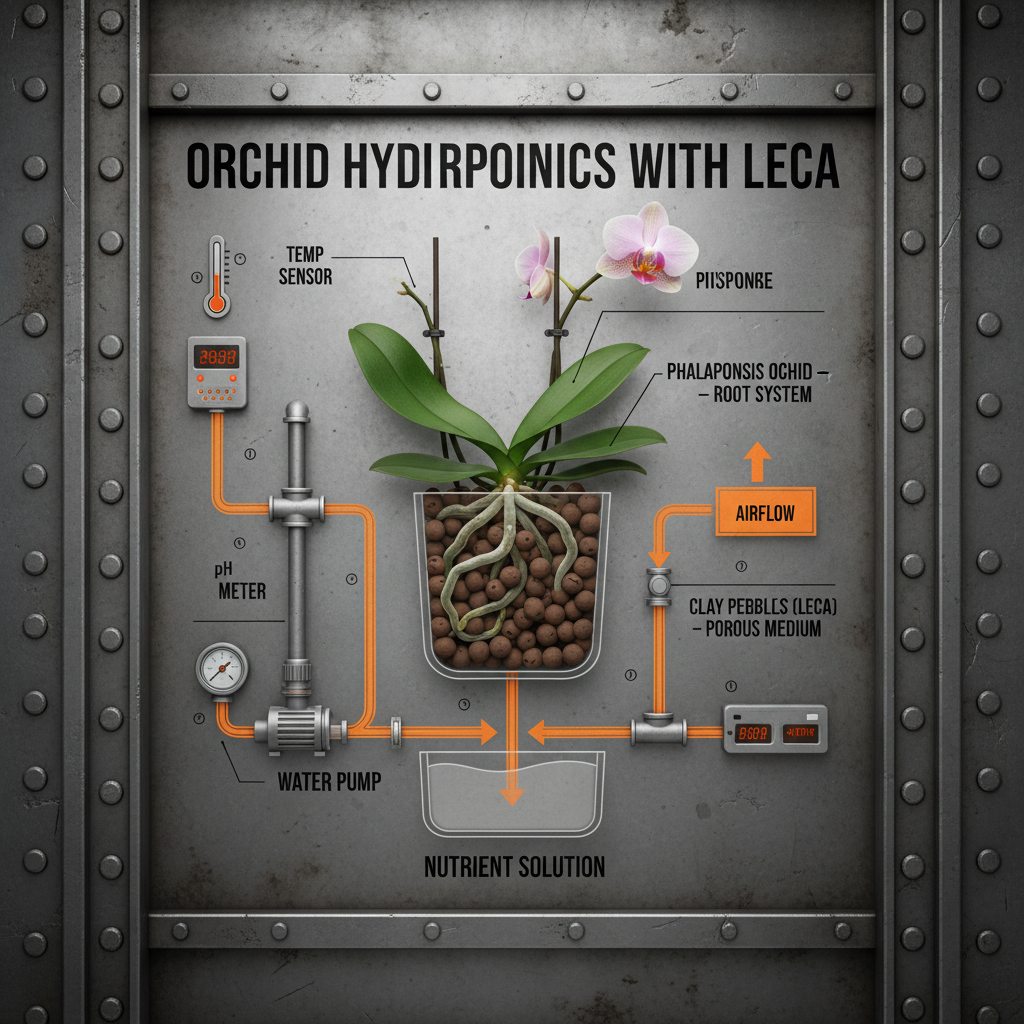
Why Choose Clay Pebbles for Orchids?
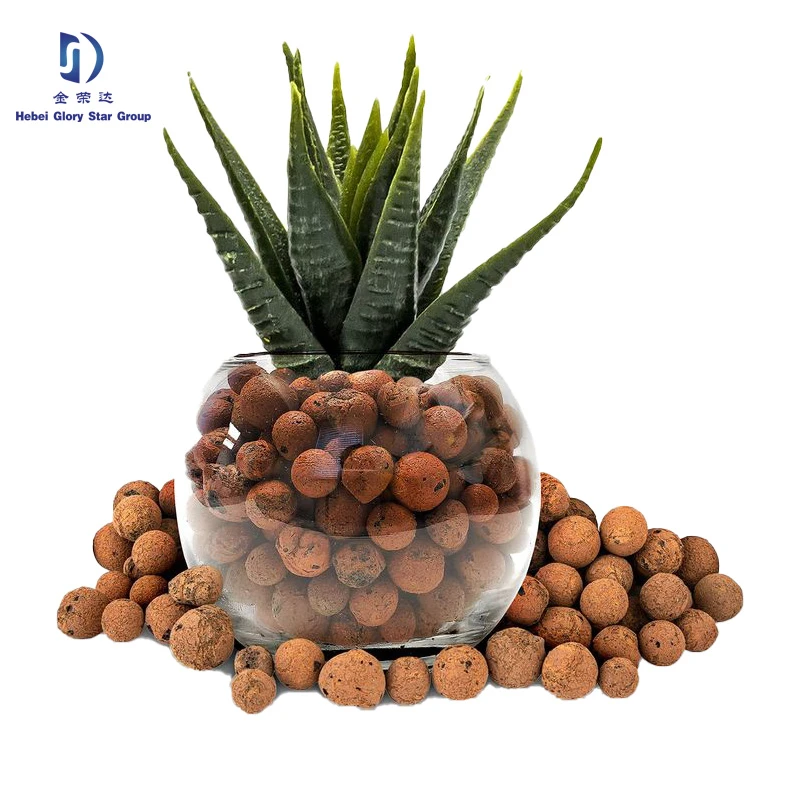
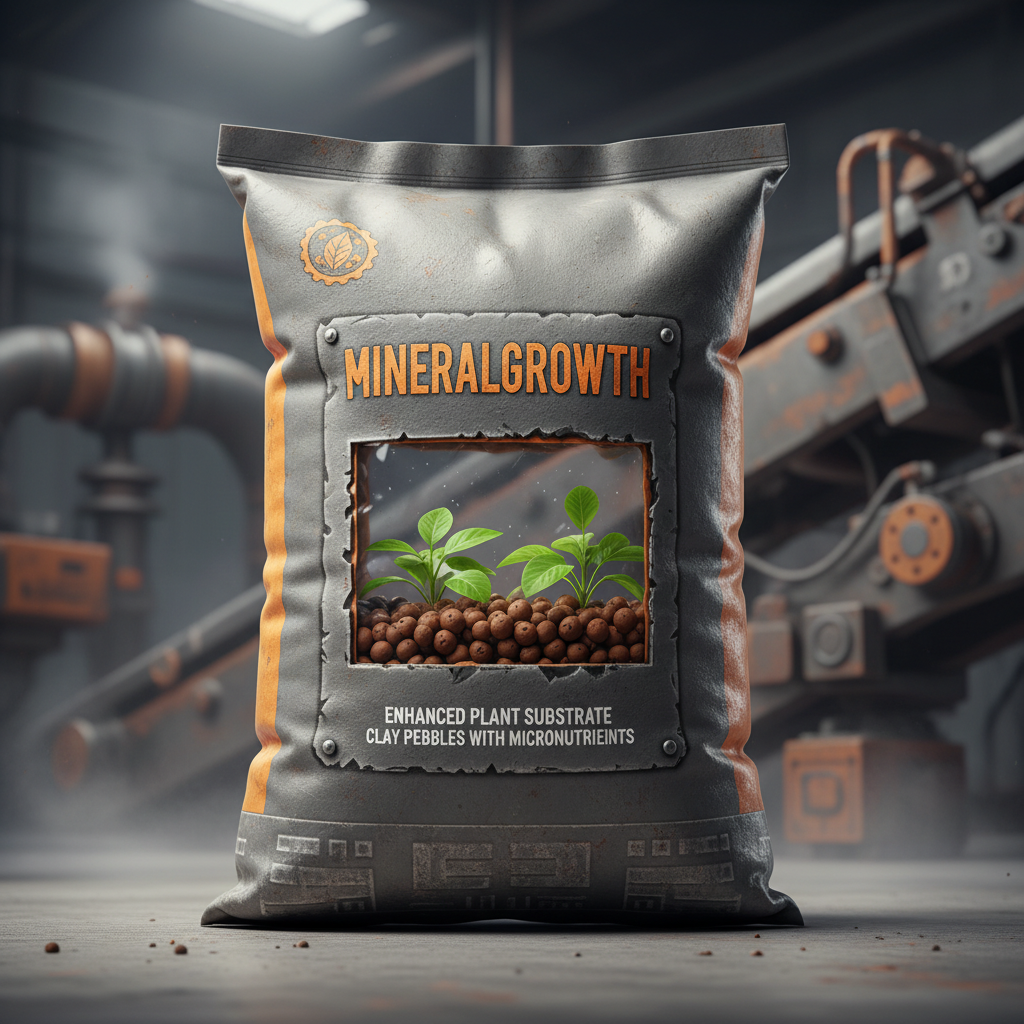
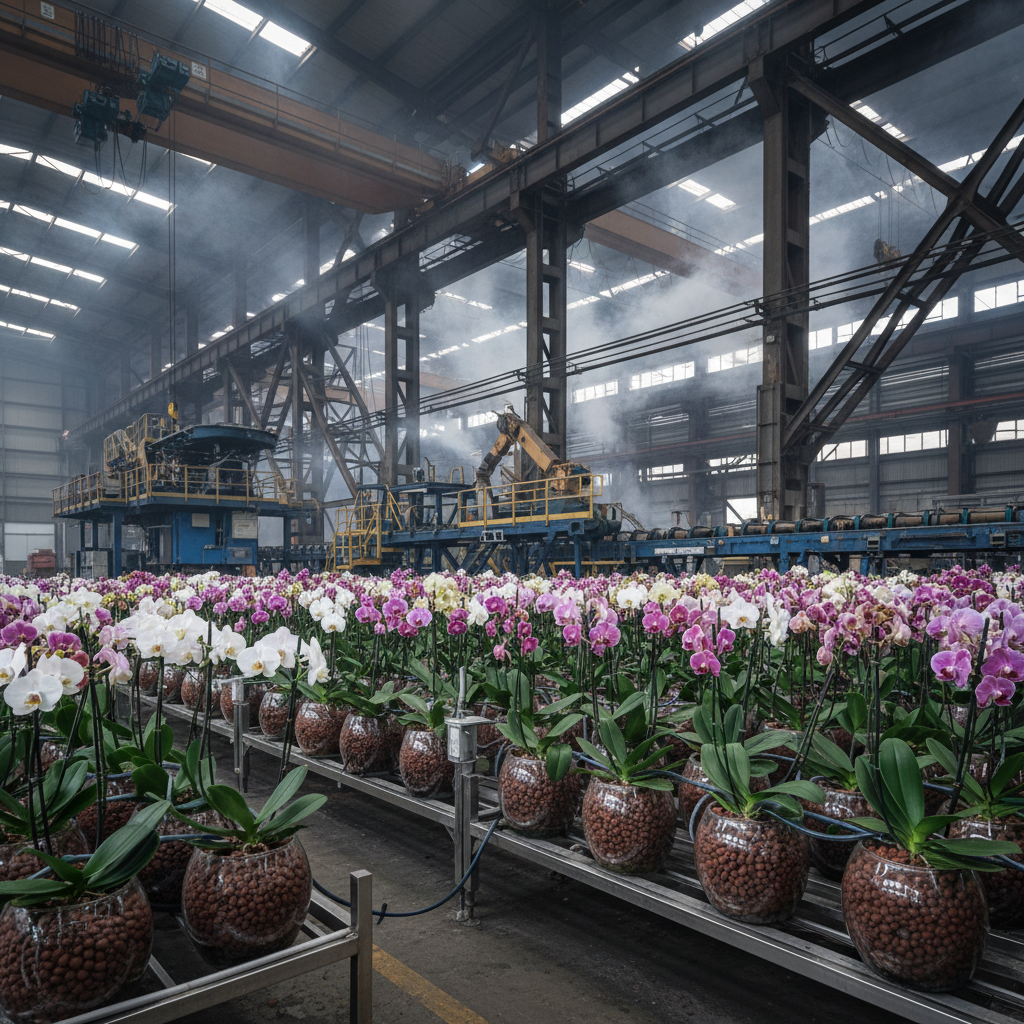
Clay pebbles are an inert growing medium, meaning they don't decompose or provide any nutrients. This is ideal for orchids, which are epiphytes – plants that naturally grow on other surfaces and absorb nutrients from the air. The main advantages of using clay pebbles include: superior drainage, preventing root rot; excellent aeration, promoting healthy root growth; reusability after sterilization; and a clean, aesthetically pleasing appearance. Unlike traditional bark mixes, clay pebbles don’t break down quickly, reducing the need for frequent repotting. This promotes a stable environment for the orchid’s root system.
Key Highlights: Clay pebbles offer superior drainage, excellent aeration, and are reusable, making them a sustainable and effective choice for orchid cultivation.
Setting Up Your Clay Pebble Orchid System
Setting up an orchid in clay pebbles is a straightforward process. First, choose a suitable container with drainage holes. Thoroughly rinse the clay pebbles to remove any dust or debris. Place a layer of pebbles at the bottom of the container for enhanced drainage. Gently remove the orchid from its existing pot, carefully cleaning away old growing medium from the roots. Position the orchid in the container and fill around the roots with clay pebbles, leaving the base of the leaves exposed. Water thoroughly, and allow excess water to drain away. Regularly monitor the moisture level of the clay pebbles, as they should be consistently damp, but not soggy.
Clay Pebble Setup Steps:
• Choose a container with drainage holes.
• Rinse clay pebbles thoroughly.
• Add a drainage layer of pebbles.
• Gently repot the orchid and fill with pebbles.
Growing Orchids in Clay Pebbles vs. Traditional Bark
While bark mixes are commonly used for orchids, clay pebbles offer several advantages. Bark breaks down over time, requiring more frequent repotting. Clay pebbles remain stable, reducing maintenance. Bark can retain excessive moisture, leading to root rot. Clay pebbles provide superior drainage. Bark may harbor pests and diseases. Clay pebbles are inert and resistant to these issues. The initial cost of clay pebbles might be higher, but their reusability makes them cost-effective in the long run. Choosing the right medium depends on your individual needs and preferences, but for many orchid growers, clay pebbles are the superior option.
Essential Care Tips for Orchids in Clay Pebbles
Maintaining orchids grown in clay pebbles requires a slightly different approach than traditional potting mixes. Watering should be done when the top layer of pebbles feels dry to the touch. Avoid overwatering, which can lead to root rot. Fertilize regularly with a balanced orchid fertilizer, diluted to half strength. Ensure adequate airflow around the plant to prevent fungal growth. Repotting is only necessary when the plant becomes root-bound, typically every 2-3 years. Proper care will reward you with vibrant blooms and healthy growth. Consider using a humidity tray to increase humidity around the plant, especially during dry months.
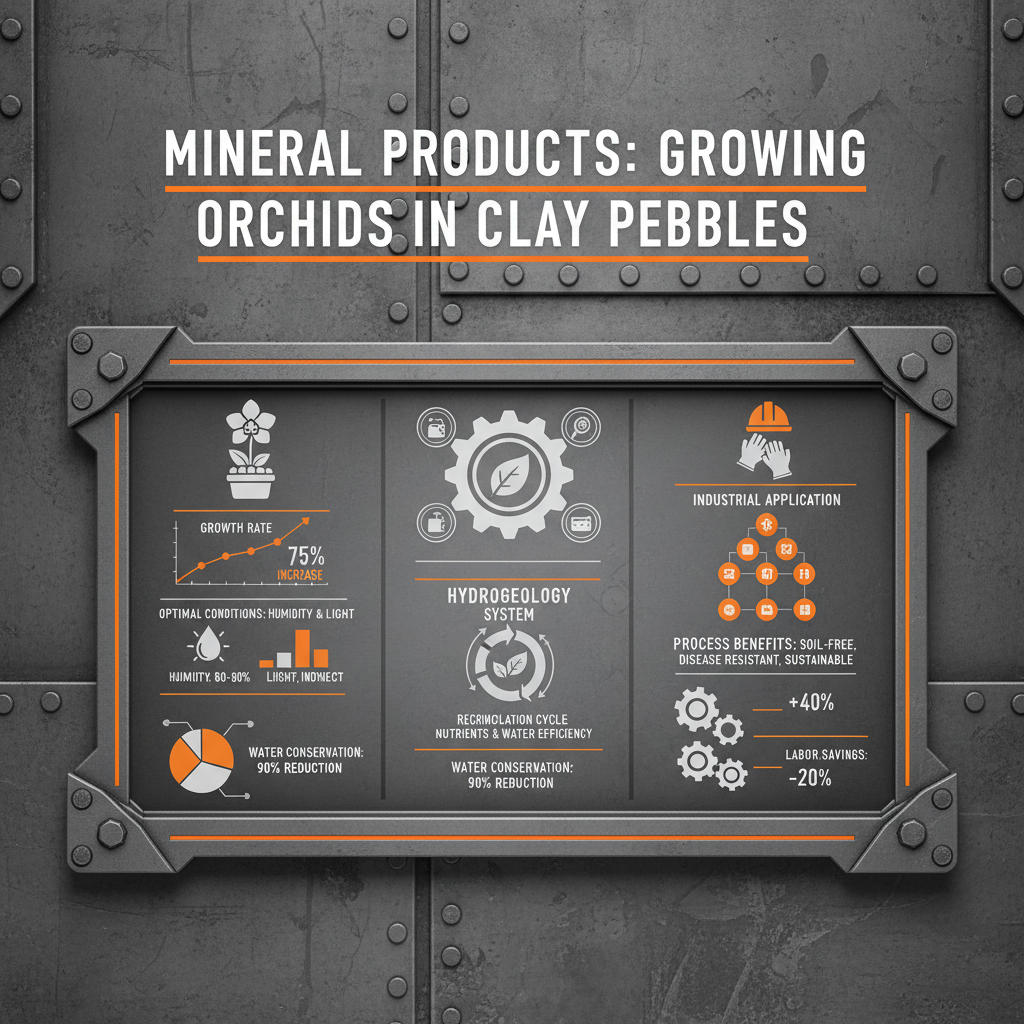
Finding the Right Clay Pebbles and Supplies
Glory Star Export offers high-quality clay pebbles ideal for orchid cultivation. We also provide a range of orchid pots, fertilizers, and accessories to meet all your growing needs. Our clay pebbles are thoroughly washed and graded for optimal drainage and aeration. We offer various sizes and quantities to suit both hobbyist and commercial growers. Ensure you choose a reputable supplier to guarantee the purity and quality of your clay pebbles.
Conclusion: Unlock Your Orchid’s Potential with Clay Pebbles
Growing orchids in clay pebbles is a rewarding and effective method that promotes healthy root development, prevents root rot, and simplifies orchid care. With the right setup and ongoing maintenance, you can enjoy beautiful blooms for years to come. Explore the benefits of this growing medium and enhance your orchid cultivation journey with Glory Star Export's premium clay pebbles!
Frequently Asked Questions (FAQs)
How often should I water my orchid grown in clay pebbles?
Watering frequency depends on your environment and the orchid's needs, but generally, water when the top inch of clay pebbles feels dry to the touch. This is typically every 5-7 days, but it can vary. Avoid letting the pebbles dry out completely, but also prevent them from being constantly saturated. A good rule of thumb is to water thoroughly and allow excess water to drain away completely. Observe your orchid for signs of underwatering (wilting leaves) or overwatering (yellowing leaves) and adjust your watering schedule accordingly.
Can I use tap water to water my orchid in clay pebbles?
While you can use tap water, it's generally recommended to use filtered or rainwater, especially if your tap water is hard or contains high levels of chlorine. These minerals can build up in the clay pebbles over time and potentially harm the orchid’s roots. If you must use tap water, let it sit for 24 hours to allow chlorine to evaporate. Monitoring the pH of your water is also a good practice to ensure it's within the optimal range for orchids (5.5 - 6.5).
How do I sterilize clay pebbles for reuse?
To sterilize clay pebbles for reuse, soak them in a 10% bleach solution (1 part bleach to 9 parts water) for 30 minutes. After soaking, thoroughly rinse the pebbles with clean water until all traces of bleach are gone. Another option is to bake the clay pebbles in the oven at 200°F (93°C) for 30-60 minutes. Allow them to cool completely before using. Sterilizing clay pebbles is crucial to prevent the spread of fungal diseases and pests.
Are all orchid species suitable for growing in clay pebbles?
Most orchid species adapt well to growing in clay pebbles, especially epiphytic orchids like Phalaenopsis, Dendrobium, and Cattleya. However, terrestrial orchids, which prefer a more organic-rich medium, might not thrive as well. It's always best to research the specific needs of your orchid species and adjust your growing conditions accordingly. Clay pebbles are particularly well-suited for orchids that require excellent drainage and aeration.
Post time: Mar-24-2026



.png "About")