

Using Clay Pebbles in House Plants: A Complete Guide
Clay pebbles, also known as LECA (Lightweight Expanded Clay Aggregate), are a popular growing medium for houseplants, offering excellent drainage, aeration, and a clean aesthetic. They're becoming increasingly favored by plant enthusiasts for their versatility and benefits. This article will explore the numerous advantages of using clay pebbles in house plants, how to use them effectively, and address common concerns. Discover why switching to LECA could be the best decision for your beloved greenery.
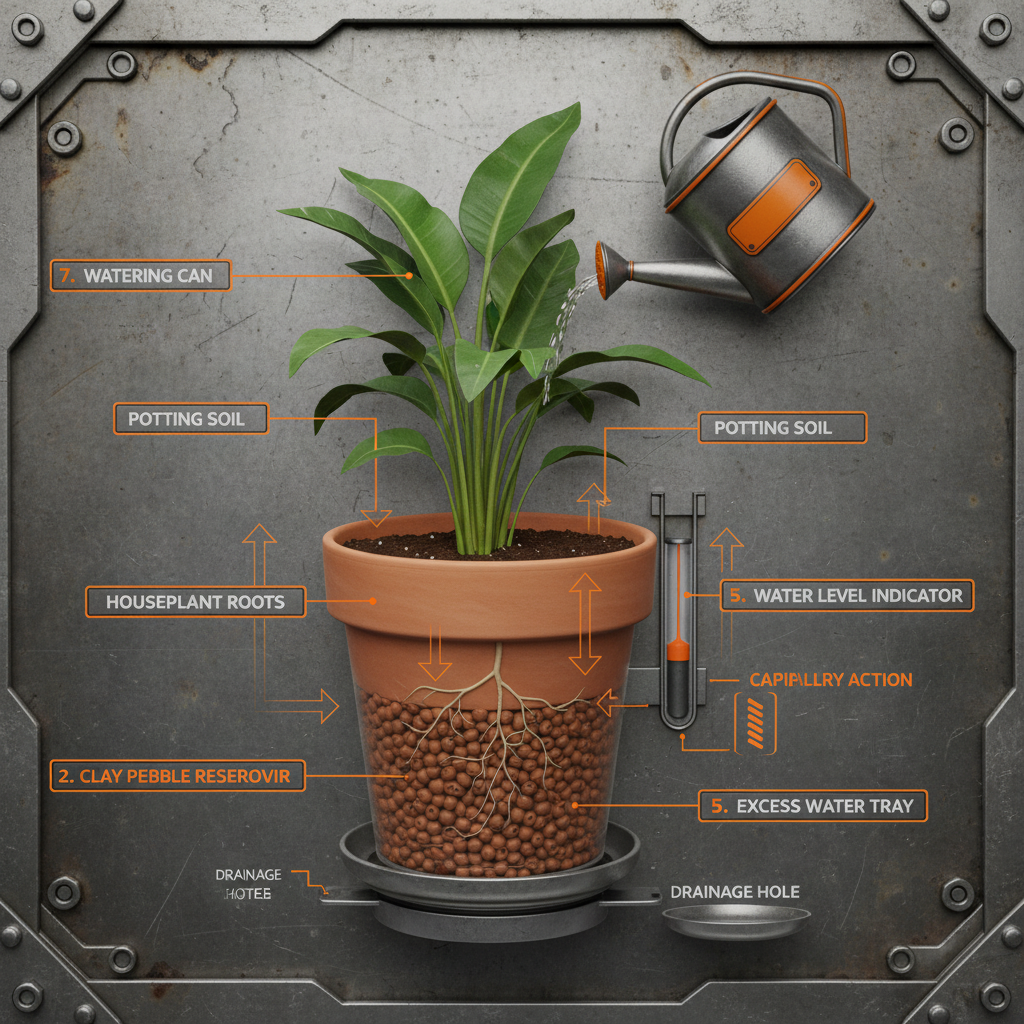
What are Clay Pebbles (LECA)?
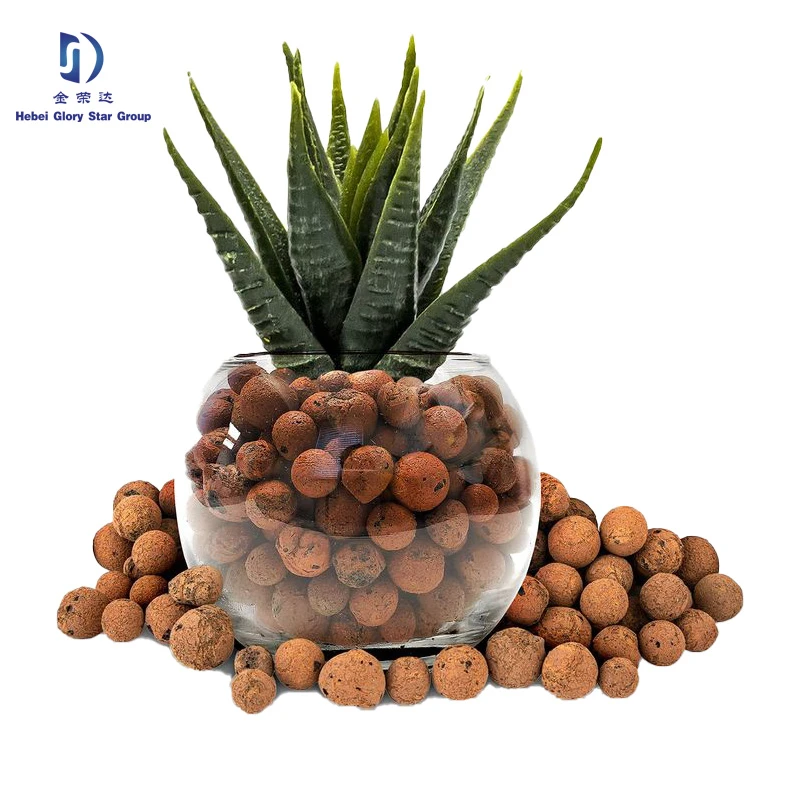
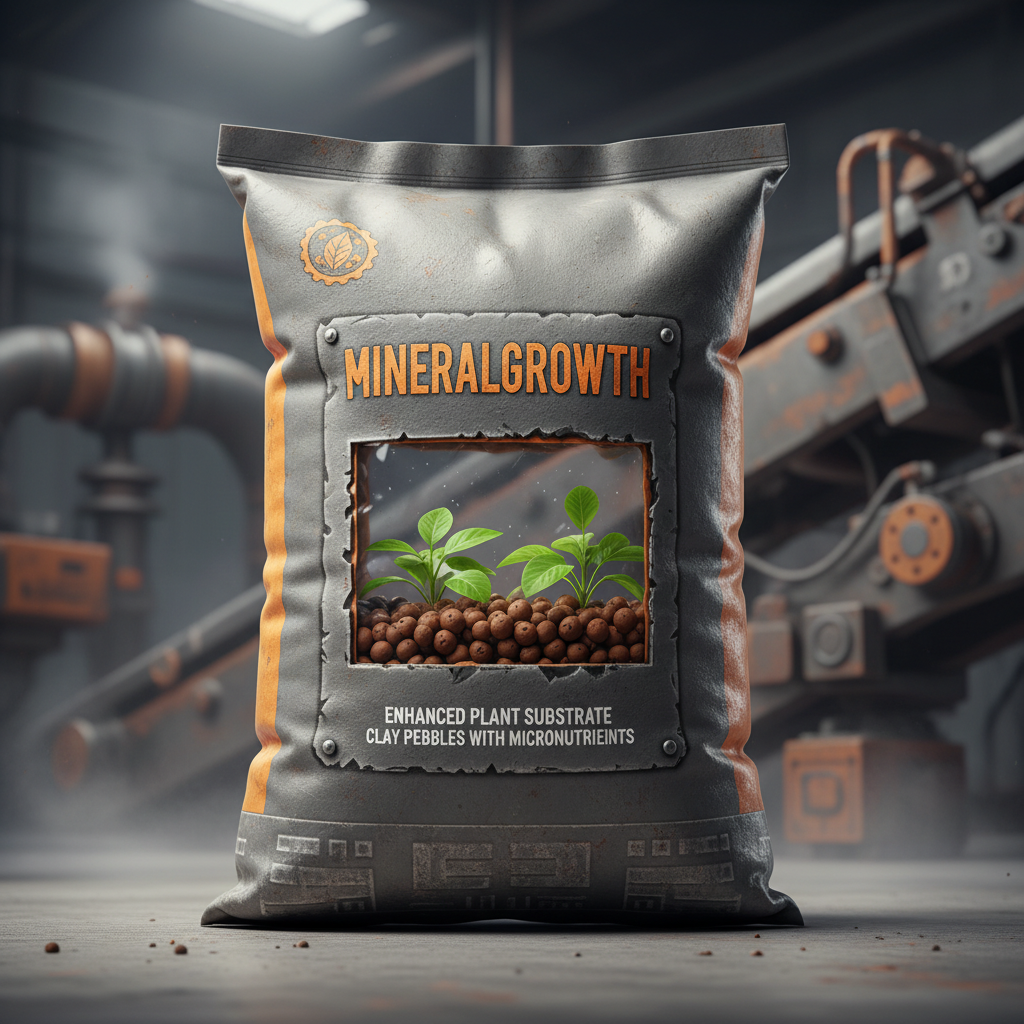
Clay pebbles are made from baked clay that has been expanded into lightweight, porous balls. This process creates a material with a high surface area, allowing for excellent aeration and water drainage. They are inert, meaning they don't contain any nutrients, making them ideal for hydroponic and semi-hydroponic setups. Unlike traditional soil, clay pebbles won't compact, decompose, or harbor pests, contributing to a healthier root system.
Key Highlights: LECA is inert, providing excellent aeration and drainage. It doesn’t compact, decompose, or harbor pests, promoting healthier root growth.
The Benefits of Using Clay Pebbles in House Plants
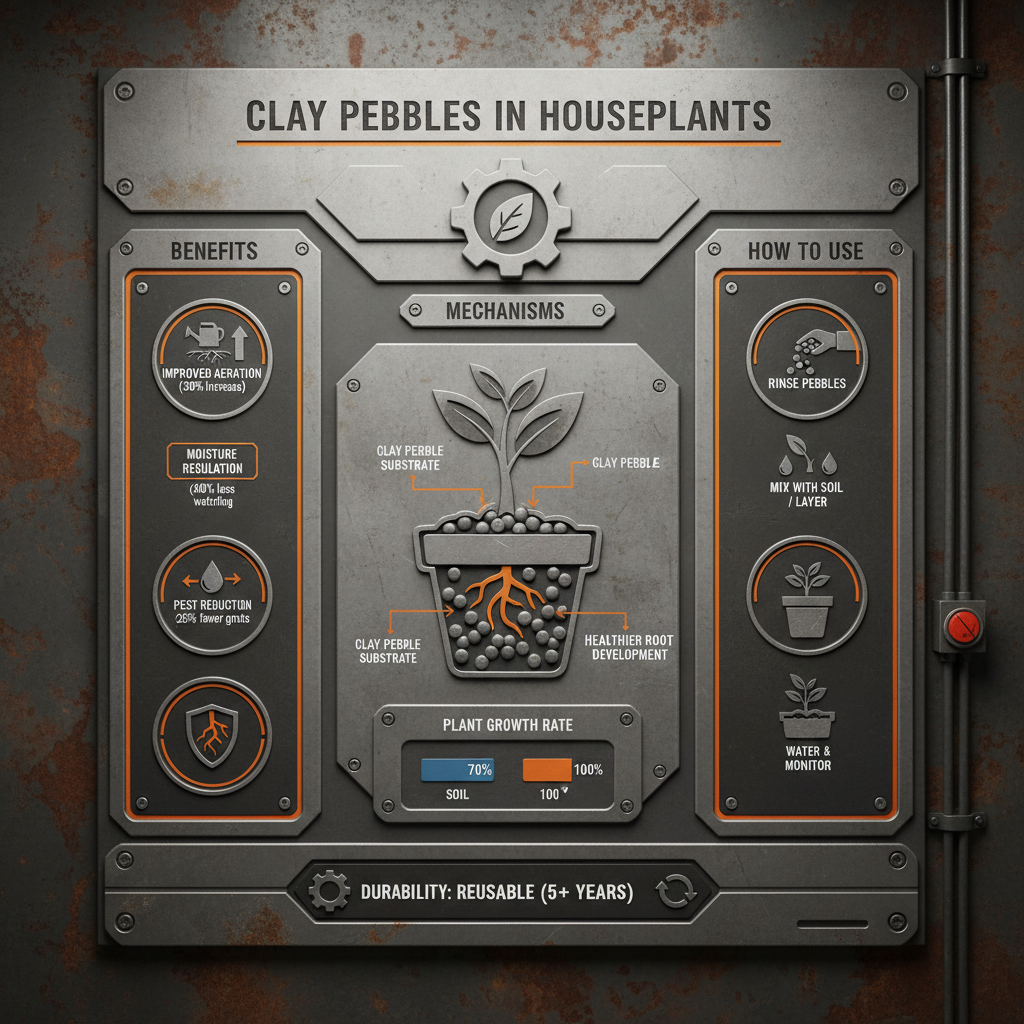
Switching to clay pebbles offers a wealth of benefits for your houseplants. They provide superior drainage, preventing root rot which is a common killer of indoor plants. The airy structure promotes healthy root development, allowing roots to access oxygen more easily. LECA is also a clean and aesthetically pleasing medium, making it ideal for showcasing your plants. It is reusable, saving you money and reducing waste. Moreover, clay pebbles minimize the risk of pest infestations as they don’t provide a breeding ground for common houseplant pests.
Benefits at a Glance:
• Prevents root rot with superior drainage
• Promotes healthy root development
• Clean and aesthetically pleasing
• Reusable and eco-friendly
• Minimizes pest infestations
Clay Pebbles vs. Soil: A Detailed Comparison
While soil has been the traditional growing medium for centuries, clay pebbles offer distinct advantages. Soil can compact over time, reducing aeration and drainage. It also contains organic matter that decomposes, requiring frequent repotting. Clay pebbles, being inert, don't require repotting as often and maintain their structure. The following table provides a detailed comparison:
How to Transition Your Plants to Clay Pebbles
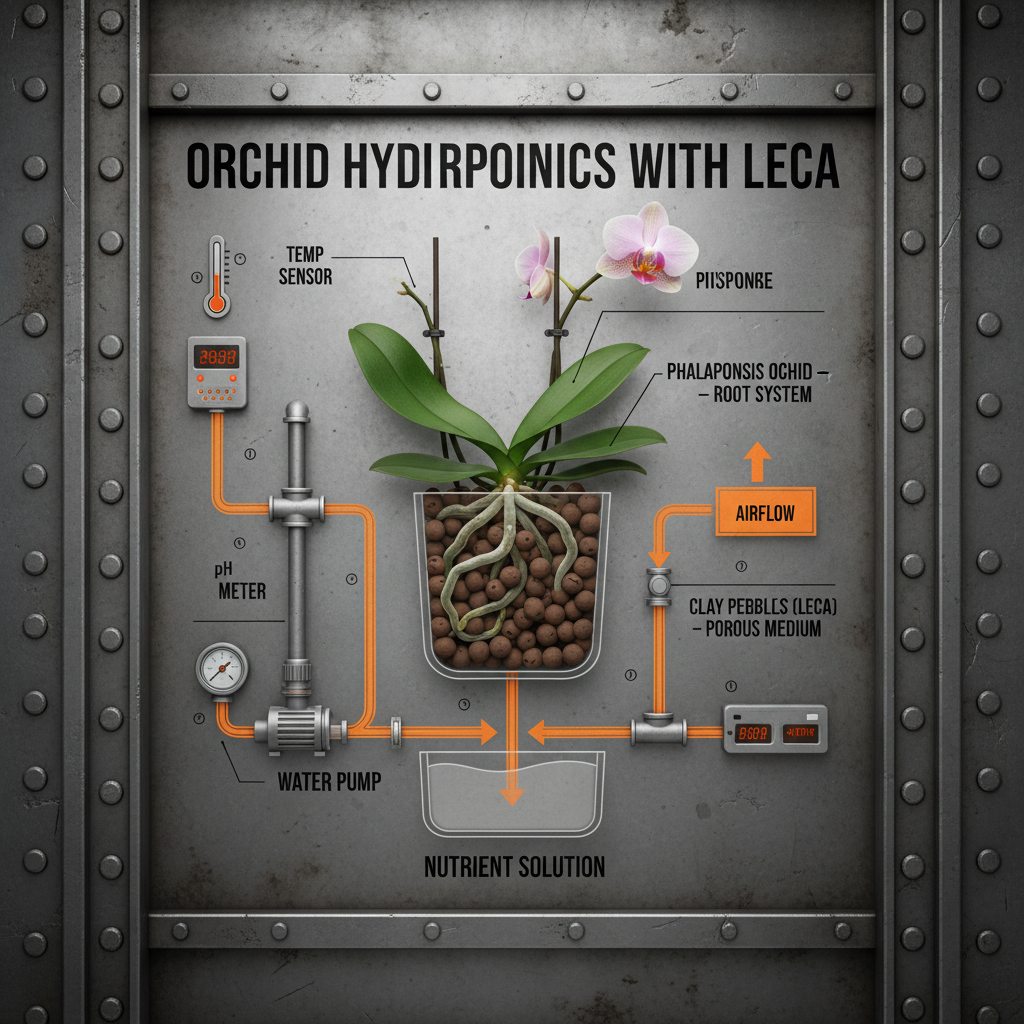
Transitioning to LECA is a straightforward process. Gently remove the plant from its soil, carefully washing away as much soil from the roots as possible. Soak the roots in water for a few minutes to loosen any remaining soil. Place the plant in a pot with clay pebbles, ensuring the roots are surrounded and supported. Start with a nutrient solution designed for hydroponics, as clay pebbles don't provide nutrients themselves. Monitor your plant closely during the transition, adjusting the nutrient solution as needed.
Sourcing High-Quality Clay Pebbles from Glorystar Export
Choosing the right supplier is crucial for obtaining high-quality clay pebbles. Glorystar Export offers a reliable source of LECA clay pebbles, ensuring consistent quality and sizing. Our clay pebbles are thoroughly cleaned and graded to provide optimal performance for your plants. We offer various packaging options to suit your needs, whether you're a hobbyist or a commercial grower.
Conclusion: Embrace the Benefits of LECA
Switching to clay pebbles is a fantastic way to improve the health and vibrancy of your houseplants. The benefits of enhanced drainage, aeration, and pest resistance are undeniable. With a little preparation and the right materials, you can enjoy thriving plants for years to come.
Frequently Asked Questions (FAQs)
Will clay pebbles retain water?
While clay pebbles don’t retain water like soil, they do hold a small amount of moisture in their porous structure. This provides a constant, accessible water supply to the roots. The key is to avoid overwatering. The ideal watering strategy involves watering when the pebbles are nearly dry to the touch. Proper drainage is crucial, so ensure your pot has adequate drainage holes.
Do I still need to fertilize plants grown in clay pebbles?
Yes, absolutely. Clay pebbles are inert and provide no nutritional value. You'll need to provide nutrients through a balanced hydroponic nutrient solution. Follow the instructions on the nutrient solution carefully to avoid over-fertilizing. Regularly monitor your plants for signs of nutrient deficiencies, such as yellowing leaves, and adjust the nutrient solution accordingly.
How often should I clean clay pebbles?
Clay pebbles can accumulate mineral deposits and algae over time. It's recommended to clean them at least once a year, or more frequently if needed. Rinse the pebbles thoroughly with water, and you can use a mild solution of hydrogen peroxide to remove any stubborn algae. Ensure they are completely dry before reusing them.
What types of plants thrive in clay pebbles?
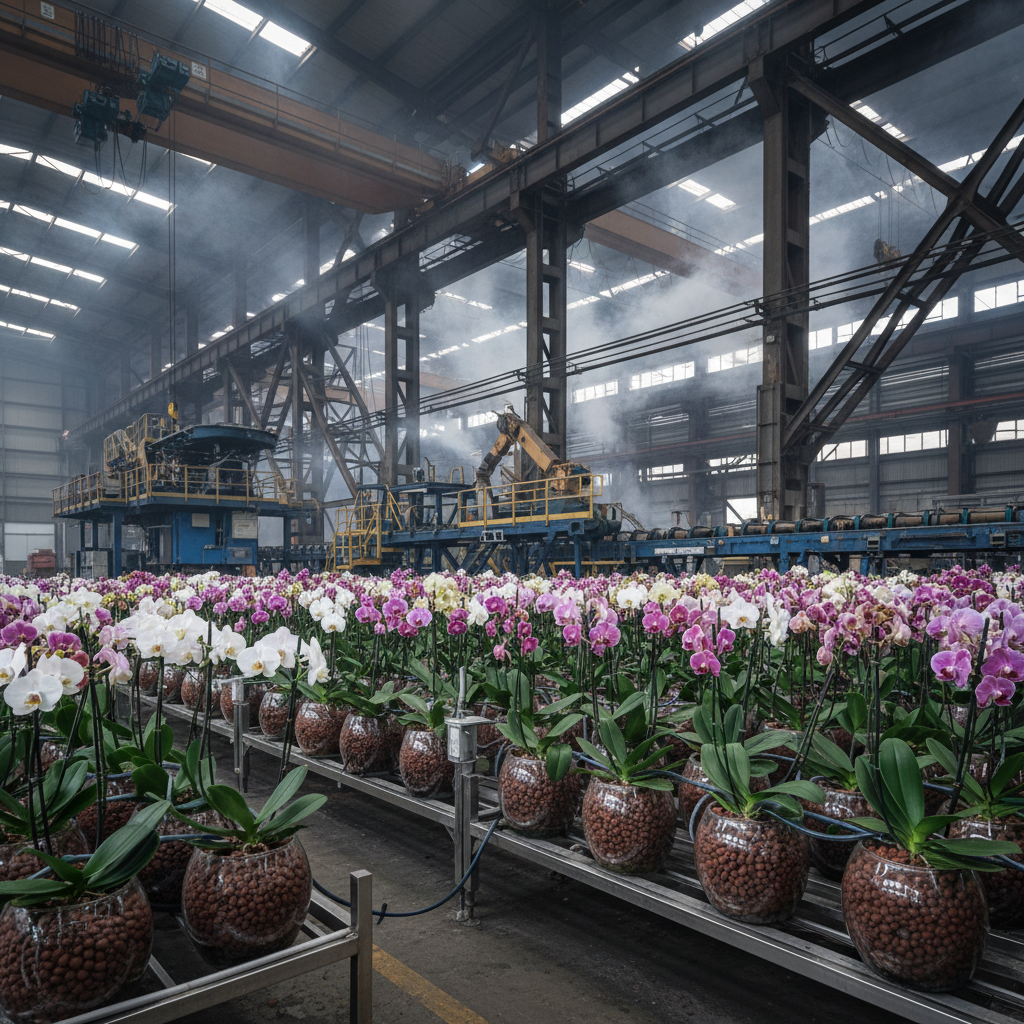
Many houseplants thrive in clay pebbles, particularly those that prefer well-draining conditions. Popular choices include Monsteras, Philodendrons, Peace Lilies, and Orchids. Avoid using clay pebbles for plants that require consistently moist soil, such as ferns, unless you can carefully manage the watering schedule.
Post time: Mar-19-2026


.png "About")