

Using Clay Pebbles for Orchids: A Comprehensive Guide
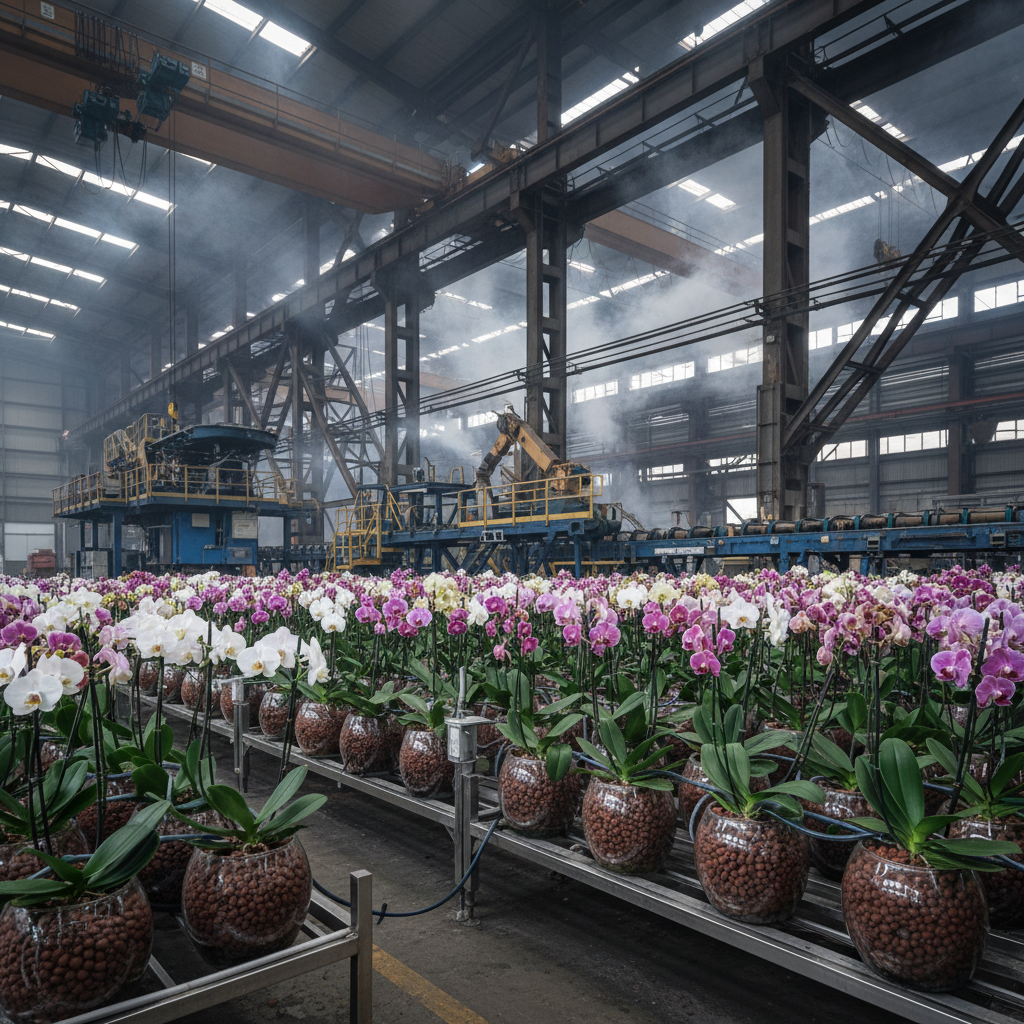
Orchids are renowned for their beauty and elegance, but they can be notoriously tricky to care for. One key to successful orchid cultivation lies in the growing medium. While traditional potting soil isn't suitable for these epiphytes, clay pebbles (also known as LECA - Lightweight Expanded Clay Aggregate) offer an excellent alternative. This article will delve into the benefits of using clay pebbles for orchids, providing a complete guide to help you nurture thriving, healthy plants. From improved drainage to enhanced aeration, we'll cover everything you need to know to master this popular growing technique.
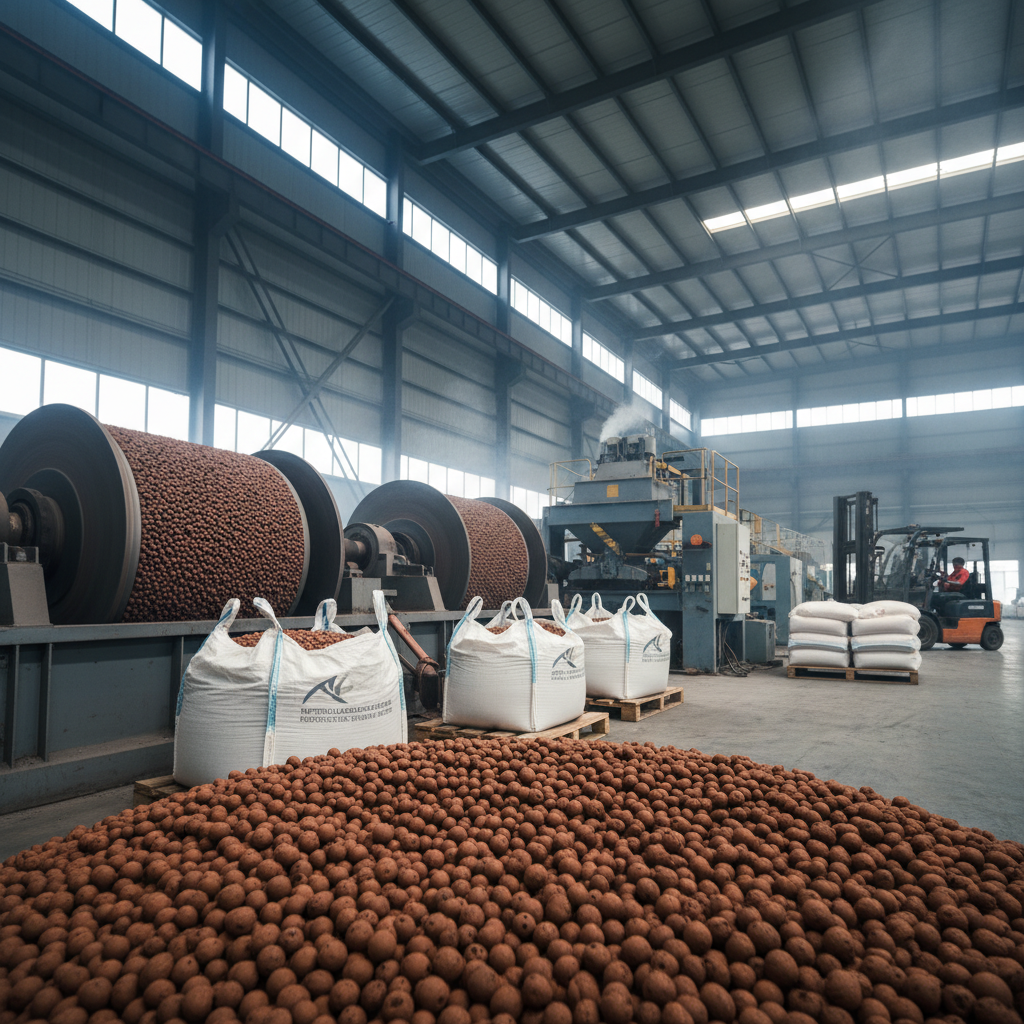
Why Choose Clay Pebbles for Your Orchids?
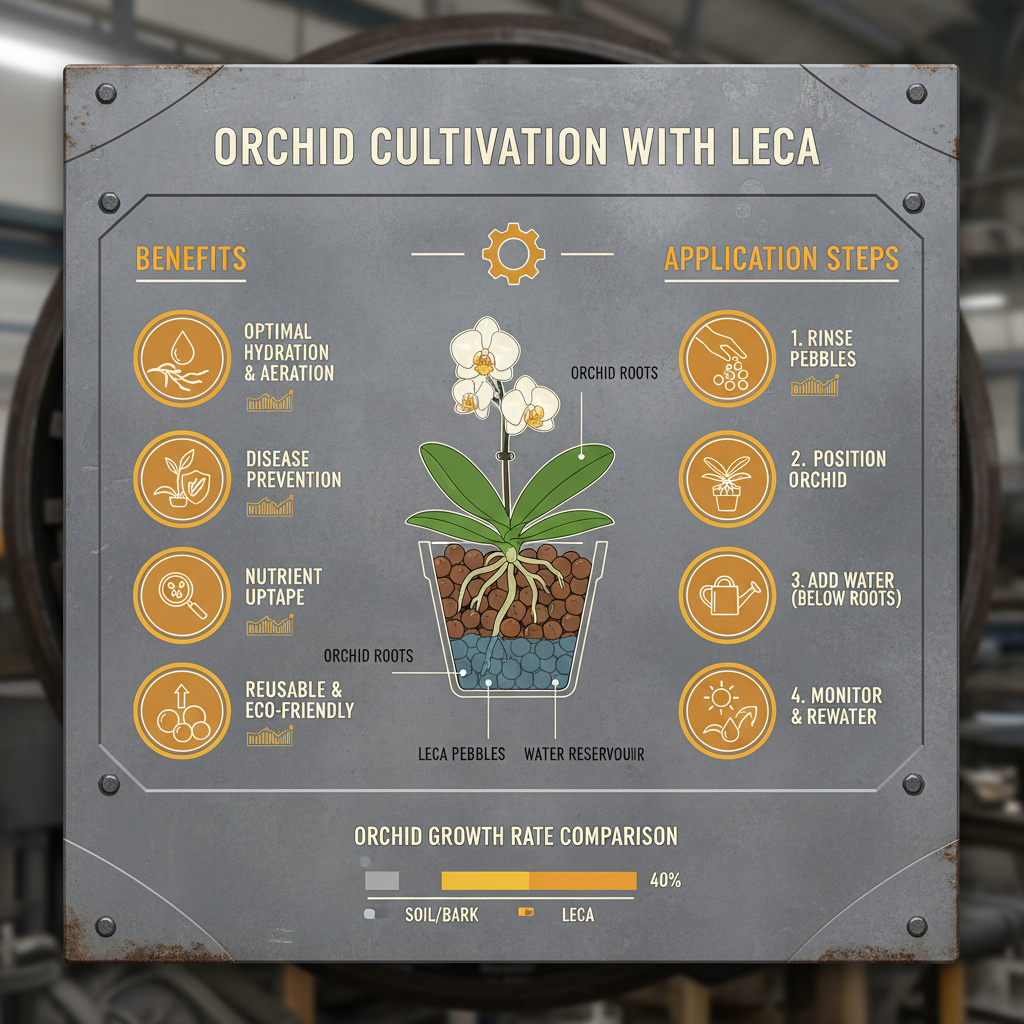
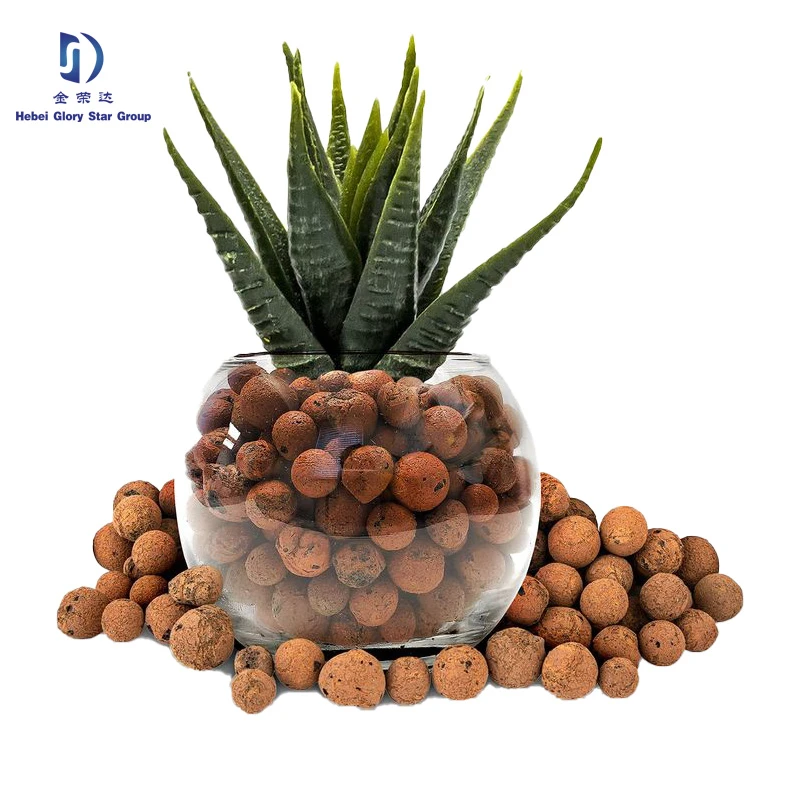
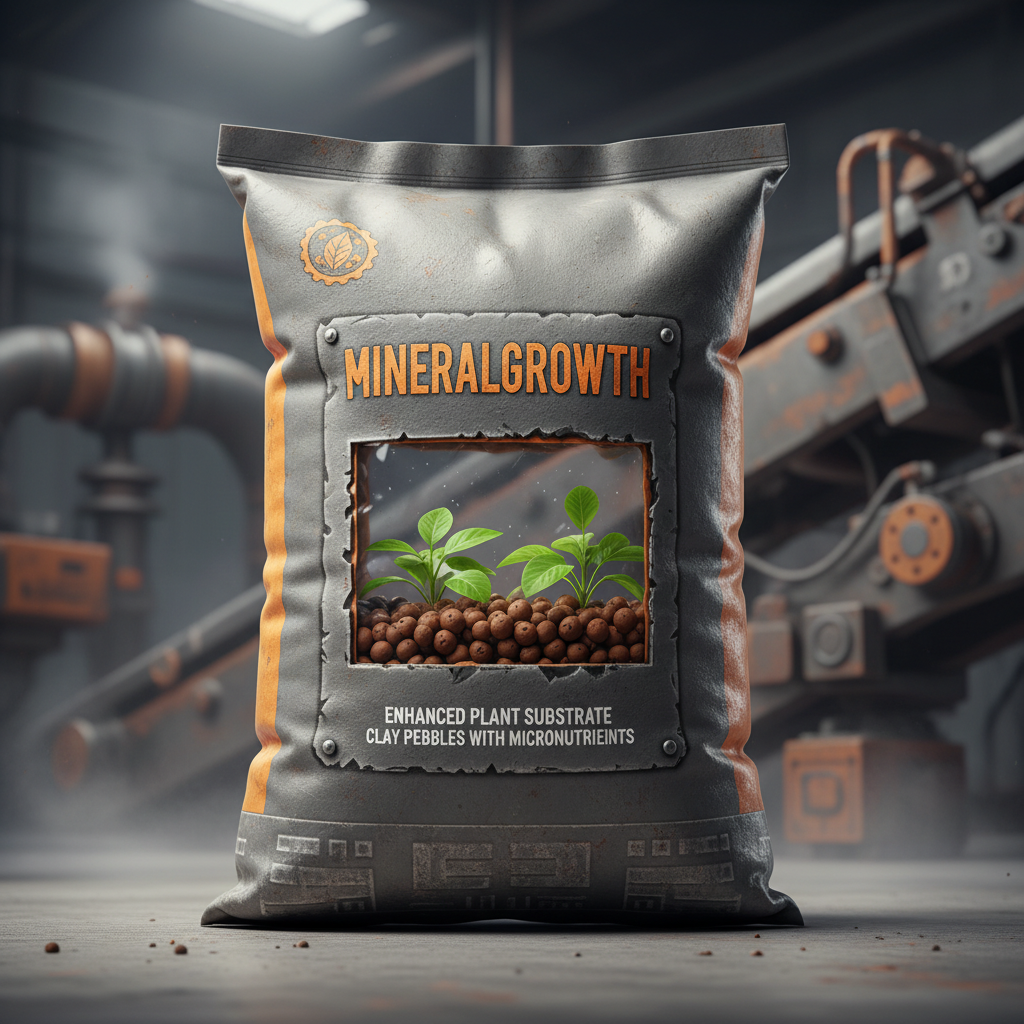
Clay pebbles are a fantastic choice for orchid cultivation due to their unique properties. They are inert, meaning they don’t decompose or release nutrients, giving you complete control over fertilization. More importantly, their porous structure provides exceptional aeration and drainage – crucial for preventing root rot, a common orchid killer. Unlike bark mixes which break down over time, clay pebbles are reusable and long-lasting. This makes them an environmentally friendly and cost-effective option in the long run. Glorystar Export provides high-quality clay pebbles specifically designed for horticultural use.
Key Benefits: Excellent aeration, superior drainage, inert and pH neutral, reusable, long-lasting, and environmentally friendly.
Understanding LECA and Its Properties
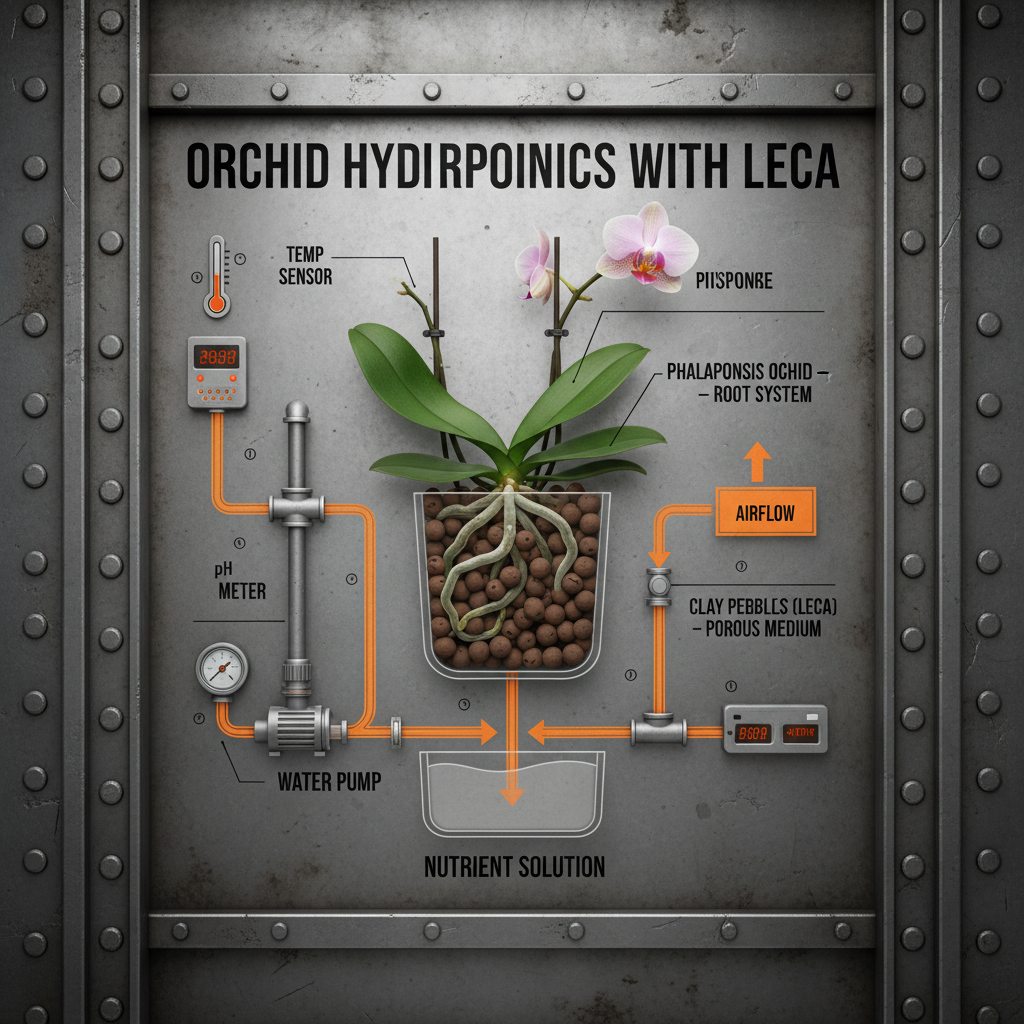
LECA, or Lightweight Expanded Clay Aggregate, is manufactured by heating clay to extremely high temperatures, causing it to expand into lightweight, porous granules. These granules have a large surface area, which allows for optimal root attachment and airflow. The neutral pH of clay pebbles won’t affect the nutrient balance in your orchid’s fertilizer solution. They are also incredibly durable and can withstand repeated use without breaking down, unlike many organic potting materials. Choosing the right size and quality of LECA is essential for healthy orchid growth.
LECA Properties:
• Lightweight and porous
• Inert and pH neutral
• Durable and reusable
• Excellent aeration and drainage
Clay Pebbles vs. Other Orchid Growing Media
Orchid growers have several options when it comes to growing media. Here's a comparison of clay pebbles (LECA) to other common choices, such as bark and moss. Clay pebbles consistently outperform in drainage and aeration, reducing the risk of root rot. While bark is readily available, it decomposes over time, requiring more frequent repotting. Moss retains more water, which can be detrimental if not carefully managed. Choosing the right medium is paramount to orchid health.
How to Plant Orchids in Clay Pebbles
The process of planting orchids in clay pebbles is straightforward. First, thoroughly rinse the clay pebbles to remove any dust or debris. Next, place a layer of pebbles in the bottom of your pot for drainage. Gently remove the orchid from its existing pot, carefully teasing apart the roots. Position the orchid in the pot and fill around the roots with more clay pebbles, ensuring they are securely supported. Avoid packing the pebbles too tightly, allowing for air circulation. Finally, water thoroughly to settle the pebbles.
Clay Pebble Product Specifications from Glorystar Export
We at Glorystar Export pride ourselves on delivering high-quality clay pebbles ideal for orchid cultivation. Here's a breakdown of our product specifications:
Conclusion: Embrace the Benefits of Clay Pebbles for Thriving Orchids
Using clay pebbles for orchids provides a superior growing experience, promoting healthy root development, excellent drainage, and long-term sustainability. By choosing Glorystar Export, you are investing in high-quality LECA that will help your orchids flourish. Take the leap and experience the difference!
Frequently Asked Questions (FAQs)
How often should I water orchids grown in clay pebbles?
Watering frequency depends on your environment, but orchids in clay pebbles generally require more frequent watering than those in bark. Check the moisture level by lifting the pot – if it feels light, it's time to water. Water thoroughly until water drains from the bottom, but avoid letting the pebbles sit in standing water. A good rule of thumb is to water when the top layer of pebbles feels dry to the touch. The excellent drainage of clay pebbles prevents root rot, but consistent monitoring is still essential.
Can I use fertilizer with orchids grown in clay pebbles?
Yes, absolutely! Because clay pebbles are inert, you must use a balanced orchid fertilizer to provide the necessary nutrients. Use a fertilizer specifically formulated for orchids and follow the instructions on the packaging. Liquid fertilizers are often preferred, as they are easily absorbed by the roots. Flush the pebbles periodically with plain water to prevent salt buildup from the fertilizer.
How do I clean and reuse clay pebbles?
Clay pebbles can be reused multiple times. Before reusing, thoroughly clean them to remove any accumulated salts or debris. Rinse them vigorously with water, and you can even soak them in a diluted bleach solution (1 part bleach to 10 parts water) for a few hours to disinfect them. Rinse thoroughly again before using. Inspect the pebbles for any signs of damage or breakdown, and discard any that are crumbling.
Are clay pebbles suitable for all types of orchids?
Clay pebbles are well-suited for most epiphytic orchids, including Phalaenopsis (moth orchids), Dendrobium, and Cattleya. However, some orchids with specialized root systems may prefer other growing media. Research the specific needs of your orchid species to ensure clay pebbles are the best choice. Generally, if your orchid prefers good drainage and aeration, clay pebbles will be a beneficial growing medium.
Post time: Mar-17-2026



.png "About")