

News
-
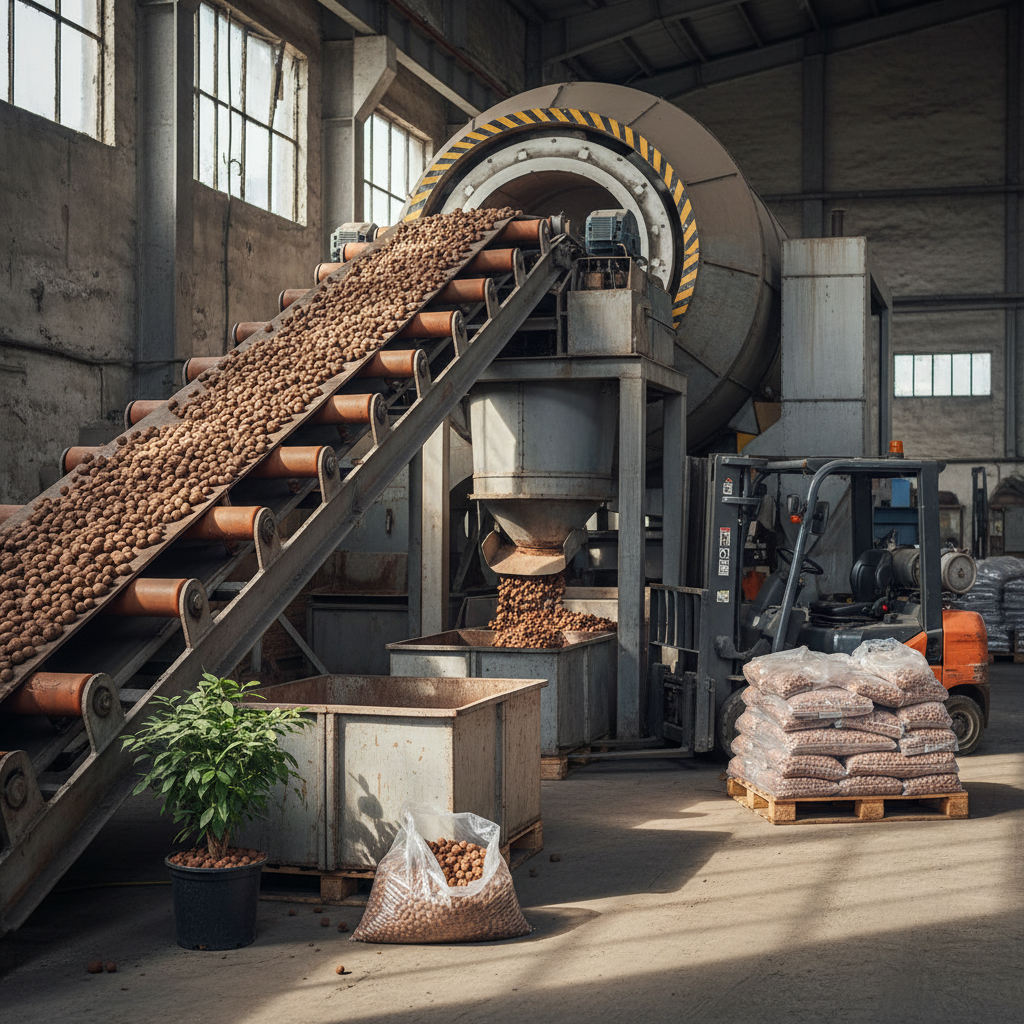 Are you looking for a superior growing medium that promotes healthy root development and excellent drainage for your plants? Clay pebbles for plant pots, also known as LECA (Lightweight Expanded Clay Aggregate), are an excellent choice. This article will cover everything you need to know about clay pebbles, from their benefits and uses to how to choose the right type and where to source them. We’ll also explore why they are becoming increasingly popular among both novice and experienced gardeners. Clay pebbles are a porous, inert growing medium made from baked clay. Their unique structure provides excellent aeration and drainage, essential for healthy root growth. Unlike soil, clay pebbles don’t break down over time, making them a reusable and sustainable option. They are ideal for hydroponic systems, semi-hydroponic setups, and as a drainage layer in traditional plant pots. Glory Star Export offers high-quality clay pebbles suited for a variety of plant types and growing methods. Key Highlights: Excellent aeration, superior drainage, reusable and sustainable, inert and pH neutral, ideal for hydroponics and semi-hydroponics.Read more
 -
Creating a thriving aquatic environment requires careful consideration of all components, and the substrate is a critical element. Clay pebbles for fish tank, also known as LECA (Lightweight Expanded Clay Aggregate), are a popular choice among aquarists. This guide provides a thorough overview of clay pebbles, their benefits, uses, and how to choose the right ones for your aquarium. We’ll delve into why they're a preferred substrate for many and how they contribute to a healthy, balanced ecosystem. Clay pebbles are made from natural clay that’s heated to extremely high temperatures, causing it to expand into lightweight, porous balls. This process creates a substrate with excellent aeration and drainage properties. These pebbles are inert, meaning they don’t affect water chemistry, making them suitable for a wide range of aquatic life. They provide a surface for beneficial bacteria to colonize, which is essential for biological filtration. Unlike soil or gravel, clay pebbles don't break down or release harmful substances into the water.Read more
-
Achieving optimal drainage is crucial for the health and vitality of plants, especially in container gardening and hydroponic systems. Clay pebbles for drainage, also known as LECA (Lightweight Expanded Clay Aggregate), offer a superior solution compared to traditional methods. This article provides an in-depth look at the benefits, applications, and best practices for using clay pebbles to improve drainage and promote thriving plant growth. From understanding their composition to choosing the right size, we'll cover everything you need to know to leverage these versatile drainage materials. Clay pebbles are manufactured by heating natural clay to extremely high temperatures, resulting in a lightweight, porous material. This process creates countless tiny air pockets within each pebble, making them incredibly effective at improving aeration and drainage. Unlike soil, clay pebbles do not decompose, meaning they provide a long-lasting drainage solution.Read more
-
Growing cacti successfully requires more than just sunlight and minimal watering. The right growing medium is crucial, and clay pebbles for cactus are becoming increasingly popular among cactus enthusiasts. These lightweight, porous pebbles provide excellent drainage, aeration, and support, leading to healthier, more vibrant cacti. This article explores the benefits of using clay pebbles, how to use them effectively, and why Glorystar Export is a trusted source for high-quality clay pebbles. Clay pebbles, also known as LECA (Lightweight Expanded Clay Aggregate), are made from natural clay that is heated to extremely high temperatures. This process creates a lightweight, porous material with excellent water retention and drainage properties. For cacti, which are highly susceptible to root rot, these properties are invaluable. Unlike traditional soil, clay pebbles don’t compact, ensuring consistent airflow around the roots.Read more
-
Growing aloe vera is rewarding, but achieving optimal health and growth requires the right potting medium. While soil can be used, many aloe vera enthusiasts are turning to clay pebbles for aloe vera. These lightweight, porous aggregates offer superior drainage, aeration, and a pH-neutral environment that aloe vera thrives in. This article delves into the benefits of using clay pebbles, how to use them effectively, and why they’re a game-changer for aloe vera cultivation. Learn how to provide the ideal environment for your aloe vera to flourish and maximize its health benefits. Aloe vera is a succulent, meaning it’s adapted to arid environments and susceptible to root rot if overwatered. Traditional potting soil often retains too much moisture, creating a breeding ground for fungal diseases. Clay pebbles, also known as LECA (Lightweight Expanded Clay Aggregate), provide excellent drainage, preventing waterlogging and promoting healthy root development. Their porous structure also allows for good aeration, ensuring the roots receive the oxygen they need. Additionally, clay pebbles are pH neutral, which is ideal for aloe vera’s preferred slightly acidic to neutral pH range. The use of clay pebbles also minimizes the need for frequent repotting as they don’t decompose like organic matter.Read more
-
Looking for the perfect growing medium to enhance your houseplants’ health and vibrancy? Clay pebbles for houseplants, also known as LECA (Lightweight Expanded Clay Aggregate), are a fantastic choice. They offer excellent drainage, aeration, and are reusable, making them an eco-friendly and cost-effective solution. This article will delve into the benefits, uses, and how to use clay pebbles to create a thriving indoor garden. We’ll explore why these inert granules are becoming increasingly popular among plant enthusiasts. Clay pebbles are made from baked clay, resulting in a lightweight, porous material. Their irregular shape and numerous air pockets provide excellent aeration for plant roots, preventing root rot – a common problem with traditional soil-based growing mediums. Unlike soil, clay pebbles are inert, meaning they don’t contain any nutrients. This allows you to have complete control over the nutrient solution you provide to your plants. They are also pH neutral, won’t compact over time, and are incredibly durable.Read more
-
Organic expanded clay pebbles (LECA) are a versatile growing medium increasingly popular in hydroponics, aquaponics, and traditional gardening. They offer excellent aeration, drainage, and are lightweight, making them ideal for a variety of applications. This article will delve into the benefits, uses, and considerations when utilizing expanded clay pebbles, providing valuable insights for both novice and experienced growers. Choosing the right growing medium can dramatically impact plant health and yield. Expanded clay pebbles, often referred to as LECA (Lightweight Expanded Clay Aggregate), are made by heating natural clay to extremely high temperatures. This process causes the clay to expand, creating a porous, lightweight material. The resulting pebbles are inert, pH neutral, and don't decompose, offering a long-lasting and reusable growing medium. They are prized for their exceptional drainage and aeration properties, preventing root rot and promoting healthy root development.Read more
-
Growing orchids can be a wonderfully rewarding hobby, but achieving optimal results requires understanding their specific needs. A popular and effective method for cultivating these beautiful plants is using clay pebbles, also known as LECA (Lightweight Expanded Clay Aggregate). This guide delves into the benefits of using orchids in clay pebbles, covering everything from setup and care to troubleshooting common issues. We'll explore why this medium is a preferred choice for many orchid enthusiasts, offering improved aeration and drainage, crucial factors for healthy root development. Clay pebbles are a manufactured growing medium made from heated clay. This process creates lightweight, porous balls that are excellent for providing aeration and drainage. Unlike traditional potting soil, clay pebbles don’t retain water, preventing root rot, a common problem with orchids.Read more
-
Calcium bicarbonate, also known as calcium hydrogen carbonate, is a versatile chemical compound with a wide array of applications across various industries. From water treatment and agriculture to food processing and pharmaceuticals, its unique properties make it a valuable asset. This article delves into the diverse uses of calcium bicarbonate, exploring its benefits, applications, and considerations for effective implementation. Understanding its chemical properties and how it interacts with other substances is key to leveraging its full potential. We will explore the different grades available and how to choose the right one for your specific needs. Calcium bicarbonate (Ca(HCO₃)₂) is a white, crystalline solid that dissolves readily in water. It’s formed when carbon dioxide (CO₂) dissolves in water containing calcium ions (Ca²⁺). The key property is its alkalinity; it readily neutralizes acids. This is particularly important in water treatment where it helps to raise the pH level. Furthermore, it decomposes upon heating, releasing carbon dioxide, water, and calcium carbonate. This decomposition reaction is fundamental to several of its industrial applications.Read more
-
Calcium carbonate (CaCO3) is a ubiquitous and versatile mineral with a wide range of applications across numerous industries. From its natural occurrence as limestone and chalk to its manufactured forms, calcium carbonate plays a critical role in everything from construction and agriculture to pharmaceuticals and food production. This article will delve into the various calcium carbonate functions, its diverse applications, and the importance of selecting the right grade for specific needs. Understanding these aspects is crucial for businesses sourcing this essential material. At its core, one of the primary calcium carbonate functions is its ability to act as a base, neutralizing acids. This property makes it invaluable in applications like soil conditioning, where it raises the pH of acidic soils, creating a more favorable environment for plant growth.Read more
-
Calcium carbonate (CaCO₃) is one of the most widely used industrial minerals globally, serving a vast array of applications from construction materials to pharmaceuticals. Understanding the calcium carbonate process, including its various production methods, is crucial for businesses involved in its supply chain. This article delves into the different methods used to produce calcium carbonate, its applications, quality control, and considerations for sourcing. We'll also explore the factors influencing the selection of the most suitable process based on desired product characteristics and end-use requirements. There are three primary methods for producing calcium carbonate: mining (Ground Calcium Carbonate - GCC), precipitation (Precipitated Calcium Carbonate - PCC), and a less common method involving carbonation of calcium hydroxide. Each process yields a distinct product with varying particle size, purity, and morphology. GCC is obtained by crushing, grinding, and classifying naturally occurring limestone or chalk. PCC, on the other hand, is manufactured through a controlled chemical reaction. The choice between GCC and PCC depends heavily on the specific application and performance requirements.Read more
-
Creating the perfect growing medium is crucial for healthy plant development. A popular and effective technique involves mixing clay pebbles with soil. This combination offers excellent drainage, aeration, and root support. This article will explore the benefits of this method, provide guidance on the ideal ratios, and outline best practices for successful implementation. Understanding how to effectively blend these components can dramatically improve your gardening results and promote thriving plants. Combining clay pebbles (also known as LECA – Lightweight Expanded Clay Aggregate) with soil addresses several common gardening challenges. Soil, while nutrient-rich, can become compacted, hindering root growth and reducing aeration. Clay pebbles, on the other hand, are porous and create air pockets, improving drainage and preventing root rot. This blend also helps retain moisture without becoming waterlogged, providing a balanced environment for root development.Read more
.png "About")