

Mixing Clay Pebbles with Soil: A Guide to Optimal Plant Growth
Creating the perfect growing medium is crucial for healthy plant development. A popular and effective technique involves mixing clay pebbles with soil. This combination offers excellent drainage, aeration, and root support. This article will explore the benefits of this method, provide guidance on the ideal ratios, and outline best practices for successful implementation. Understanding how to effectively blend these components can dramatically improve your gardening results and promote thriving plants.
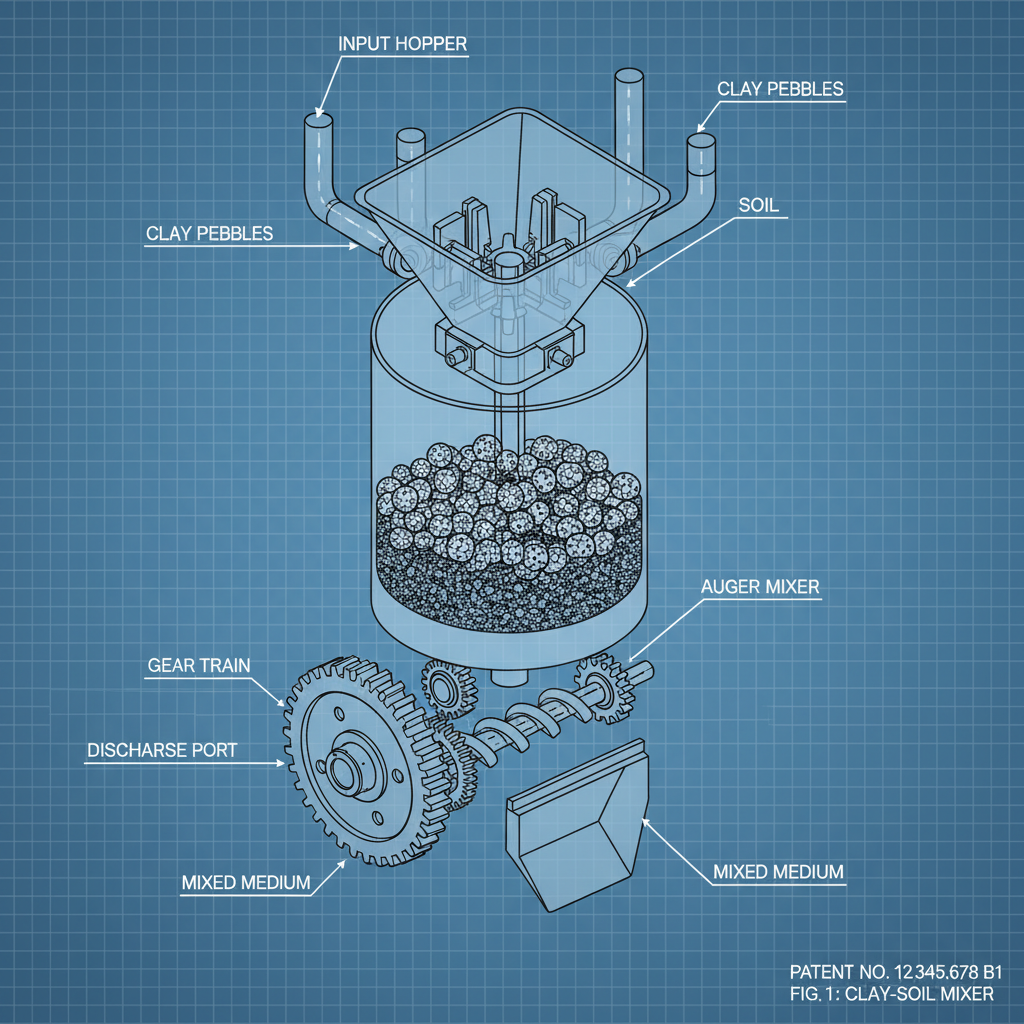
Why Mix Clay Pebbles with Soil?
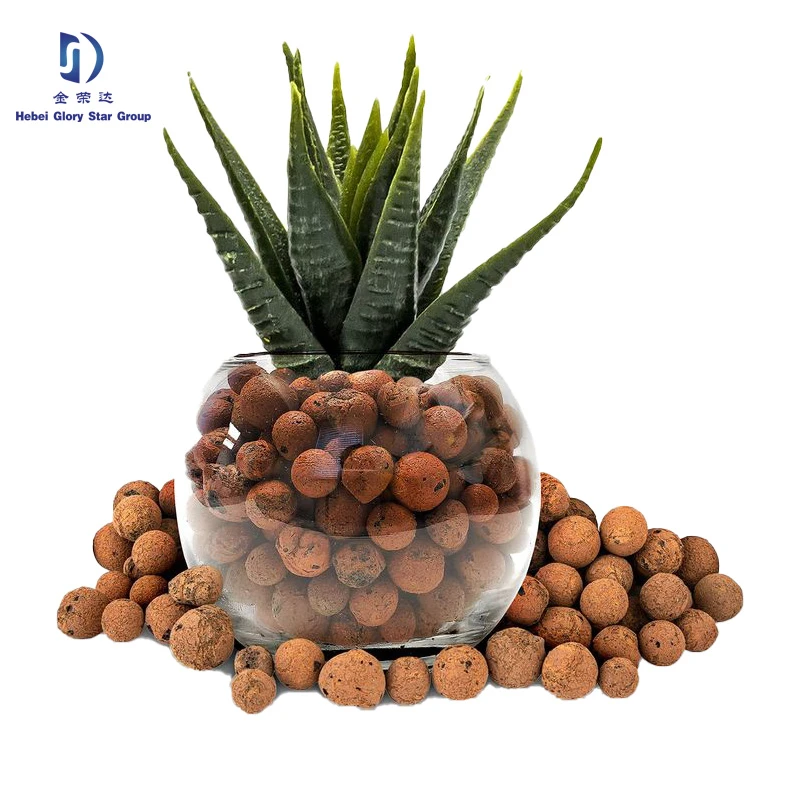
Combining clay pebbles (also known as LECA – Lightweight Expanded Clay Aggregate) with soil addresses several common gardening challenges. Soil, while nutrient-rich, can become compacted, hindering root growth and reducing aeration. Clay pebbles, on the other hand, are porous and create air pockets, improving drainage and preventing root rot. This blend also helps retain moisture without becoming waterlogged, providing a balanced environment for root development. The addition of clay pebbles also makes the soil lighter, which is especially helpful for container gardening or plants with delicate root systems. Glorystarexport.com offers a wide range of high-quality clay pebbles suitable for this purpose.
Key Benefits: Improved drainage, enhanced aeration, lightweight growing medium, prevents root rot, and optimal moisture retention.
Ideal Ratios for Mixing Clay Pebbles with Soil
The optimal ratio of clay pebbles to soil depends on the plant type and growing conditions. Generally, a ratio of 1:1 or 2:1 (clay pebbles:soil) works well for many plants. However, succulents and cacti, which prefer very well-drained soil, may benefit from a higher proportion of clay pebbles (e.g., 3:1). For plants that require more moisture, a lower ratio (e.g., 1:2) is more appropriate. Experimentation is key, but starting with a 1:1 ratio and adjusting based on plant response is a good approach.
Ratio Recommendations:
• Succulents & Cacti: 3:1 (Clay Pebbles:Soil)
• General Purpose: 1:1 (Clay Pebbles:Soil)
• Moisture-Loving Plants: 1:2 (Clay Pebbles:Soil)
Comparing Soil Types and Clay Pebble Mixes
Different soil types react differently when mixed with clay pebbles. Heavy clay soils benefit most from the aeration provided by the pebbles, while sandy soils benefit from the increased water retention. It's important to consider the initial characteristics of your soil and adjust the clay pebble ratio accordingly. Using a good quality potting mix as your base soil will yield the best results.
Best Practices for Mixing and Using Clay Pebbles
Proper preparation is essential for successful mixing. Before combining, rinse the clay pebbles thoroughly to remove any dust or debris. This prevents potential pH imbalances in your soil. Gently mix the clay pebbles and soil in a clean container, ensuring an even distribution. When planting, create a layer of clay pebbles at the bottom of the container for added drainage.
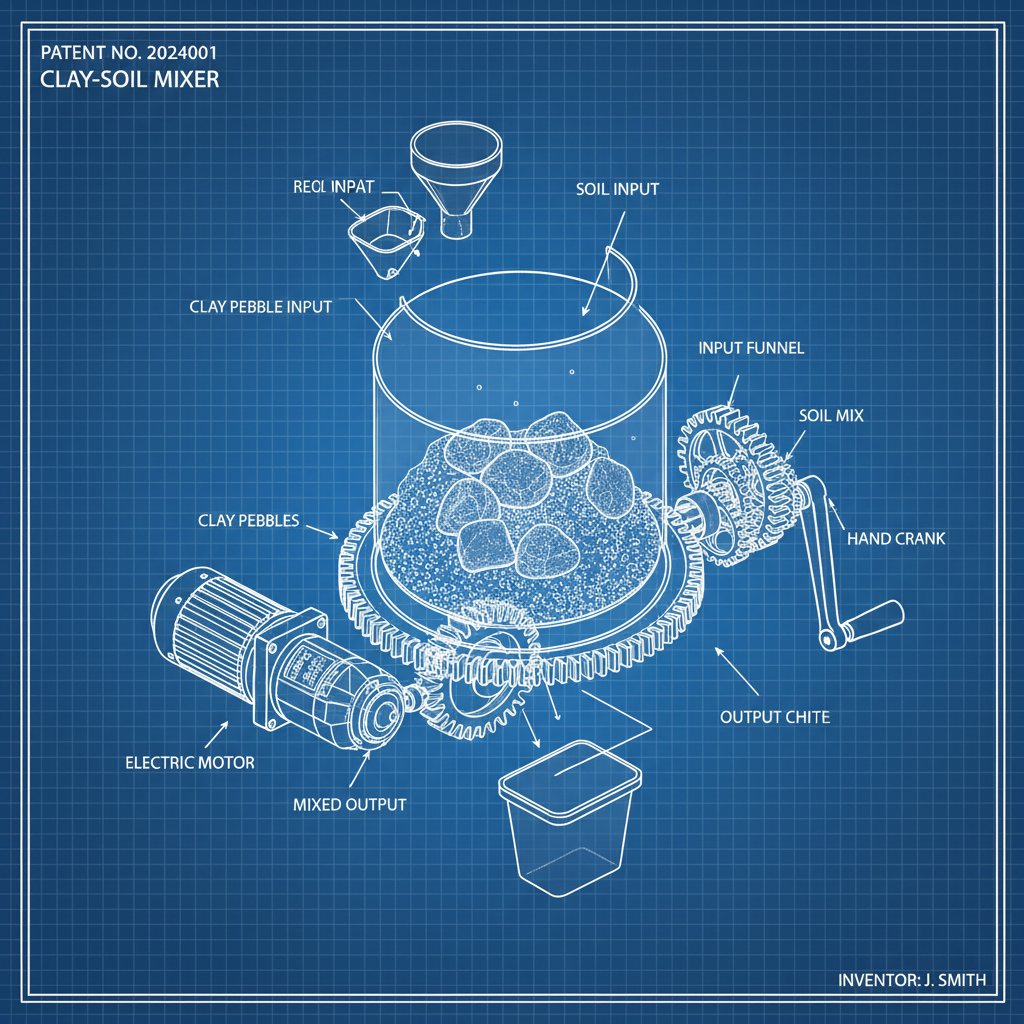
Product Specifications: Glorystarexport Clay Pebbles
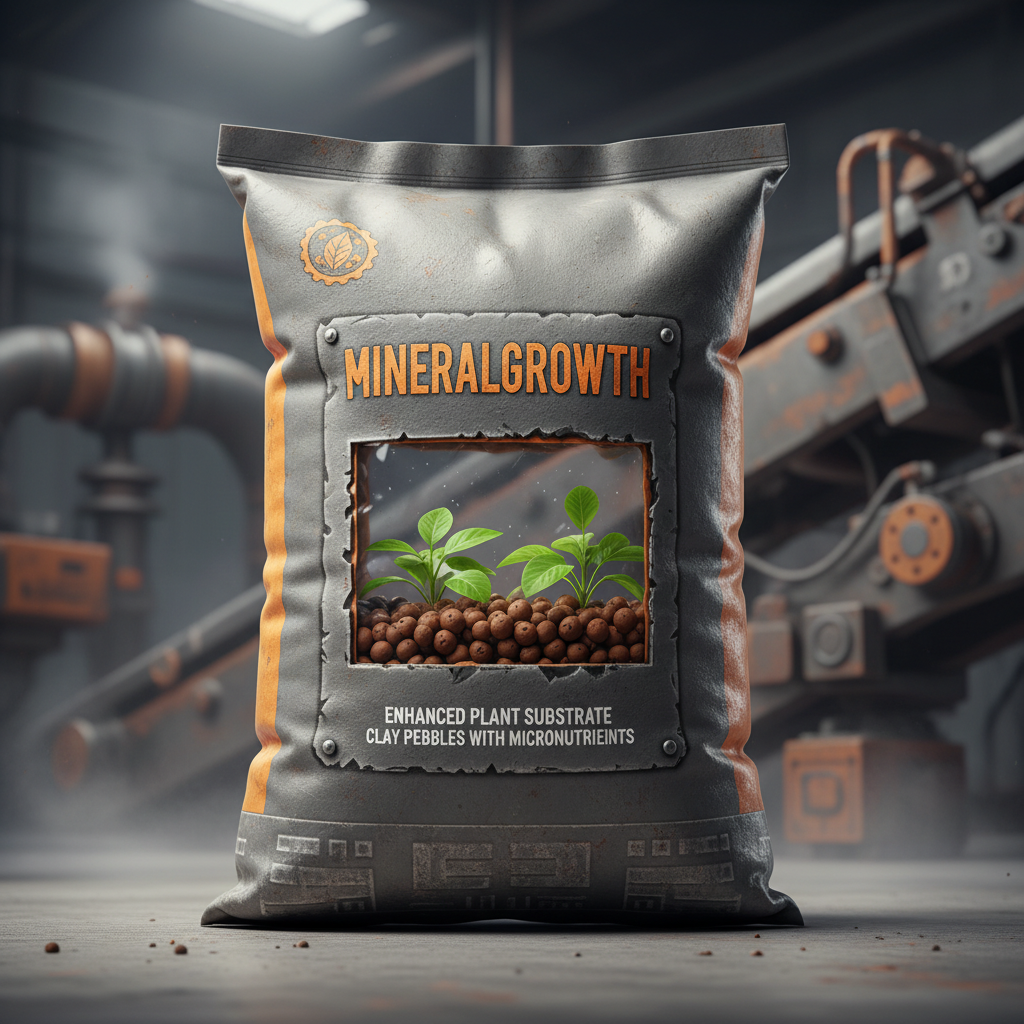
Glorystarexport offers high-quality clay pebbles in various sizes to meet your gardening needs.
Conclusion: Optimizing Plant Growth with Clay Pebble Mixes
Combining clay pebbles with soil is a simple yet highly effective technique for improving plant health and growth. By providing superior drainage, aeration, and moisture retention, this method creates an ideal growing environment for a wide variety of plants. Explore the high-quality clay pebbles available at Glorystarexport.com and elevate your gardening experience.
Frequently Asked Questions (FAQs)
Can I use clay pebbles with all types of plants?
While clay pebbles are beneficial for most plants, it's crucial to consider the specific needs of each species. Plants that prefer consistently moist soil, like ferns, may require a lower proportion of clay pebbles to prevent excessive drying. Conversely, succulents and cacti thrive with a higher ratio. It's best to research the ideal growing conditions for your plants and adjust the mixture accordingly. Generally, a 1:1 mix is a good starting point for many common houseplants and garden plants.
Do clay pebbles break down over time?
Clay pebbles are incredibly durable and do not break down over time. They are designed to be a permanent addition to your growing medium. However, over many years, they may accumulate mineral deposits from water and fertilizer, which can slightly reduce their porosity. Regularly flushing the growing medium with clean water can help prevent this buildup. This is why using high quality clay pebbles like those from Glorystarexport is so important.
Is it necessary to pre-soak clay pebbles before mixing them with soil?
While not strictly necessary, pre-soaking clay pebbles for several hours or overnight can be beneficial. This helps remove any dust or debris and saturates the pebbles, preventing them from drawing moisture away from the soil immediately after mixing. However, thorough rinsing is more important than soaking, especially if you are concerned about pH levels. It’s a good habit to ensure clean growing medium.
Can I reuse clay pebbles?
Yes, clay pebbles can be reused after careful cleaning. Remove the old soil, rinse the pebbles thoroughly to remove any remaining debris or salts, and sterilize them with a mild bleach solution (1 part bleach to 9 parts water). Rinse again to remove any bleach residue before reusing. Ensure the pebbles are free from any signs of disease or pests before incorporating them into a new planting.
Post time: Jan-27-2026




.png "About")