

Clay Pebbles for Fish Tank: A Comprehensive Guide
Creating a thriving aquatic environment requires careful consideration of all components, and the substrate is a critical element. Clay pebbles for fish tank, also known as LECA (Lightweight Expanded Clay Aggregate), are a popular choice among aquarists. This guide provides a thorough overview of clay pebbles, their benefits, uses, and how to choose the right ones for your aquarium. We’ll delve into why they're a preferred substrate for many and how they contribute to a healthy, balanced ecosystem.

What are Clay Pebbles (LECA)?
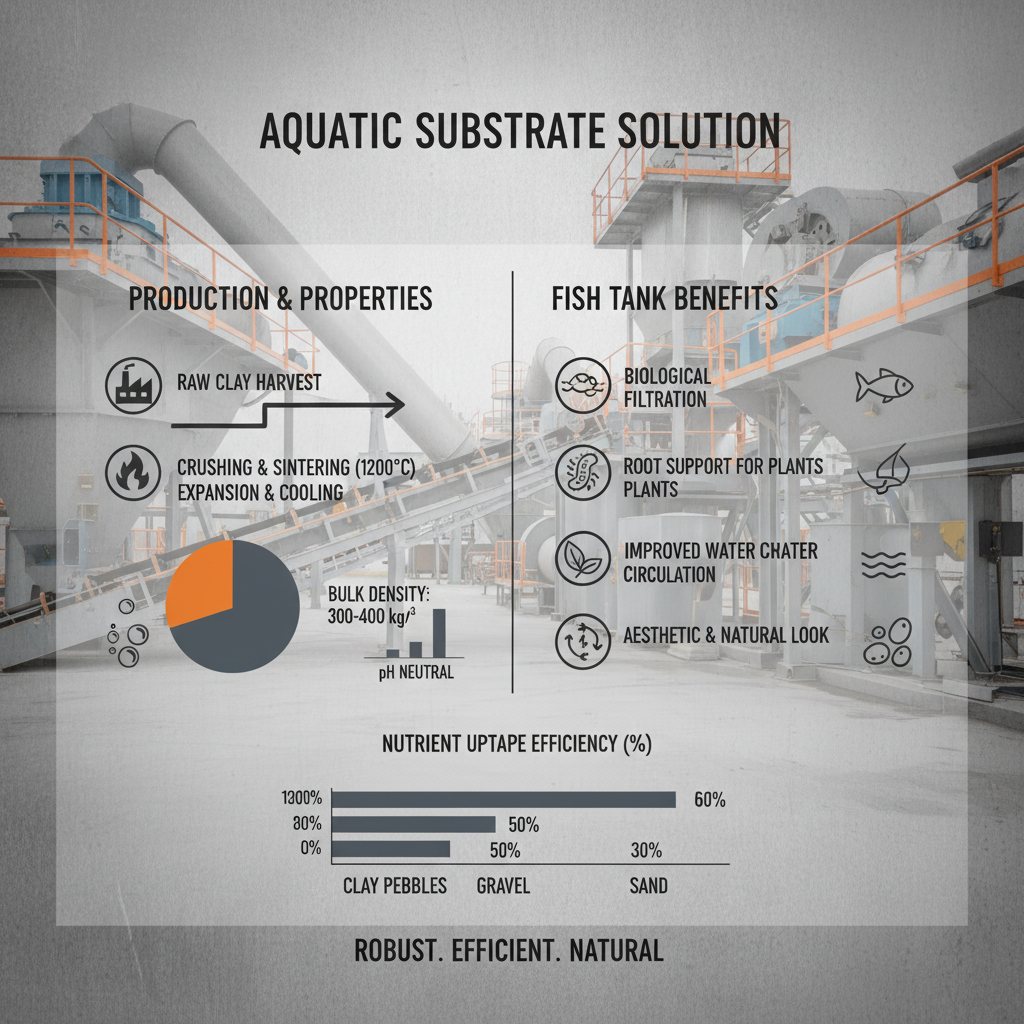
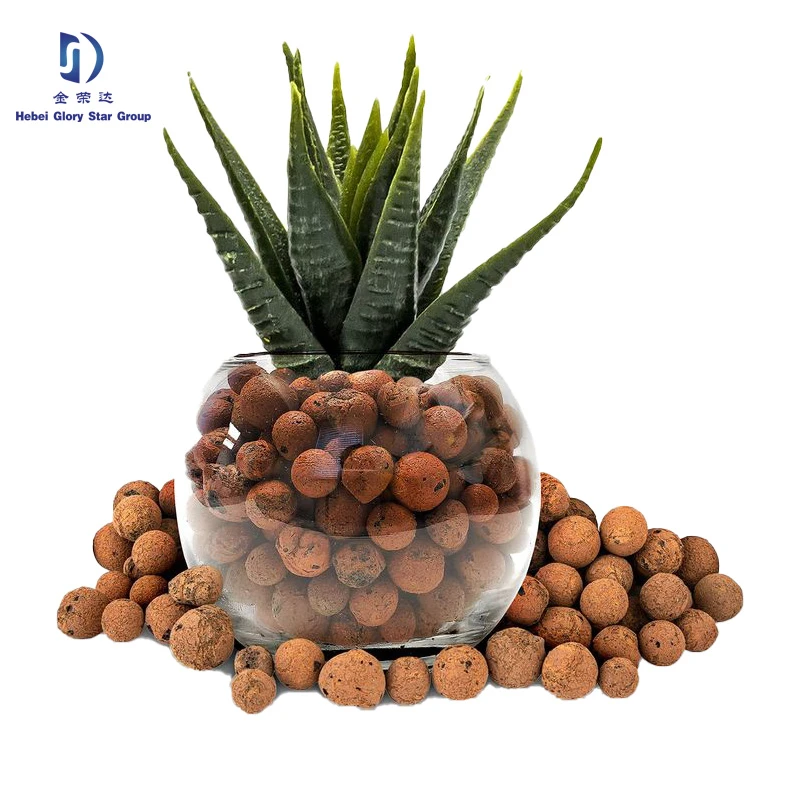
Clay pebbles are made from natural clay that’s heated to extremely high temperatures, causing it to expand into lightweight, porous balls. This process creates a substrate with excellent aeration and drainage properties. These pebbles are inert, meaning they don’t affect water chemistry, making them suitable for a wide range of aquatic life. They provide a surface for beneficial bacteria to colonize, which is essential for biological filtration. Unlike soil or gravel, clay pebbles don't break down or release harmful substances into the water.
Key Highlights: Clay pebbles are lightweight, porous, inert, and provide excellent aeration and drainage, promoting a healthy aquatic environment.
Benefits of Using Clay Pebbles in Your Aquarium
The advantages of using clay pebbles as an aquarium substrate are numerous. Their porous nature encourages the growth of beneficial bacteria, converting harmful ammonia and nitrites into less toxic nitrates. The excellent drainage prevents anaerobic pockets from forming, which can release harmful gases. Clay pebbles are also reusable – they can be cleaned and sterilized for future use. They are an excellent choice for planted tanks as they allow roots to easily access oxygen. Finally, they provide a natural-looking aesthetic that complements many aquarium setups.
Clay Pebble Benefits:
• Promotes beneficial bacteria growth
• Excellent drainage and aeration
• Reusable and environmentally friendly
• Ideal for planted tanks
Clay Pebbles vs. Other Aquarium Substrates
Choosing the right substrate depends on your aquarium’s needs. Compared to gravel, clay pebbles offer superior drainage and aeration. Soil-based substrates are nutrient-rich but can cloud the water and require more maintenance. Sand can compact and reduce oxygen flow. Clay pebbles strike a balance, providing a stable, inert, and biologically active environment. They are particularly well-suited for aquaponics systems due to their ability to support plant growth without affecting water quality. You can explore different substrate options on Glorystarexport.com to find what best fits your setup.
Choosing the Right Clay Pebbles
When selecting clay pebbles, consider the size and quality. Different sizes are suitable for different applications. Smaller pebbles are ideal for nano tanks and shrimp tanks, while larger pebbles are better for larger fish and plants. Ensure the pebbles are clean and free from dust or debris before use. Rinsing them thoroughly is recommended. Look for high-quality clay pebbles that are durable and won't break down easily. Glorystarexport.com offers a range of sizes and quality options to meet your specific aquarium needs.
Preparing and Using Clay Pebbles
Before introducing clay pebbles to your aquarium, it’s essential to rinse them thoroughly to remove any dust or debris. This will prevent clouding of the water. You can also soak them in water for a few hours to saturate them, which helps prevent them from floating. When setting up your aquarium, create a layer of clay pebbles approximately 2-3 inches deep. For planted tanks, you may want to add a layer of nutrient-rich substrate underneath the clay pebbles to provide essential nutrients for plant growth.
Conclusion: Enhance Your Aquarium with Clay Pebbles
Using clay pebbles for fish tank is a fantastic way to create a healthy, thriving aquatic environment. Their unique properties promote biological filtration, provide excellent drainage, and offer a natural aesthetic. Whether you’re setting up a new aquarium or upgrading an existing one, clay pebbles are a worthwhile investment.
Frequently Asked Questions (FAQs)
Are clay pebbles suitable for all types of fish?
Generally, clay pebbles are suitable for most freshwater fish. However, some bottom-dwelling fish may prefer sand or a finer substrate. Consider the natural habitat of your fish when choosing a substrate. For example, corydoras catfish prefer to sift through sand. Ensure the pebbles aren’t too large for smaller fish to navigate comfortably. Also, certain fish may accidentally ingest pebbles, so ensure they are a size that prevents this. Always research the specific needs of your fish species before making a final decision.
Do I need to add fertilizers when using clay pebbles with plants?
Clay pebbles themselves don't contain nutrients, so you will need to supplement with fertilizers for planted tanks. Root tabs or liquid fertilizers are excellent options. The porous nature of the clay pebbles allows for good circulation of nutrients around the plant roots. The type of fertilizer will depend on the plants you’re growing and their specific nutrient requirements. Regular monitoring of plant health will help you determine if additional fertilization is needed.
How often should I clean clay pebbles?
Clay pebbles don’t require frequent cleaning as they don’t trap debris easily. However, during water changes, you can gently vacuum the surface to remove any accumulated waste. Avoid disturbing the deeper layers of pebbles, as this is where beneficial bacteria colonize. If the pebbles become heavily soiled, you can remove them and rinse them in dechlorinated water. Avoid using soap or detergents, as these can be harmful to aquatic life.
Can I use clay pebbles in saltwater aquariums?
While clay pebbles are primarily used in freshwater aquariums, they can be used in saltwater aquariums with caution. It’s crucial to ensure the pebbles are thoroughly rinsed to remove any dust or impurities that could affect water parameters. However, aragonite sand is generally preferred for saltwater tanks as it helps buffer the pH and provides calcium for coral growth. If using clay pebbles, monitor water chemistry closely.
Post time: Feb-28-2026





.png "About")