

Clay Pebbles for Cactus: The Ultimate Guide to Healthy Growth
Growing cacti successfully requires more than just sunlight and minimal watering. The right growing medium is crucial, and clay pebbles for cactus are becoming increasingly popular among cactus enthusiasts. These lightweight, porous pebbles provide excellent drainage, aeration, and support, leading to healthier, more vibrant cacti. This article explores the benefits of using clay pebbles, how to use them effectively, and why Glorystar Export is a trusted source for high-quality clay pebbles.
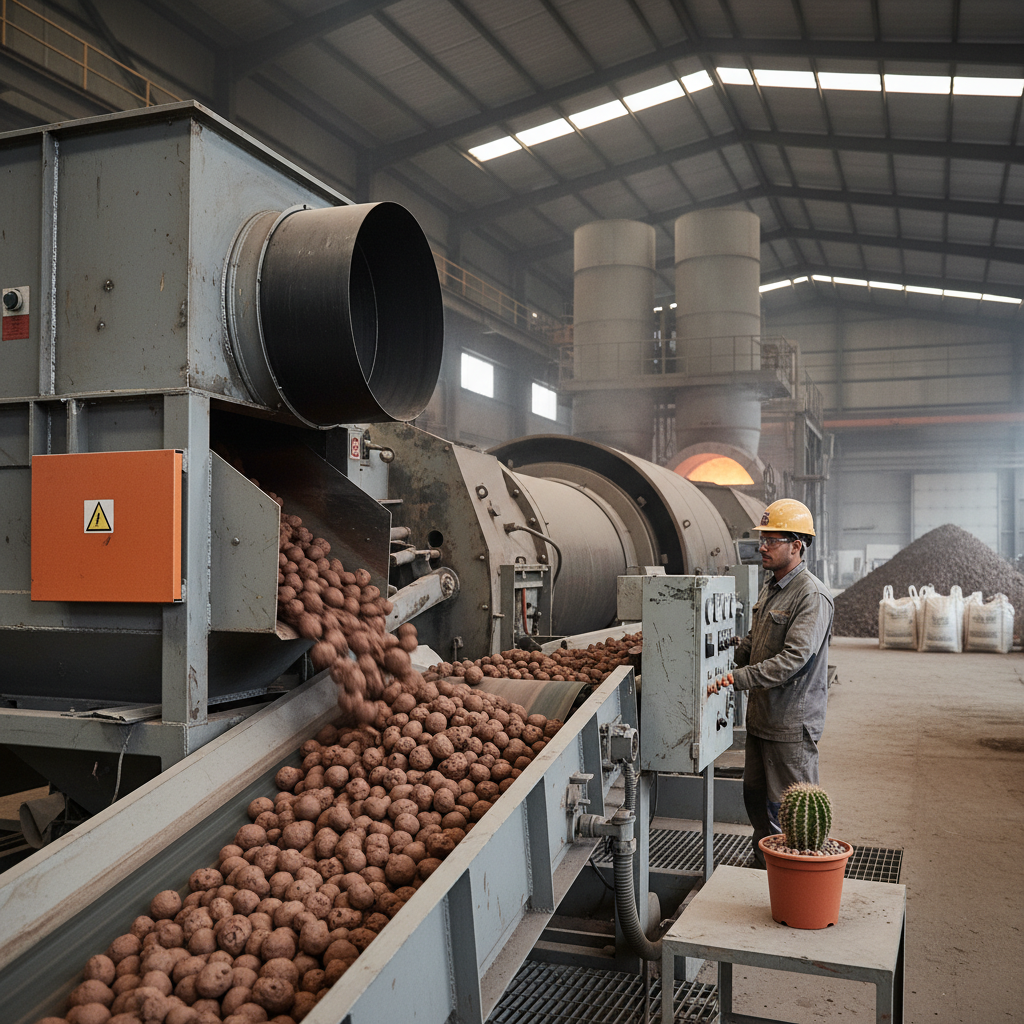
Understanding Clay Pebble Composition and Benefits
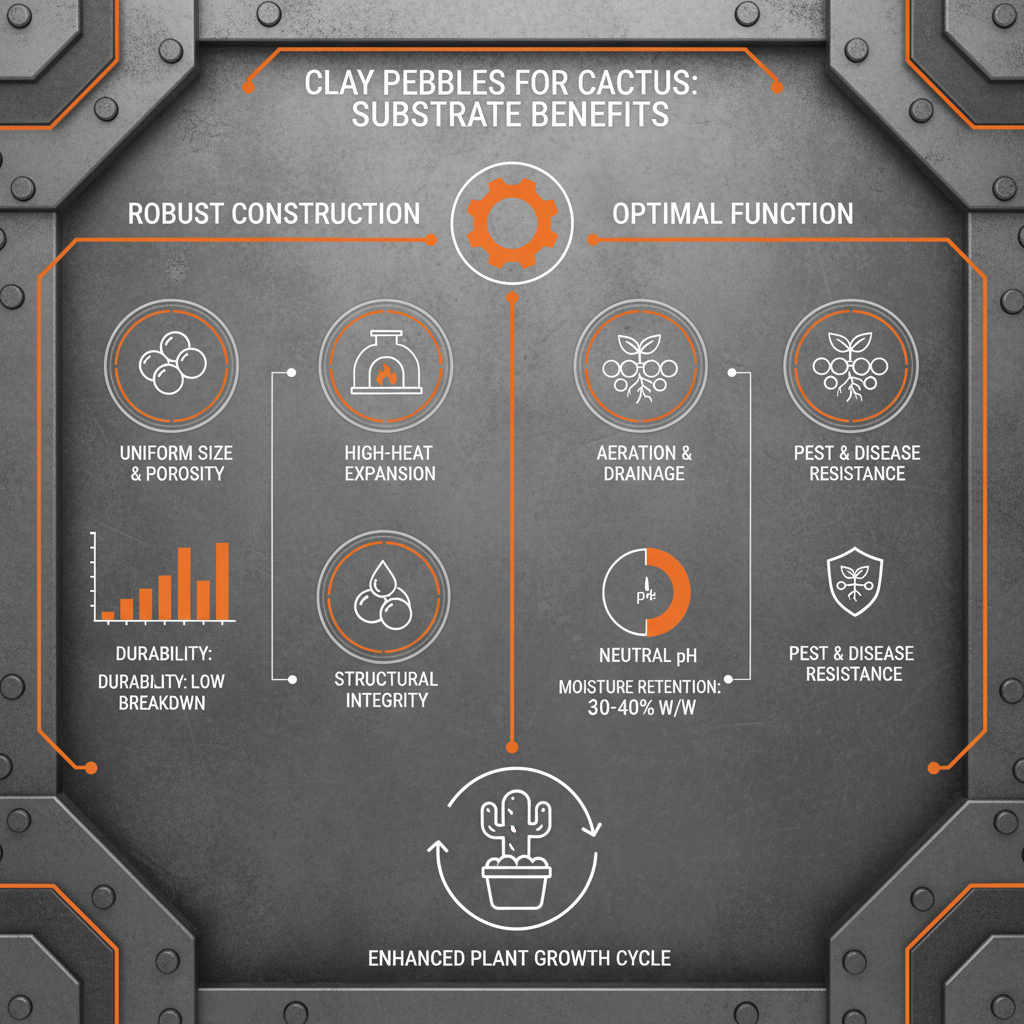
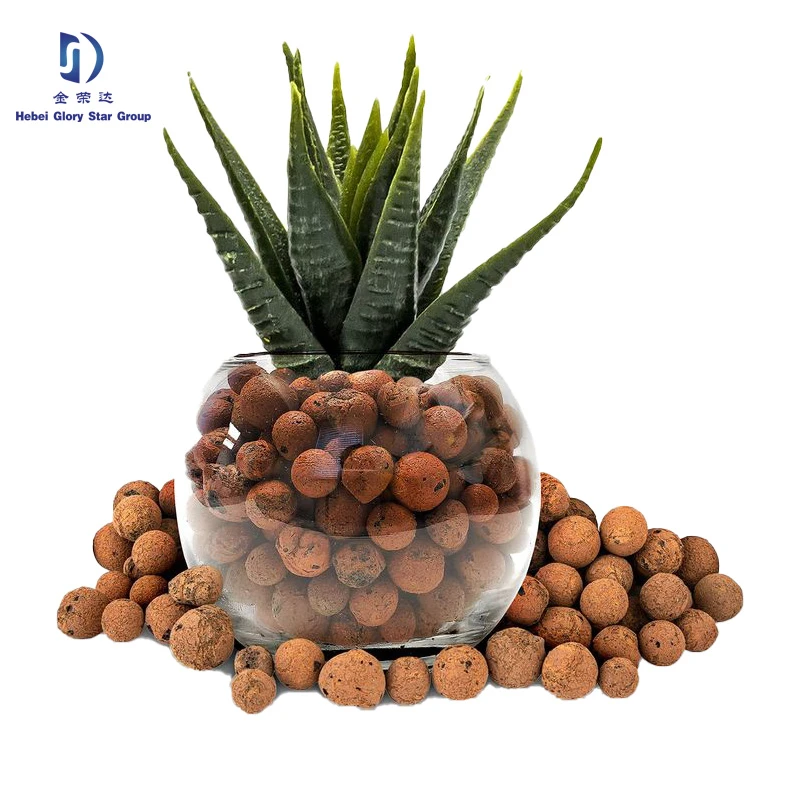
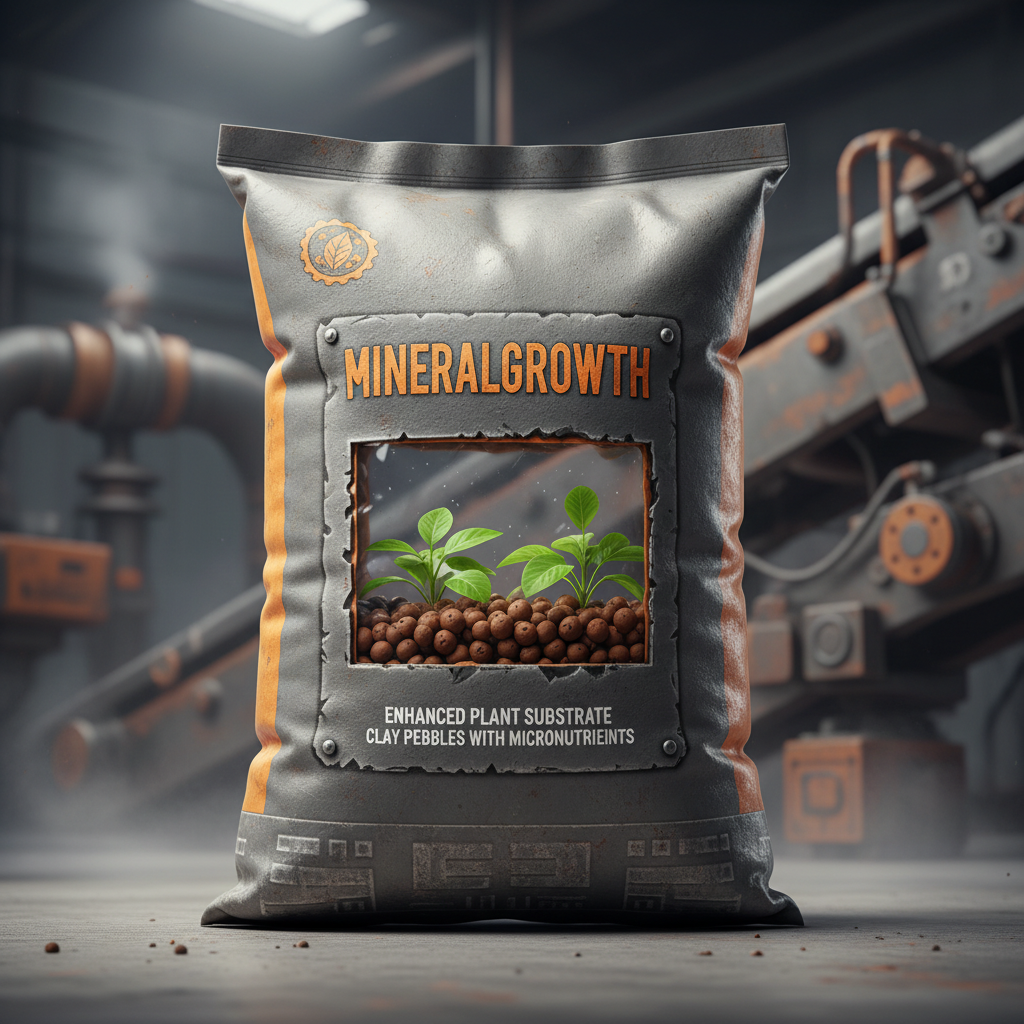
Clay pebbles, also known as LECA (Lightweight Expanded Clay Aggregate), are made from natural clay that is heated to extremely high temperatures. This process creates a lightweight, porous material with excellent water retention and drainage properties. For cacti, which are highly susceptible to root rot, these properties are invaluable. Unlike traditional soil, clay pebbles don’t compact, ensuring consistent airflow around the roots. This aeration is critical for healthy root development and prevents fungal growth. They also provide physical support for the cactus, especially beneficial for taller or top-heavy varieties. The inert nature of clay pebbles means they won’t decompose or release harmful chemicals into the growing environment.
Key Benefits: Excellent drainage, optimal aeration, inert and stable, provides root support, reusable and sustainable.
How to Use Clay Pebbles for Cactus: A Step-by-Step Guide
Using clay pebbles effectively involves understanding how to prepare and utilize them in your cactus potting mix. While you can use 100% clay pebbles for hydroponic setups, most cactus growers prefer a mix. A common ratio is 1:1 clay pebbles to cactus potting mix, or 2:1 clay pebbles to potting mix for extra drainage. Before using, it’s crucial to rinse the clay pebbles thoroughly to remove any dust or debris. This prevents clogging the drainage holes and keeps the growing medium clean. When potting your cactus, place a layer of clay pebbles at the bottom of the pot to improve drainage. Then, fill the remaining space with your chosen mix, ensuring the cactus is securely planted.
Clay Pebble Usage Tips:
• Rinse thoroughly before use.
• Use a mix with cactus potting mix for optimal results.
• Add a layer at the bottom of the pot for enhanced drainage.
• Re-use after sterilizing with boiling water or a diluted bleach solution.
Clay Pebbles for Cactus vs. Traditional Soil: A Comparative Analysis
Traditional soil often retains too much moisture, leading to root rot, a common killer of cacti. Clay pebbles, with their superior drainage, mitigate this risk significantly. While soil provides some nutrients, cacti generally thrive in nutrient-poor environments. You can supplement with cactus fertilizer as needed when using clay pebbles. Clay pebbles are also more stable and less prone to compaction, ensuring consistent airflow. This is particularly important for long-term growth and stability. Choosing between clay pebbles and soil ultimately depends on your growing conditions and desired level of control.
Why Choose Glorystar Export for Your Clay Pebble Needs?
At Glorystar Export, we are committed to providing high-quality clay pebbles specifically suited for cactus and succulent cultivation. Our pebbles are carefully sourced and processed to ensure optimal porosity, drainage, and cleanliness. We offer a range of sizes to meet your specific needs, and our competitive pricing makes us a cost-effective choice for both hobbyists and commercial growers. We prioritize customer satisfaction and offer reliable shipping worldwide. Choose Glorystar Export for clay pebbles you can trust.
Product Specifications
Here’s a detailed overview of our clay pebble product specifications:
Conclusion: Cultivate Success with Glorystar Export Clay Pebbles
Investing in quality clay pebbles for cactus from Glorystar Export is a crucial step towards healthy, thriving cacti. Their exceptional drainage and aeration properties create the ideal growing environment, minimizing the risk of root rot and promoting robust growth. Choose Glorystar Export and experience the difference!
Frequently Asked Questions (FAQs)
Can I reuse clay pebbles?
Yes, clay pebbles are reusable! However, it's essential to sterilize them before reusing to prevent the spread of pests or diseases. You can sterilize them by soaking them in boiling water for 30 minutes or using a diluted bleach solution (1 part bleach to 9 parts water), followed by a thorough rinsing. Ensure all traces of bleach are removed before using them again. Properly cleaned and reused clay pebbles can last for several years.
How often should I water cacti grown in clay pebbles?
Watering frequency depends on various factors, including the climate, the type of cactus, and the pot size. However, generally, cacti grown in clay pebbles require less frequent watering than those grown in traditional soil. Allow the clay pebbles to dry out completely between waterings. A good rule of thumb is to water thoroughly when the pebbles are dry to the touch, ensuring excess water drains freely from the pot. Overwatering is a common mistake – err on the side of underwatering.
Are clay pebbles suitable for all types of cacti?
Clay pebbles are suitable for the vast majority of cactus species. Their excellent drainage and aeration are particularly beneficial for cacti prone to root rot, such as those in the Mammillaria and Echinocactus genera. However, some cacti species prefer slightly more organic matter in their growing medium. In these cases, a mix of clay pebbles and cactus potting mix is recommended.
Where can I purchase high-quality clay pebbles?
You can purchase high-quality clay pebbles directly from Glorystar Export. We offer a variety of sizes and quantities to meet your needs, and we ship worldwide. We guarantee the quality and purity of our clay pebbles, ensuring optimal growth for your cacti and succulents.
Post time: Feb-26-2026



.png "About")