

Understanding Calcium Carbonate Function and Applications
Calcium carbonate (CaCO3) is a ubiquitous and versatile mineral with a wide range of applications across numerous industries. From its natural occurrence as limestone and chalk to its manufactured forms, calcium carbonate plays a critical role in everything from construction and agriculture to pharmaceuticals and food production. This article will delve into the various calcium carbonate functions, its diverse applications, and the importance of selecting the right grade for specific needs. Understanding these aspects is crucial for businesses sourcing this essential material.

The Core Calcium Carbonate Function: Neutralization and pH Regulation
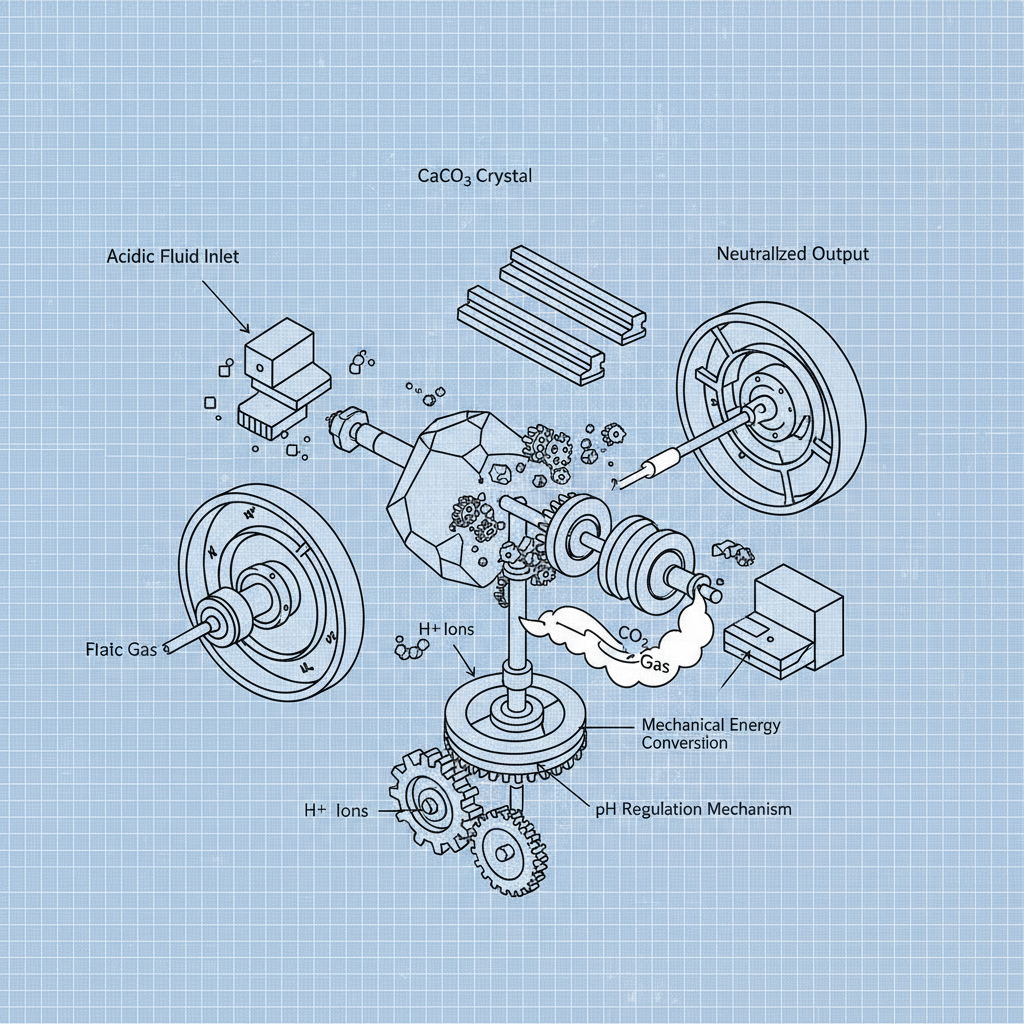
At its core, one of the primary calcium carbonate functions is its ability to act as a base, neutralizing acids. This property makes it invaluable in applications like soil conditioning, where it raises the pH of acidic soils, creating a more favorable environment for plant growth. In industrial processes, it's used to neutralize acidic wastewater, protecting the environment. Furthermore, calcium carbonate is a critical component in flue gas desulfurization, reducing sulfur dioxide emissions from power plants. The reaction between calcium carbonate and an acid produces calcium salts, water, and carbon dioxide, effectively mitigating the harmful effects of acidity.
Key Highlight: Calcium carbonate effectively neutralizes acids, contributing to environmental protection and optimal growing conditions.
Calcium Carbonate as a Filler and Extender
Beyond neutralization, calcium carbonate is widely used as a filler and extender in numerous materials. In plastics, paper, paints, and adhesives, it reduces production costs by partially replacing more expensive ingredients while maintaining desired properties. The fineness and purity of the calcium carbonate significantly impact its performance as a filler. For instance, in paper production, it improves opacity and brightness. In paints, it contributes to coverage and durability. Its inertness and compatibility with various polymers make it a versatile choice for enhancing product characteristics and reducing overall expenses.
Filler & Extender Benefits:
• Reduces production costs
• Improves opacity and brightness (in paper)
• Enhances coverage and durability (in paints)
• Compatible with various polymers
Ground Calcium Carbonate (GCC) vs. Precipitated Calcium Carbonate (PCC): A Comparative Analysis
Calcium carbonate exists in two primary forms: Ground Calcium Carbonate (GCC) and Precipitated Calcium Carbonate (PCC). GCC is produced by mechanically grinding natural limestone or chalk. PCC, on the other hand, is manufactured through a chemical precipitation process, resulting in a purer, more controlled particle size and shape. The choice between GCC and PCC depends on the specific application requirements. PCC generally commands a higher price due to its manufacturing process and superior properties. Understanding the differences is vital for optimizing performance and cost-effectiveness.
Applications of Calcium Carbonate Across Diverse Industries
The application landscape for calcium carbonate is incredibly broad. In the pharmaceutical industry, it serves as an antacid and a calcium supplement. In the food industry, it's used as a food additive, a dough conditioner, and a source of calcium enrichment. The agricultural sector utilizes it to neutralize acidic soils, improving crop yields. The construction industry relies on it as a component of cement, mortar, and asphalt. The versatility of this mineral ensures consistent demand across these and many other sectors. Glorystar Export provides high-quality calcium carbonate for a wide range of these applications.
Calcium Carbonate Product Specifications and Grading
Different applications require different grades of calcium carbonate, defined by particle size, purity, and whiteness. For instance, pharmaceutical-grade calcium carbonate must meet stringent purity standards, while industrial-grade can tolerate some impurities. Particle size also plays a crucial role; finer particles are preferred for applications requiring smooth textures and high dispersion, like paints and coatings. Understanding these specifications is critical when sourcing calcium carbonate from a reliable supplier.
Conclusion: The Enduring Value of Calcium Carbonate
Calcium carbonate is a remarkably versatile mineral with a multitude of functions and applications. From neutralizing acids and enhancing product properties to serving as a crucial ingredient in pharmaceuticals and food, its importance spans across diverse industries. Selecting the appropriate grade and sourcing from a reputable supplier like Glorystar Export is paramount to ensuring optimal performance and cost-effectiveness.
Frequently Asked Questions (FAQs)
What are the environmental benefits of using calcium carbonate?
Calcium carbonate offers several environmental benefits. Firstly, it's a naturally occurring mineral, reducing the reliance on synthetic alternatives. Secondly, its ability to neutralize acids helps remediate acidic environments, such as polluted water or acidic soils. Thirdly, it plays a vital role in flue gas desulfurization, reducing harmful sulfur dioxide emissions. Finally, in the production of cement, it can partially replace clinker, a major contributor to carbon dioxide emissions. Choosing calcium carbonate demonstrates a commitment to sustainable practices.
Is calcium carbonate safe for food consumption?
Yes, calcium carbonate is generally recognized as safe (GRAS) by regulatory bodies like the FDA when used as a food additive. It's a common source of calcium enrichment in various foods and beverages. However, it's crucial to use food-grade calcium carbonate that meets specific purity standards to ensure it's free from harmful contaminants. The amount used in food products is carefully regulated to maintain safety and nutritional balance.
How should calcium carbonate be stored?
Calcium carbonate should be stored in a cool, dry, and well-ventilated area. It's best to keep it away from direct sunlight, moisture, and incompatible materials, such as strong acids. Proper storage prevents caking and maintains the product’s quality and purity. Sealed containers are recommended to protect it from environmental contaminants.
Post time: Jan-27-2026





.png "About")