

Organic Expanded Clay Pebbles: A Comprehensive Guide
Organic expanded clay pebbles (LECA) are a versatile growing medium increasingly popular in hydroponics, aquaponics, and traditional gardening. They offer excellent aeration, drainage, and are lightweight, making them ideal for a variety of applications. This article will delve into the benefits, uses, and considerations when utilizing expanded clay pebbles, providing valuable insights for both novice and experienced growers. Choosing the right growing medium can dramatically impact plant health and yield.
What are Organic Expanded Clay Pebbles (LECA)?
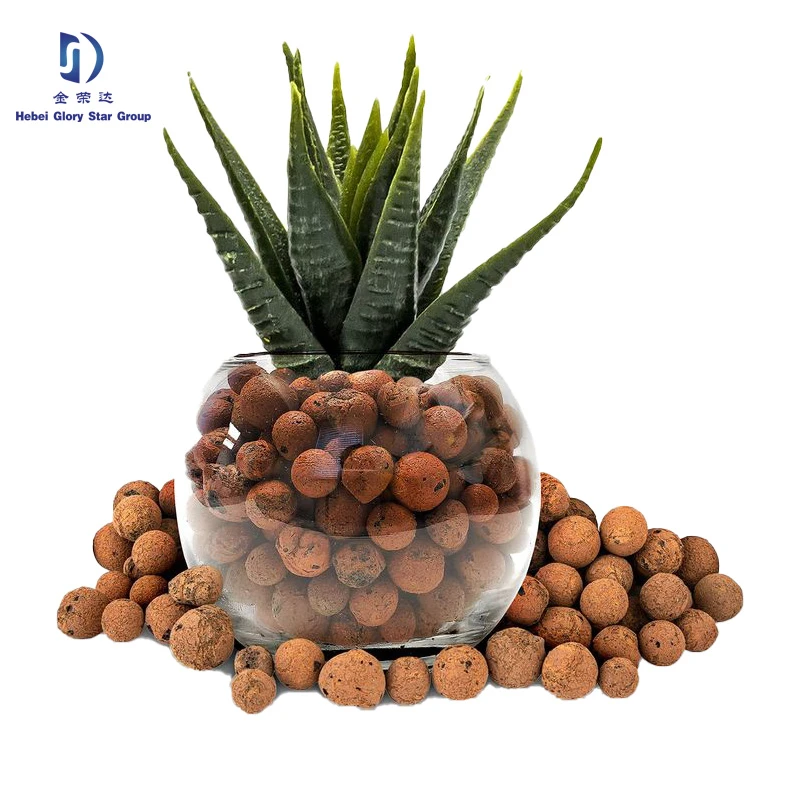
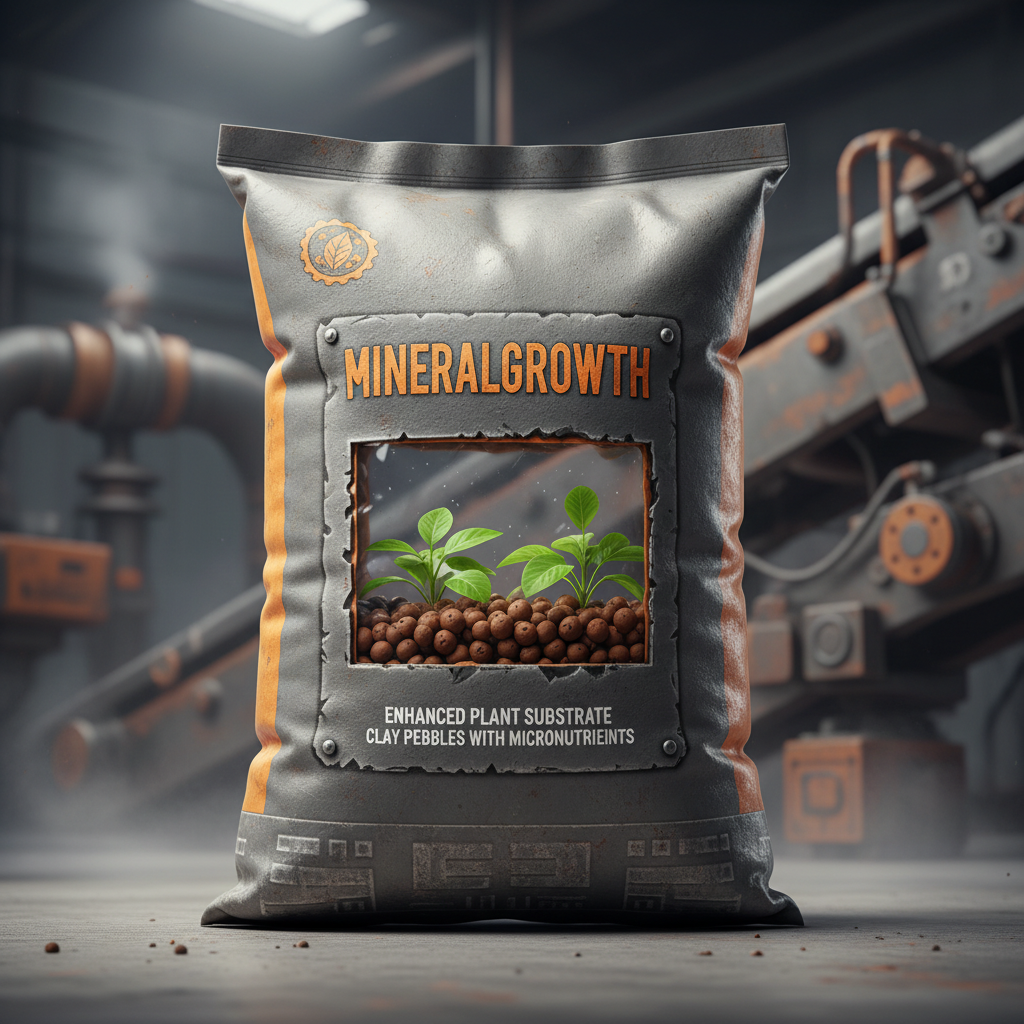
Expanded clay pebbles, often referred to as LECA (Lightweight Expanded Clay Aggregate), are made by heating natural clay to extremely high temperatures. This process causes the clay to expand, creating a porous, lightweight material. The resulting pebbles are inert, pH neutral, and don't decompose, offering a long-lasting and reusable growing medium. They are prized for their exceptional drainage and aeration properties, preventing root rot and promoting healthy root development. Sourcing high-quality organic LECA from a reputable supplier like Glory Star Export is essential for optimal results.
Key Highlights: Inert, pH neutral, and reusable. Excellent drainage and aeration promote healthy root development. Long-lasting and environmentally friendly.
Key Benefits of Using Expanded Clay Pebbles
The benefits of incorporating expanded clay pebbles into your growing system are numerous. They provide superior aeration, which is vital for root respiration. The excellent drainage prevents waterlogging, a common cause of root rot. Their inert nature means they won’t affect the pH or nutrient balance of your growing solution. Furthermore, they are lightweight, making them easy to handle and ideal for rooftop gardens or other weight-sensitive applications. And, being reusable, they represent a sustainable and cost-effective growing solution. Many growers also find them aesthetically pleasing.
Expanded Clay Pebble Advantages:
• Superior aeration and drainage
• Inert and pH neutral
• Lightweight and easy to handle
• Reusable and sustainable
Organic Expanded Clay Pebbles vs. Other Growing Mediums
Compared to traditional soil, coco coir, or rockwool, expanded clay pebbles offer distinct advantages. Soil can compact, leading to poor drainage and aeration. Coco coir requires pre-treatment to remove excess salts and can break down over time. Rockwool, while offering good aeration, is not a renewable resource. Expanded clay pebbles provide a stable, long-lasting, and reusable alternative. Here’s a comparative look:
Applications of Organic Expanded Clay Pebbles
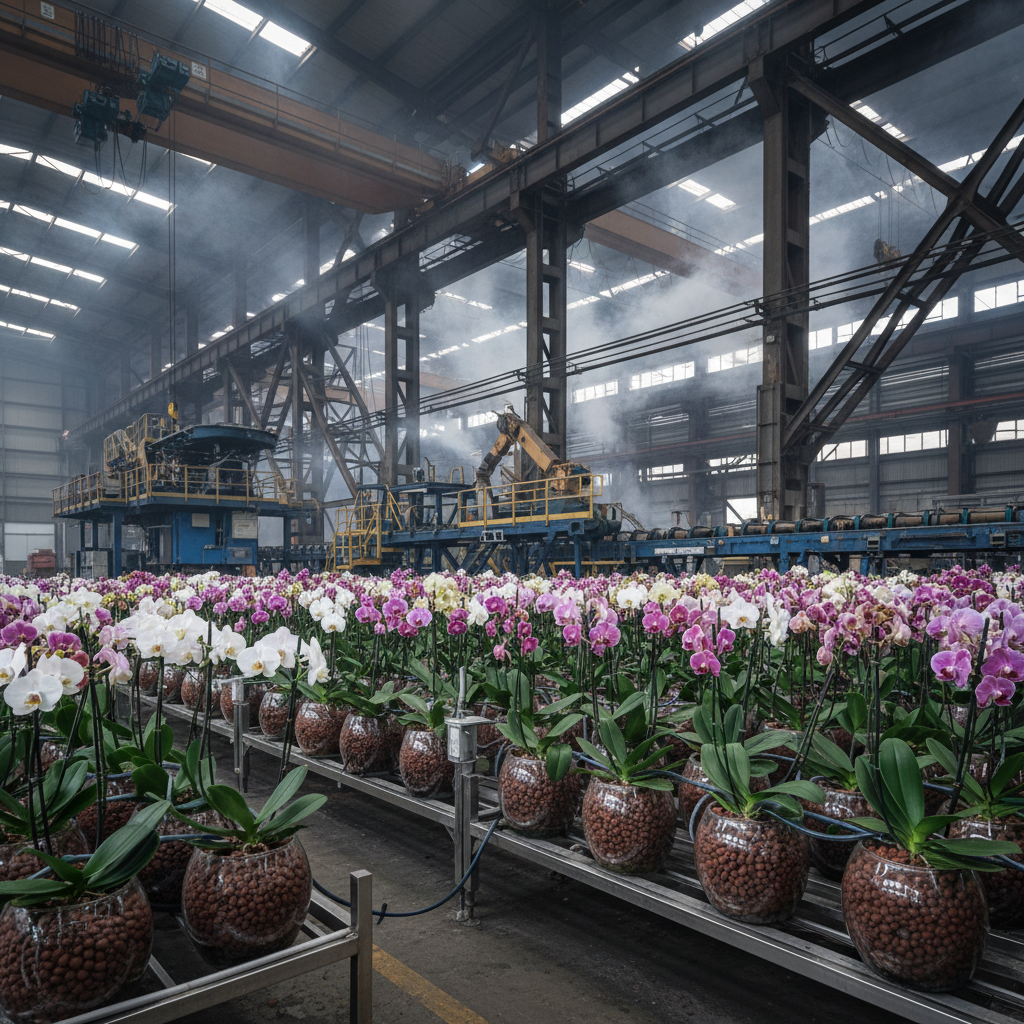
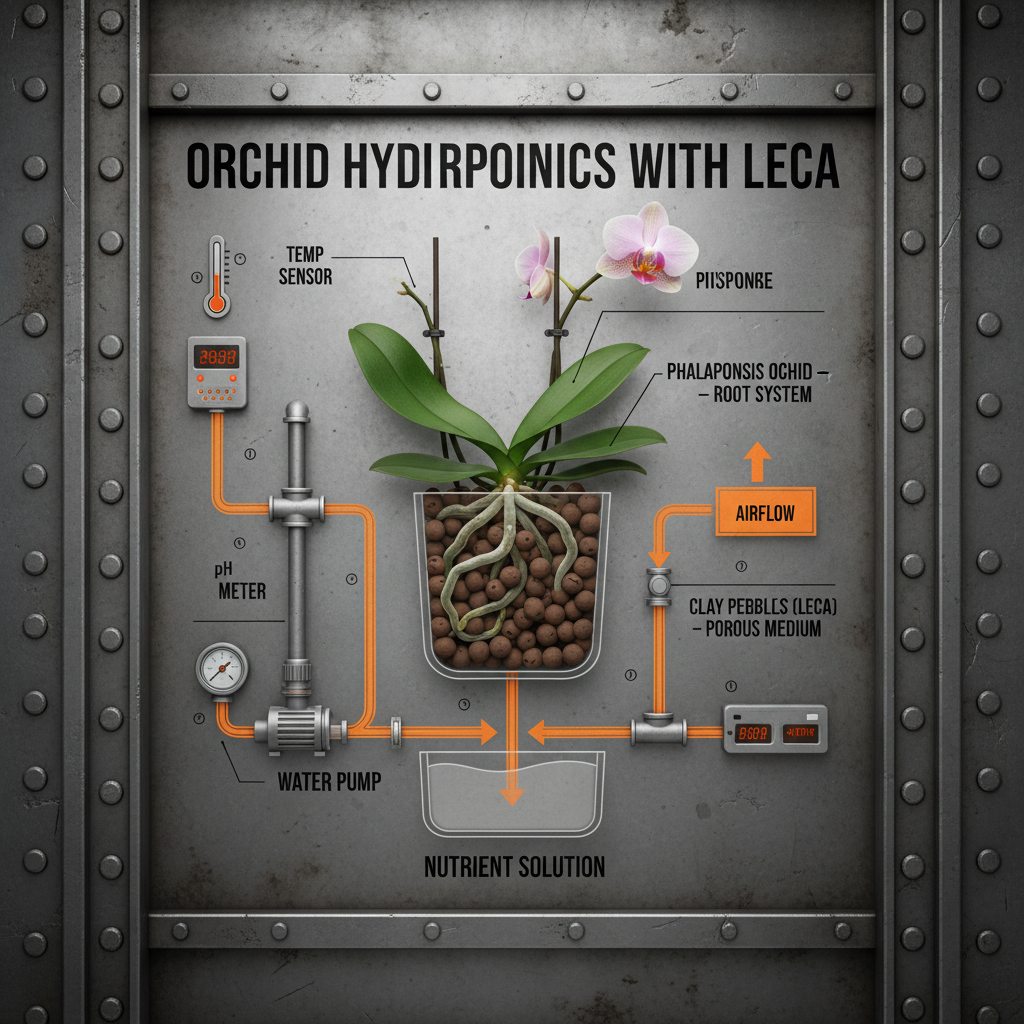
Expanded clay pebbles are incredibly versatile. They're widely used in hydroponic systems, providing an inert support for plant roots. In aquaponics, they act as a biofilter, removing waste products from the water. They are also a popular choice for improving drainage in potted plants, particularly orchids and succulents. Additionally, they can be used as a decorative mulch, offering a clean and modern aesthetic. Sourcing from a leading supplier ensures you receive consistent quality and sizing for optimal performance.
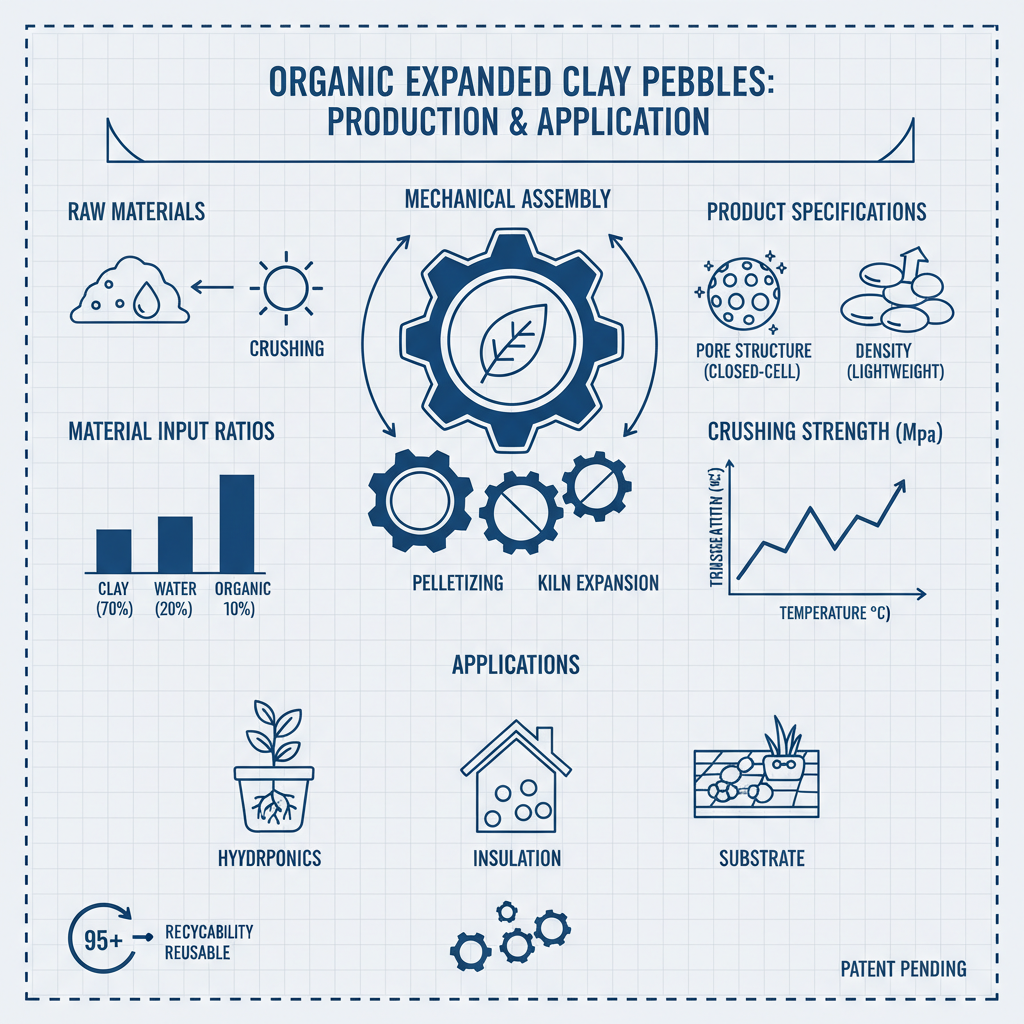
Product Specifications and Sizes Available
Glory Star Export offers a range of expanded clay pebble sizes to suit diverse applications. We adhere to strict quality control measures to ensure consistent product performance. Here's a breakdown of our available specifications:
Conclusion: Embrace the Benefits of Expanded Clay Pebbles
Investing in high-quality expanded clay pebbles from Glory Star Export is a smart choice for any grower. Their exceptional drainage, aeration, and reusability make them a sustainable and effective growing medium. Whether you're a hydroponics enthusiast, an aquaponics practitioner, or simply looking to improve the health of your potted plants, expanded clay pebbles offer a versatile solution. Choose quality, choose sustainability, and choose success with Glory Star Export.
Frequently Asked Questions (FAQs)
How do I prepare expanded clay pebbles before using them?
New expanded clay pebbles are often covered in dust from the manufacturing process. It's crucial to rinse them thoroughly before use to remove this dust and prevent it from clogging your growing system. Place the pebbles in a bucket or colander and rinse them with clean water until the water runs clear. Soaking them in pH-balanced water for 24 hours can also help saturate them and prevent them from floating excessively in hydroponic setups. This initial preparation ensures optimal performance and prevents any potential harm to your plants.
Can I reuse expanded clay pebbles?
Yes, absolutely! One of the major benefits of expanded clay pebbles is their reusability. After each growing cycle, thoroughly clean the pebbles to remove any old roots, salts, or debris. You can disinfect them with a mild bleach solution (1 part bleach to 10 parts water), followed by a thorough rinsing with clean water. Allow them to dry completely before storing them for future use. With proper cleaning and care, expanded clay pebbles can be reused multiple times, making them a cost-effective and environmentally friendly growing medium.
Are expanded clay pebbles suitable for all plants?
While expanded clay pebbles are a versatile growing medium, they’re particularly well-suited for plants that prefer excellent drainage and aeration, such as orchids, succulents, and plants grown in hydroponic or aquaponic systems. They are also excellent for plants prone to root rot. However, some plants may require a different growing medium or a mix of mediums. Consider the specific needs of your plants when choosing a growing medium and adjust accordingly.
Post time: Feb-11-2026



.png "About")