

Clay Pebbles for Houseplants: A Comprehensive Guide
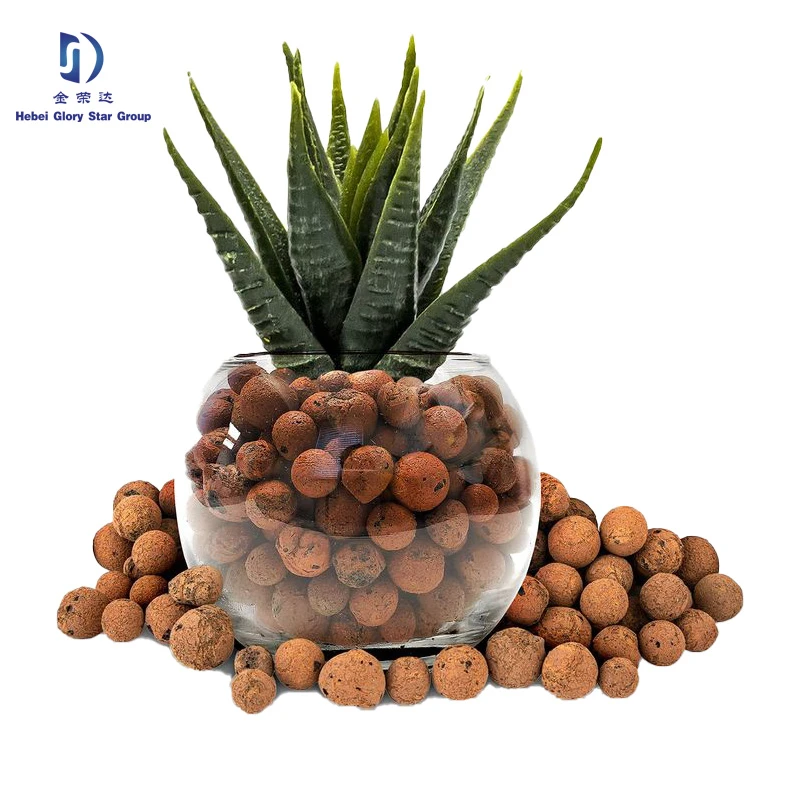
Looking for the perfect growing medium to enhance your houseplants’ health and vibrancy? Clay pebbles for houseplants, also known as LECA (Lightweight Expanded Clay Aggregate), are a fantastic choice. They offer excellent drainage, aeration, and are reusable, making them an eco-friendly and cost-effective solution. This article will delve into the benefits, uses, and how to use clay pebbles to create a thriving indoor garden. We’ll explore why these inert granules are becoming increasingly popular among plant enthusiasts.
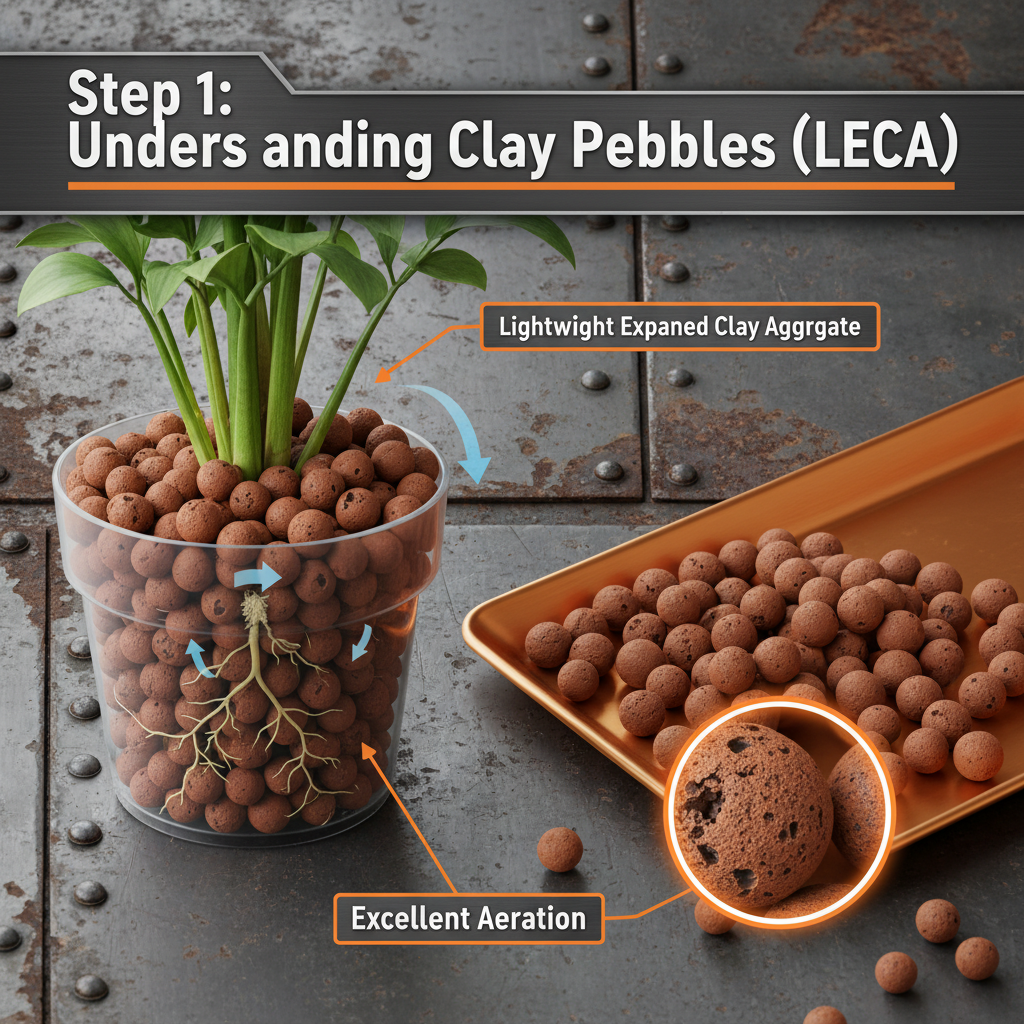
What are Clay Pebbles and Why Use Them?
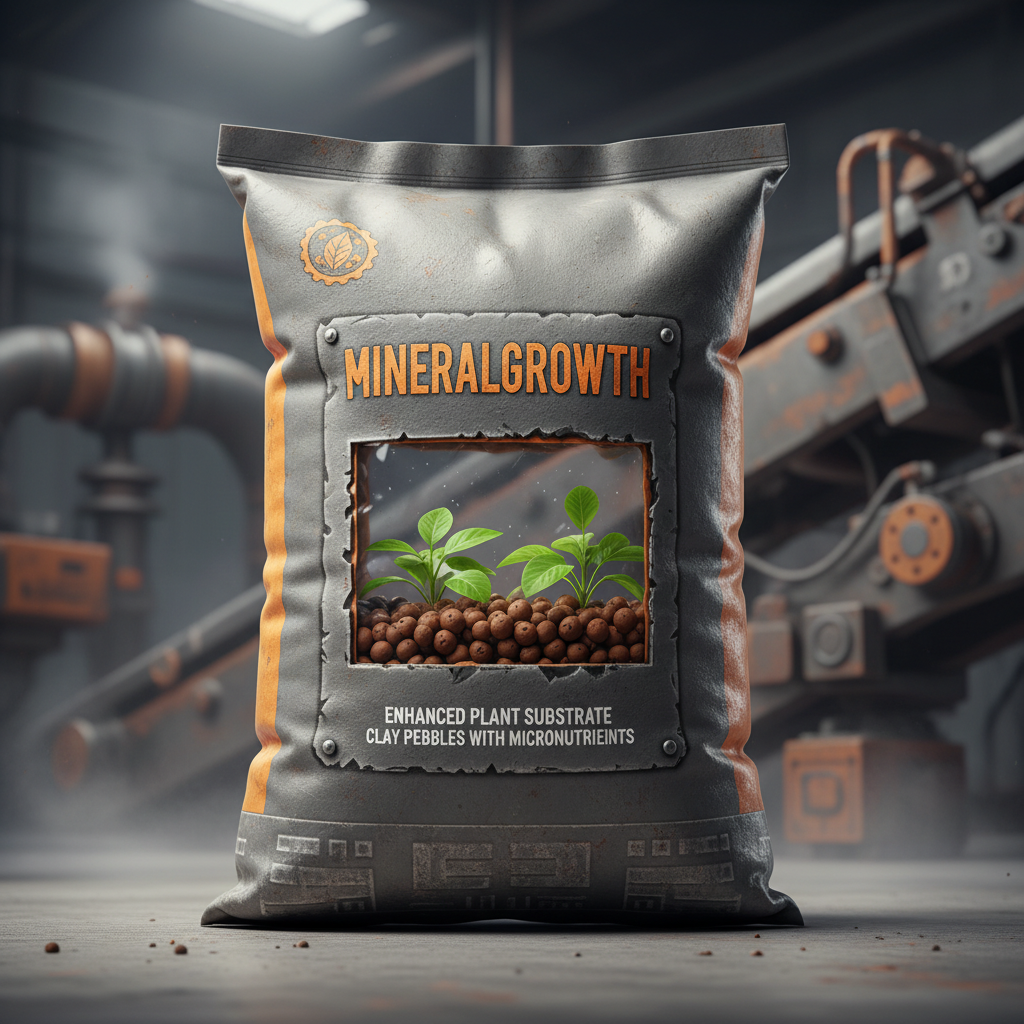
Clay pebbles are made from baked clay, resulting in a lightweight, porous material. Their irregular shape and numerous air pockets provide excellent aeration for plant roots, preventing root rot – a common problem with traditional soil-based growing mediums. Unlike soil, clay pebbles are inert, meaning they don’t contain any nutrients. This allows you to have complete control over the nutrient solution you provide to your plants. They are also pH neutral, won’t compact over time, and are incredibly durable. The reusability of clay pebbles makes them a sustainable option for plant propagation and hydroponic systems.
Key Highlights: Excellent drainage, aeration, reusable, inert, pH neutral, durable, and sustainable.
Clay Pebbles vs. Soil: A Direct Comparison
While soil remains a popular growing medium, clay pebbles offer distinct advantages. Soil can compact, leading to poor drainage and aeration. It also harbors pests and diseases. Clay pebbles, on the other hand, remain consistently airy and are relatively sterile when initially used. This reduces the risk of root rot and provides a cleaner growing environment. Although soil provides some nutrients naturally, it requires regular amending. With clay pebbles, you have complete control over the nutrient delivery system, allowing you to precisely tailor it to your plants' needs. Choosing between the two depends on your gardening style and plant requirements. Clay pebbles are exceptionally well-suited for hydroponics and semi-hydroponic systems.
Clay Pebble Benefits:
• Excellent drainage and aeration
• Reduced risk of root rot
• Reusable and sustainable
• Precise nutrient control
Using Clay Pebbles for Houseplant Propagation
Clay pebbles are an excellent medium for propagating plant cuttings. They provide support and aeration, encouraging root development. To propagate, take a cutting from a healthy plant and place it into a container filled with thoroughly rinsed clay pebbles. Ensure the bottom nodes of the cutting are submerged in the pebbles. Keep the pebbles consistently moist by misting or placing the container in a humidity dome. Once roots have developed, you can transition the plant into a larger pot with fresh clay pebbles or another growing medium. This method is particularly effective for plants like pothos, monstera, and philodendrons. Our clay pebbles are specifically graded for optimal propagation success.
Clay Pebbles in Semi-Hydroponic Systems
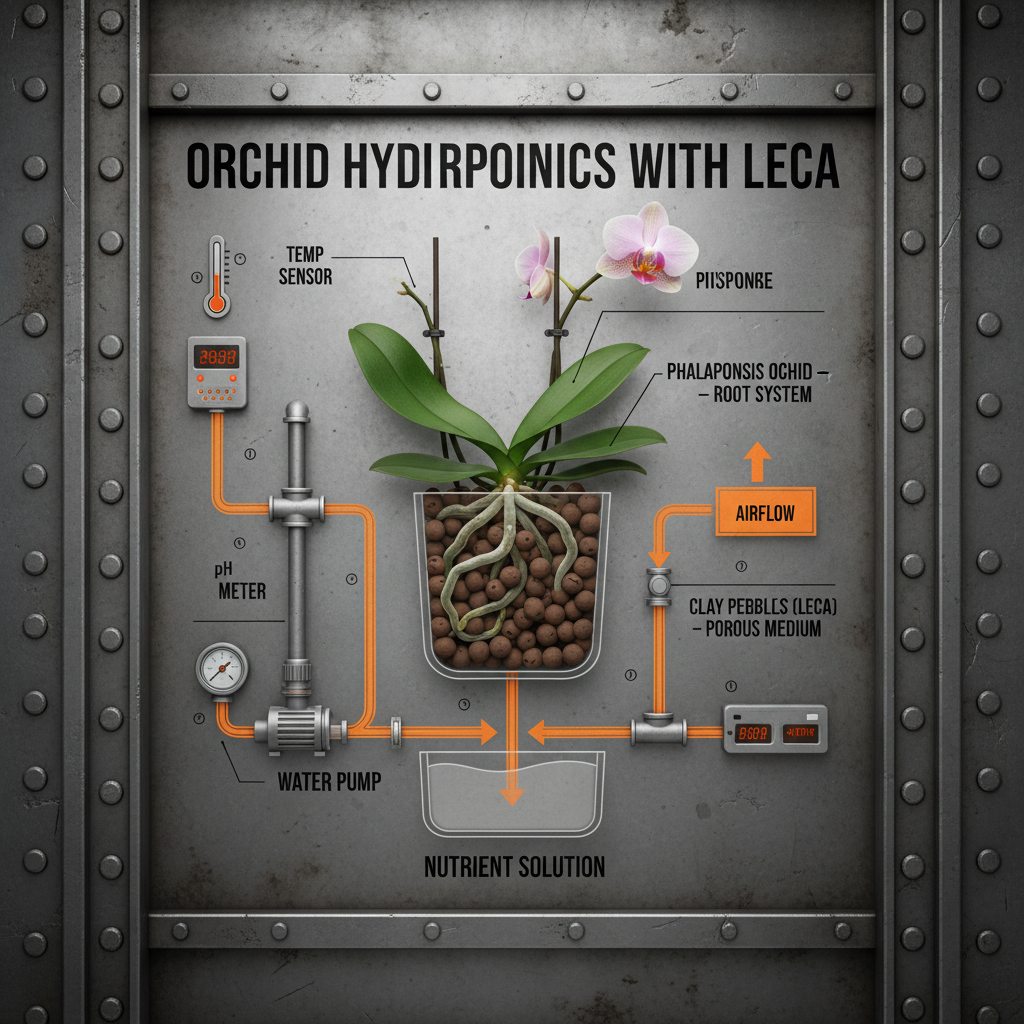
Semi-hydroponics is a popular method that combines the benefits of soil-based gardening and hydroponics. It involves growing plants in an inert medium – often clay pebbles – with a reservoir of nutrient-rich water. The roots dangle into the nutrient solution, allowing for efficient nutrient uptake. This system promotes rapid growth and minimizes the risk of overwatering. To set up a semi-hydroponic system, you’ll need a container with drainage holes, clay pebbles, and a liquid nutrient solution formulated for hydroponics. Regularly monitor the water level and nutrient concentration to ensure optimal plant health.
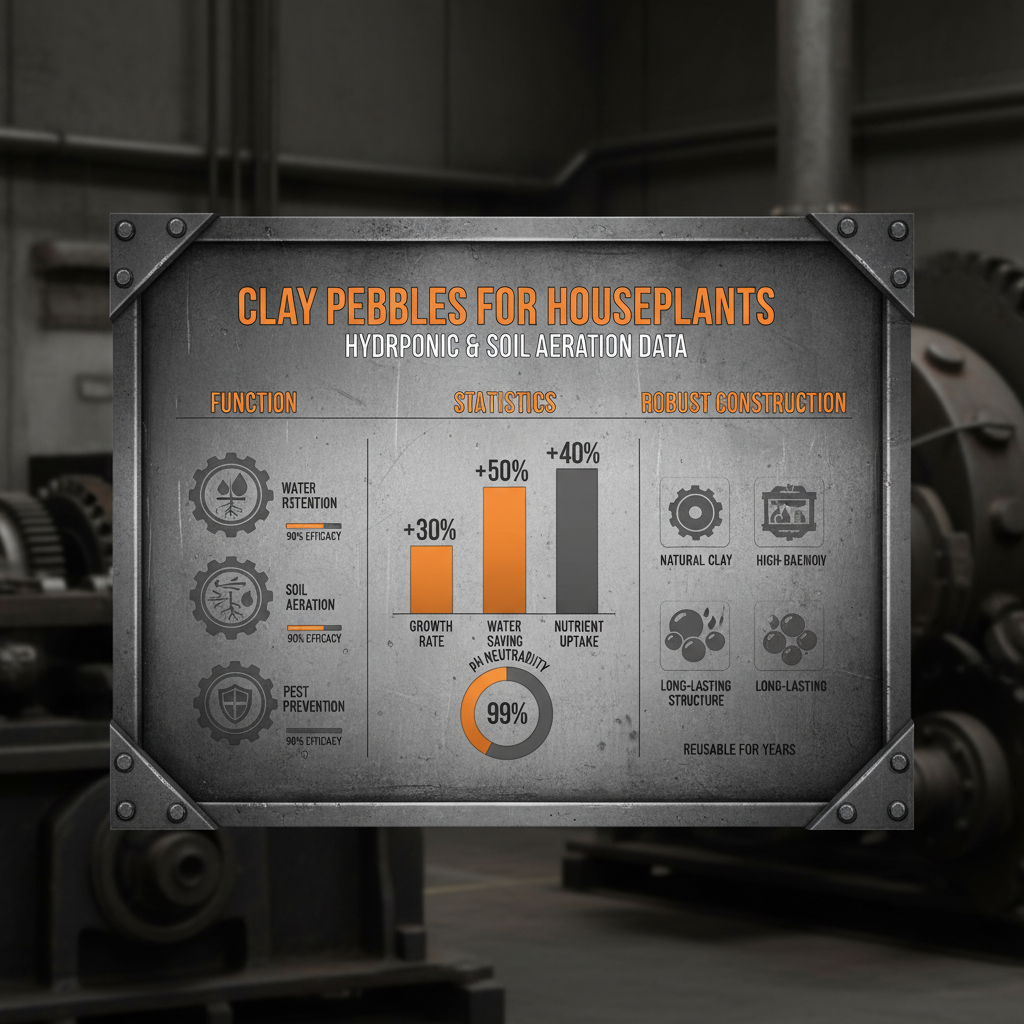
Caring for Clay Pebbles
Before using clay pebbles, it's essential to rinse them thoroughly to remove dust and debris. This prevents clogging of drainage systems. Periodically flush the pebbles with water to prevent salt buildup from nutrient solutions. You can also sterilize used clay pebbles by soaking them in a diluted bleach solution (1 part bleach to 9 parts water) for 30 minutes, followed by a thorough rinsing. Proper maintenance ensures your clay pebbles remain a healthy and effective growing medium for years to come. Consider investing in high-quality clay pebbles from a reputable supplier like Glory Star Export for consistent quality and performance.
Conclusion: Unleash the Potential of Your Houseplants
Clay pebbles offer a versatile, sustainable, and highly effective growing medium for houseplants. Whether you're propagating new plants, experimenting with semi-hydroponics, or simply looking for a superior alternative to traditional soil, clay pebbles can help you achieve exceptional results. Invest in quality clay pebbles and unlock the full potential of your indoor garden.
Frequently Asked Questions (FAQs)
How do I prepare clay pebbles before using them?
Before use, thoroughly rinse the clay pebbles with water to remove any dust or debris. This is crucial to prevent clogging in your drainage system. Continue rinsing until the water runs clear. Some growers also recommend soaking the pebbles in pH-adjusted water for 24 hours to ensure they are properly hydrated. This isn’t essential, but can be beneficial, particularly for sensitive plants. Proper preparation ensures a clean and healthy growing environment for your plants.
Can I use clay pebbles for all types of houseplants?
While clay pebbles are suitable for a wide range of houseplants, they work best for plants that prefer well-draining conditions and don’t require consistently moist soil. Plants like orchids, monsteras, pothos, and philodendrons thrive in clay pebble setups. However, plants that prefer consistently moist soil, such as ferns, might require additional attention to maintain adequate moisture levels. Always research your plant’s specific needs to determine if clay pebbles are the right choice.
How often should I water plants grown in clay pebbles?
Watering frequency depends on various factors, including plant type, environmental conditions, and the size of the pot. Generally, allow the top layer of clay pebbles to dry out before watering. When watering, ensure the entire root zone is moistened, but avoid letting the pot sit in standing water. Check the moisture level by feeling the pebbles – if they are dry to the touch, it's time to water. Remember that clay pebbles do not retain water like soil, so you may need to water more frequently.
Are clay pebbles suitable for outdoor use?
While clay pebbles can be used outdoors, they are best suited for indoor applications. Outdoor exposure to rain and extreme temperatures can cause them to become waterlogged or damaged. If using outdoors, ensure adequate drainage and protection from harsh weather conditions. Consider using them in sheltered areas or in containers with drainage holes to prevent waterlogging. Contact us for specific recommendations for outdoor use.
Post time: Feb-24-2026




.png "About")