

Calcium Carbonate Process: A Comprehensive Guide
Calcium carbonate (CaCO₃) is one of the most widely used industrial minerals globally, serving a vast array of applications from construction materials to pharmaceuticals. Understanding the calcium carbonate process, including its various production methods, is crucial for businesses involved in its supply chain. This article delves into the different methods used to produce calcium carbonate, its applications, quality control, and considerations for sourcing. We'll also explore the factors influencing the selection of the most suitable process based on desired product characteristics and end-use requirements.
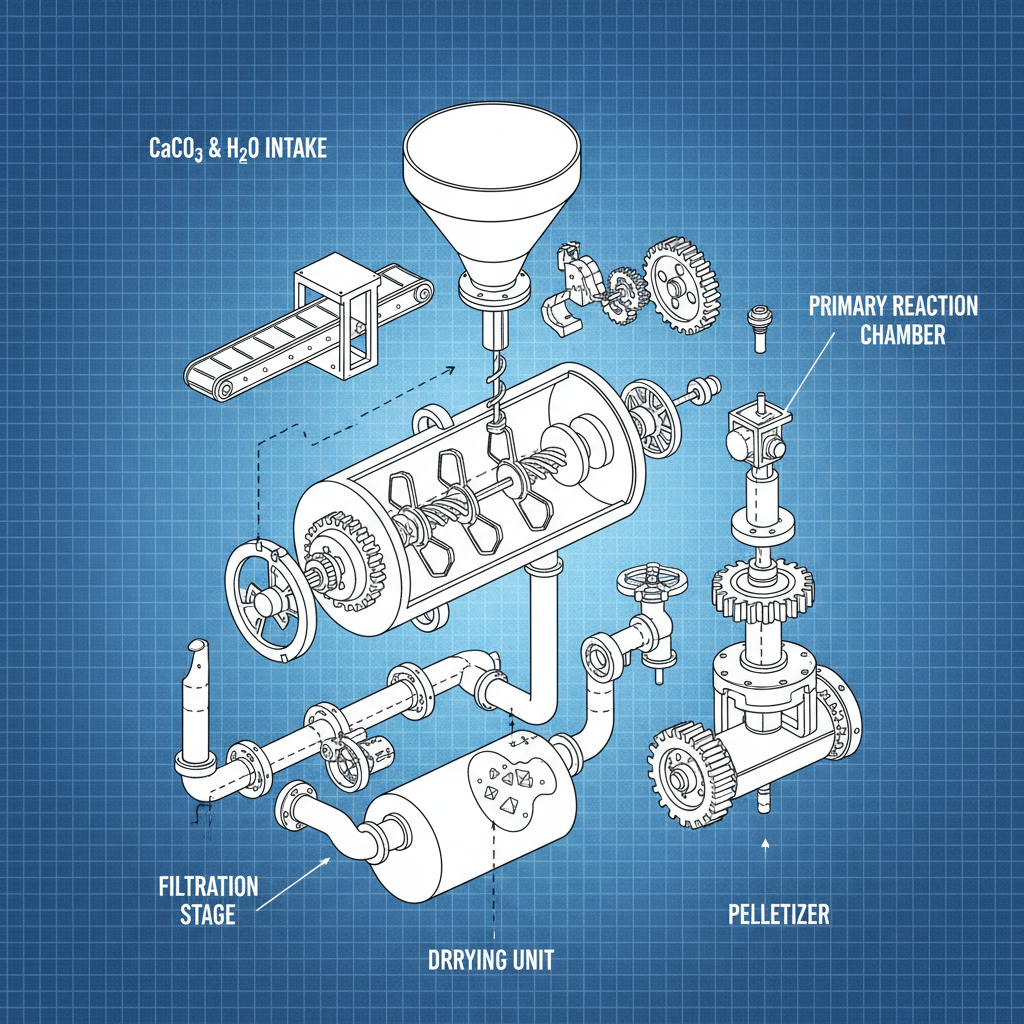
Understanding the Different Calcium Carbonate Production Processes
There are three primary methods for producing calcium carbonate: mining (Ground Calcium Carbonate - GCC), precipitation (Precipitated Calcium Carbonate - PCC), and a less common method involving carbonation of calcium hydroxide. Each process yields a distinct product with varying particle size, purity, and morphology. GCC is obtained by crushing, grinding, and classifying naturally occurring limestone or chalk. PCC, on the other hand, is manufactured through a controlled chemical reaction. The choice between GCC and PCC depends heavily on the specific application and performance requirements. Glorystar Export specializes in providing high-quality calcium carbonate tailored to diverse industrial needs.
Key Highlights: Calcium carbonate production involves distinct processes like mining, precipitation, and carbonation, each resulting in products with unique characteristics impacting their suitability for specific applications.
Ground Calcium Carbonate (GCC) Production
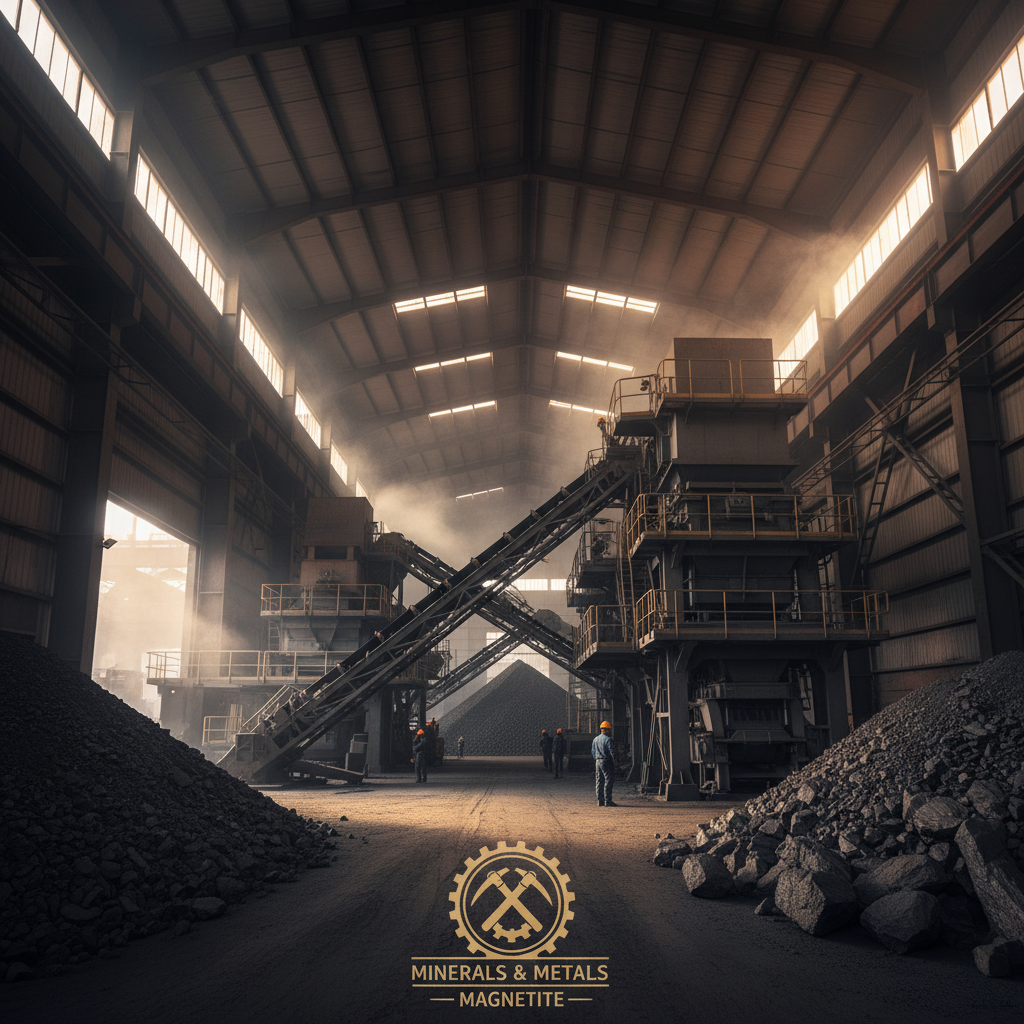
GCC production begins with the extraction of limestone or chalk from quarries. The raw material is then crushed, ground, and classified to achieve the desired particle size distribution. This process is relatively simple and cost-effective, making GCC the more economical option. However, the purity and particle shape are limited by the original raw material. GCC is extensively used in applications like paper, plastics, paints, and adhesives where high purity isn’t a critical requirement. The quality of GCC depends significantly on the source of the limestone and the efficiency of the grinding and classification processes.
GCC Production Benefits:
• Lower production cost
• Simple process
• Widely available raw materials
Precipitated Calcium Carbonate (PCC) Production: A Detailed Look
PCC is created through a controlled chemical reaction involving carbon dioxide and calcium hydroxide (slaked lime). This process allows for precise control over particle size, shape, and purity. The reaction is typically carried out in a reactor under specific temperature and pH conditions. PCC offers superior whiteness, brightness, and controlled morphology compared to GCC. It’s commonly used in high-end applications like pharmaceuticals, food, cosmetics, and specialty paper where stringent quality requirements are paramount. Contact us to learn more about our PCC offerings.
Quality Control and Specifications
Maintaining consistent quality is paramount in calcium carbonate production. Rigorous quality control measures are implemented throughout the process, including monitoring particle size distribution, whiteness, brightness, and chemical purity. Standard specifications often include requirements for moisture content, insolubles, and heavy metal concentrations. At Glorystar Export, we adhere to the highest industry standards and provide comprehensive Certificates of Analysis (COA) with every shipment.
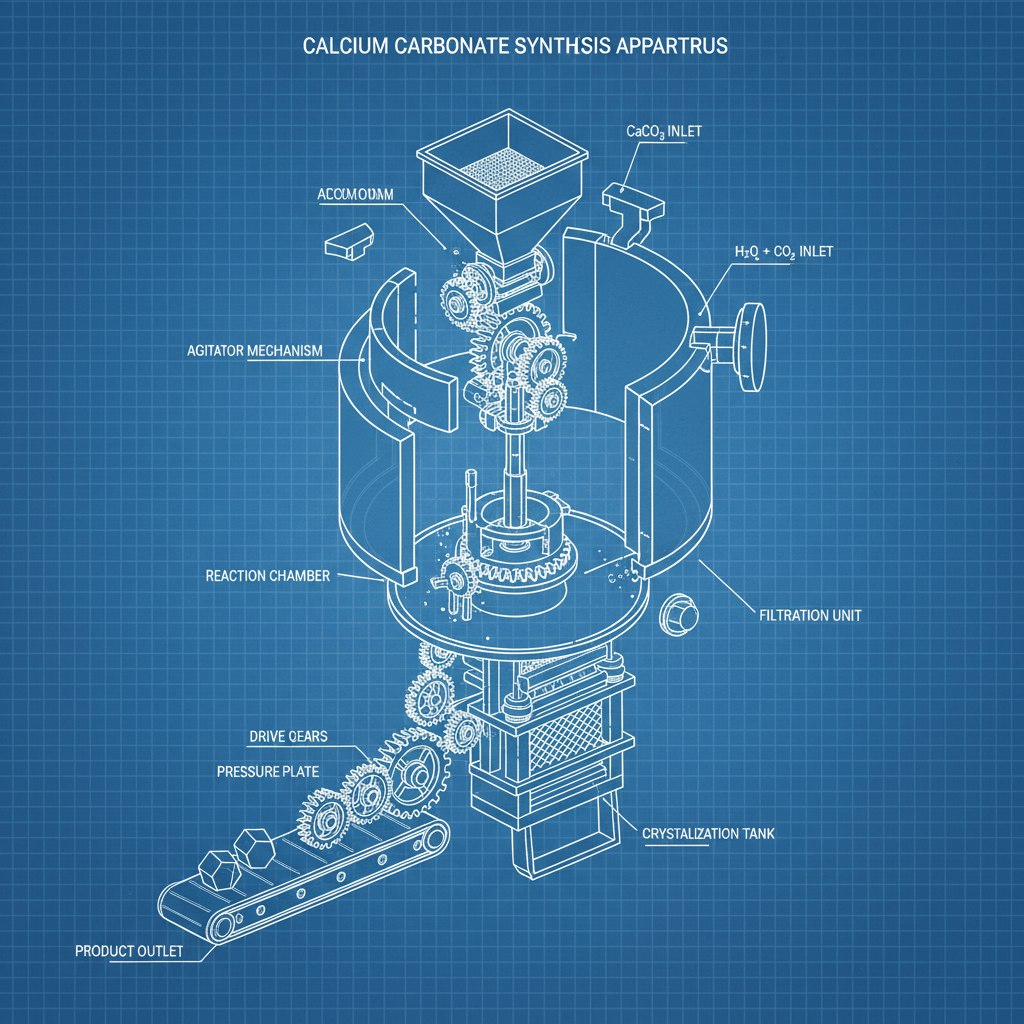
Sourcing Considerations and Choosing the Right Supplier
When sourcing calcium carbonate, it's essential to consider factors like consistency of supply, product quality, technical support, and pricing. Partnering with a reputable supplier like Glorystar Export ensures you receive high-quality products that meet your specific requirements. We offer customized solutions, reliable logistics, and dedicated customer service. Understanding the nuances of the calcium carbonate process and choosing the right supplier are key to success.
Conclusion
Selecting the appropriate calcium carbonate production process and a reliable supplier are critical for optimizing performance and cost-effectiveness. Whether you require the affordability of GCC or the precision of PCC, Glorystar Export is your trusted partner in meeting your industrial mineral needs.
Frequently Asked Questions (FAQs)
What are the main applications of calcium carbonate?
Calcium carbonate is incredibly versatile, with applications spanning numerous industries. It’s used extensively in the paper industry as a filler to improve opacity and brightness. In plastics, it acts as a reinforcing agent and cost reducer. The construction industry utilizes it in cement, mortar, and concrete. Furthermore, it finds applications in paints, coatings, adhesives, rubber, and even as a dietary supplement and antacid. Its wide range of applications highlights its importance in modern manufacturing.
How does particle size affect the performance of calcium carbonate?
Particle size is a critical factor influencing the performance of calcium carbonate. Smaller particle sizes generally offer higher surface area, leading to improved dispersion and reactivity. This is particularly important in applications like plastics and coatings where uniform distribution is essential. Conversely, larger particle sizes may be suitable for applications where bulk and opacity are prioritized. Precise control over particle size distribution is a key advantage of the PCC production process.
What are the environmental considerations in calcium carbonate production?
The environmental impact of calcium carbonate production varies depending on the process. GCC production can involve quarrying, which can disrupt ecosystems. PCC production, while cleaner, requires significant energy input and careful management of chemical byproducts. Sustainable practices, such as responsible quarrying, energy efficiency, and byproduct utilization, are crucial for minimizing environmental impact. Glorystar Export is committed to sustainable sourcing and production methods.
Post time: Jan-27-2026
.png "About")