

Clay Pebbles for Aloe Vera: The Ultimate Guide to Healthy Growth
Growing aloe vera is rewarding, but achieving optimal health and growth requires the right potting medium. While soil can be used, many aloe vera enthusiasts are turning to clay pebbles for aloe vera. These lightweight, porous aggregates offer superior drainage, aeration, and a pH-neutral environment that aloe vera thrives in. This article delves into the benefits of using clay pebbles, how to use them effectively, and why they’re a game-changer for aloe vera cultivation. Learn how to provide the ideal environment for your aloe vera to flourish and maximize its health benefits.
Why Choose Clay Pebbles for Aloe Vera?
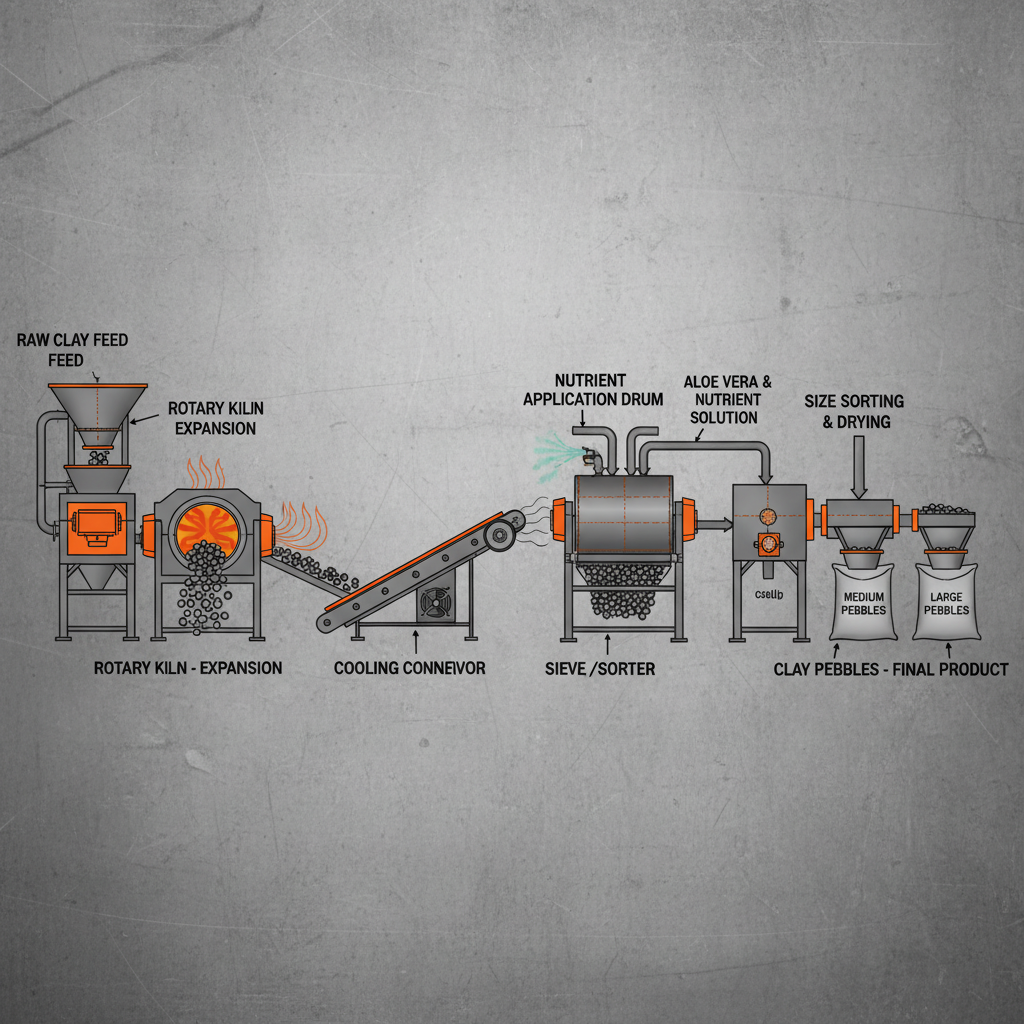
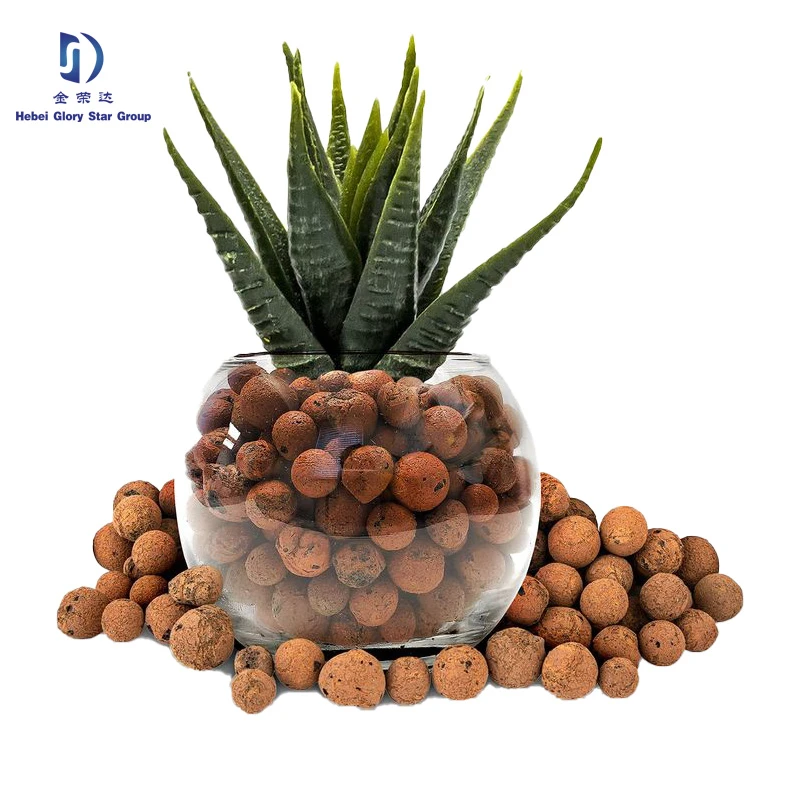
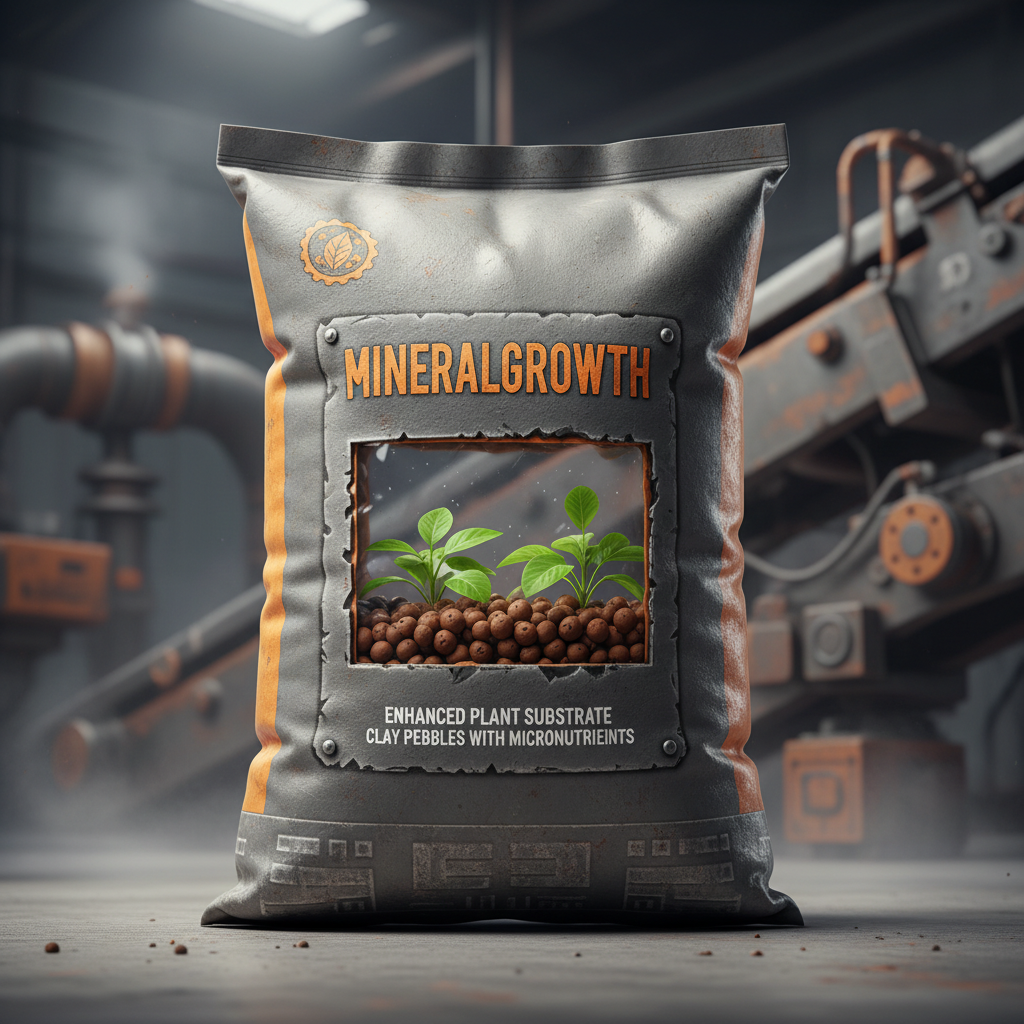
Aloe vera is a succulent, meaning it’s adapted to arid environments and susceptible to root rot if overwatered. Traditional potting soil often retains too much moisture, creating a breeding ground for fungal diseases. Clay pebbles, also known as LECA (Lightweight Expanded Clay Aggregate), provide excellent drainage, preventing waterlogging and promoting healthy root development. Their porous structure also allows for good aeration, ensuring the roots receive the oxygen they need. Additionally, clay pebbles are pH neutral, which is ideal for aloe vera’s preferred slightly acidic to neutral pH range. The use of clay pebbles also minimizes the need for frequent repotting as they don’t decompose like organic matter.
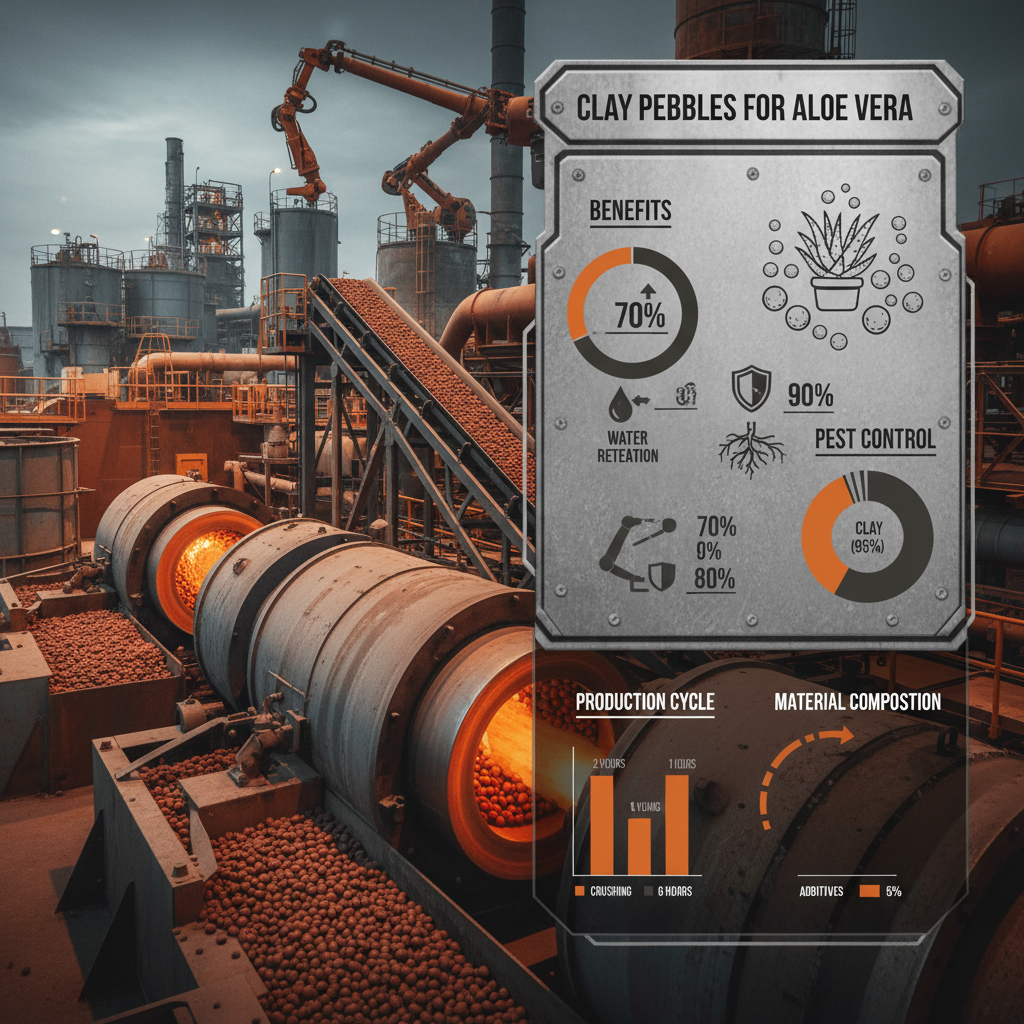
Key Benefits: Excellent drainage, promotes aeration, pH neutral, minimizes repotting, lightweight and reusable.
Clay Pebbles vs. Soil: A Direct Comparison
Understanding the differences between clay pebbles and traditional soil is crucial for making informed decisions about your aloe vera's growth medium. Soil, especially if it's not well-draining, can lead to root rot, a common problem for aloe vera. Clay pebbles, on the other hand, offer a controlled environment, preventing overwatering and ensuring the roots get sufficient oxygen. While soil provides some nutrients, aloe vera doesn’t require particularly rich soil, and nutrients can be supplied through liquid fertilizers. Clay pebbles are also inert, meaning they won’t decompose and need replacing as frequently as soil.
How to Plant Aloe Vera in Clay Pebbles
Planting aloe vera in clay pebbles is a straightforward process. First, rinse the clay pebbles thoroughly to remove any dust or debris. Choose a pot with drainage holes. A layer of pebbles can be placed at the bottom of the pot for enhanced drainage. Gently remove the aloe vera from its current container, being careful not to damage the roots. Place the aloe vera in the pot and carefully fill the surrounding space with clay pebbles, ensuring the roots are adequately covered. Water thoroughly initially, and then allow the pebbles to dry out between waterings. Regularly fertilize with a balanced liquid fertilizer diluted to half strength during the growing season (spring and summer).
Optimizing Watering with Clay Pebbles
Watering is the key to success with clay pebbles. Unlike soil, clay pebbles don't visually indicate moisture levels, so it’s important to check the weight of the pot. Water when the pot feels significantly lighter. Allow excess water to drain completely, ensuring the pebbles aren't constantly saturated. Overwatering is still possible, so err on the side of underwatering. The frequency of watering will depend on factors like temperature, humidity, and pot size. Glorystarexport.com offers a wide variety of clay pebble sizes to suit your aloe vera's needs.
Conclusion: A Healthier Future for Your Aloe Vera
Using clay pebbles for aloe vera is a simple yet effective way to improve its growth and overall health. By providing superior drainage, aeration, and a pH-neutral environment, you can create the ideal conditions for your aloe vera to thrive. Make the switch to clay pebbles today and enjoy the benefits of a lush, healthy aloe vera plant.
Frequently Asked Questions (FAQs)
Can I mix clay pebbles with soil?
While you can mix clay pebbles with soil, it's generally not recommended. The purpose of clay pebbles is to provide superior drainage and aeration, which is compromised when mixed with soil. It’s best to use clay pebbles as a standalone growing medium. However, a very small amount of organic matter like coco coir can be added for moisture retention, but no more than 20% of the total volume.
Are clay pebbles reusable?
Yes, clay pebbles are fully reusable! After removing the plant, simply rinse the pebbles to remove any old roots or debris. You can then sterilize them by soaking them in a diluted bleach solution (1 part bleach to 9 parts water) for 30 minutes, followed by a thorough rinsing. This will prevent the spread of any potential diseases. Allow them to dry completely before reusing.
What size clay pebbles are best for aloe vera?
Typically, 8-16mm clay pebbles are ideal for aloe vera. This size provides good drainage and aeration while still offering enough support for the plant's roots. Smaller pebbles can retain too much moisture, while larger pebbles may not provide adequate support. Glorystarexport.com offers a variety of sizes to suit your needs.
How often should I fertilize aloe vera grown in clay pebbles?
Aloe vera doesn’t require heavy fertilization. During the growing season (spring and summer), fertilize every 4-6 weeks with a balanced liquid fertilizer diluted to half strength. Reduce or eliminate fertilization during the dormant season (fall and winter). Clay pebbles don't provide any nutrients themselves, so supplementing with fertilizer is important for optimal growth.
Post time: Feb-25-2026



.png "About")