

Orchids in Clay Pebbles: A Guide to Successful Growing
Growing orchids can be a wonderfully rewarding hobby, but achieving optimal results requires understanding their specific needs. A popular and effective method for cultivating these beautiful plants is using clay pebbles, also known as LECA (Lightweight Expanded Clay Aggregate). This guide delves into the benefits of using orchids in clay pebbles, covering everything from setup and care to troubleshooting common issues. We'll explore why this medium is a preferred choice for many orchid enthusiasts, offering improved aeration and drainage, crucial factors for healthy root development.
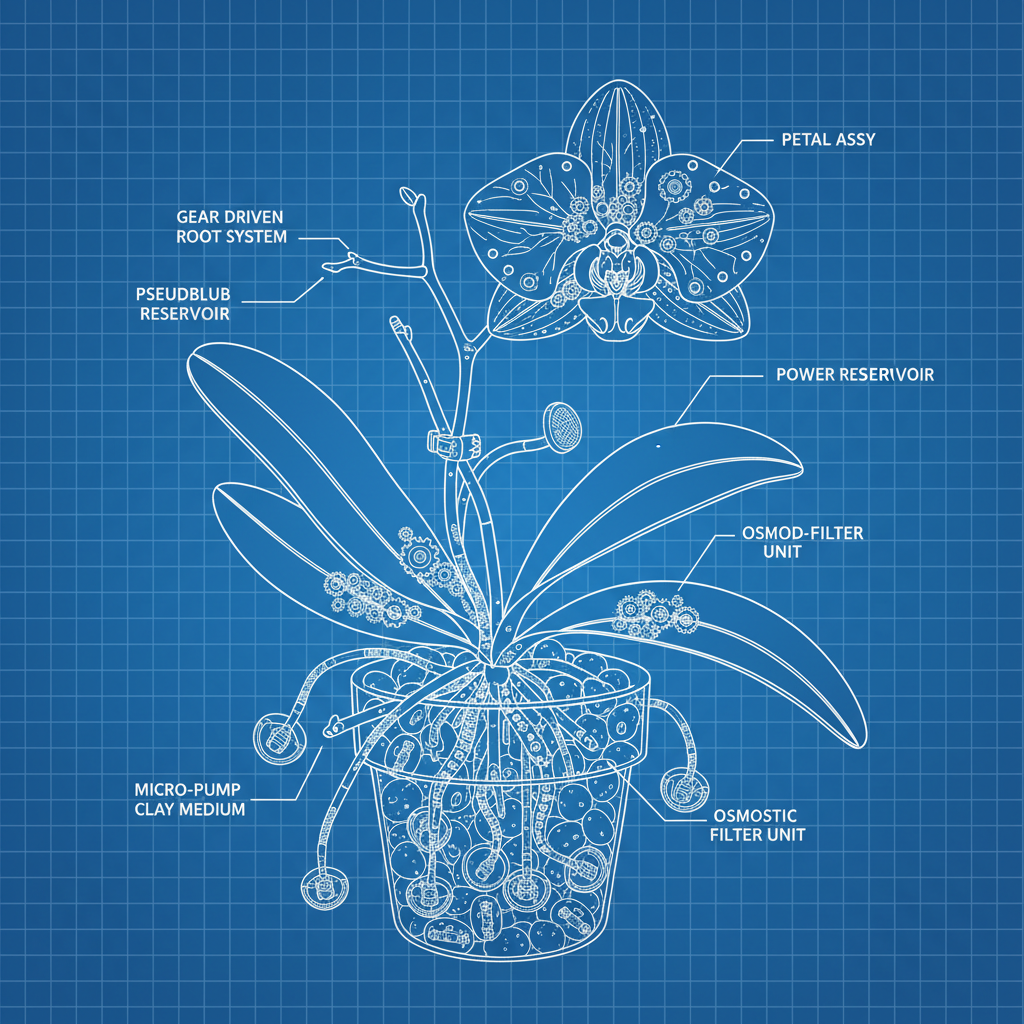
What are Clay Pebbles and Why Use Them for Orchids?
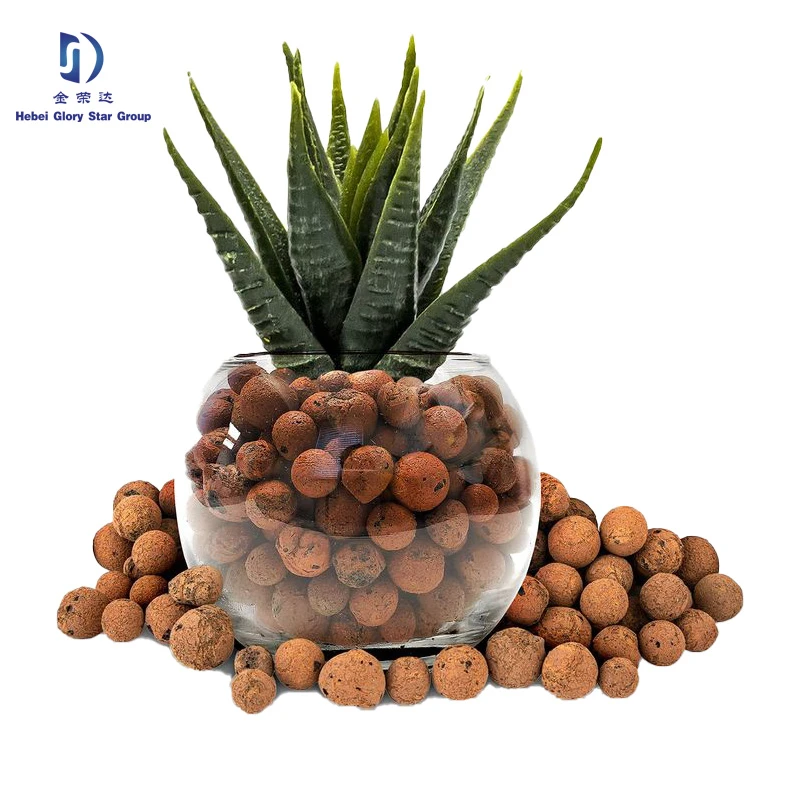
Clay pebbles are a manufactured growing medium made from heated clay. This process creates lightweight, porous balls that are excellent for providing aeration and drainage. Unlike traditional potting soil, clay pebbles don’t retain water, preventing root rot, a common problem with orchids. They’re also reusable; after cleaning and sterilizing, they can be used again for future plantings. This makes them an environmentally friendly and cost-effective option. Their inert nature means they won't decompose or affect the pH of the growing solution. Using clay pebbles for orchids mimics the airy conditions orchids experience when growing on trees in their natural habitat.
Key Benefits: Excellent aeration, superior drainage, reusable, pH neutral, and promotes healthy root growth.
Setting Up Your Orchid in Clay Pebbles
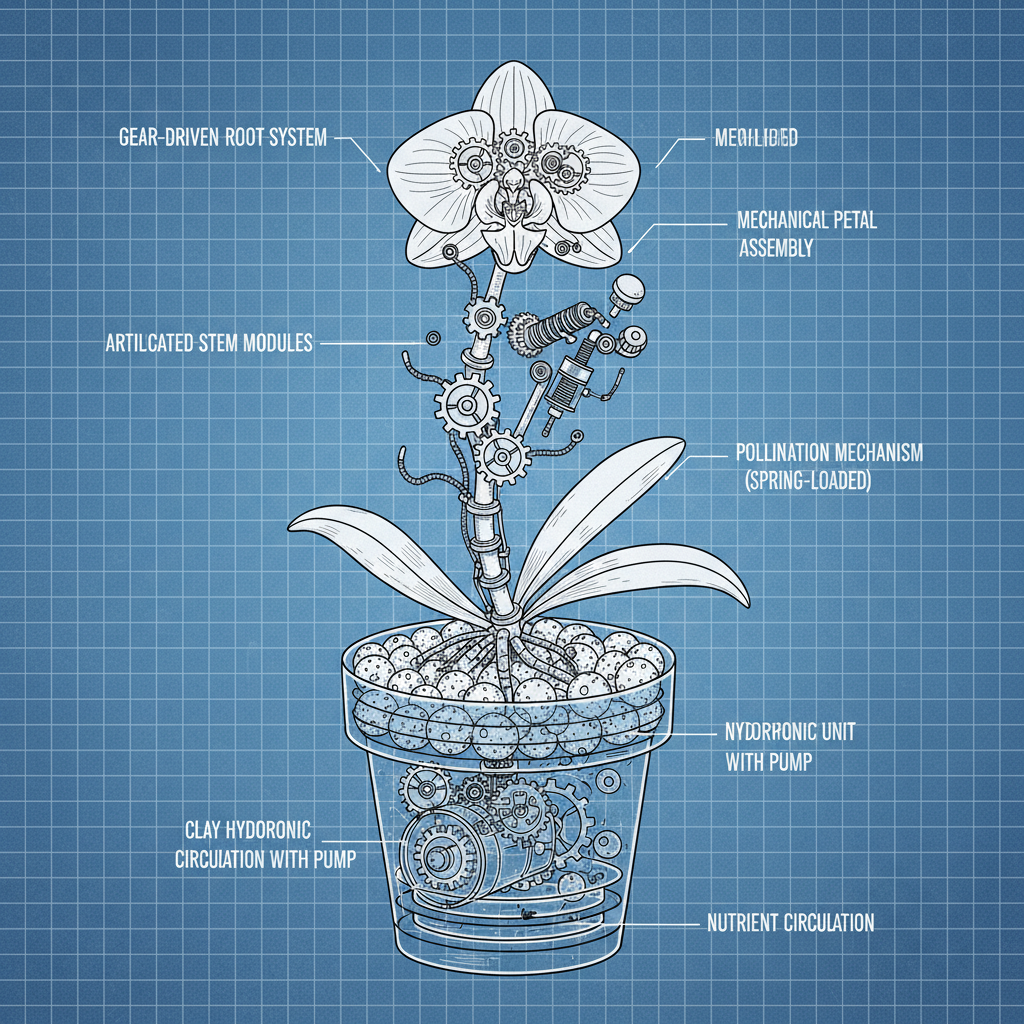
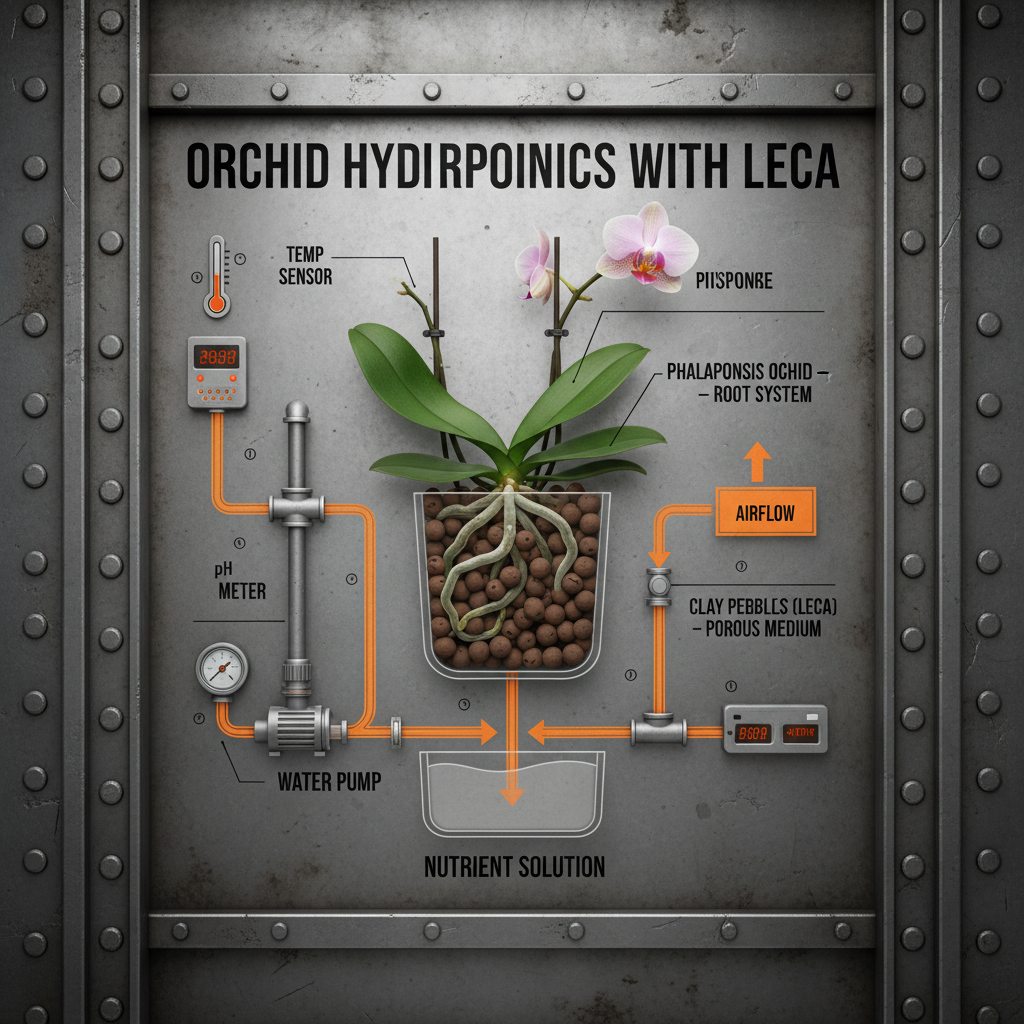
Setting up your orchid in clay pebbles requires a few essential components. You'll need a suitable container with drainage holes, the clay pebbles themselves, an orchid fertilizer designed for hydroponic use, and clean water. Begin by rinsing the clay pebbles thoroughly to remove any dust. Then, place a layer of pebbles at the bottom of the container for drainage. Gently position your orchid in the container, carefully spreading the roots around the pebbles. Fill the container with more clay pebbles, ensuring the roots are well-covered but the base of the leaves remains above the surface. Finally, water the orchid thoroughly and add a diluted orchid fertilizer solution.
Essential Supplies:
• Clay Pebbles (LECA)
• Container with Drainage
• Orchid Fertilizer (Hydroponic)
• Clean Water
Orchids in Clay Pebbles vs. Traditional Potting Mix: A Comparison
Choosing between clay pebbles and traditional potting mix significantly impacts your orchid's health. Traditional mixes often retain too much water, leading to root rot, while clay pebbles provide superior drainage and aeration. Clay pebbles also offer a cleaner growing environment, reducing the risk of fungal diseases and pest infestations. While traditional mixes may initially be cheaper, the long-term benefits of clay pebbles – reusability and healthier plants – often outweigh the cost.
Care and Maintenance of Orchids in Clay Pebbles
Caring for orchids grown in clay pebbles is relatively straightforward. Water thoroughly when the pebbles feel dry to the touch, ensuring excess water drains away. Fertilize regularly with a balanced orchid fertilizer diluted to half strength. Monitor your orchid for any signs of stress, such as yellowing leaves or stunted growth. Repotting is typically only necessary every 1-2 years, allowing you to refresh the clay pebbles and inspect the roots. Regularly check for pests and diseases and address them promptly. You can find high-quality supplies, including clay pebbles, at Glorystarexport.com.
Troubleshooting Common Issues
Even with proper care, you might encounter some issues. Yellowing leaves can indicate overwatering or nutrient deficiencies. Root rot is a sign of poor drainage, so ensure the pebbles aren’t compacted. Pests like mealybugs can be treated with insecticidal soap. Always address problems quickly to prevent them from escalating. Remember, prevention is key – providing adequate aeration, drainage, and nutrition will significantly reduce the risk of issues.
Conclusion: The Benefits of Clay Pebble Growing
Growing orchids in clay pebbles offers a fantastic way to cultivate these exquisite plants. The improved aeration, drainage, and reusability make it a superior method compared to traditional potting mixes. With a little care and attention, you can enjoy a vibrant and thriving orchid collection for years to come.
Frequently Asked Questions (FAQs)
How often should I water orchids grown in clay pebbles?
Watering frequency depends on environmental factors like temperature and humidity. Generally, water thoroughly when the clay pebbles feel dry to the touch. This might be every 3-7 days. Avoid letting the pebbles remain constantly saturated, as this can lead to root rot. A good rule of thumb is to allow the pebbles to dry out slightly between waterings. The best approach is to check the moisture level regularly and adjust your watering schedule accordingly. Look at the roots, healthy roots should be plump and silvery, while soggy roots are a sign of overwatering.
What type of fertilizer should I use for orchids in clay pebbles?
Use an orchid fertilizer specifically formulated for hydroponic systems. These fertilizers are designed to provide the essential nutrients orchids need without building up harmful salts in the clay pebbles. Dilute the fertilizer to half strength to avoid over-fertilizing. Fertilize regularly during the growing season (spring and summer), typically every 2-4 weeks. Reduce or stop fertilizing during the dormant season (fall and winter). You can find a range of suitable fertilizers on our website, Glorystarexport.com.
Can I reuse clay pebbles?
Yes, clay pebbles are reusable! However, they need to be thoroughly cleaned and sterilized before reuse. After removing the orchid, rinse the pebbles to remove any old roots or debris. Then, soak them in a solution of bleach and water (1 part bleach to 9 parts water) for 30 minutes to kill any bacteria or fungi. Rinse thoroughly with clean water before using them again. This ensures a healthy growing environment for your orchids.
What orchid species are best suited for growing in clay pebbles?
Most epiphytic orchids, such as Phalaenopsis (Moth Orchids), Dendrobium, and Cattleya, thrive in clay pebbles. These orchids naturally grow on trees and benefit from the excellent aeration and drainage provided by this medium. However, terrestrial orchids that prefer a more moisture-retentive substrate may not be as well-suited to clay pebbles. It's always best to research the specific needs of your orchid species before choosing a growing medium.
Post time: Jan-30-2026




.png "About")