

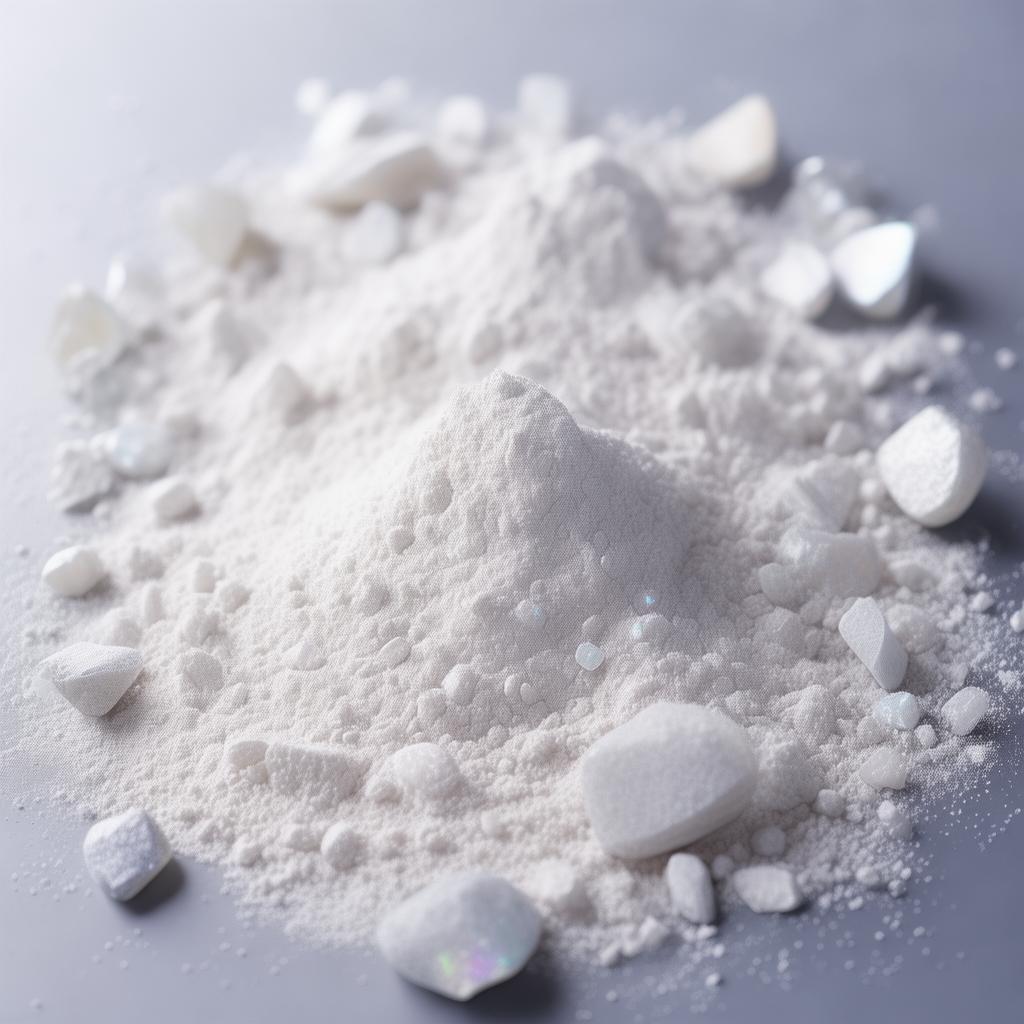


The Ultimate Guide to Gravel Glass: Unveiling Its Versatility and Applications
Introduction to Gravel Glass
Gravel glass, also known as river pebble glass, is a unique type of glass that has been gaining popularity in recent years. Its distinctive texture and natural aesthetic make it a favorite among architects, designers, and homeowners alike. In this article, we'll explore the history, production process, and various applications of gravel glass.
History of Gravel Glass
Gravel glass has been used for centuries, with its origins dating back to ancient times. Historically, it was used in windows, doors, and other architectural features. However, it wasn't until the late 20th century that the production process was refined, making it more accessible to a wider audience.
Evolution of Production Techniques
Over the years, the production techniques for gravel glass have evolved significantly. Early methods involved simply layering glass with gravel, while modern techniques involve a more precise and controlled process to achieve the desired texture and appearance.
Production Process of Gravel Glass
Producing gravel glass is a fascinating process that combines art and science. Here's a step-by-step guide to how it's made:
Step 1: Selecting the Raw Materials
The first step in producing gravel glass is selecting the raw materials. High-quality glass and natural river pebbles are the key ingredients. The pebbles must be carefully selected to ensure they have the desired size, shape, and texture.
Step 2: Preparing the Glass
The glass is then cleaned and cut to the desired size. It's important to ensure that the glass is free of any impurities or defects, as these can affect the final appearance of the gravel glass.
Step 3: Layering the Pebbles
The next step is to layer the glass with the selected river pebbles. This is done by carefully placing the pebbles between two layers of glass, ensuring that they are evenly distributed.
Step 4: Pressing and Curing
The glass and pebbles are then placed in a press to apply pressure, which helps to bond the pebbles to the glass. After pressing, the glass is cured to ensure that the pebbles are securely attached.
Step 5: Finishing and Quality Control
The final step involves finishing the gravel glass, which may include cutting, polishing, or adding additional coatings. Quality control is a crucial part of the process to ensure that each piece of gravel glass meets the high standards set by the manufacturer.
Product Specifications and Technical Table
| Parameter | Specification |
|---|---|
| Thickness | 6mm - 12mm |
| Size | Customizable |
| Color | Transparent, tinted, or frosted |
| Surface Texture | Smooth or textured |
| Edge Type | Polished, beveled, or flat |
aquarium glass gravel mica glass quartz gravel
Applications of Gravel Glass
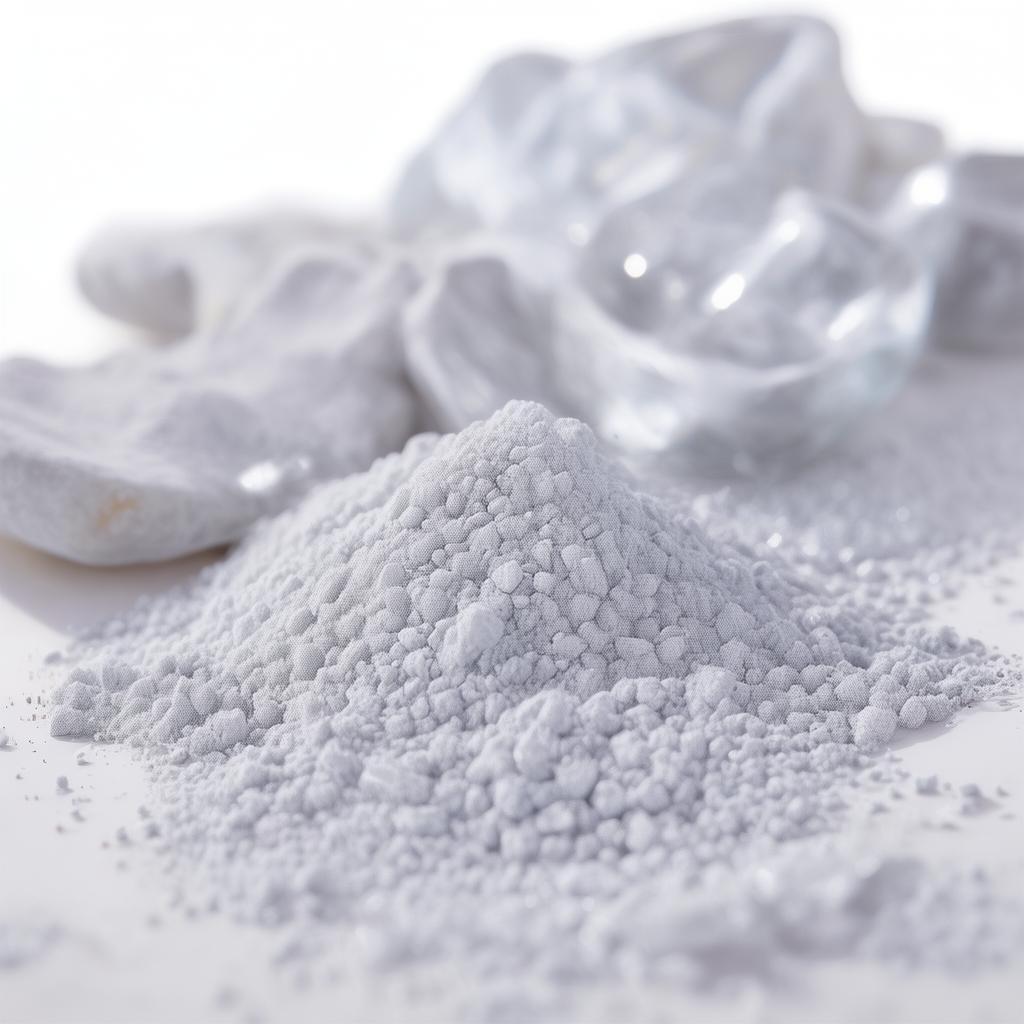
Gravel glass is incredibly versatile and can be used in a wide range of applications, from residential to commercial projects. Here are some of the most popular uses:
Residential Projects
- Windows and Doors
- Shower Enclosures
- Interior Walls
- Tabletops and Countertops
Commercial Projects
- Office Buildings
- Hotels and Resorts
- Shopping Centers
- Public Buildings
Benefits of Using Gravel Glass
There are several benefits to using gravel glass in your projects:
Unique Aesthetic
The natural texture and color of gravel glass add a unique and stylish element to any space.
Durability
Gravel glass is highly durable and can withstand harsh weather conditions and regular use.
Energy Efficiency
Gravel glass can help improve energy efficiency by reducing heat loss and gain.
Customization
Gravel glass can be customized to fit any design preference, making it a versatile choice for a wide range of projects.
Case Studies: Real-World Applications
Let's take a look at some real-world examples of gravel glass in action:
Example 1: Residential Home
In a recent residential project, gravel glass was used to create a stunning backsplash in the kitchen. The unique texture and color of the glass added a touch of elegance to the space, while also providing a durable and easy-to-clean surface.
Example 2: Commercial Building
A commercial building in the city center used gravel glass to clad the exterior walls. The natural aesthetic of the glass complemented the modern design of the building, while also providing excellent insulation and durability.
Conclusion
Gravel glass is a versatile and stylish material that can transform any space. Its unique texture, durability, and energy-efficient properties make it an excellent choice for both residential and commercial projects. Whether you're an architect, designer, or homeowner, gravel glass is sure to add a touch of sophistication to your next project.
For more information on gravel glass and its applications, please contact us at Glory Star Group. Our team of experts is ready to assist you with all your glass needs.






.png "About")