

The Ultimate Guide to High-Performance Oxide Pigments
In the world of industrial coloring, achieving a vibrant, long-lasting hue requires more than just a simple dye; it requires the precision of oxide pigments. These inorganic compounds are essential for professionals in construction, plastics, and coatings who demand exceptional stability and weather resistance. Whether you are coloring concrete for an architectural masterpiece or developing high-durability automotive paints, understanding the chemistry and application of these pigments is key to quality. This guide explores the versatility, technical specifications, and strategic advantages of using premium oxide pigments in modern manufacturing.

What Are Oxide Pigments and How Do They Work?
At their core, oxide pigments are chemical compounds formed from the oxidation of metals. Unlike organic dyes, which can fade rapidly under sunlight, these inorganic pigments are renowned for their lightfastness and heat stability. They work by reflecting specific wavelengths of light while absorbing others, creating the deep, rich colors seen in everything from red brick pavers to yellow industrial coatings. Because they are chemically inert, they do not react with most substrates, making them the ideal choice for alkaline environments like fresh cement or high-temperature plastic extrusion processes.
Industry Fact: Inorganic oxide pigments are preferred in outdoor applications because they resist UV degradation far better than carbon-based organic alternatives.
Key Types and Applications of Oxide Pigments
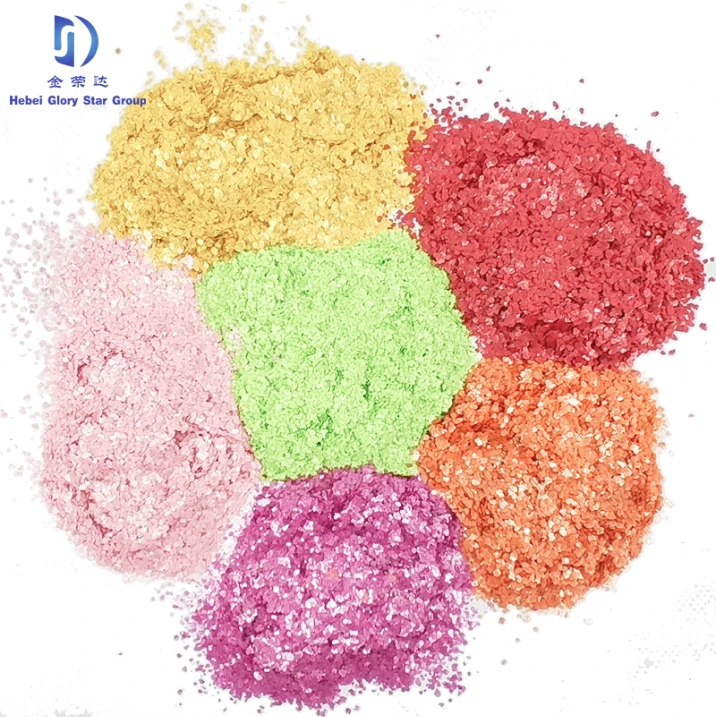
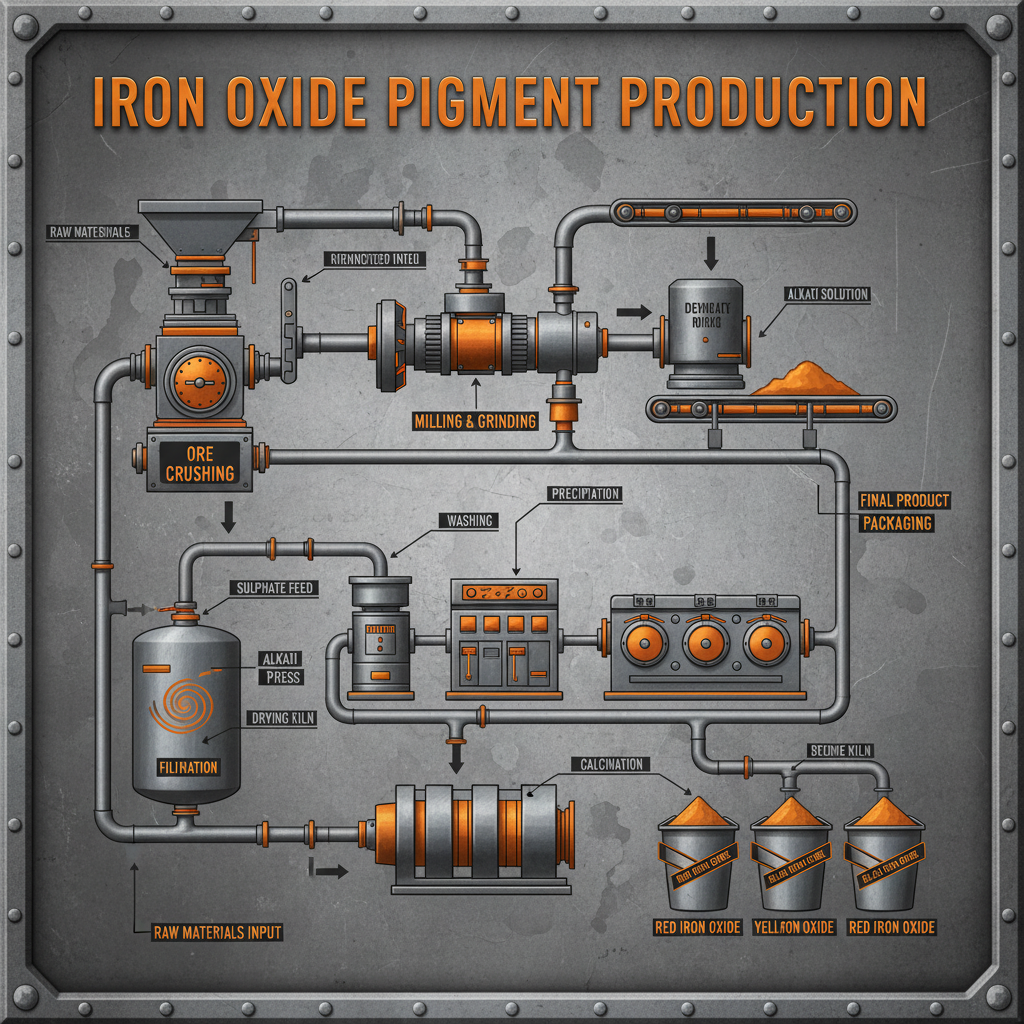
Depending on the metal oxide used, these pigments provide a vast spectrum of colors. Iron oxides are the most common, providing the classic reds, yellows, and blacks. However, cobalt and chromium oxides are utilized for more specialized blues and greens. These materials are indispensable in the construction sector for coloring roof tiles and paving stones, and in the chemical industry for creating high-grade plastics. By integrating these pigments during the mixing phase, manufacturers ensure a homogenous color distribution that permeates the entire material rather than just coating the surface.
Technical Specifications of Premium Oxide Pigments
When sourcing oxide pigments, technical parameters such as particle size, oil absorption, and purity are critical. A finer particle size generally leads to better dispersibility and a smoother finish. Furthermore, the chemical purity of the pigment ensures that there are no unwanted reactions with the binder or resin, which could otherwise lead to streaking or discoloration over time. Below is a detailed specification table for the most commonly used industrial oxides.
Comparing Oxide Pigments vs. Organic Pigments
For many procurement managers, the choice between oxide pigments and organic alternatives comes down to the balance between brilliance and longevity. Organic pigments often provide "brighter" or "neon" colors, but they succumb to UV rays and chemical erosion much faster. In contrast, inorganic oxides are the gold standard for durability. While they may have a more muted tone, their ability to withstand alkaline environments—such as those found in wet concrete—makes them irreplaceable in civil engineering and heavy-duty industrial coatings.
Why Choose Oxide Pigments?
• Weatherproof: No fading under intense sunlight.
• Chemical Resistance: Stable in acidic or alkaline media.
• Cost-Effective: Higher opacity means less pigment is needed for full coverage.
• Eco-Friendly: Generally non-toxic and safer for environmental use.
Best Practices for Using Oxide Pigments in Production
To maximize the efficiency of oxide pigments, proper dispersion is non-negotiable. If the pigment is not evenly distributed, the final product will suffer from "spotting" or inconsistent color streaks. We recommend using high-shear mixers or specialized dispersing agents to ensure every particle is fully wetted and suspended. In concrete applications, adding the pigment during the initial mixing stage (integral coloring) is far more effective than surface painting, as it ensures the color remains consistent even if the surface is scratched or worn down over decades of use.
Conclusion: Enhancing Quality with Premium Oxide Pigments
Choosing the right oxide pigments is an investment in the longevity and aesthetic value of your product. From superior UV resistance to unmatched chemical stability, these pigments provide the reliability that industrial professionals need. By adhering to proper dispersion techniques and selecting pigments with the correct technical specifications, you can ensure a high-quality finish that stands the test of time. Elevate your production standards by sourcing high-purity oxides today.
Frequently Asked Questions (FAQs)
Are oxide pigments safe for residential use?
Yes, most industrial oxide pigments, especially iron oxides, are non-toxic and environmentally friendly. They are widely used in residential flooring, decorative concrete, and household plastics. Because they are chemically stable and do not leach harmful substances into the environment, they are considered a safe choice for both indoor and outdoor home improvement projects. Always check the specific MSDS (Material Safety Data Sheet) for any specialized chemical variants.
How do I prevent color fading in outdoor concrete?
The most effective way to prevent fading is to use high-quality inorganic oxide pigments rather than organic dyes. Since oxides are mineral-based, they naturally resist UV radiation. Additionally, implementing integral coloring (mixing the pigment into the concrete) ensures that the color is consistent throughout the slab. For extra protection, applying a UV-resistant sealer over the cured concrete can further shield the pigments from environmental wear and tear, maintaining the vibrancy for years.
Can I mix different oxide pigments to create custom colors?
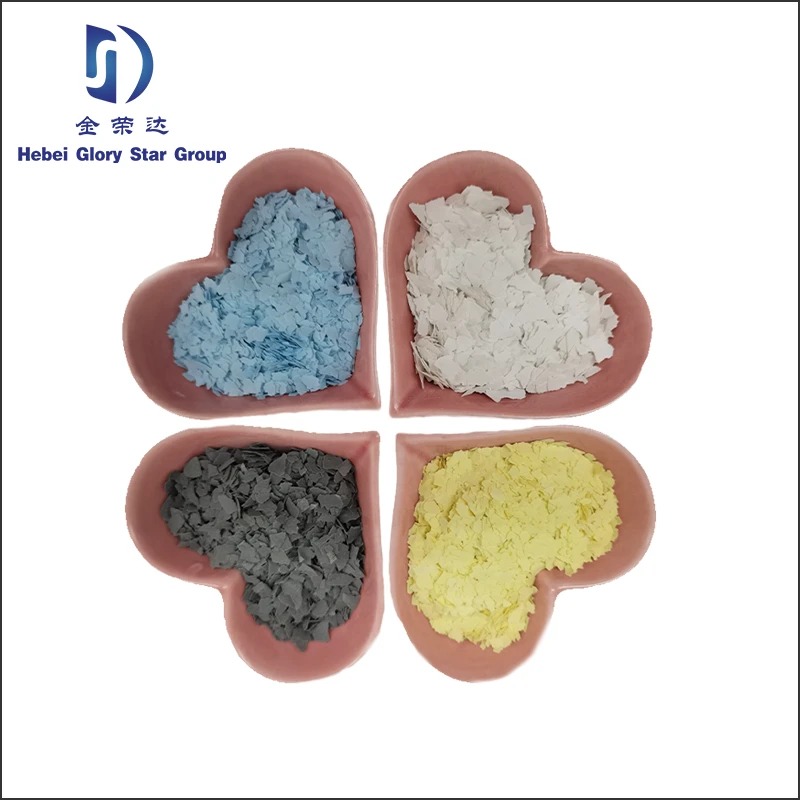
Absolutely. One of the greatest advantages of oxide pigments is their compatibility. You can blend red, yellow, and black oxides in varying ratios to create an almost infinite array of earth tones, such as terracotta, olive green, or deep charcoal. We recommend creating a small-scale "test batch" first to ensure the desired shade is achieved before proceeding to full-scale production, as the base color of your material (e.g., the gray of the cement) will influence the final result.
What is the difference between pigment and dye?
The primary difference lies in solubility. A dye is soluble in the medium (like water or alcohol), whereas a pigment is an insoluble particle that is suspended within the medium. Oxide pigments do not dissolve; instead, they are dispersed. This is why pigments provide much better opacity and stability. While dyes may offer more brilliant colors, they lack the durability, heat resistance, and UV stability of oxide pigments, making the latter the only viable choice for heavy industrial and construction applications.
Post time: Apr-09-2026




.png "About")