



The Marvelous World of Mica Glass: Unveiling the Glint of Nature
Understanding Mica: The Sparkling Gemstone
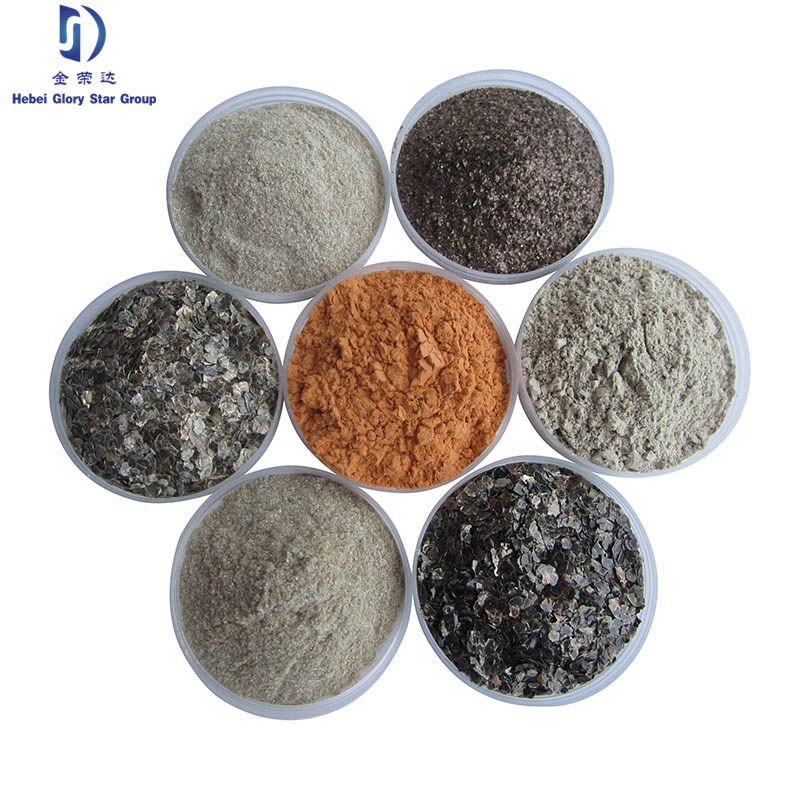
Mica, a mineral composed of sheet silicate, is a wonder of nature that has captivated the world for centuries. Known for its sparkling appearance and versatile properties, mica is not just a gemstone but also a key component in the creation of mica glass.
Origins and Extraction
Mica is typically found in igneous and metamorphic rocks. Its extraction involves mining, which is done by hand or through the use of heavy machinery. Once extracted, mica is cleaned and sorted before it can be used in various applications, including the production of mica glass.
Introducing Mica Glass: A Versatile Wonder
Mica glass, as the name suggests, is a type of glass that incorporates mica. This unique blend creates a glass that is not only visually stunning but also boasts exceptional properties that make it a favorite in numerous industries.
Product Specifications
| Property | Specification |
|---|---|
| Color | Clear, green, blue, and gold |
| Transparency | Transparent to translucent |
| Thermal Conductivity | Low thermal conductivity |
| Shatter Resistance | High shatter resistance |
Applications of Mica Glass
Mica glass finds its way into various applications, from decorative items to high-tech gadgets. Its unique properties make it a favorite in the following industries:
- Construction: Mica glass is used in the construction industry for windows, skylights, and facades due to its excellent thermal and shatter resistance.
- Automotive: Mica glass is a key component in car windshields and other automotive glass, providing both clarity and durability.
- Electronics: Its non-conductive and heat-resistant properties make mica glass ideal for use in electronic devices, such as computer screens and smartphones.
- Decorative Arts: Mica glass is also used in decorative arts, including lamps, vases, and jewelry, due to its unique visual appeal.
The Environmental Aspect
While mica glass is a versatile material, it is essential to consider its environmental impact. Mining and processing mica can lead to deforestation and soil erosion. Therefore, it is crucial for manufacturers to adopt sustainable practices to minimize their environmental footprint.
Sustainable Practices
At Glory Star Group, we take our environmental responsibility seriously. Our factory follows ISO9001 Certification standards and ensures that our mica glass production process is eco-friendly. We strive to reduce waste, reuse materials, and recycle wherever possible.
Case Study: The Role of Mica Glass in Solar Panels
One of the most fascinating applications of mica glass is in solar panels. Its ability to conduct electricity and withstand high temperatures makes it an ideal material for use in photovoltaic cells. By incorporating mica glass, solar panels can become more efficient and durable, leading to a cleaner and more sustainable future.
The Future of Mica Glass
The demand for mica glass is on the rise, and with advancements in technology, its applications are expanding. The future of mica glass looks promising, with potential breakthroughs in energy efficiency and environmental sustainability.
Conclusion: Embracing the Power of Mica Glass
Mica glass is more than just a material; it is a testament to the wonders of nature and the ingenuity of humans. As we continue to explore its potential, we can look forward to a future where mica glass plays a vital role in shaping our world.
At Glory Star Group, we are committed to providing high-quality mica glass solutions that meet the needs of our customers while maintaining our environmental values. Join us on this journey of discovery and innovation.
For more information on our products and services, please contact us at https://www.glorystarexport.com/contactus.html.





.png "About")