
Pine Bark Mulch

Pine Bark Mulch

Pine Bark Mulch

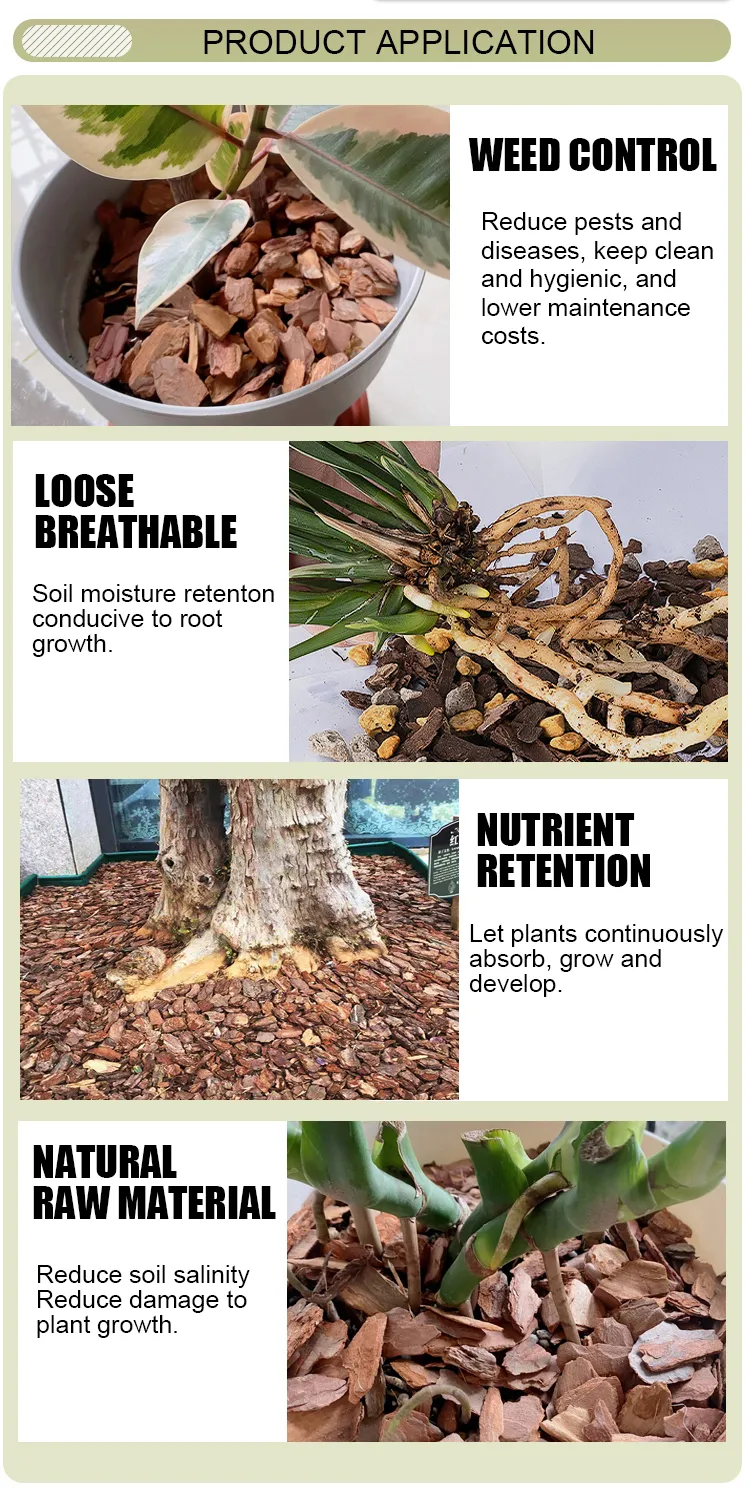
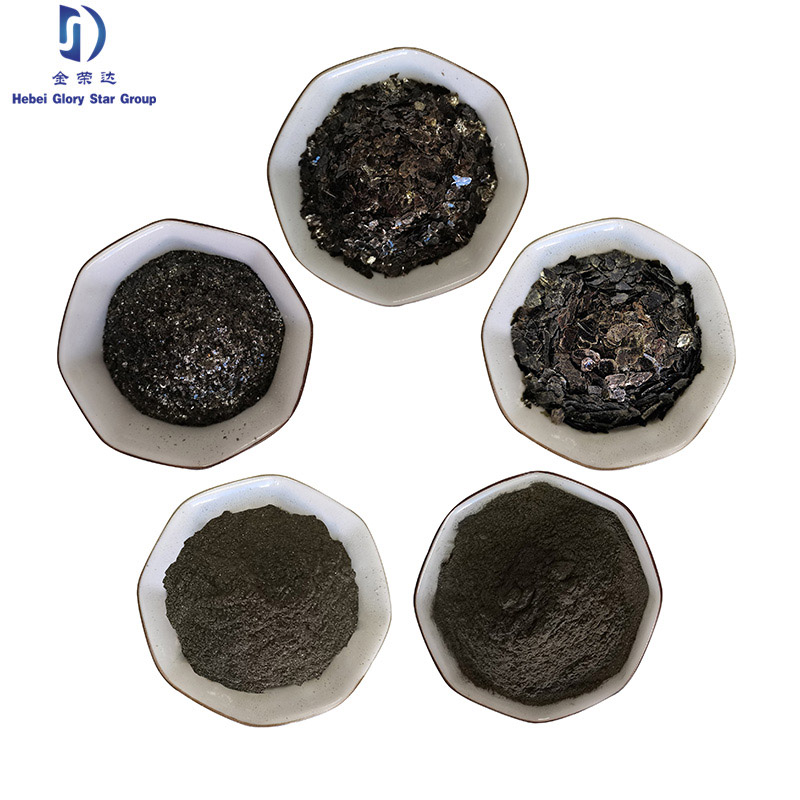
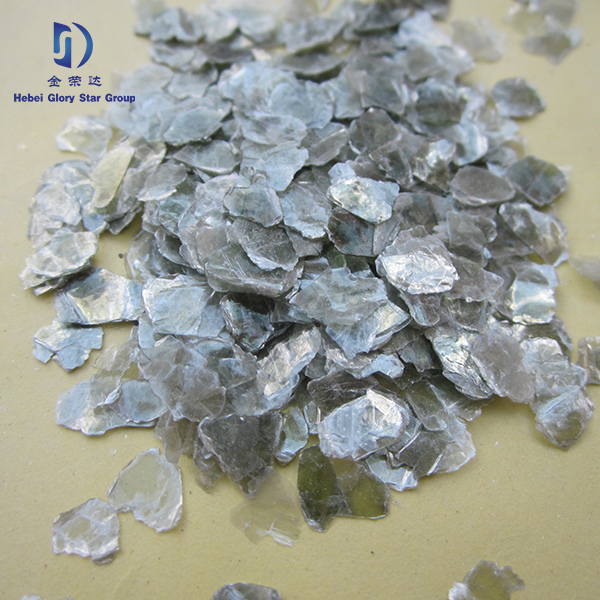
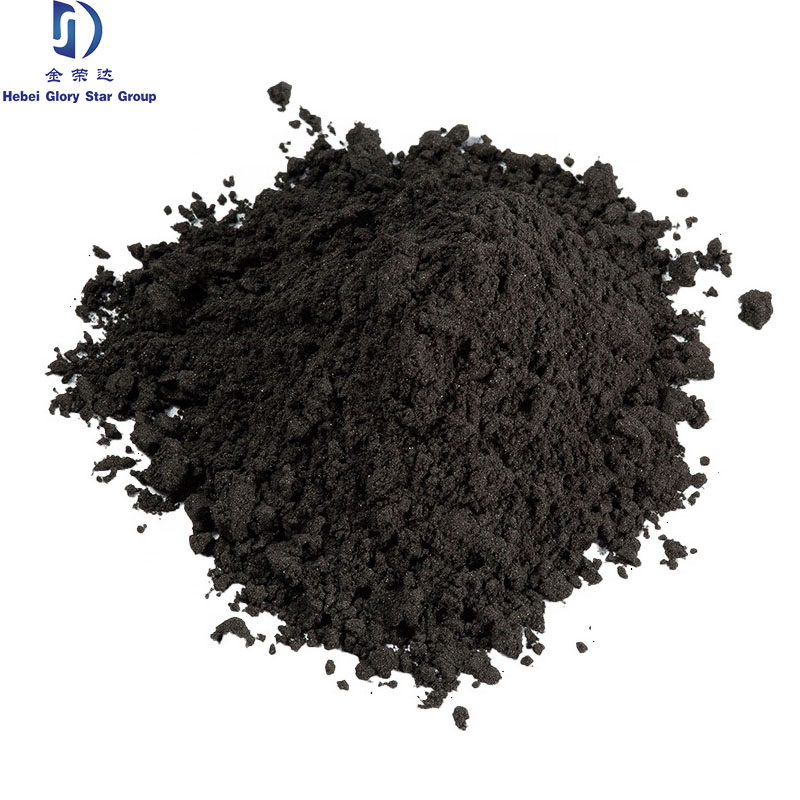
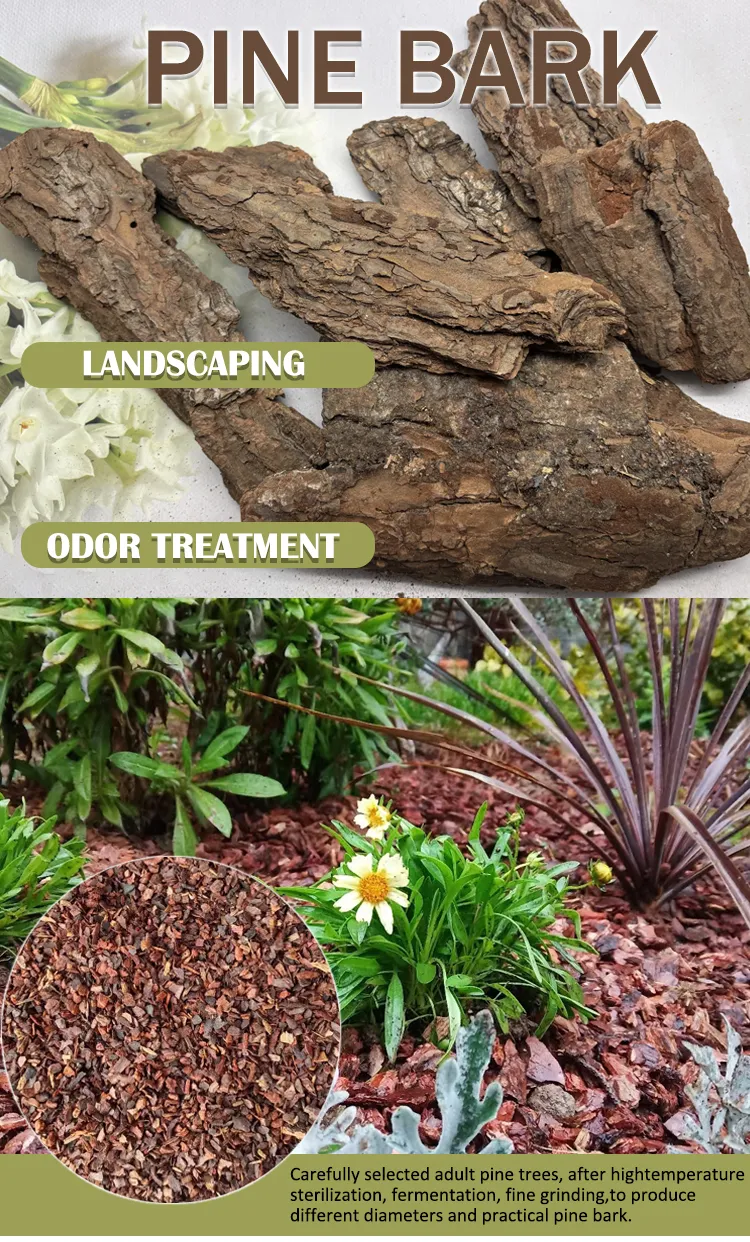
The product has the advantages of improving soil environment, maintaining soil moisture, preventing acid rain corrosion, saving maintenance cost, enhancing urban permeable area, enhancing soil fertility, regulating soil temperature, blocking adsorption of dust and inhibiting surface weeds.

Download
DESCRIPTION
CUSTOMER REVIEW
PRODUCT TAGS
Unique Properties


Product name

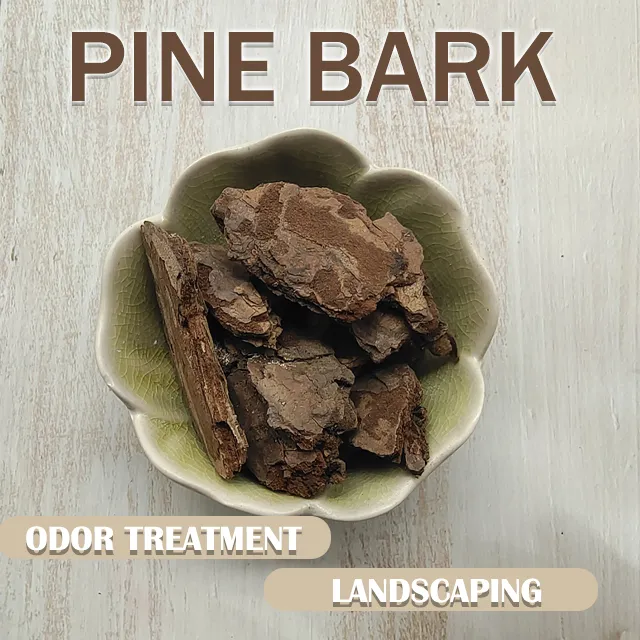
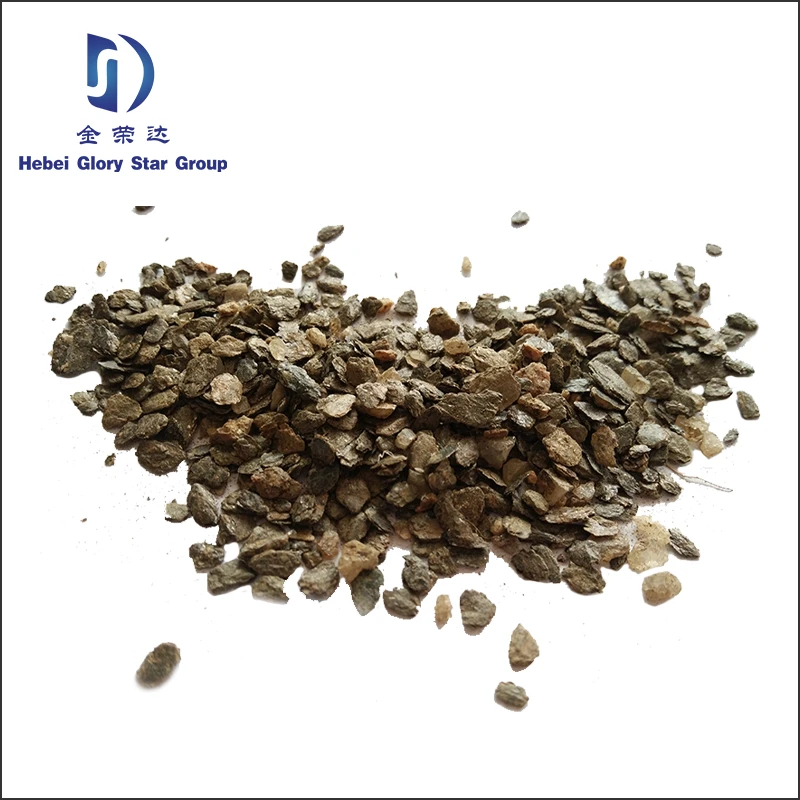
pine bark

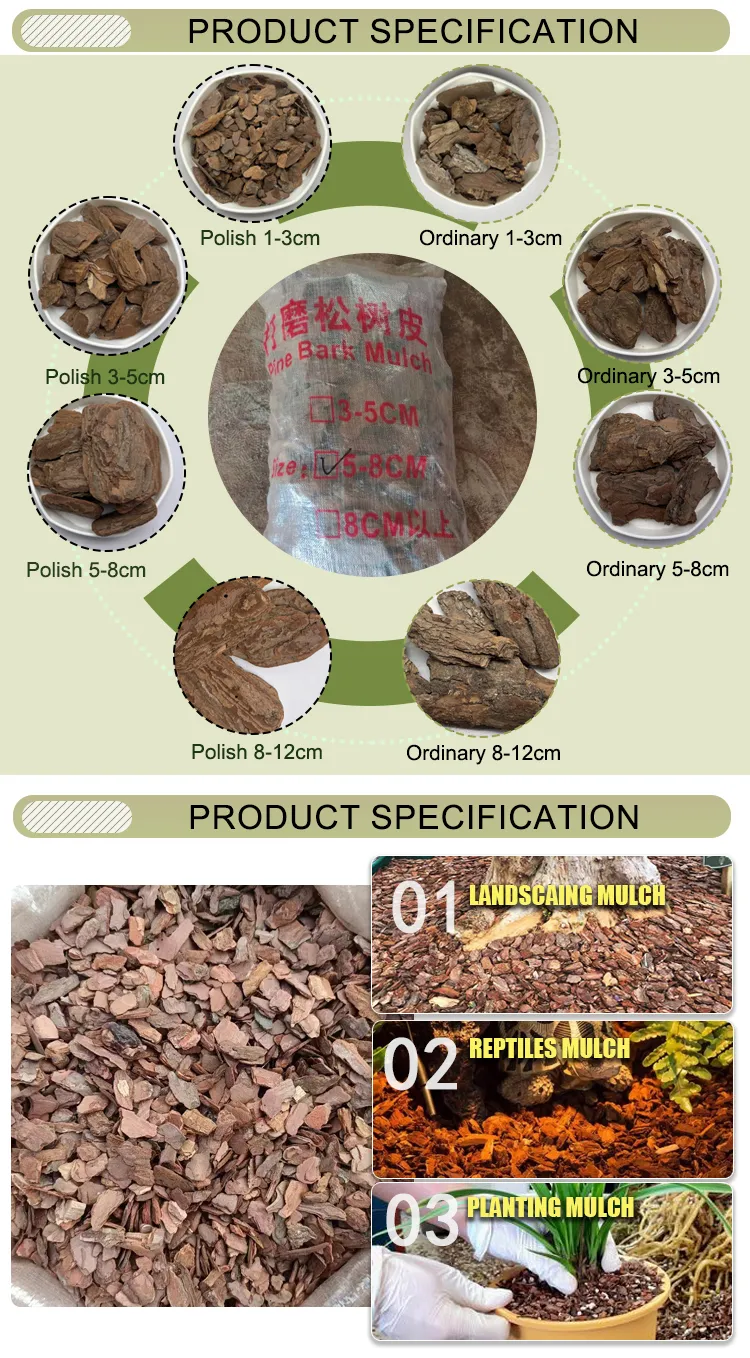
Size

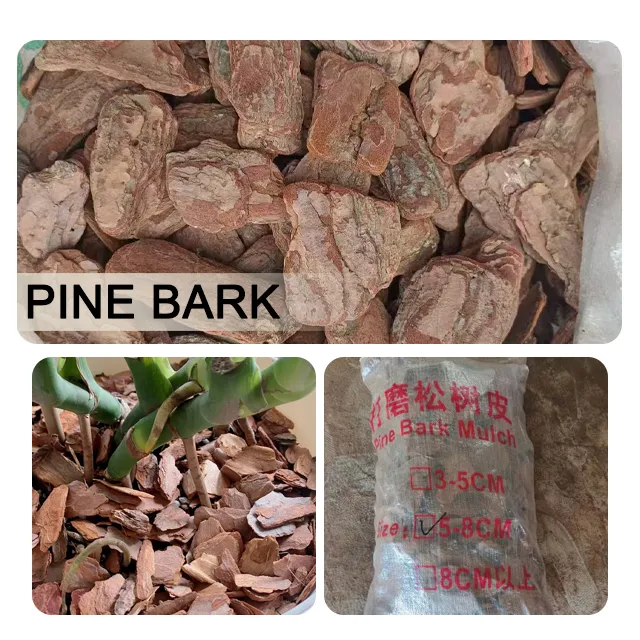
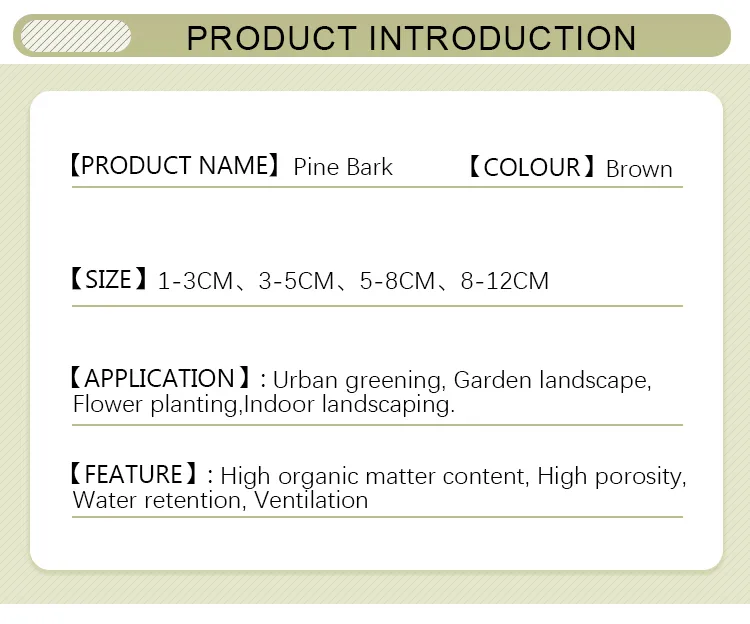
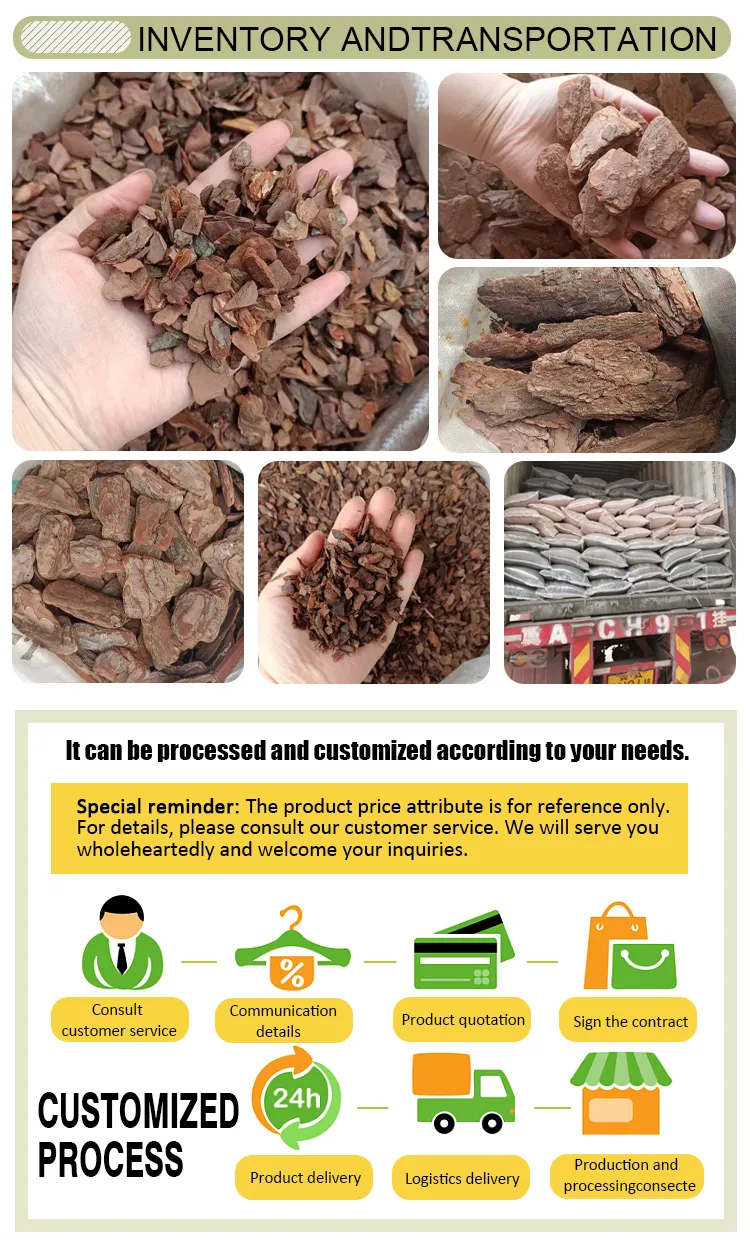
1~3cm 3~5cm 5~8cm 8~12cm 12~20cm

Factory location

Hebei, China

Color

Natural Wood Color

Processing

Grinding, fermentation

Application

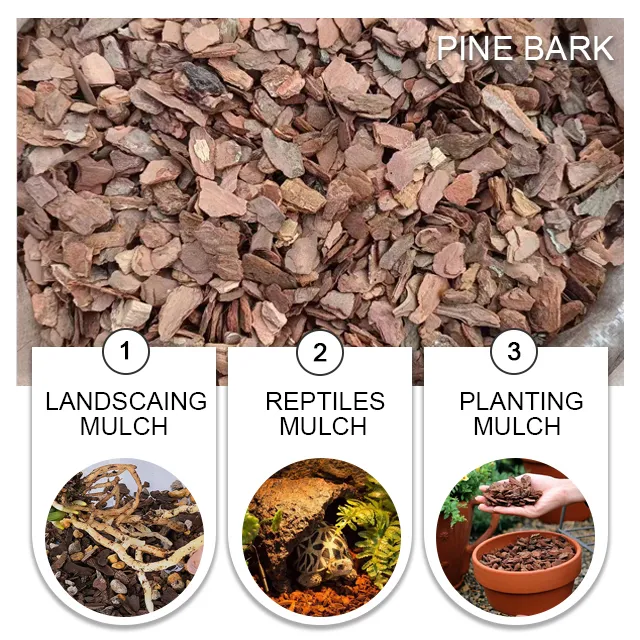
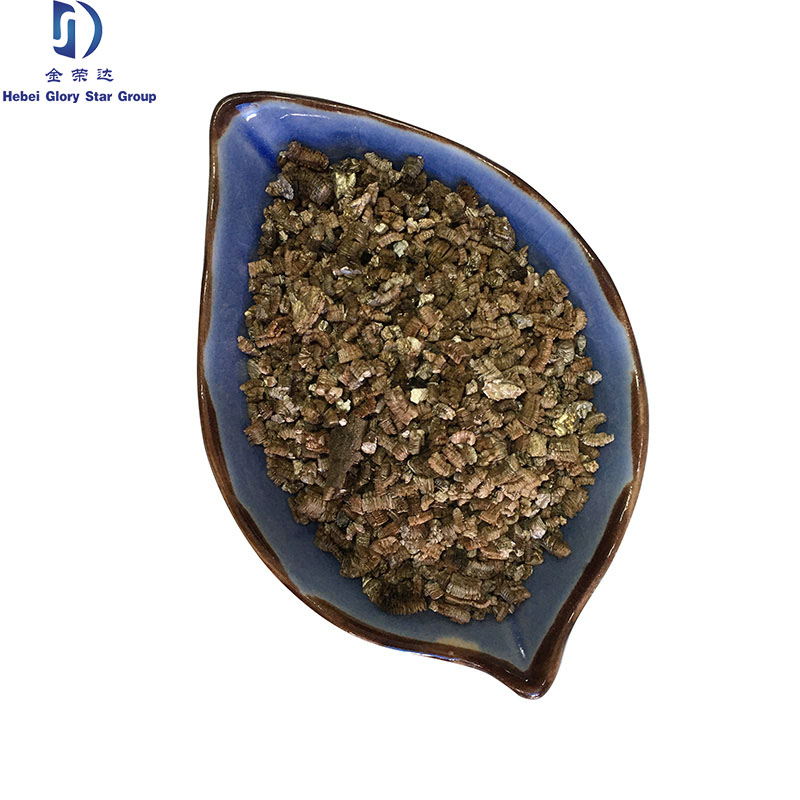
Garden mulch, decorative mulch,landscaping or planting or reptiles bedding


Features of our Pine Bark


- Excellent drainage:  Pine bark is a coarse material that allows water to drain quickly through the soil. This helps to prevent waterlogged soil, which can lead to root rot and other problems.


- pH neutral: Our Pine Bark has a pH of around 5.5 to 6.5, which is neutral to slightly acidic. This makes it an excellent choice for plants that prefer a slightly acidic soil, such as azaleas, rhododendrons, and blueberries.


- Rich in nutrients: Pine bark is rich in organic matter, which provides nutrients to plants as it breaks down. It also helps to improve soil structure and fertility, making it easier for plant roots to absorb nutrients and water.


- Long-Lasting:  Pine Bark is a durable material that breaks down slowly in the soil. This means that it can provide long-lasting benefits to your plants, even after several growing seasons.


- Environmentally friendly:  Pine Bark is a renewable resource that is harvested from sustainably managed forests. It is also biodegradable, which means that it will break down over time and return nutrients to the soil.
 

Pine Bark Mulch

Pine Bark Mulch

Pine Bark Mulch

Pine Bark Mulch

Pine Bark Mulch

Pine Bark Mulch

email
Request a Quote
If you are interested in our products, you can choose to leave your information here, and we will be in touch with you shortly.
Upsell Products
Upsell News
Ferric Oxide Properties and Industrial Applications Guide
Apr 16,2026
Ferric Oxide Properties and Industrial Applications Guide
In the world of inorganic chemistry and industrial manufacturing, ferric oxide plays a pivotal role. Also known as iron(III) oxide, this compound is more than just rust; it is a versatile material used in everything from high-performance pigments to advanced water treatment processes. Understanding its chemical stability and physical properties is essential for procurement managers and engineers looking to optimize their production cycles. In this comprehensive guide, we will explore the different forms of ferric oxide, its diverse applications, and how to choose the right grade for your specific industrial needs.
High Performance Oxide Pigments for Industrial Coloring Guide
Apr 09,2026
High Performance Oxide Pigments for Industrial Coloring Guide
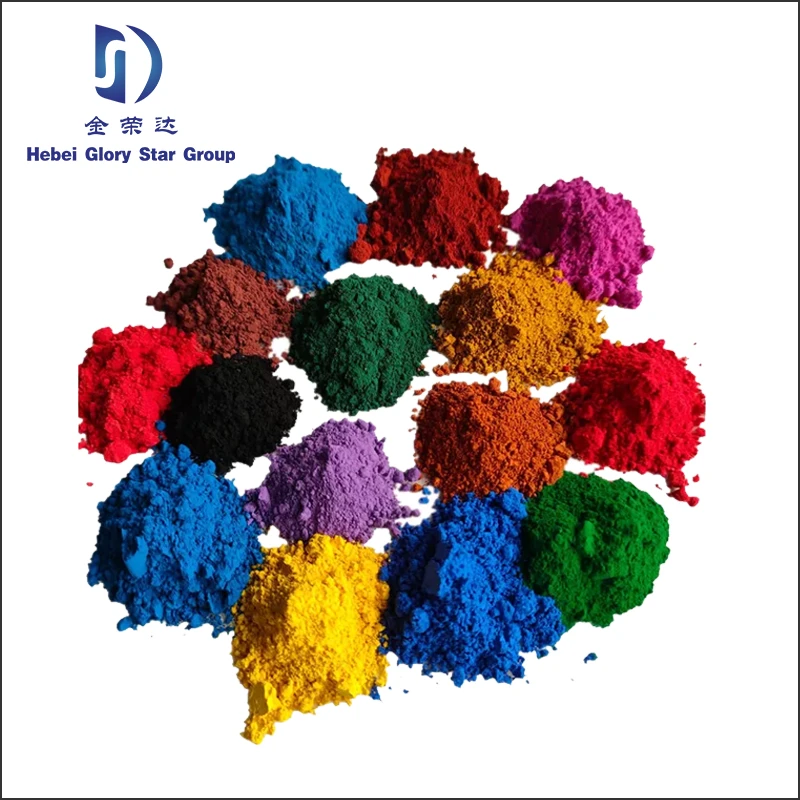
In the world of industrial coloring, achieving a vibrant, long-lasting hue requires more than just a simple dye; it requires the precision of oxide pigments. These inorganic compounds are essential for professionals in construction, plastics, and coatings who demand exceptional stability and weather resistance. Whether you are coloring concrete for an architectural masterpiece or developing high-durability automotive paints, understanding the chemistry and application of these pigments is key to quality. This guide explores the versatility, technical specifications, and strategic advantages of using premium oxide pigments in modern manufacturing.
Comprehensive Guide to Iron Oxide Pigments Applications and Properties
Apr 07,2026
Comprehensive Guide to Iron Oxide Pigments Applications and Properties
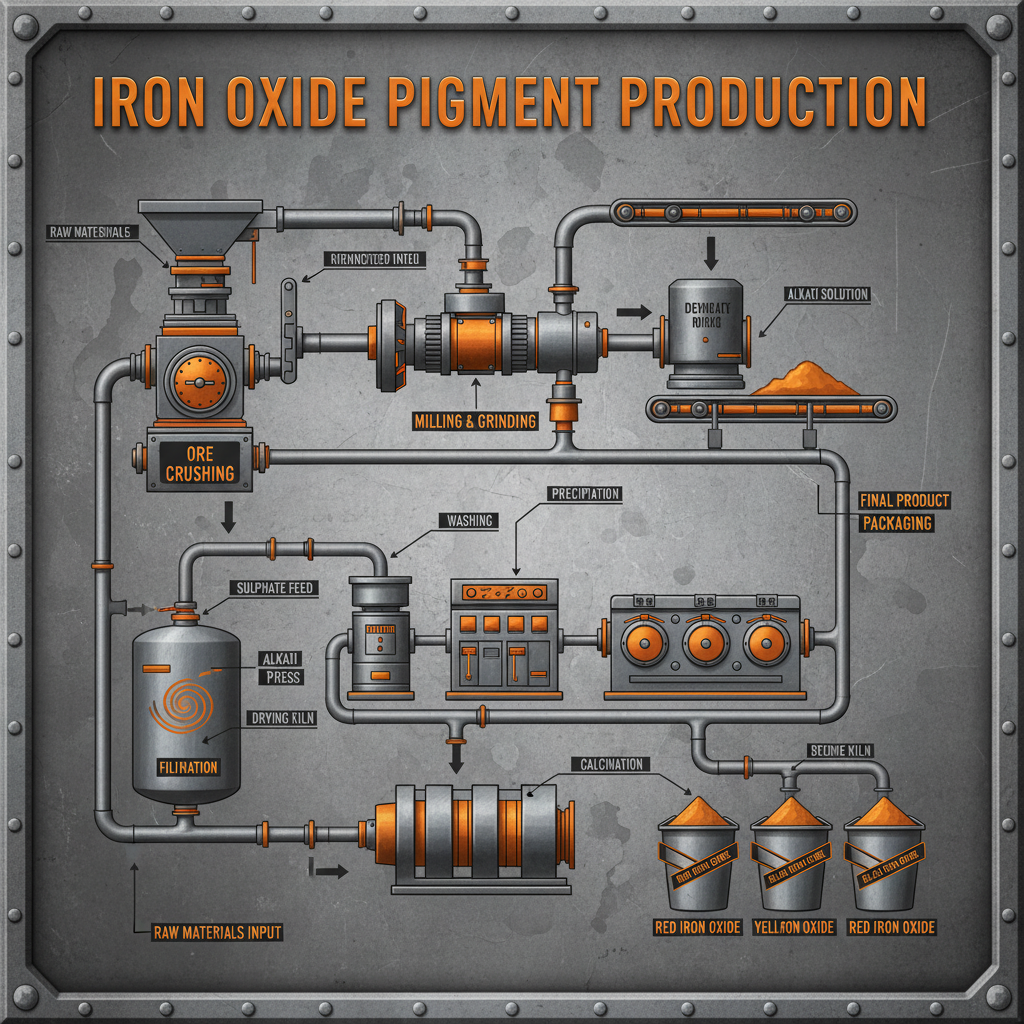
Iron oxide pigments are widely utilized colorants in a multitude of industries, from construction and coatings to plastics and cosmetics. Known for their excellent lightfastness, chemical stability, and cost-effectiveness, these pigments offer a versatile solution for achieving a diverse range of colors. This article will delve into the types, applications, benefits, and key considerations when sourcing iron oxide pigments.
Exploring Fe3O4 Magnetite Properties Applications and Global Sourcing
Apr 04,2026
Exploring Fe3O4 Magnetite Properties Applications and Global Sourcing
Fe3O4, commonly known as magnetite, is a fascinating and incredibly useful iron oxide. Its unique magnetic properties and chemical stability make it a crucial component in a diverse range of industrial applications. From water treatment to biomedicine, and importantly in the export market, magnetite plays a vital role. This article will explore the key characteristics of Fe3O4, its primary uses, quality considerations when sourcing magnetite, and the importance of reliable suppliers like Glory Star Export.
Comprehensive Guide to Ferric Oxide for Sale and Industrial Applications
Mar 31,2026
Comprehensive Guide to Ferric Oxide for Sale and Industrial Applications
Ferric oxide, commonly known as rust, is a versatile chemical compound with applications spanning numerous industries. From pigments and catalysts to magnetic materials and water treatment, its utility is substantial. This article provides a detailed overview of ferric oxide, its different forms, applications, and where to source high-quality ferric oxide for sale. Understanding the nuances of this compound is crucial for professionals seeking reliable and cost-effective solutions for their industrial needs.
A Comprehensive Guide to Successfully growing plants in clay pebbles
Mar 28,2026
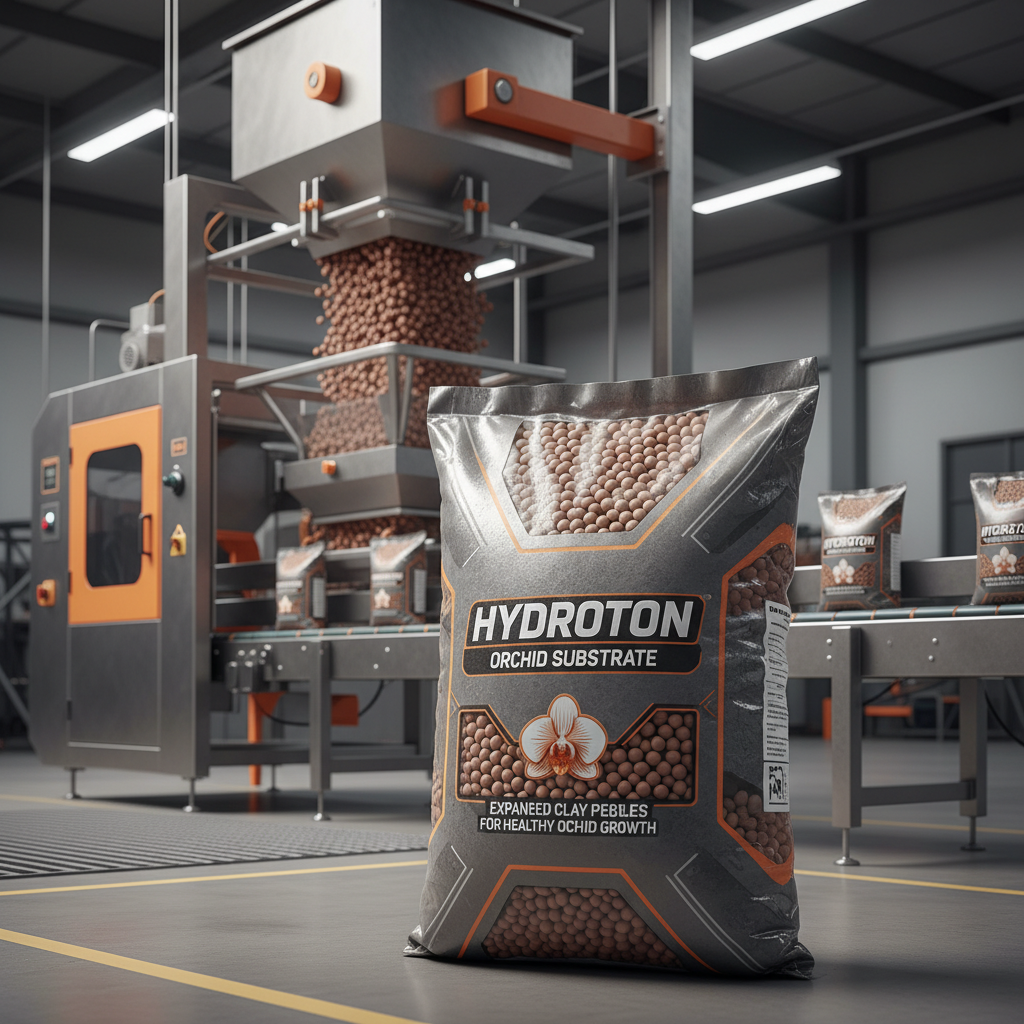
A Comprehensive Guide to Successfully growing plants in clay pebbles
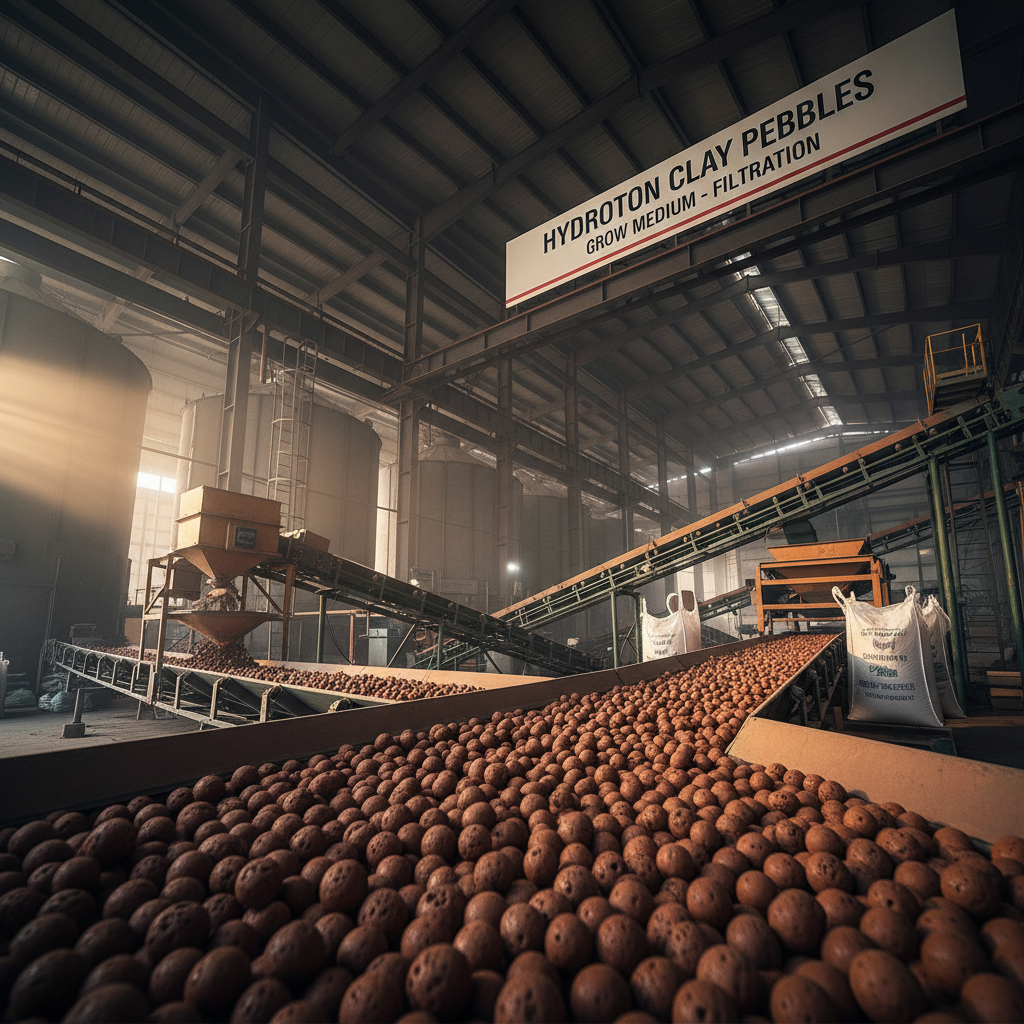
Clay pebbles, also known as LECA (Lightweight Expanded Clay Aggregate), have become increasingly popular as a hydroponic growing medium. Offering excellent drainage, aeration, and a neutral pH, they’re a fantastic alternative to soil for a wide range of plants. This article explores the benefits of using clay pebbles, how to prepare them, which plants thrive in this medium, and potential challenges. We’ll also cover optimal watering and nutrient management. If you’re looking for a clean, efficient, and sustainable way to grow, clay pebbles might be the answer.
Unlock Vibrant Blooms Growing Orchids in Expanded Clay Pebbles A Comprehensive Guide
Mar 26,2026
Unlock Vibrant Blooms Growing Orchids in Expanded Clay Pebbles A Comprehensive Guide
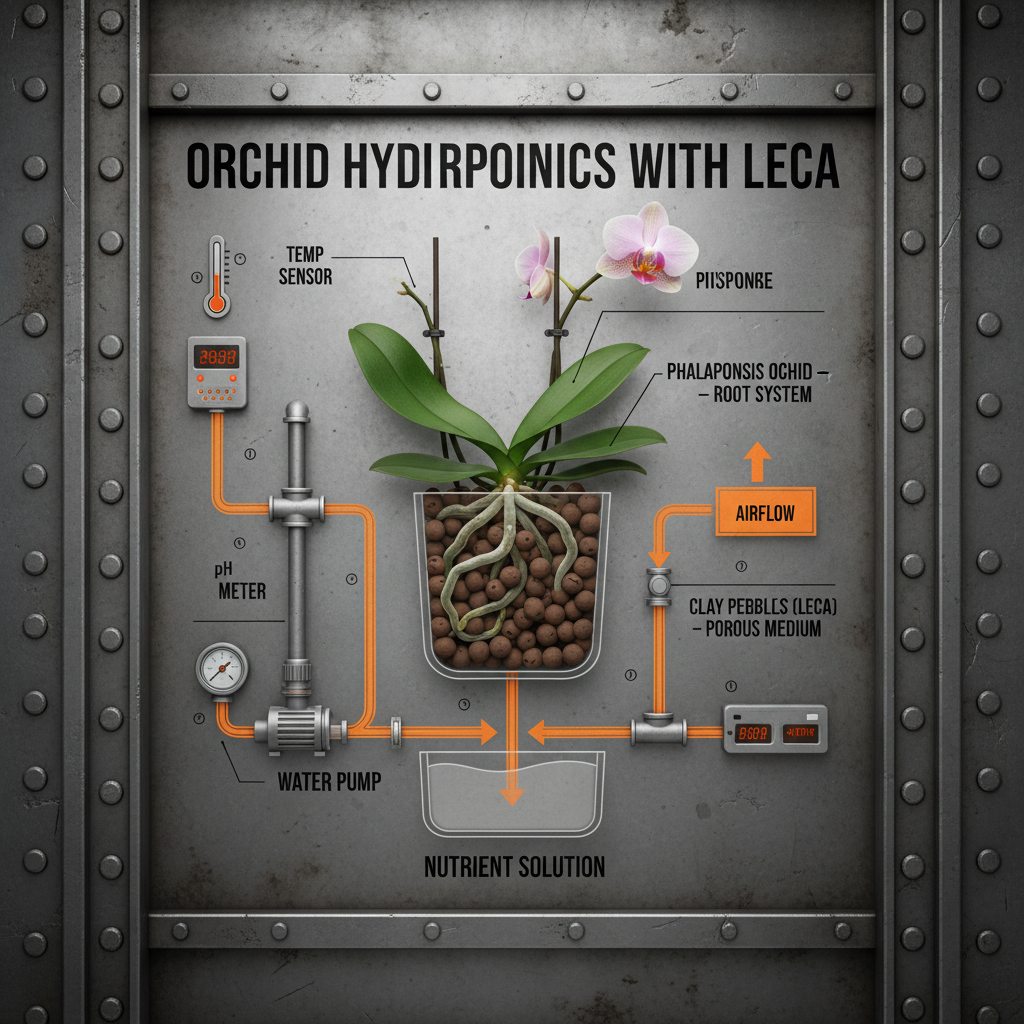
Orchids are renowned for their exquisite beauty, but their care can sometimes seem daunting. One of the most popular and effective methods for growing orchids, especially for those concerned about root health and aeration, is using expanded clay pebbles (also known as LECA). This guide will explore the benefits of growing orchids in expanded clay pebbles, providing a detailed look at the process, advantages, and potential challenges. Whether you’re a seasoned orchid enthusiast or a beginner, this information will help you cultivate thriving, vibrant orchids. Expanded clay pebbles, or LECA (Lightweight Expanded Clay Aggregate), are a porous, inert growing medium made by heating clay to high temperatures, causing it to expand. This process creates lightweight, round pebbles with numerous air pockets. These air pockets are crucial for orchid root health, providing excellent aeration. Unlike traditional potting mixes that can retain too much moisture and lead to root rot, LECA allows for optimal drainage and airflow. It's a sustainable and reusable medium, making it an environmentally friendly choice for orchid cultivation.
Mastering Orchid Care A Guide to Growing Orchids in Clay Pebbles
Mar 24,2026
Mastering Orchid Care A Guide to Growing Orchids in Clay Pebbles
Orchids, renowned for their exquisite beauty, can sometimes seem challenging to cultivate. However, using clay pebbles (also known as LECA – Lightweight Expanded Clay Aggregate) as a growing medium offers a fantastic solution for healthy orchid growth. This guide will explore the benefits of growing orchids in clay pebbles, covering everything from setup to ongoing care. Discover why this method is favored by both beginner and experienced orchid enthusiasts. Clay pebbles provide excellent aeration and drainage, crucial for preventing root rot, a common issue with orchids. Clay pebbles are an inert growing medium, meaning they don't decompose or provide any nutrients. This is ideal for orchids, which are epiphytes – plants that naturally grow on other surfaces and absorb nutrients from the air. The main advantages of using clay pebbles include: superior drainage, preventing root rot; excellent aeration, promoting healthy root growth; reusability after sterilization; and a clean, aesthetically pleasing appearance. Unlike traditional bark mixes, clay pebbles don’t break down quickly, reducing the need for frequent repotting. This promotes a stable environment for the orchid’s root system.
Enhancing Plant Growth with a Guide to Using Clay Pebbles in Soil
Mar 21,2026
Enhancing Plant Growth with a Guide to Using Clay Pebbles in Soil
Clay pebbles, also known as LECA (Lightweight Expanded Clay Aggregate), are becoming increasingly popular as a soil amendment for a wide range of plants. They offer excellent drainage, aeration, and support for root systems. This article will delve into the benefits of using clay pebbles in soil, how to use them effectively, and what plants thrive with this amendment. Improving soil structure is vital for healthy plant growth, and clay pebbles provide a fantastic solution for many common gardening challenges. Clay pebbles are produced by heating natural clay to extremely high temperatures, causing it to expand and become lightweight. The resulting material is porous, creating a network of air pockets that improve drainage and aeration. Unlike traditional soil, clay pebbles don’t decompose, making them a long-lasting and sustainable soil amendment.
Enhancing Houseplant Growth Using Clay Pebbles A Comprehensive Guide
Mar 19,2026
Enhancing Houseplant Growth Using Clay Pebbles A Comprehensive Guide
Clay pebbles, also known as LECA (Lightweight Expanded Clay Aggregate), are a popular growing medium for houseplants, offering excellent drainage, aeration, and a clean aesthetic. They're becoming increasingly favored by plant enthusiasts for their versatility and benefits. This article will explore the numerous advantages of using clay pebbles in house plants, how to use them effectively, and address common concerns. Discover why switching to LECA could be the best decision for your beloved greenery. Clay pebbles are made from baked clay that has been expanded into lightweight, porous balls. This process creates a material with a high surface area, allowing for excellent aeration and water drainage. They are inert, meaning they don't contain any nutrients, making them ideal for hydroponic and semi-hydroponic setups. Unlike traditional soil, clay pebbles won't compact, decompose, or harbor pests, contributing to a healthier root system. Switching to clay pebbles offers a wealth of benefits for your houseplants. They provide superior drainage, preventing root rot which is a common killer of indoor plants.
Mastering Orchid Care with Clay Pebbles A Comprehensive Growing Guide
Mar 17,2026
Mastering Orchid Care with Clay Pebbles A Comprehensive Growing Guide
Orchids are renowned for their beauty and elegance, but they can be notoriously tricky to care for. One key to successful orchid cultivation lies in the growing medium. While traditional potting soil isn't suitable for these epiphytes, clay pebbles (also known as LECA - Lightweight Expanded Clay Aggregate) offer an excellent alternative. This article will delve into the benefits of using clay pebbles for orchids, providing a complete guide to help you nurture thriving, healthy plants. From improved drainage to enhanced aeration, we'll cover everything you need to know to master this popular growing technique. Clay pebbles are a fantastic choice for orchid cultivation due to their unique properties. They are inert, meaning they don’t decompose or release nutrients, giving you complete control over fertilization. More importantly, their porous structure provides exceptional aeration and drainage – crucial for preventing root rot, a common orchid killer.
Unlock Optimal Plant Growth with a Comprehensive Guide to Using Clay Pebbles
Mar 14,2026
Unlock Optimal Plant Growth with a Comprehensive Guide to Using Clay Pebbles
Clay pebbles, also known as LECA (Lightweight Expanded Clay Aggregate), have become increasingly popular in horticulture due to their numerous benefits. From improved aeration and drainage to their reusability and inert nature, clay pebbles offer a versatile growing medium for a wide variety of plants. This article will explore the advantages of clay pebbles, how to use them effectively, and which plants thrive in this unique substrate. Whether you’re a seasoned gardener or just starting out, understanding the nuances of using clay pebbles can elevate your plant-growing game and contribute to healthier, more vibrant plants. Clay pebbles are made from natural clay that is heated to extremely high temperatures, causing it to expand into lightweight, porous balls. This process creates a material that is incredibly effective at retaining moisture while simultaneously providing excellent aeration. Unlike soil, clay pebbles are inert, meaning they don't contain any nutrients.
Comprehensive Guide to Successful Planting with Clay Pebbles for Healthy Growth
Mar 12,2026
Comprehensive Guide to Successful Planting with Clay Pebbles for Healthy Growth
Clay pebbles, also known as LECA (Lightweight Expanded Clay Aggregate), are a popular growing medium for hydroponics and container gardening. They offer excellent aeration and drainage, making them ideal for a variety of plants. This guide will explore the benefits of planting with clay pebbles, how to use them effectively, the best plants for this method, and tips for success. Whether you’re a seasoned gardener or just starting, understanding clay pebbles can significantly enhance your growing experience. Choosing the right growing medium is crucial for healthy plant development, and clay pebbles offer a sustainable and efficient solution. Clay pebbles provide several advantages over traditional soil-based growing methods. Their porous structure allows for excellent airflow to the roots, preventing root rot and promoting healthy growth. The lightweight nature of LECA makes it easier to handle and reduces the overall weight of your containers.
Hydroton LECA Clay Pebbles Expanded Clay for Plants A Complete Guide
Mar 11,2026
Hydroton LECA Clay Pebbles Expanded Clay for Plants A Complete Guide
Are you looking for a superior growing medium that promotes healthy root development, excellent drainage, and consistent plant growth? Look no further than Hydroton LECA clay pebbles. Also known as expanded clay aggregate (ECA), these lightweight, porous pebbles are revolutionizing the way plants are grown, both indoors and outdoors. This article will explore the benefits of using hydroton leca clay pebbles, their various applications, and why they’re a preferred choice for discerning gardeners and commercial growers alike. Hydroton, short for Hydroponic Tone, is a brand name for high-quality LECA clay pebbles. LECA stands for Lightweight Expanded Clay Aggregate. These pebbles are made from natural clay that is heated to extremely high temperatures, causing it to expand and create a porous structure. This unique structure provides exceptional aeration and drainage, crucial for healthy root growth. The resulting product is inert, pH neutral, and doesn’t decompose, making it a reusable and sustainable growing medium.
Unlock Plant Growth Potential with Hydroton Clay Pebbles How to Use Guide
Mar 10,2026
Unlock Plant Growth Potential with Hydroton Clay Pebbles How to Use Guide
Hydroton clay pebbles, also known as LECA (Lightweight Expanded Clay Aggregate), are a popular soilless growing medium favored by hydroponic enthusiasts and gardeners alike. Their excellent drainage, aeration, and reusability make them ideal for a wide range of plants. This article will guide you through everything you need to know about hydroton clay pebbles, from preparation and use to troubleshooting common issues. Understanding the nuances of using these pebbles can drastically improve your plant’s health and yield. New hydroton clay pebbles are covered in dust from the manufacturing process. This dust isn’t harmful to plants but can clog your system and affect pH levels. Therefore, thorough rinsing is crucial. Place the pebbles in a bucket or colander and rinse them with water until the water runs clear. This may take several minutes. You can also soak them in pH-balanced water (around pH 5.5-6.5) for 24 hours to help stabilize the pH before use.
Hydroton Clay Pebbles for Orchids A Comprehensive Growing Guide
Mar 09,2026
Hydroton Clay Pebbles for Orchids A Comprehensive Growing Guide
Growing orchids can be incredibly rewarding, and the substrate you choose plays a crucial role in their health and vitality. Hydroton clay pebbles are a popular and effective choice for orchid cultivation, offering excellent aeration and drainage. This article will delve into the benefits of using hydroton, how to prepare it, and best practices for growing healthy, thriving orchids. Discover why more and more orchid enthusiasts are turning to this inert growing medium for superior results. Hydroton, also known as LECA (Lightweight Expanded Clay Aggregate), is manufactured by heating clay to extremely high temperatures. This process creates a porous, lightweight pebble that’s completely inert – meaning it doesn't decompose, provide nutrients, or affect the pH of your growing environment. This inertness is a key benefit for orchid growers, allowing for precise control over nutrient delivery. The pebble’s structure provides excellent air circulation around the roots, preventing root rot, a common issue with orchids.
Welcome To Inquire!
We appreciate your interest in our products and are happy to assist you. Please feel free to share any specific details or questions you may have, and we will get back to you with the necessary information promptly.
For more details pls contact us, we will reply within 24 hours.

If you are interested in our products, you can choose to leave your information here, and we will be in touch with you shortly.