

Understanding Iron Oxide Pigments: A Comprehensive Guide
Iron oxide pigments are widely utilized colorants in a multitude of industries, from construction and coatings to plastics and cosmetics. Known for their excellent lightfastness, chemical stability, and cost-effectiveness, these pigments offer a versatile solution for achieving a diverse range of colors. This article will delve into the types, applications, benefits, and key considerations when sourcing iron oxide pigments. We will explore why they are a preferred choice for many manufacturers worldwide and how to select the right pigment for your specific needs.
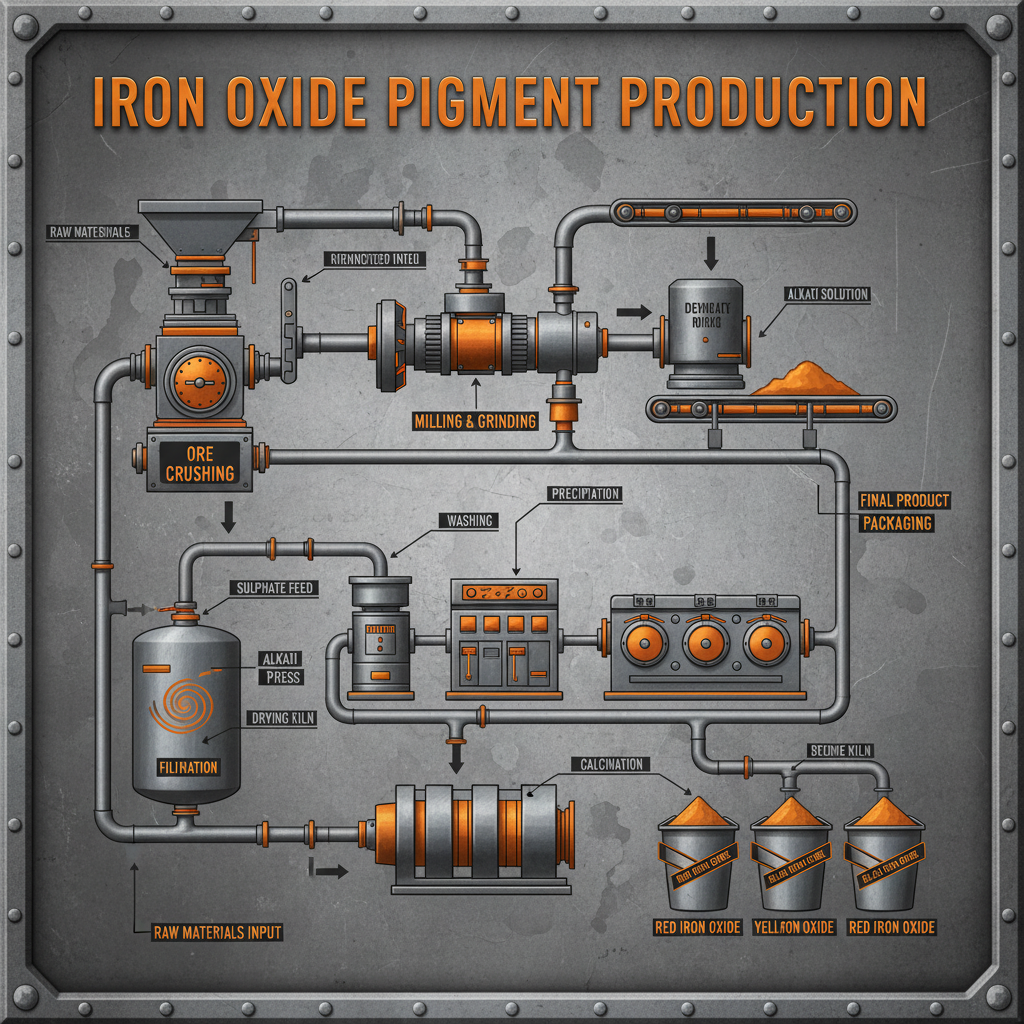
Types of Iron Oxide Pigments
Iron oxide pigments are categorized based on their chemical composition and resulting color. The primary types include red iron oxide (Fe₂O₃), yellow iron oxide (FeO(OH)·nH₂O), black iron oxide (Fe₃O₄), and brown iron oxide (a blend of red, yellow, and black). Synthetic iron oxides are produced through controlled precipitation processes, offering consistent particle size and high purity, unlike their natural counterparts. Synthetic pigments generally provide superior tinting strength and color consistency. The choice of pigment depends on the desired color shade, application requirements, and budget considerations.
Key Highlights: Synthetic iron oxides offer consistent particle size and high purity, ensuring superior tinting strength and color consistency compared to natural pigments.
Applications Across Industries
The versatility of iron oxide pigments makes them ideal for a wide range of applications. In the construction industry, they are used to color concrete, paving stones, roofing tiles, and mortar. The coatings sector utilizes them in paints, varnishes, and powder coatings for both industrial and decorative purposes. They are also essential components in plastics, rubber, paper, and ceramic industries, providing vibrant and durable coloration. Furthermore, iron oxide pigments are utilized in cosmetics, food coloring (subject to strict regulatory approvals), and even magnetic recording media.
Industry Applications:
• Construction: Concrete, tiles, mortar
• Coatings: Paints, varnishes, powder coatings
• Plastics & Rubber: Coloring and UV protection
• Cosmetics & Food: (Regulatory Compliant)
Comparing Iron Oxide Pigment Properties
Different iron oxide pigments exhibit varying properties in terms of color strength, opacity, and resistance to chemical attack. Understanding these differences is crucial for selecting the most appropriate pigment for a given application. For instance, red iron oxide generally offers higher opacity than yellow iron oxide. Black iron oxide is known for its UV absorption properties, making it a valuable additive in plastics and coatings designed for outdoor exposure. Here's a comparative overview:
Key Considerations When Sourcing Iron Oxide Pigments
When procuring iron oxide pigments, several factors deserve careful consideration. Purity is paramount, as impurities can affect color consistency and performance. Particle size distribution influences the pigment's dispersibility and tinting strength. It's also crucial to verify that the pigment complies with relevant industry standards and regulatory requirements, particularly for applications involving food contact or cosmetics. Working with a reputable supplier who can provide consistent quality and technical support is essential. Consider the environmental impact of the manufacturing process and look for suppliers committed to sustainable practices.

Product Specifications: Red Iron Oxide (Fe₂O₃)
Here are typical specifications for a commonly used red iron oxide pigment:
Conclusion: Choosing the Right Iron Oxide Pigment
Selecting the right iron oxide pigment is crucial for achieving desired color effects, ensuring product durability, and maintaining compliance with industry standards. Understanding the different types, properties, and sourcing considerations outlined in this guide will empower you to make informed decisions. Glorystar Export provides high-quality iron oxide pigments for a diverse range of applications. Don't compromise on quality – choose a reliable partner for your pigment needs.
Frequently Asked Questions (FAQs)
What is the difference between natural and synthetic iron oxide pigments?
Natural iron oxide pigments are derived from mined ores, resulting in variations in purity, particle size, and color consistency. Synthetic iron oxides, on the other hand, are manufactured through controlled precipitation processes, offering superior purity, consistent particle size, and vibrant, reliable colors. Synthetic pigments typically exhibit higher tinting strength and are less susceptible to impurities. While natural pigments can be more cost-effective, synthetic pigments generally provide better performance and predictability.
Are iron oxide pigments environmentally friendly?
Iron oxide pigments are generally considered environmentally friendly. They are inorganic compounds, non-toxic, and chemically stable. Their manufacturing process typically produces minimal harmful emissions. Moreover, they do not contain volatile organic compounds (VOCs), making them a sustainable choice for various applications. However, it's essential to source pigments from manufacturers who adhere to responsible manufacturing practices and prioritize environmental stewardship.
How do I determine the correct dosage of iron oxide pigment?
The optimal dosage of iron oxide pigment depends on several factors, including the desired color intensity, the base material being colored, and the pigment's tinting strength. It's recommended to start with a small dosage and gradually increase it until the desired shade is achieved. Conducting trial batches is crucial to fine-tune the dosage and ensure consistent color results. Consult with the pigment supplier for specific recommendations based on your application.
What applications require specific regulatory compliance for iron oxide pigments?
Applications involving food contact, cosmetics, and pharmaceuticals require strict regulatory compliance for iron oxide pigments. These pigments must meet specific purity standards and undergo rigorous testing to ensure they are safe for human consumption or topical application. Suppliers should provide documentation verifying compliance with relevant regulations, such as those set by the FDA (Food and Drug Administration) or other governing bodies. Always verify regulatory compliance before using iron oxide pigments in these sensitive applications.
Post time: Apr-07-2026





.png "About")