




Unlock the Beauty of Your Garden with the Perfect Gravel
Hey garden enthusiasts! Are you looking to transform your outdoor space into a serene paradise? One of the simplest yet most effective ways to do so is by using gravel for gardens. Not only does it add a touch of elegance, but it also serves practical purposes. In this article, we'll dive into the world of gravel, exploring its benefits, types, and how to choose the perfect gravel for your garden. Let's get started!
Introduction to Gravel for Gardens
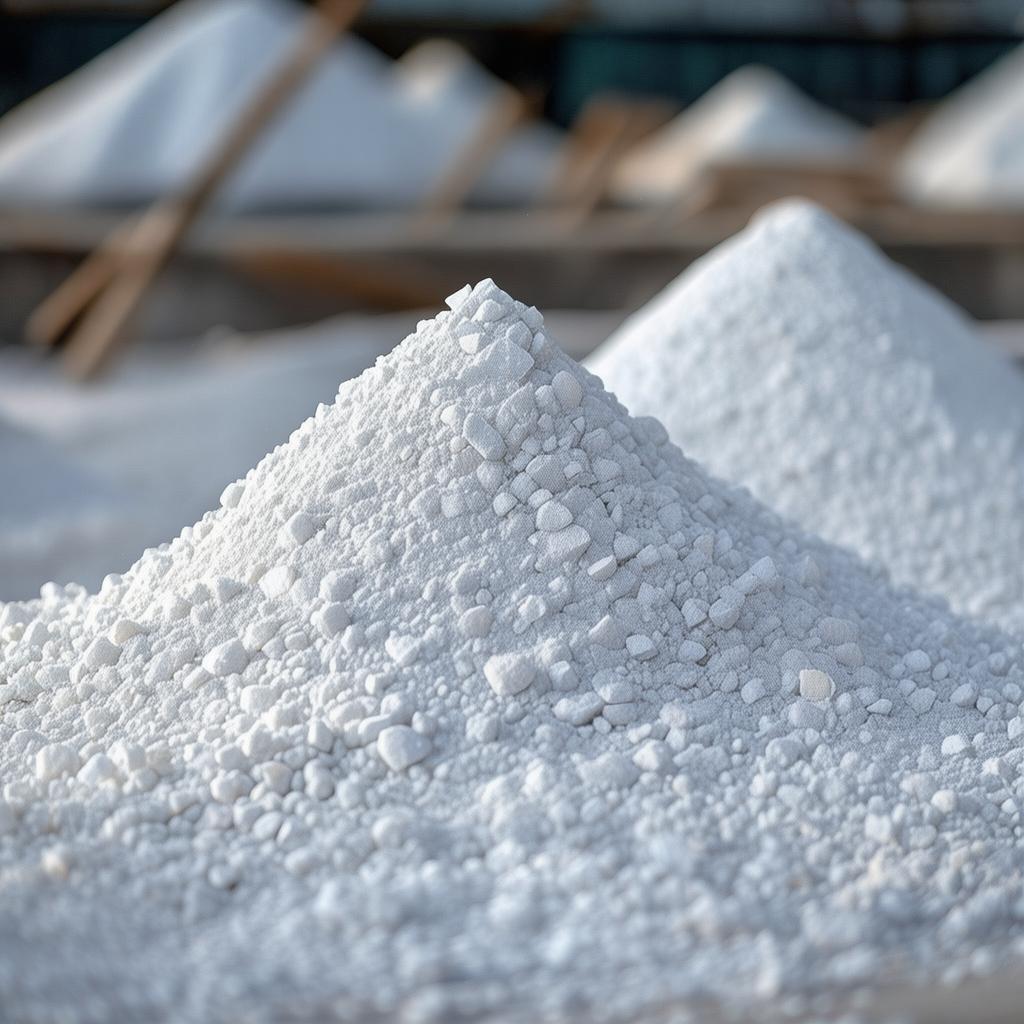
Gravel is a versatile material made from small stones or pebbles. It comes in various sizes, colors, and textures, making it an ideal choice for garden designers and homeowners alike. Whether you're aiming for a rustic or modern look, gravel can elevate the aesthetic appeal of your garden.
Benefits of Using Gravel in Your Garden
- Improves Drainage: Gravel acts as a natural drainage system, preventing water from pooling on your garden bed.
- Enhances Curb Appeal: A well-laid gravel path or patio can instantly enhance the beauty of your garden.
- Reduces Maintenance: Gravel requires minimal upkeep compared to traditional garden materials.
- Keeps Pests Away: Some types of gravel, like crushed granite, can deter pests and insects.
Types of Gravel for Gardens
Not all gravel is created equal. Here are some popular types of gravel that can suit different garden needs:
1. River Gravel
River gravel is smooth and round, making it ideal for pathways and driveways. It's available in various colors and sizes, allowing for customization to match your garden's style.
2. Crushed Stone
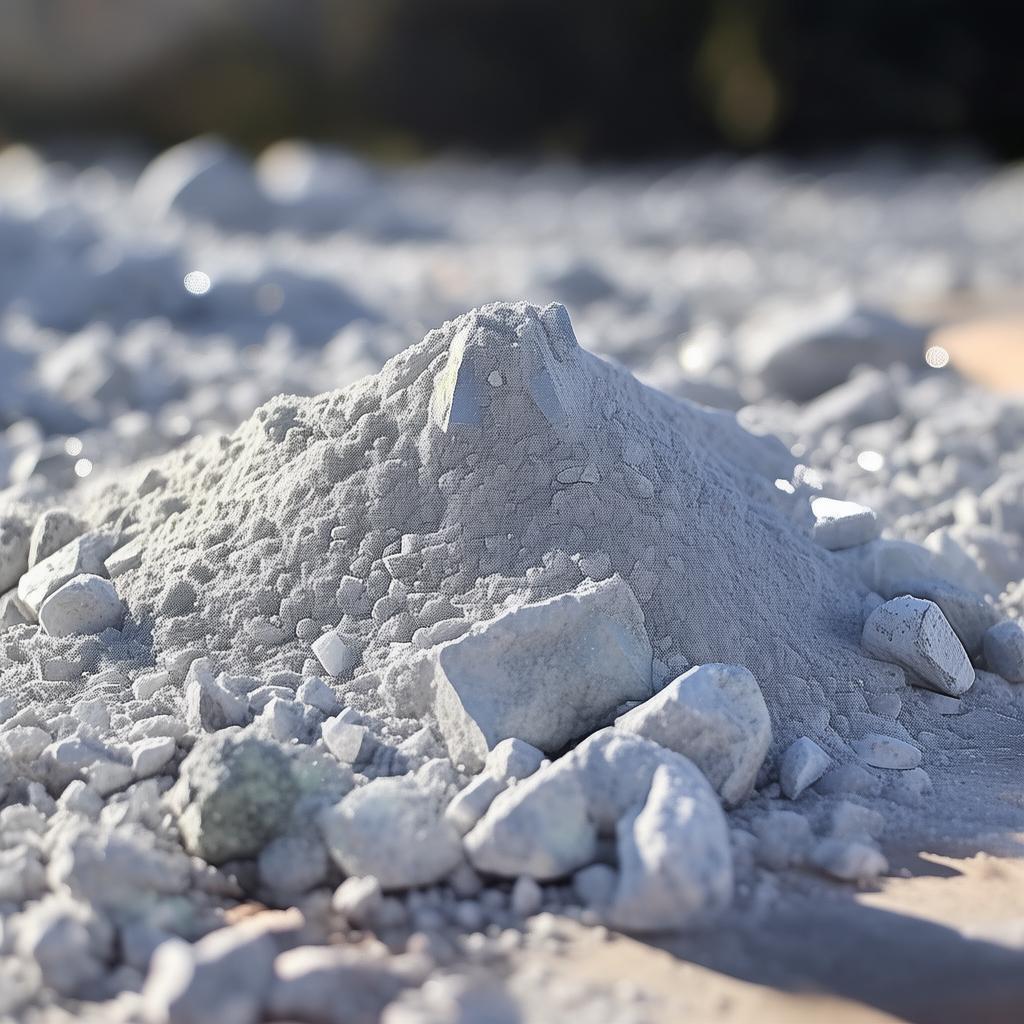
Crushed stone is a coarser option that can be used for more rugged areas, like garden steps or walkways. It comes in different colors and is often used in combination with other types of gravel for a unique look.
3. Pea Gravel
Pea gravel is smaller and more uniform than river gravel, which makes it ideal for flower beds, mulch, or as a decorative accent. It's available in various colors, including white, pink, and black.
4. Limestone Gravel
Limestone gravel is a popular choice due to its neutral color and durability. It's suitable for a wide range of garden applications, from pathways to driveways.
5. Marble Gravel
Marble gravel is a luxurious option that adds a touch of sophistication to your garden. It's typically used in high-end landscapes and can come in a variety of colors and textures.
Choosing the Right Gravel for Your Garden
Selecting the perfect gravel for your garden requires considering several factors, including:
1. Purpose
Think about what you want to achieve with your gravel. For pathways, choose a smooth and round gravel like river gravel. For flower beds, opt for a finer gravel like pea gravel.
2. Size and Color
The size and color of the gravel should complement your garden's overall design. Larger stones can create a more rugged look, while smaller stones are ideal for a finer finish.

3. Drainage and Erosion
Ensure that the gravel you choose will provide adequate drainage for your garden. Gravel with a high permeability rate is best for preventing water buildup.
Product Specifications and Technical Table
| Gravel Type | Size Range (mm) | Color | Weight (kg/m³) |
|---|---|---|---|
| River Gravel | 10-20 | Beige, Brown, Grey | 1.8 |
| Crushed Stone | 20-40 | Grey, Brown | 1.6 |
| Pea Gravel | 4-8 | White, Pink, Black | 1.5 |
| Limestone Gravel | 10-20 | Beige, Grey | 1.9 |
| Marble Gravel | 10-20 | White, Black, Grey | 2.0 |
How to Lay Gravel in Your Garden
Laying gravel in your garden is a straightforward process. Here's a step-by-step guide:
1. Plan Your Design
Decide where you want to lay the gravel and sketch out a design. Consider factors like pathways, flower beds, and any decorative elements you want to include.
2. Prepare the Area
Clear the area of any debris and remove any grass or weeds. Level the ground and create a boundary for your gravel bed using garden edging or landscaping fabric.
3. Spread the Gravel
Using a shovel or wheelbarrow, spread the gravel evenly over the prepared area. If you're creating a path, lay down landscaping fabric first to prevent weeds from growing through.
4. Compaction
Use a roller or the back of a shovel to compact the gravel. This ensures that it stays in place and provides adequate drainage.
5. Edging
Install edging around the perimeter of your gravel bed to keep the gravel in place and prevent it from spreading into your lawn or flower beds.
Conclusion
Gravel is a fantastic way to add beauty and functionality to your garden. With its versatility, durability, and ease of maintenance, it's no wonder it's a favorite among gardeners. By considering the right type of gravel, size, and color, you can create a garden that not only looks stunning but also serves practical purposes. So, why not get started on your gravel garden today? Trust us; you'll be amazed at the transformation it brings to your outdoor space.
Remember, if you're looking for high-quality gravel for your garden, look no further than Glory Star Group. With our ISO9001 Certification and over 100,000 tons of output per year, we are one of the earliest and largest mica manufacturers in Lingshou County. Contact us today to learn more about our products and services. Let us help you unlock the beauty of your garden with the perfect gravel!







.png "About")