

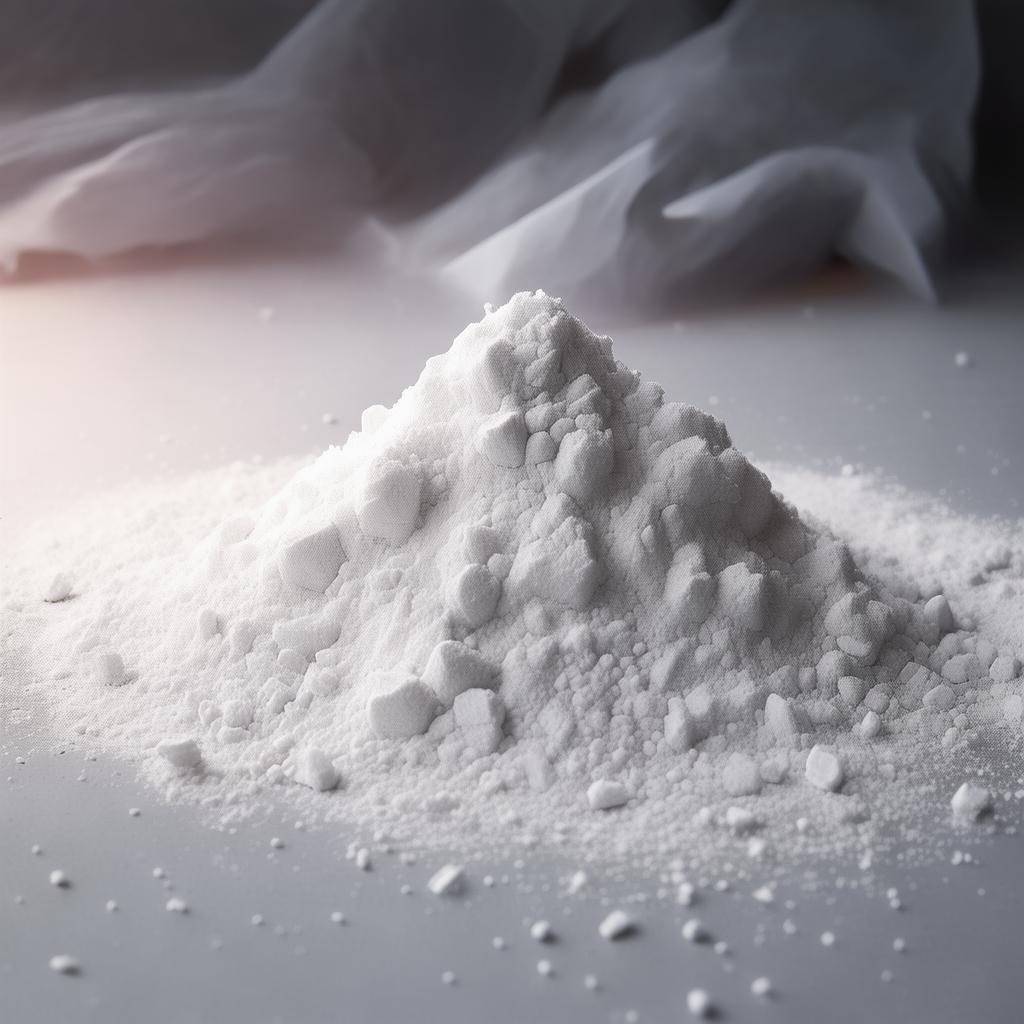


The Ultimate Guide to Vermiculite Packing Material: Benefits, Uses, and Specifications
Introduction to Vermiculite Packing Material
Vermiculite packing material, a product that has been making waves in the packaging industry, is a versatile and sustainable option for a variety of applications. In this article, we'll dive into what vermiculite is, its benefits, common uses, technical specifications, and how it compares to other packing materials. So, let's embark on this journey to understand the ins and outs of vermiculite packing material.
What is Vermiculite?
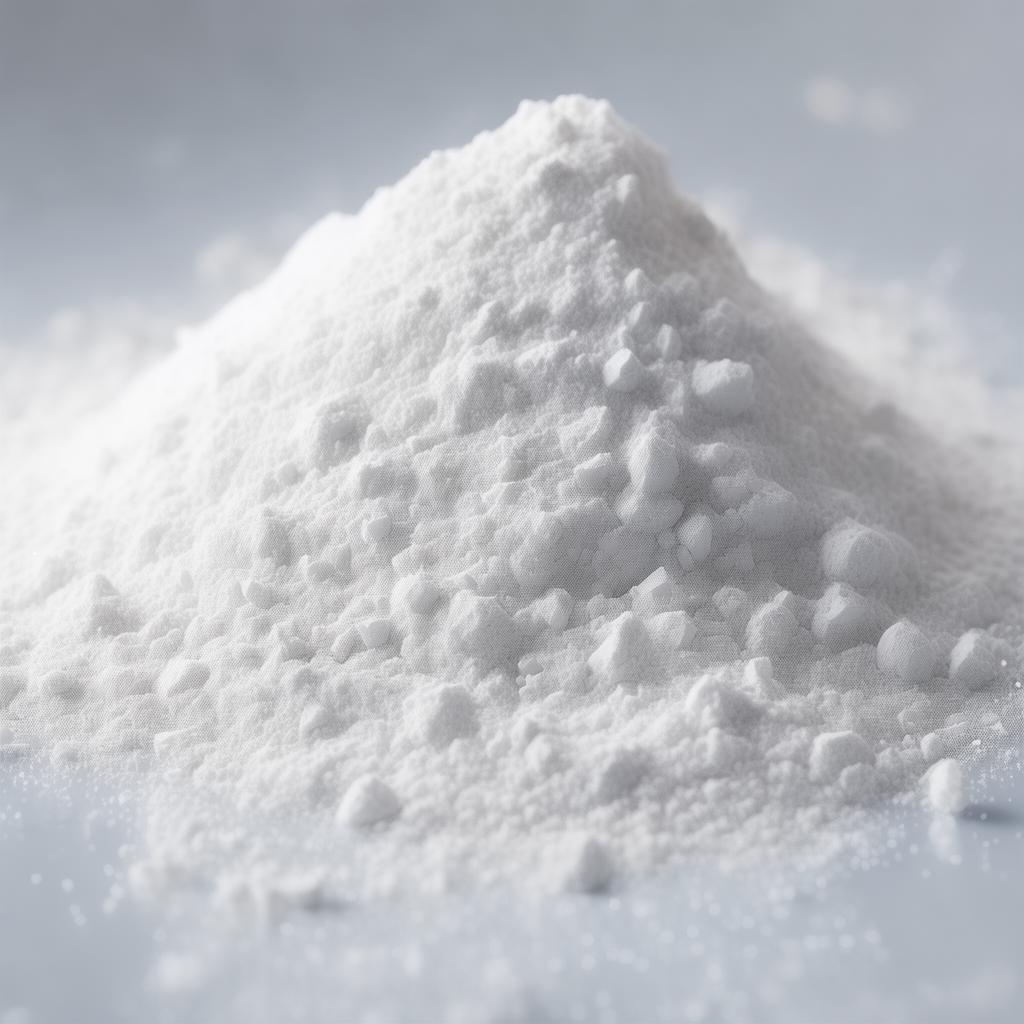
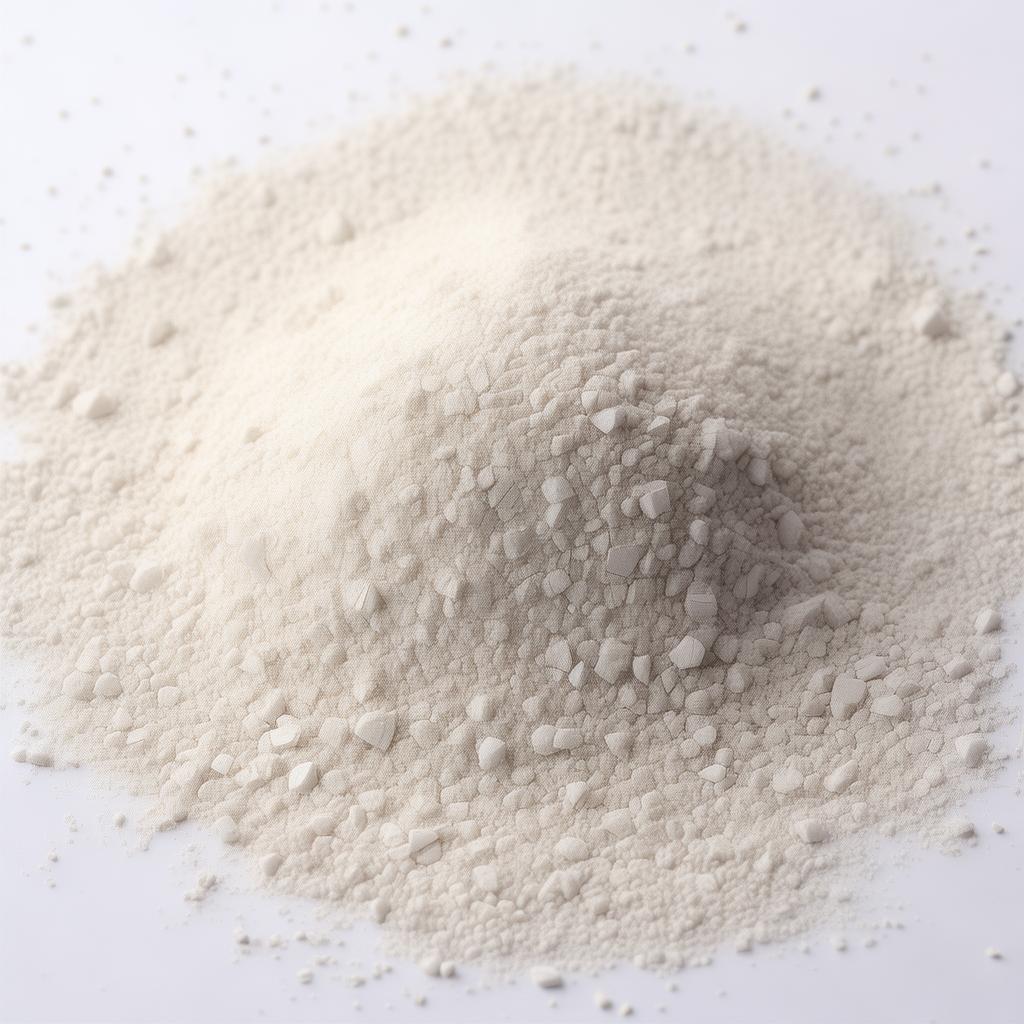
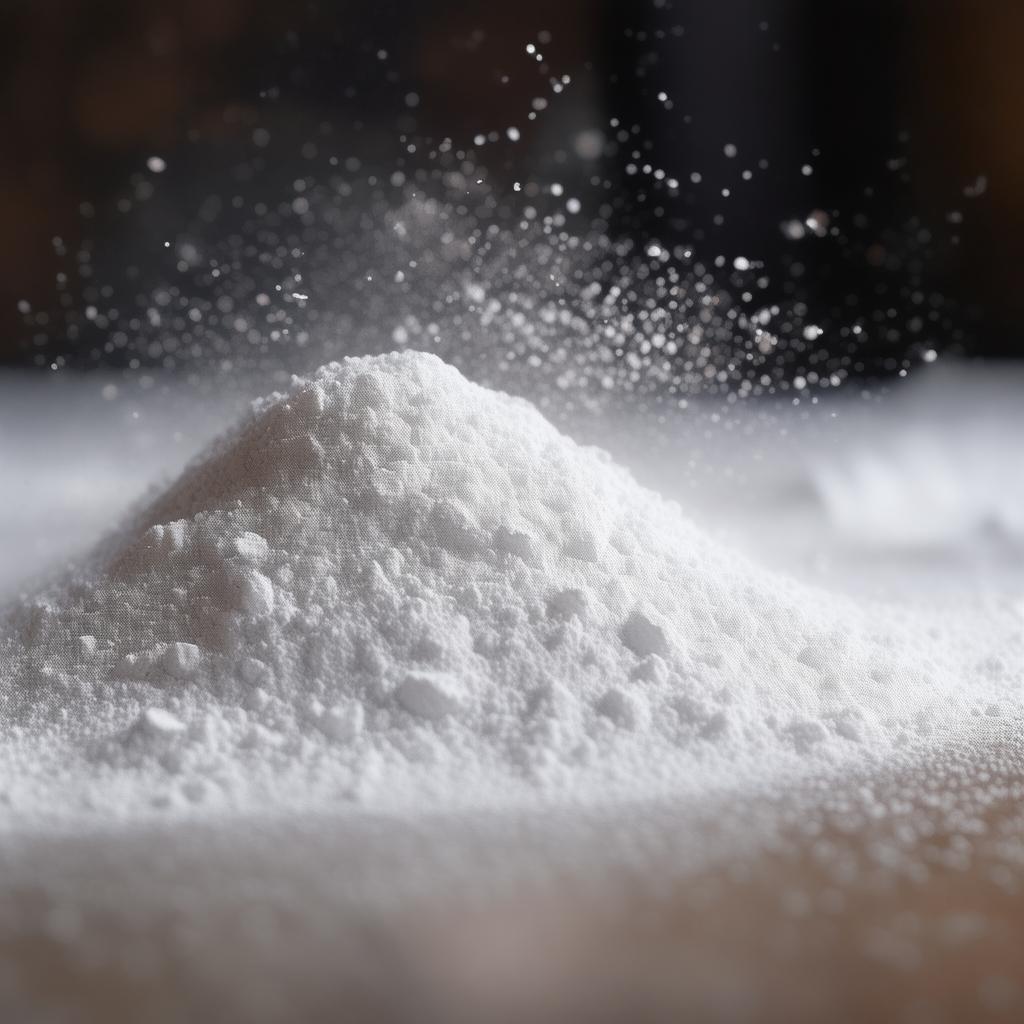
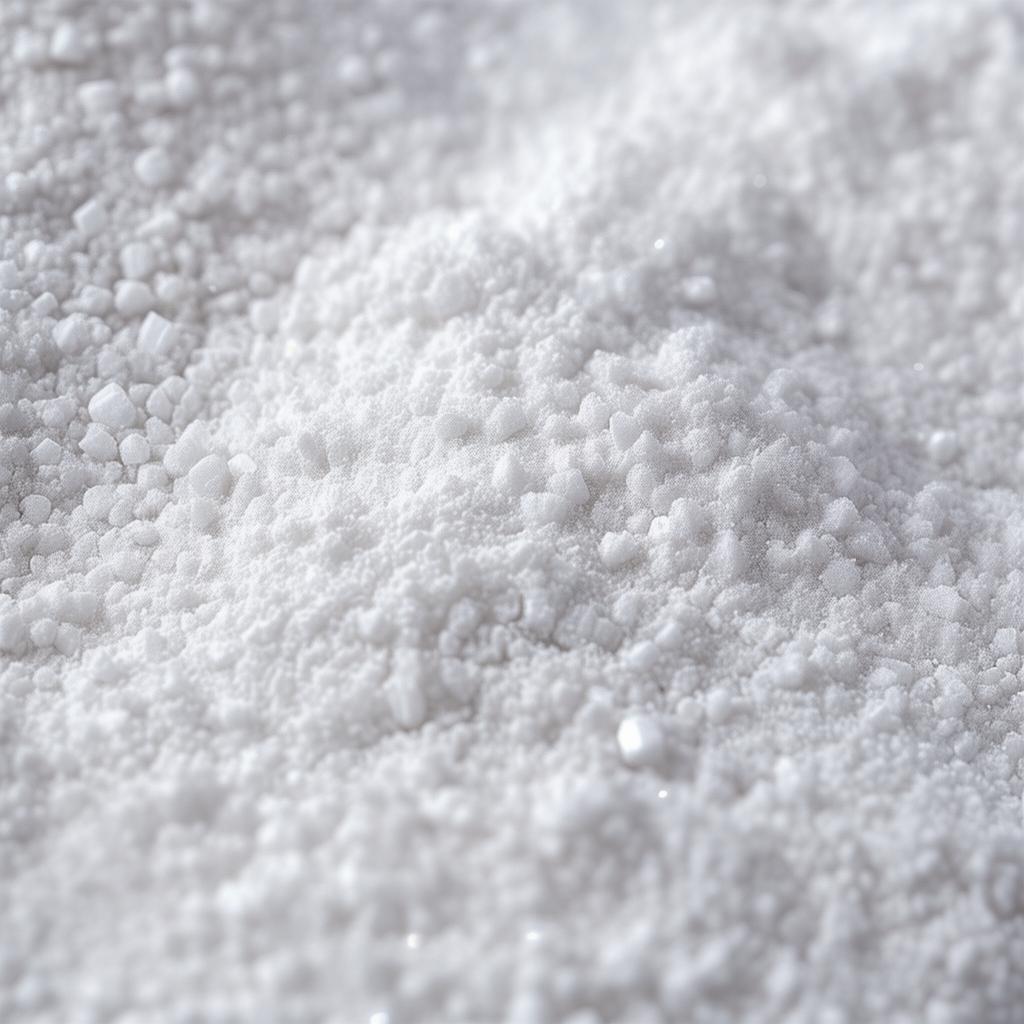
Vermiculite is a type of hydrated magnesium silicate mineral that expands when heated. This expansion process transforms the mineral into a lightweight, spongy material that is highly absorbent and has excellent insulating properties. It's often used in various industries for its unique characteristics.
Benefits of Vermiculite Packing Material
-
High Absorbency: Vermiculite has the ability to absorb and retain moisture, making it ideal for packaging materials that require protection from dampness.
-
Insulation: Its lightweight and spongy nature offer excellent thermal insulation, keeping products cool or warm during transit.
-
Reusability: Vermiculite packing material is durable and can be reused multiple times, reducing waste and promoting sustainability.
-
Biodegradable: Unlike some other packing materials, vermiculite is biodegradable, making it a more environmentally friendly option.
Common Uses of Vermiculite Packing Material
Vermiculite packing material is widely used across several industries. Here are some of the most common applications:
-
Textile Industry: Used for padding and protection of fabrics during shipping and storage.
-
Electronics Industry: Ideal for packaging sensitive electronic components to prevent static discharge and moisture damage.
-
Food Industry: Used for packaging and protecting food products during transit and storage.
-
Pharmaceutical Industry: Ensures the integrity of medications and other pharmaceutical products.
Product Specifications and Technical Table
| Parameter | Specification |
|---|---|
| Material | Vermiculite |
| Particle Size | 10-30 mesh |
| Water Absorption Rate | 50-70% |
| Compressive Strength | ≥0.2MPa |
| Thermal Conductivity | ≤0.05W/m·K |
column packing material material mica tower packing
Comparing Vermiculite to Other Packing Materials
When it comes to packing materials, there are several options available. Let's compare vermiculite to some of the most common alternatives:
-
Polystyrene (EPS): While EPS is excellent for insulation, it is not biodegradable and can be harmful to the environment.
-
Cardboard: Cardboard is biodegradable but lacks the moisture absorption and insulation properties of vermiculite.
-
Peat Moss: Similar to vermiculite, peat moss is biodegradable and absorbent. However, it is less durable and can be more expensive.
Case Study: How Vermiculite Packing Material Saved a Product Launch
A well-known electronics company was preparing to launch a new line of products. To ensure the products arrived in perfect condition, they turned to vermiculite packing material. The result? Zero product damage during transit. The company was thrilled with the performance of vermiculite and has since made it their go-to packing material for all their products.
Conclusion
Vermiculite packing material is a versatile, sustainable, and environmentally friendly option for a variety of packaging applications. Its high absorbency, insulation properties, reusability, and biodegradability make it an excellent choice for businesses looking to protect their products while minimizing their environmental impact. So, if you're in the market for a new packing material, consider vermiculite – it might just be the perfect solution for your needs.
Call to Action: Are you ready to make the switch to vermiculite packing material? Contact Glory Star Group today to learn more about our products and how they can benefit your business.


.png "About")