

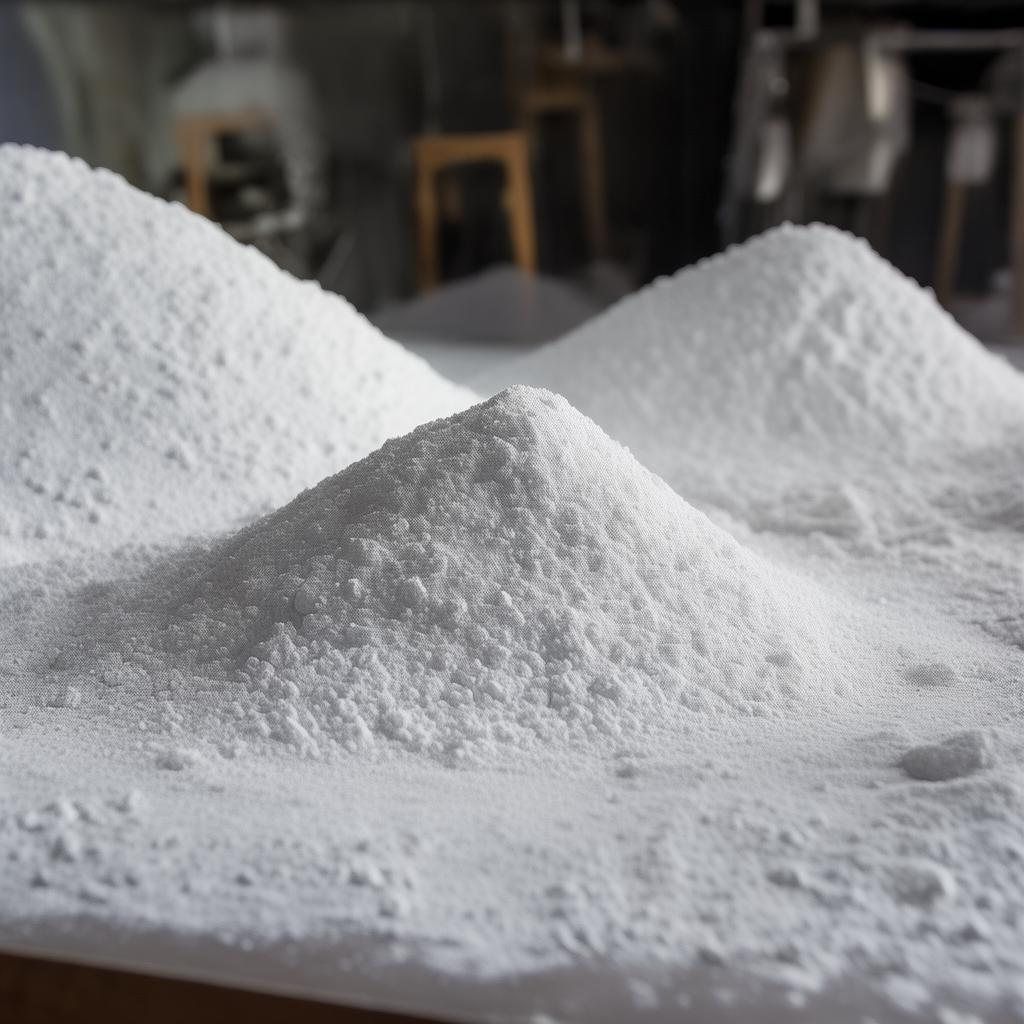


The Secret Ingredient: Vermiculite in Soil
Introduction to Vermiculite
Have you ever wondered what gives your plants that lush, vibrant look? It might just be a little-known ingredient called vermiculite. This mineral is a game-changer for gardeners and plant enthusiasts alike. Let's dive into what vermiculite is, how it benefits your soil, and why it's a must-have for any green thumb.
What is Vermiculite?
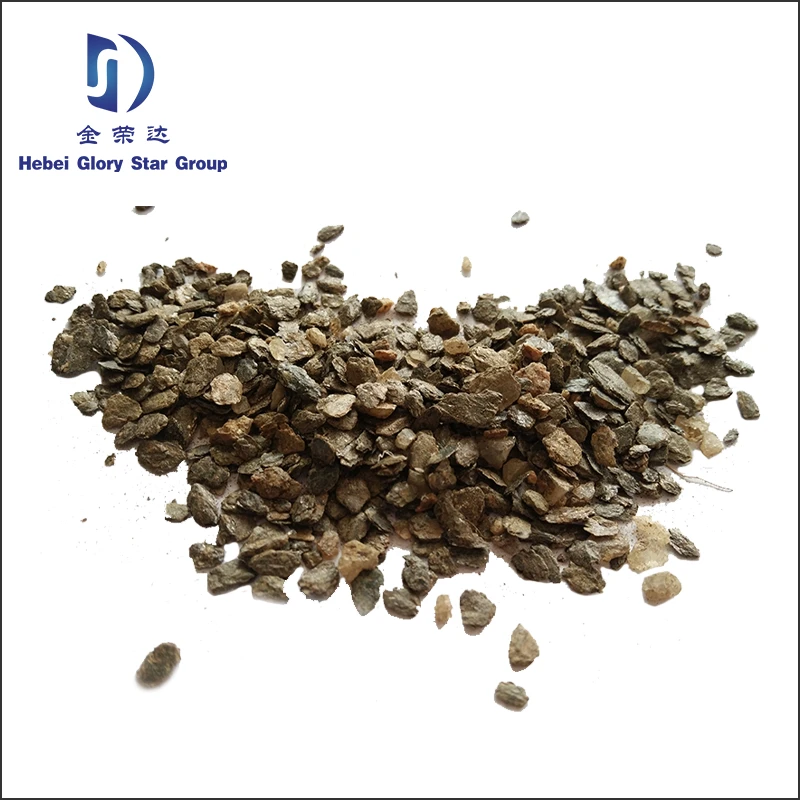
Vermiculite is a natural, hydrous magnesium silicate mineral that expands when heated. This expansion process creates tiny, hollow, and lightweight particles that are perfect for soil. It's often confused with perlite, but vermiculite has a unique ability to retain water and nutrients, making it a favorite among gardeners.
How Vermiculite is Made
The process of making vermiculite is fascinating. First, the raw vermiculite is mined and then heated to around 850 degrees Celsius. This heat triggers the expansion of the mineral, creating the characteristic vermiculite particles we use in gardening. It's a completely natural process, without any synthetic chemicals.
Benefits of Vermiculite in Soil
Improved Water Retention
One of the standout benefits of vermiculite is its ability to retain water. This is crucial for plants, especially during dry spells or when you can't water as frequently. Vermiculite holds onto water while still allowing excess to drain away, preventing root rot and ensuring your plants stay hydrated.
Enhanced Nutrient Availability
Vermiculite isn't just good at holding water; it also improves nutrient availability in the soil. The particles increase the surface area of the soil, allowing roots to access more nutrients. Plus, vermiculite releases nutrients slowly, ensuring a steady supply for your plants.
Aeration and Drainage
A well-aerated and well-drained soil is essential for healthy plant growth. Vermiculite helps with both. It adds bulk to the soil, which improves aeration, and its particle structure allows excess water to drain away, preventing waterlogging.
Product Specifications: Glory Star Group Vermiculite
| Product Name | Glory Star Group Vermiculite |
|---|---|
| Origin | Hebei, China |
| Particle Size | 1-5 mm |
| Moisture Content | 5-10% |
| pH Range | 5.5-7.5 |
| Application | Use as a soil amendment, potting mix, or mulch |
vermiculite soil vermiculite soil amendment vermiculite in gas fireplace
How to Use Vermiculite in Your Garden
Step-by-Step Guide
-
Start by mixing vermiculite into your existing soil. A good rule of thumb is to add about 20% vermiculite to your soil mix.
-
For potted plants, mix vermiculite with potting soil to create a loose, well-draining mix.
-
Use vermiculite as a mulch to retain moisture and keep the soil temperature stable.
-
Regularly water your plants, as vermiculite helps retain moisture but still allows for drainage.
-
Enjoy the lush, healthy growth of your plants!
Real-World Example
Last year, I decided to try vermiculite in my garden. I mixed it into my existing soil and noticed a significant improvement in the health of my plants. My tomatoes were more productive, my flowers were more vibrant, and my garden overall looked healthier than ever before. It was a small change, but the impact was huge.
Conclusion
Vermiculite is a powerful tool for any gardener looking to improve their soil and plant health. With its ability to retain water, enhance nutrient availability, and improve aeration and drainage, it's no wonder it's become a staple in the gardening world. So why not give it a try? Your plants will thank you.
Call to Action
Ready to transform your garden with vermiculite? Check out our product page at Glory Star Group for high-quality vermiculite that will take your garden to the next level.






.png "About")