

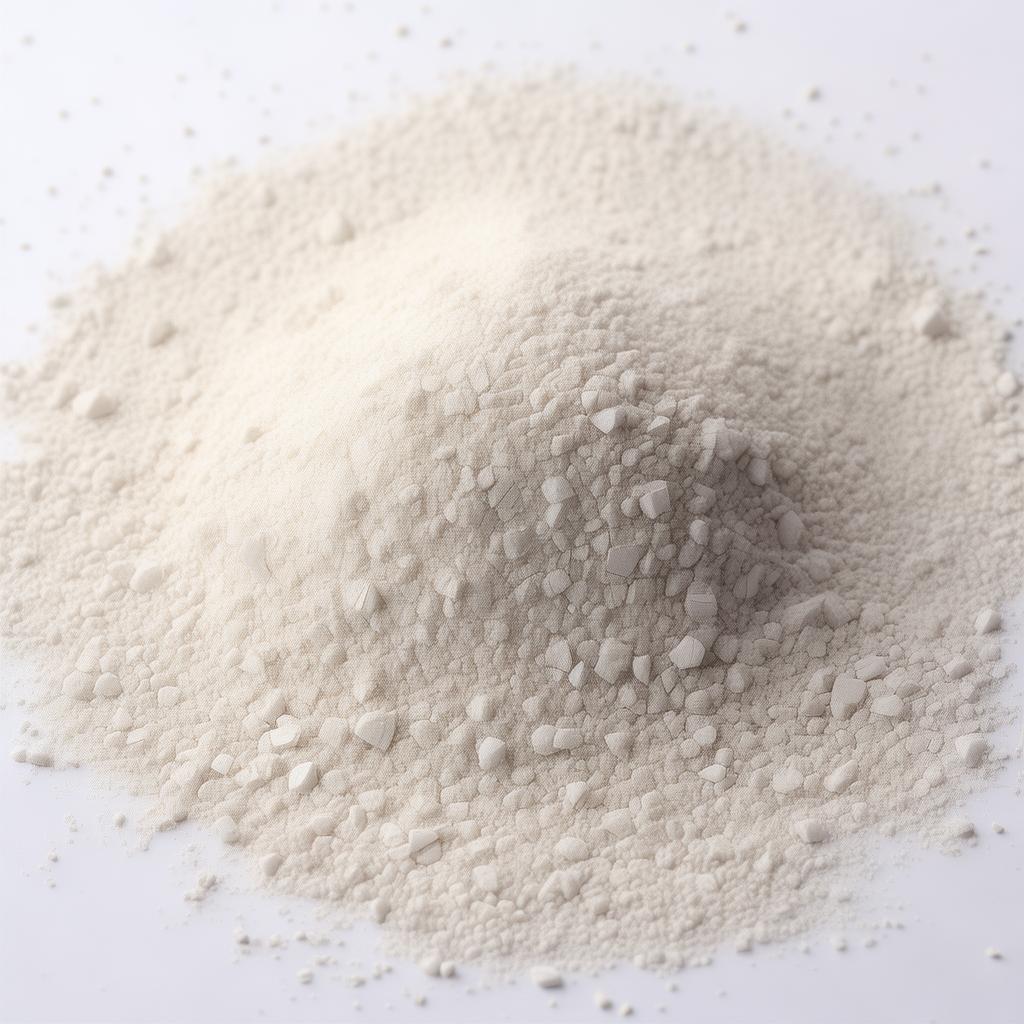


The Ultimate Guide to Gardening with Vermiculite
Introduction to Vermiculite
Vermiculite is a versatile and incredibly useful addition to any gardener's toolkit. This natural, non-toxic mineral is a member of the mica family and has been widely used in horticulture for decades. In this article, we'll explore the benefits of using vermiculite in your garden, its product specifications, and how to incorporate it into your gardening routine.
What is Vermiculite?
Vermiculite is a soft, spongy material that expands when heated. This expansion creates tiny pockets of air, making it an excellent soil conditioner. It's commonly used in potting mixes, seed starting, and as a mulch to retain moisture and improve soil aeration.
Product Specifications
| Specification | Description |
|---|---|
| Particle Size | 1-5 mm, 5-10 mm, 10-20 mm |
| pH Level | 6.0 - 7.0 |
| Water Holding Capacity | Up to 300% of its dry weight |
| Expansion Ratio | 3-5 times its original volume |
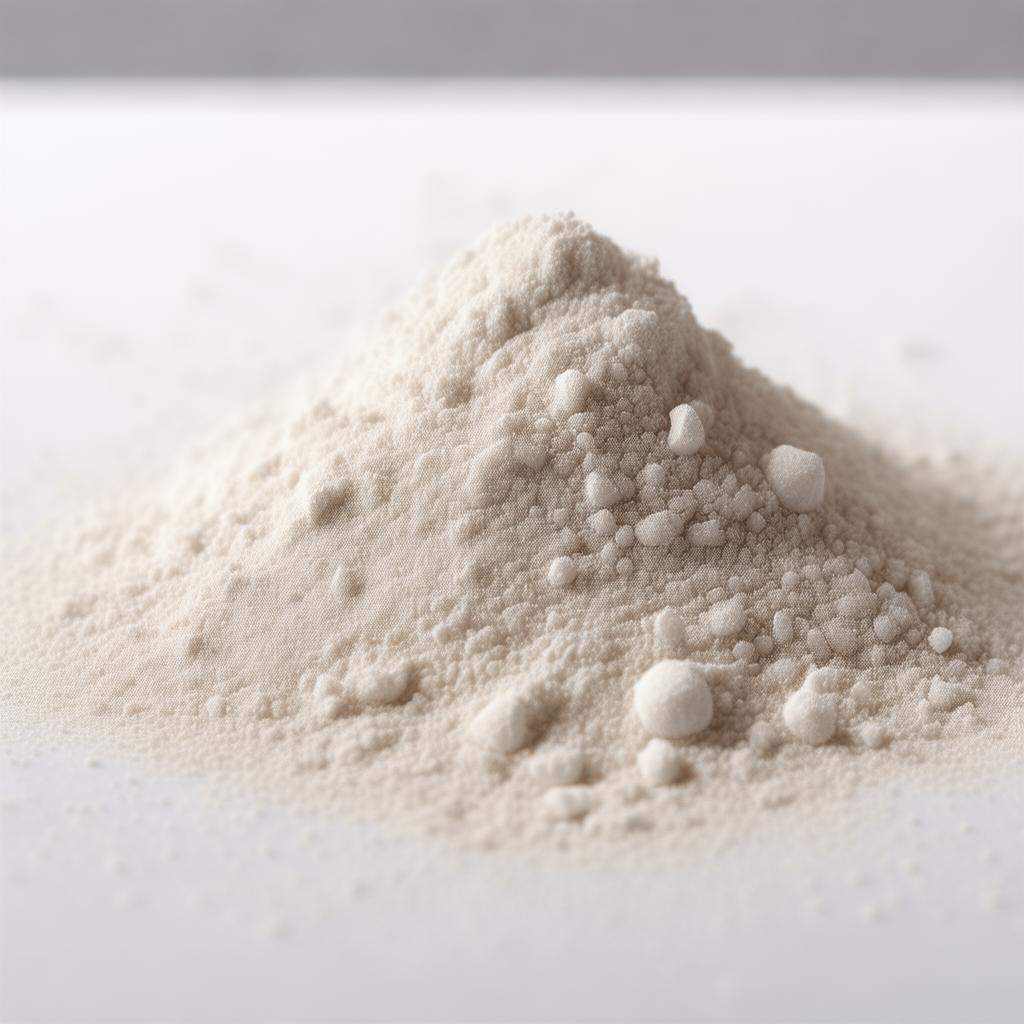
expanded vermiculite for gardening epoxy with sand epoxy with flakes
Benefits of Using Vermiculite
- Aeration and Drainage: Vermiculite improves soil aeration and drainage, preventing waterlogging and root rot.
- Moisture Retention: It retains moisture, reducing the frequency of watering for plants.
- Temperature Regulation: Vermiculite helps maintain a stable soil temperature, beneficial for seed germination and root growth.
- Soil Conditioner: It breaks down over time, enriching the soil with essential nutrients.
- Versatility: Suitable for a wide range of plants, from vegetables and flowers to herbs and houseplants.
How to Use Vermiculite in Your Garden
Step 1: Preparing Your Soil
Start by mixing vermiculite into your existing soil. A good ratio is 1 part vermiculite to 3 parts soil. This improves the soil's texture and structure, making it more suitable for plant growth.
Step 2: Seed Starting
When starting seeds, mix vermiculite with potting soil to create a loose, well-draining mix. This encourages seed germination and reduces the risk of fungal diseases.
Step 3: Potting Mix
Use vermiculite in your potting mix to ensure your plants have the perfect growing environment. It's especially useful for plants that prefer well-draining soil, such as succulents and cacti.
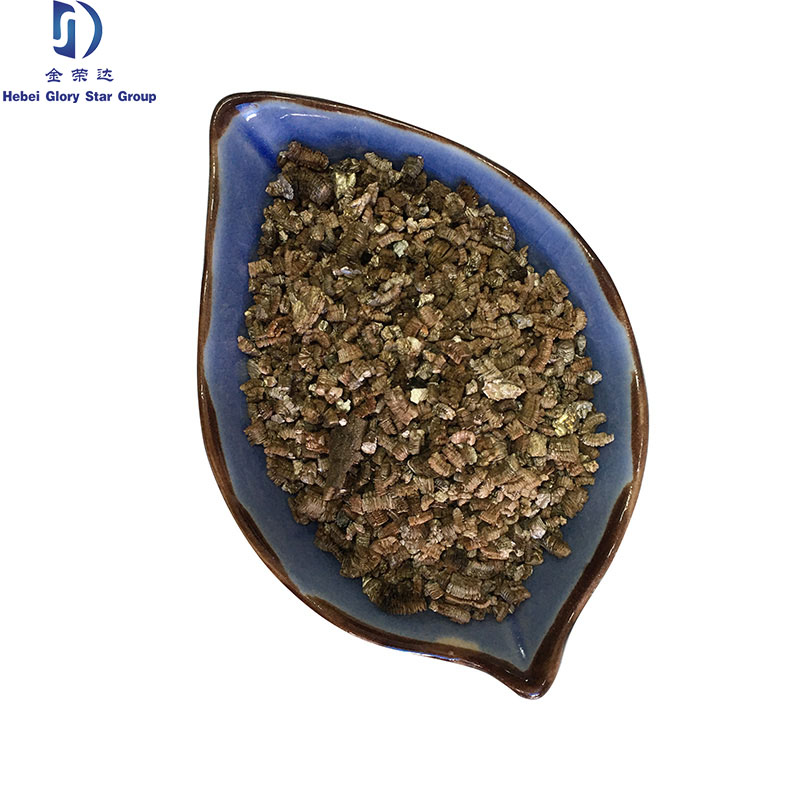
Step 4: Mulching
Apply a layer of vermiculite as mulch around your plants. This helps retain soil moisture, suppresses weeds, and keeps the soil temperature stable.
Real-World Examples
One of our customers, Jane, uses vermiculite in her vegetable garden. She noticed that her tomatoes grew faster and healthier than ever before. Jane attributed this to the improved drainage and moisture retention provided by the vermiculite.
Conclusion
Adding vermiculite to your garden is a game-changer for plant growth and soil health. Its unique properties make it an essential tool for any gardener. So, why not give it a try? You might be surprised by the results!
For more information on our products and services, please visit our website at Glory Star Group. We're here to help you grow your garden to its full potential.






.png "About")