



Unlocking Nature's Gift: The Power of Vermiculite for Plants
Introduction to Vermiculite: A Timeless Solution for Plant Enthusiasts
As a plant enthusiast, you've likely encountered a myriad of soil amendments and additives. But have you ever wondered about the humble yet powerful vermiculite? This natural mineral has been a secret weapon for gardeners and horticulturists for decades. In this article, we'll delve into the world of vermiculite for plants, exploring its benefits, uses, and how it can transform your gardening experience.
What is Vermiculite?
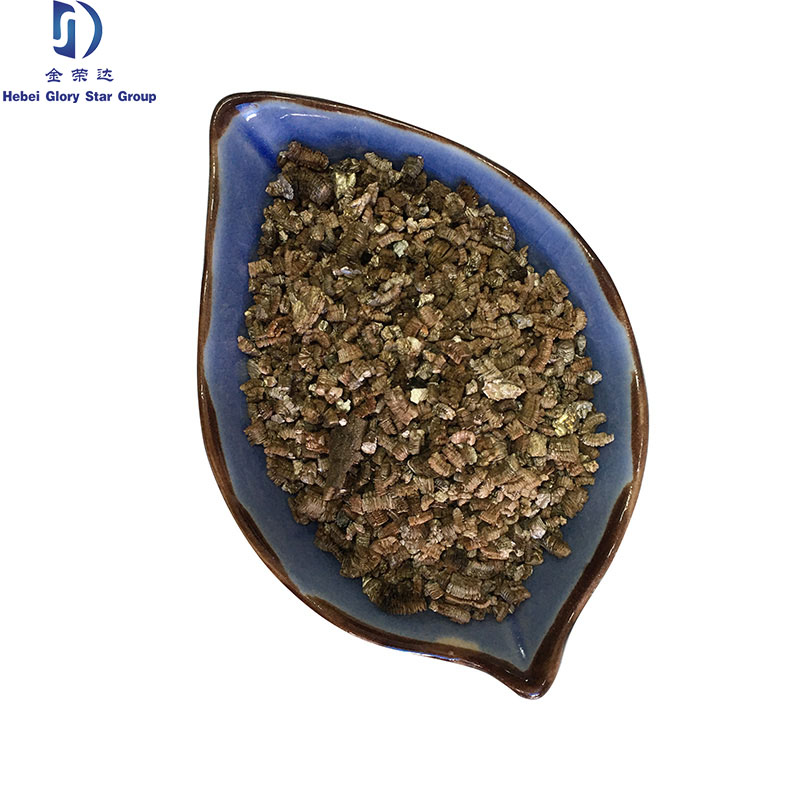
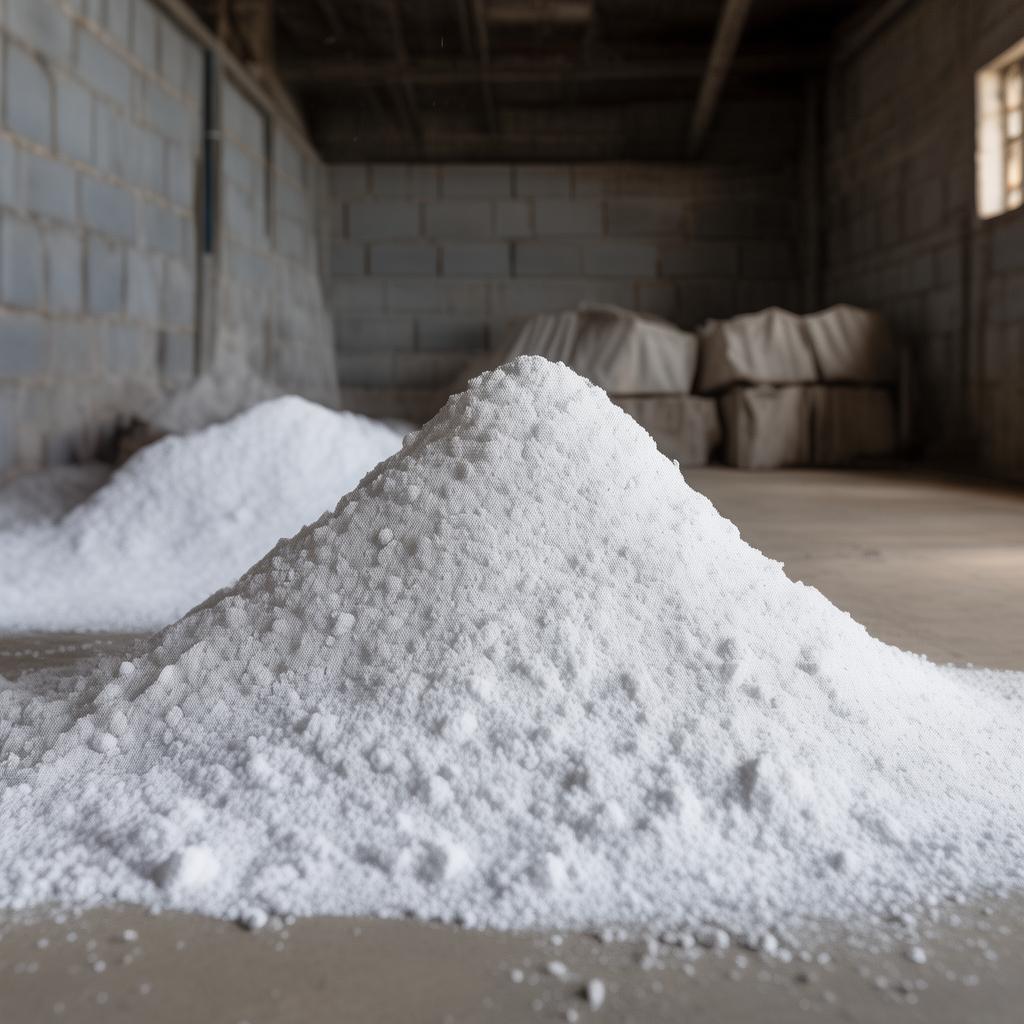
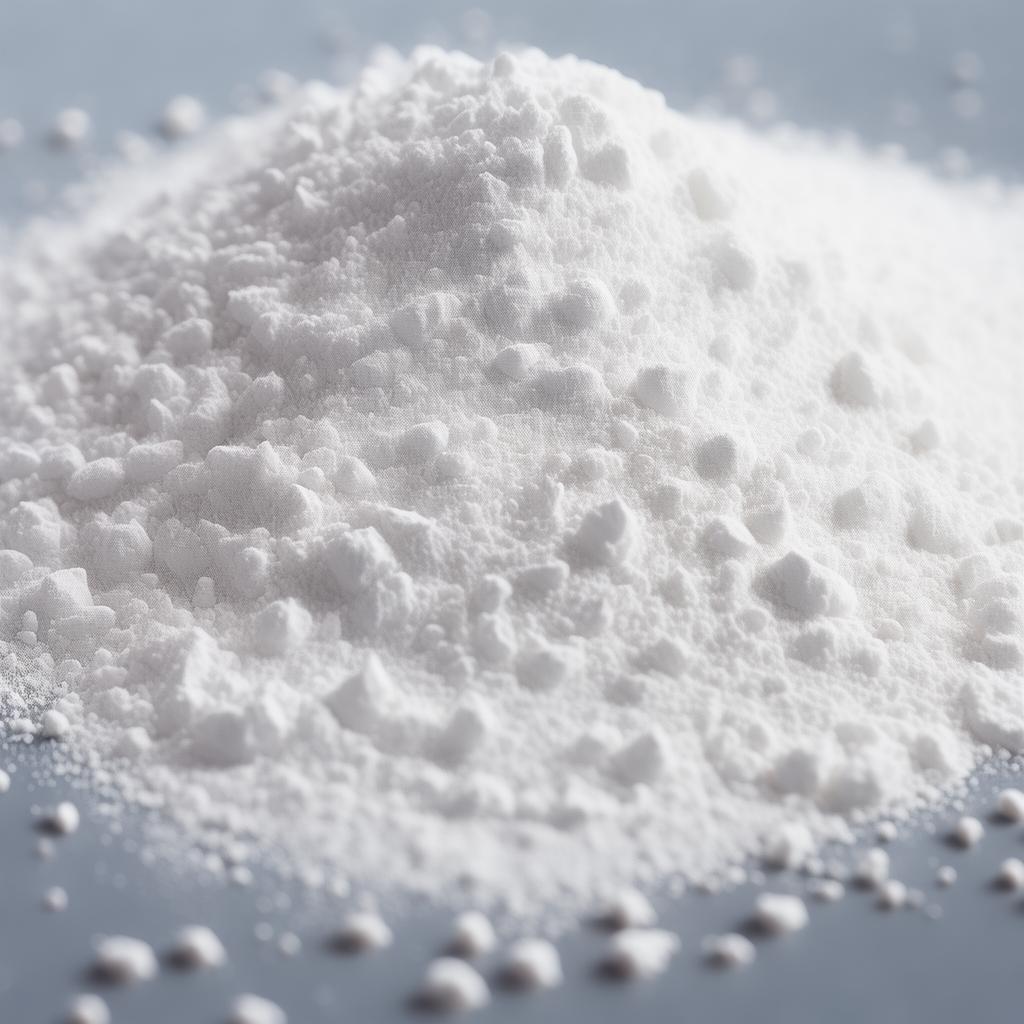
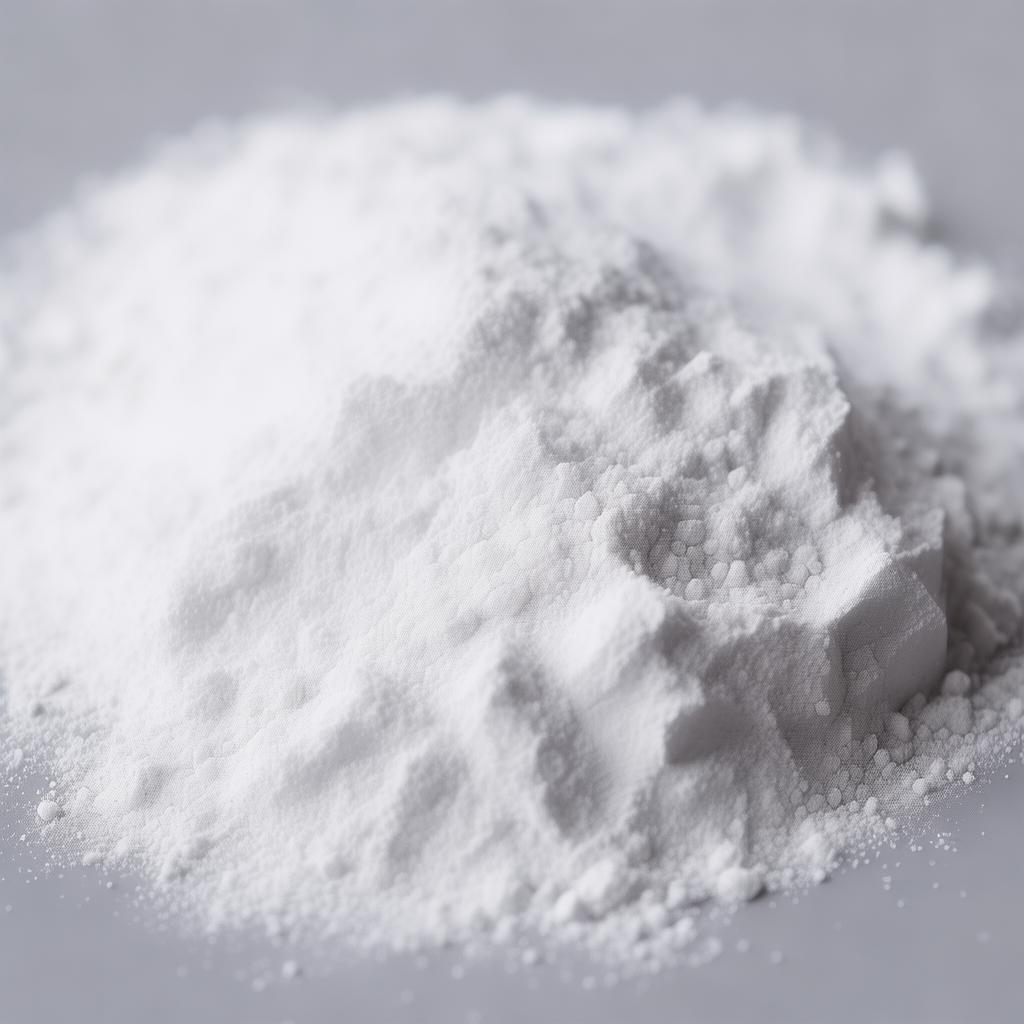
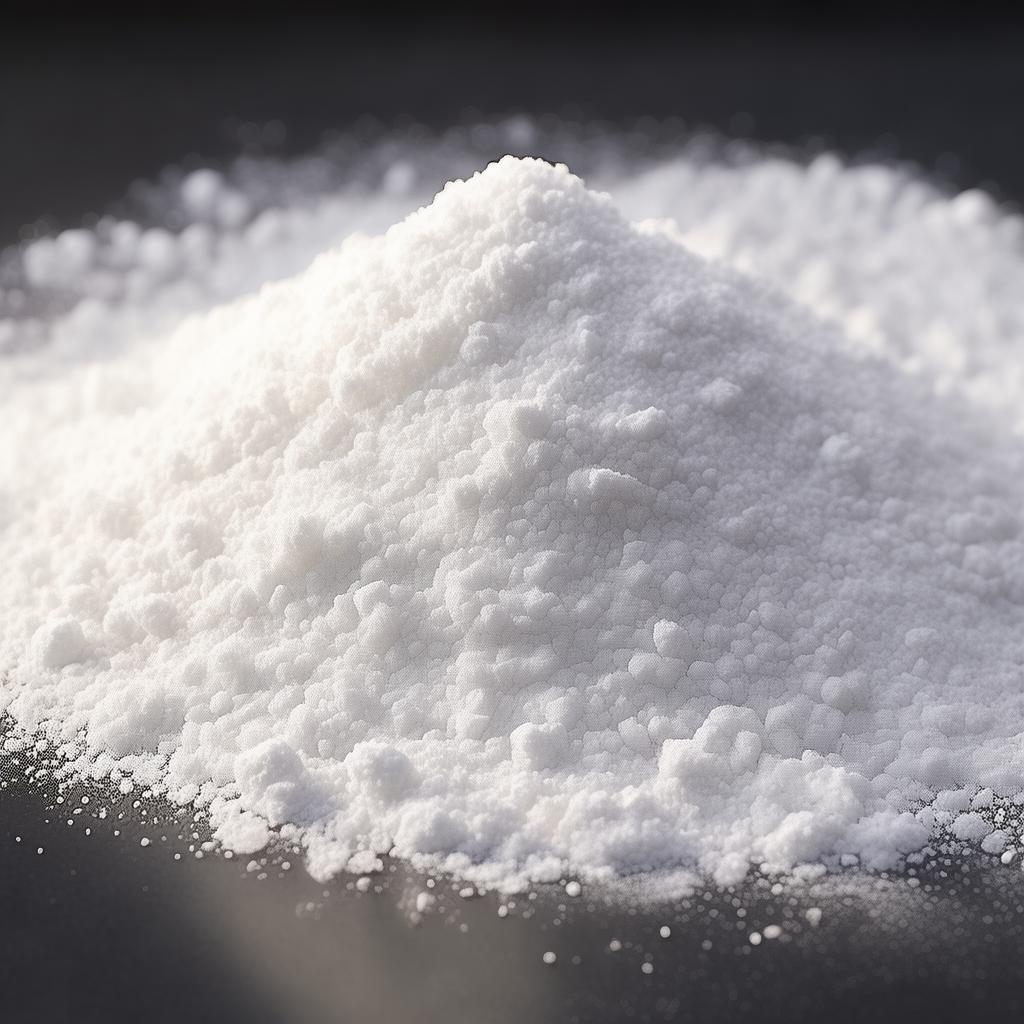
Vermiculite is a type of phyllosilicate mineral that expands when heated. This expansion creates tiny, lightweight, and highly absorbent flakes that are perfect for plant growth. It's often found in nature, but the vermiculite used in horticulture is typically heat-treated to enhance its properties.
Product Specifications
| Property | Specification |
|---|---|
| Particle Size | 1-5 mm |
| Water Absorption | Up to 300% by weight |
| PH Range | 5.5-7.5 |
| Particle Shape | Flake-like |
Plants lightweight expanded clay aggregate for plants vermiculite for mushrooms
The Benefits of Vermiculite for Plants
-
Improved Water Retention
Vermiculite's unique ability to absorb and retain water makes it an excellent choice for plants that require consistent moisture levels. It helps prevent overwatering and ensures that plants have access to water when they need it most.
-
Aeration and Drainage
The fluffy texture of vermiculite allows for better air circulation and drainage in soil. This is crucial for root health, as it prevents root rot and encourages healthy root development.
-
Temperature Regulation
Vermiculite has excellent thermal properties, which help regulate soil temperature. This is particularly beneficial for sensitive plants that may be prone to temperature extremes.
-
Nutrient Retention
Vermiculite can hold onto nutrients in the soil, making them more accessible to plants. This can reduce the need for frequent fertilizing and ensure that plants receive a steady supply of essential nutrients.
How to Use Vermiculite in Your Garden
Step 1: Prepare Your Soil
Before adding vermiculite to your soil, ensure that it is well-draining and free of weeds. Loosen the soil to a depth of about 12 inches and remove any large rocks or debris.
Step 2: Mix Vermiculite with Soil
Add vermiculite to your soil at a rate of about 1 part vermiculite to 3 parts soil. Mix thoroughly to ensure even distribution.
Step 3: Plant Your Seeds or Transplants
Once your soil is prepared, you can plant your seeds or transplants as usual. The vermiculite will help retain moisture and provide a stable environment for root growth.
Step 4: Water and Maintain
Keep the soil consistently moist, but avoid waterlogging. As the plants grow, you may need to adjust the watering schedule to ensure they receive the right amount of water.
Real-World Examples
I've used vermiculite in my own garden for years, and the results have been nothing short of amazing. My tomato plants have thrived in vermiculite-rich soil, producing larger, tastier fruits with fewer problems. Similarly, my houseplants have shown improved growth and vigor since I started incorporating vermiculite into their potting mix.
Conclusion
Vermiculite is a versatile and beneficial addition to any gardener's toolkit. Its ability to improve water retention, aeration, and nutrient retention makes it an invaluable resource for plant growth. So, why not give it a try in your garden? You might be surprised at the difference it can make.
Call to Action: If you're interested in purchasing high-quality vermiculite for your garden, consider reaching out to Glory Star Group. Their products are not only effective but also come with the assurance of ISO9001 Certification. Visit their website at https://www.glorystarexport.com/contactus.html for more information.






.png "About")