

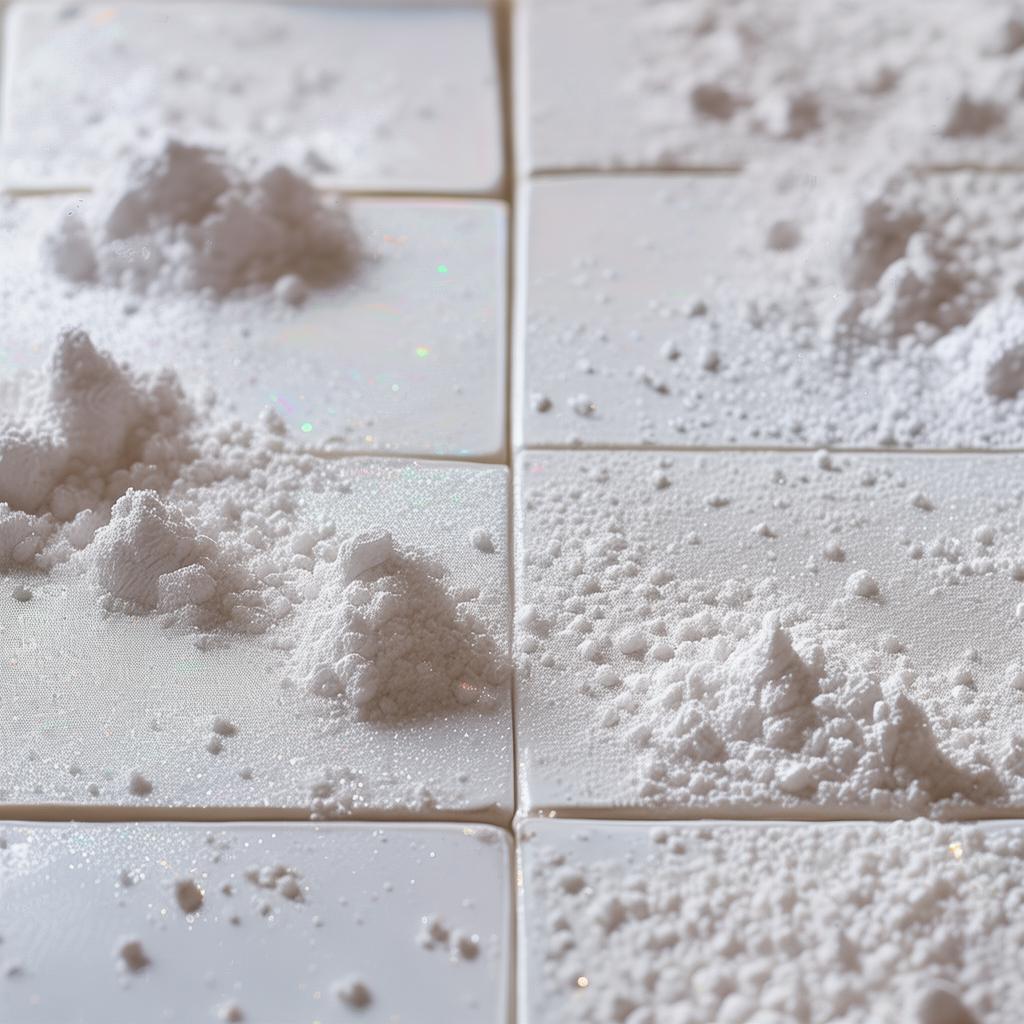


The Ultimate Guide to Textured Epoxy Floor: What You Need to Know
Introduction to Textured Epoxy Floor
When it comes to flooring, the options are endless. But if you're looking for something that's not only durable but also stylish, textured epoxy floor is the way to go. It's a game-changer for both residential and commercial spaces, offering a unique blend of aesthetics and functionality.
Why Choose Textured Epoxy Floor?
Textured epoxy floors are becoming increasingly popular for a variety of reasons. Let's dive into the top benefits:
- High Durability: They can withstand heavy foot traffic and are resistant to chemicals, oil, and stains.
- Easy Maintenance: Cleaning is a breeze with just a damp mop, and they can last for decades with minimal maintenance.
- Stylish Aesthetics: Available in a wide range of colors and finishes, they can complement any design style.
- Customization: You can choose from various textures and patterns to create a unique look.
Understanding Textured Epoxy Floor Specifications
Before diving into the installation process, it's essential to understand the specifications of the textured epoxy floor you're considering. Here's a breakdown of the key details:
| Product Name | Glory Star Textured Epoxy Floor |
|---|---|
| Thickness | 1.5mm - 5mm |
| Base Material | Epoxy Resin |
| Color Range | Over 50 standard colors, custom colors available |
| Finish | Matte, glossy, or textured finish |
| Application Area | Indoor and outdoor areas, including garages, basements, commercial spaces, and more |
Step-by-Step Installation Process
Installing a textured epoxy floor is a straightforward process. Here's a step-by-step guide:
- Prepare the Subfloor: Ensure it's clean, dry, and level. Any cracks or imperfections should be repaired.
- Apply Primer: Use an epoxy primer to ensure proper adhesion and to protect the subfloor.
- Mix the Epoxy: Follow the manufacturer's instructions for mixing the epoxy and hardener.
- Apply the Epoxy: Use a roller or squeegee to apply the epoxy to the subfloor. Be sure to work quickly to prevent the mixture from curing.
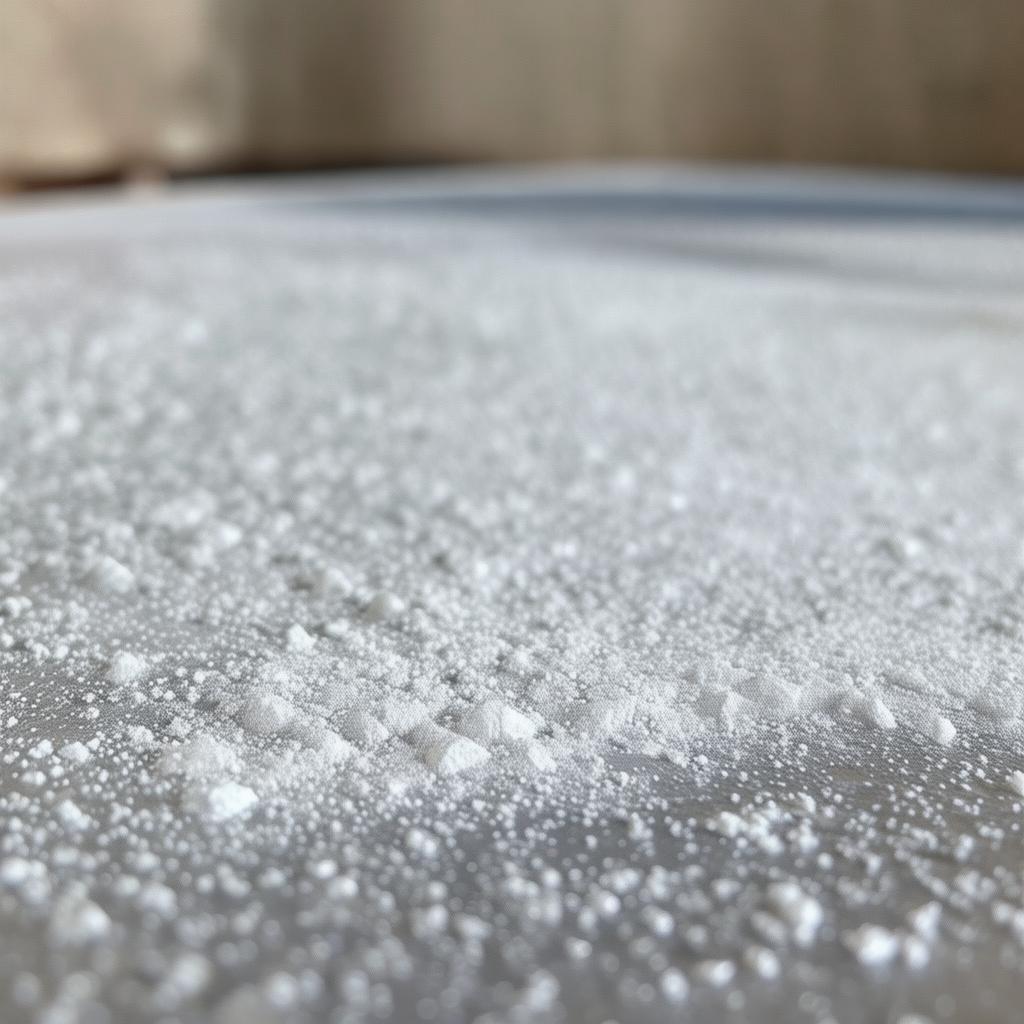
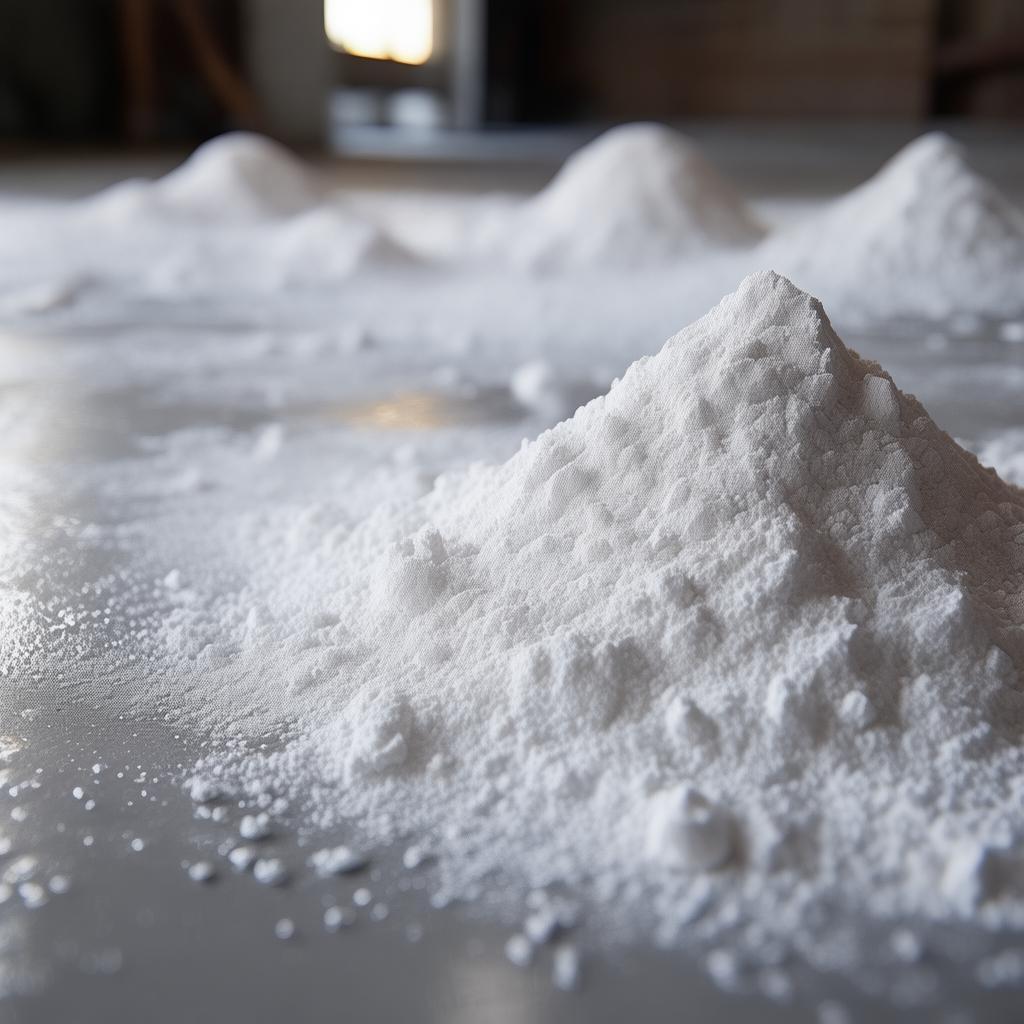
- Apply the Texture: Once the epoxy is dry to the touch, sprinkle the desired texture over the surface. Use a broom to evenly distribute the texture.
- Cure: Allow the textured epoxy floor to cure according to the manufacturer's instructions, typically 24-48 hours.
- Seal: Apply a clear sealant to protect the finish and increase durability.
- Expertise: Professionals have the experience and knowledge to ensure a high-quality installation.
- Time-Saving: They can complete the job more quickly than most DIYers.
- Guarantee: Many professionals offer a warranty on their work, giving you peace of mind.
- Garages: They provide a durable and stylish alternative to traditional concrete floors.
- Restaurants: They are easy to clean and maintain, making them ideal for busy commercial kitchens.
- Hospitals: They offer a non-slip surface that is easy to clean, reducing the risk of accidents.
Benefits of Hiring Professionals
While installing a textured epoxy floor is a manageable DIY project for many, hiring professionals can offer several benefits:

flake epoxy floor decorative epoxy floor epoxy metallic floor
Real-World Examples
Textured epoxy floors have been used in a variety of settings, including:
Conclusion
Textured epoxy floors are a fantastic choice for anyone looking to upgrade their flooring. With their durability, ease of maintenance, and stylish aesthetics, they're a worthwhile investment for both residential and commercial spaces. Whether you choose to install it yourself or hire a professional, you'll enjoy the benefits for years to come.
For more information on textured epoxy floors or to get a quote, contact Glory Star Group at +86-15102245195 or email vicky@glorystarexport.com.







.png "About")