



The Ultimate Guide to Epoxy Workshop Floor Solutions
Introduction to Epoxy Workshop Floors
As a DIY enthusiast or a professional in the manufacturing industry, you know the importance of a sturdy and reliable floor. Epoxy workshop floors have become the go-to choice for many due to their durability, ease of maintenance, and aesthetic appeal. In this article, we'll delve into the world of epoxy workshop floors, exploring their benefits, installation process, and maintenance tips.
Why Choose Epoxy Workshop Floors?
There are several reasons why epoxy floors are preferred over traditional concrete or tile floors:
- Durability: Epoxy floors can withstand heavy loads, chemicals, and extreme temperatures, making them ideal for workshops and industrial settings.
- Easy Maintenance: Cleaning and maintaining epoxy floors is a breeze. They are resistant to stains, cracks, and chips, ensuring a long-lasting finish.
- Aesthetic Appeal: Epoxy floors come in a variety of colors and finishes, allowing you to customize the look of your workspace.
- Cost-Effective: While the initial installation cost may be higher than traditional floors, the long-term savings on maintenance and replacement make epoxy floors a cost-effective choice.
Product Specifications: Epoxy Workshop Floor
Here are the technical specifications of our premium epoxy workshop floor:
| Property | Value |
|---|---|
| Thickness | 2-5 mm |
| Color | Customizable |
| Finish | Matte, glossy, or textured |
| Application Temperature | 5°C to 30°C |
| curing Time | 24 hours |
flake epoxy floor decorative epoxy floor epoxy metallic floor
Installation Process
Installing an epoxy workshop floor is a straightforward process, but it requires attention to detail and proper preparation. Here's a step-by-step guide:
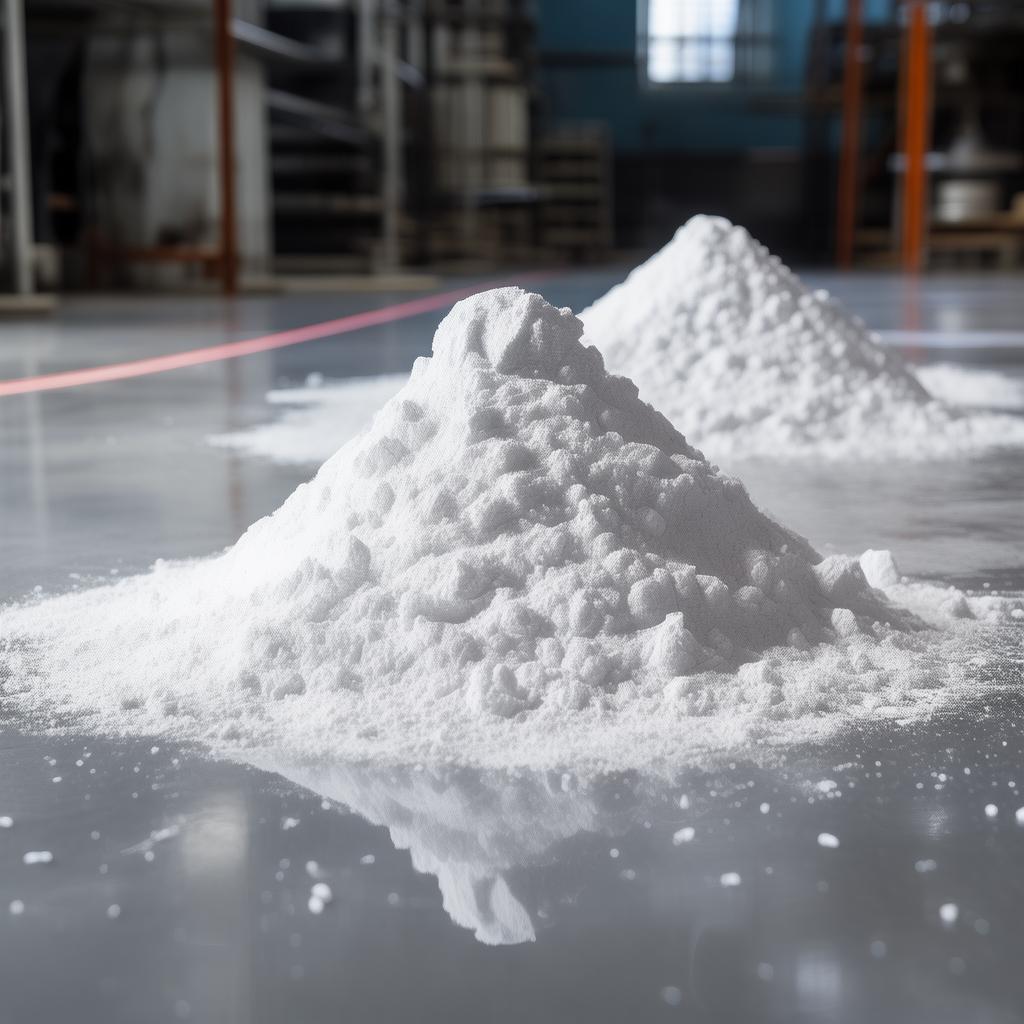
- Surface Preparation: Clean and repair the concrete surface, ensuring it is free of dust, oil, and other contaminants.
- Mixing the Epoxy: Follow the manufacturer's instructions to mix the epoxy resin and hardener thoroughly.
- Applying the Epoxy: Use a roller or brush to apply the epoxy mixture to the surface, ensuring even coverage.
- Curing: Allow the epoxy to cure according to the manufacturer's recommendations.
- Finishing: Once cured, you can apply a topcoat for added protection and durability.
Maintenance Tips
Proper maintenance is crucial for extending the life of your epoxy workshop floor:
- Regular Cleaning: Sweep and mop the floor regularly to remove dust and debris.
- Use Appropriate Cleaning Agents: Avoid using harsh chemicals or abrasive cleaners that can damage the epoxy finish.
- Immediate Spill Cleanup: Wipe up spills immediately to prevent stains and damage.
- Periodic Inspections: Regularly inspect the floor for cracks or damage and address them promptly.
Real-World Examples
One of our clients, a local auto repair shop, replaced their old concrete floor with our epoxy workshop floor. Since the installation, they have noticed a significant improvement in the cleanliness and safety of their workspace. The floor is easy to clean, and the glossy finish adds a professional touch to the shop.
Conclusion
Epoxy workshop floors are a smart investment for any business or DIY project. With their durability, ease of maintenance, and aesthetic appeal, they offer a practical and stylish solution for your workspace. If you're considering an epoxy floor for your workshop, contact us today for a free consultation and quote.
Call to Action
Ready to transform your workspace with a durable and beautiful epoxy floor? Contact Glory Star Group at +86-15102245195 or email vicky@glorystarexport.com for more information and a free quote.







.png "About")