

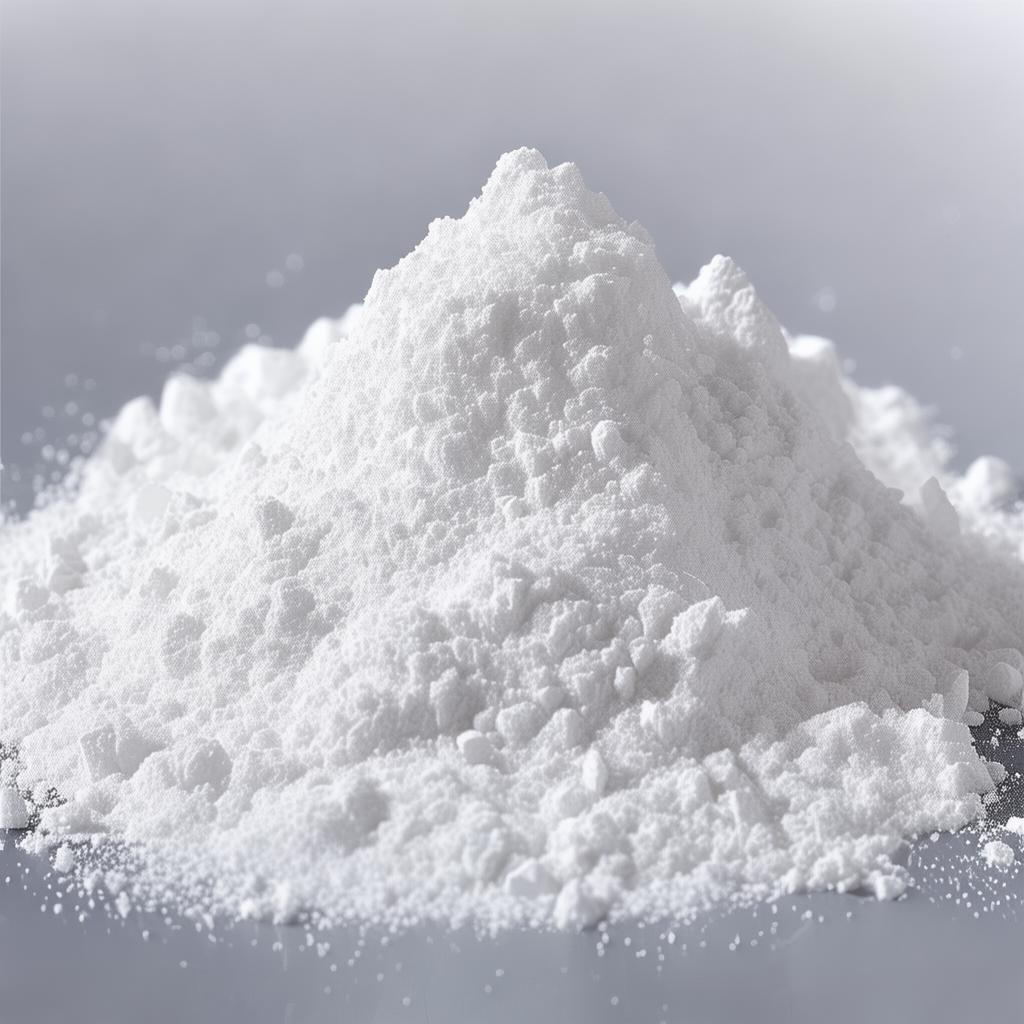


The Ultimate Guide to Deep Pour Epoxy: A Comprehensive Review
Introduction to Deep Pour Epoxy
Hey there, fellow DIY enthusiasts and construction professionals! Today, we're diving into the fascinating world of deep pour epoxy. If you're looking for a reliable, versatile, and durable material to fix, bond, or create, deep pour epoxy is your go-to solution. But hold on tight, there's a lot to cover, so let's get started!
What is Deep Pour Epoxy?
Deep pour epoxy, also known as high-flow epoxy, is a two-component, high-strength, and low-viscosity material. Its unique characteristics make it perfect for applications where traditional epoxies won't do. But what sets deep pour epoxy apart from other epoxies?
Key Features of Deep Pour Epoxy
- High-Flow: Allows for deep penetration and bonding in intricate spaces.
- Excellent Strength: Offers high compressive and tensile strength for robust adhesion.
- Good Chemical Resistance: Withstands a wide range of chemicals and environmental conditions.
- Low Shrinkage: Reduces the risk of cracking or warping over time.
- High Temperature Resistance: Can withstand extreme temperatures without losing its properties.
Applications of Deep Pour Epoxy
Deep pour epoxy has a wide range of applications in various industries. Whether you're a hobbyist, contractor, or engineer, this material can help you tackle a variety of projects with ease. Let's take a look at some of the most common applications:
Construction and Repair
- Bridge and road repairs
- Concrete reinforcement
- Structural bonding
- Waterproofing and sealing
Automotive and Marine
- Engine repair and rebuilding
- Transmission and differential repair
- Marine hull repair and construction
- Body and frame bonding
Aerospace and Defense
- Structural repairs and reinforcement
- Assembly of composite materials
- Sealing and bonding in harsh environments
General Industrial
- Equipment and machinery repair
- Tooling and mold making
- Sealing and gasketing applications
How to Use Deep Pour Epoxy
Using deep pour epoxy is a straightforward process, but it's essential to follow the manufacturer's instructions for the best results. Here's a step-by-step guide to help you out:
Preparation
- Thoroughly mix the resin and hardener according to the manufacturer's instructions.
- Ensure that the application surface is clean, dry, and free of grease or oil.
- Protect the surrounding area with masking tape or drop cloths to avoid spills or drips.
Application
- Slowly pour the mixed epoxy into the desired area, applying it evenly.
- Use a brush or squeegee to spread the epoxy for a smooth and uniform finish.
- Remove any excess epoxy with a spatula or scraper, ensuring that it's not allowed to cure on the surface.
Curing
- Allow the deep pour epoxy to cure according to the manufacturer's recommended time, which can vary depending on the temperature and thickness of the application.
- Cure time can range from 24 to 48 hours, but this can be adjusted based on your specific project requirements.
Product Specifications and Technical Table
| Property | Value |
|---|---|
| Mix Ratio | Resin:Hardener = 1:1 by volume |
| Working Time | 30 minutes at 70°F (21°C) |
| Curing Time | 24 hours at 70°F (21°C) |
| Compressive Strength | 10,000 psi |
| Tensile Strength | 2,700 psi |
| Shrinkage | 0.5% (after 7 days) |
| Temperature Range | -65°F to 250°F (-54°C to 121°C) |
epoxy flake epoxy stone epoxy countertops
Conclusion
So, there you have it – a comprehensive guide to deep pour epoxy. This versatile material can help you achieve incredible results in a variety of applications. Whether you're a DIYer or a professional, understanding the benefits and applications of deep pour epoxy will undoubtedly enhance your projects. Don't forget to visit Glory Star Group for high-quality deep pour epoxy products and expert advice.
Thanks for reading, and happy crafting!





.png "About")