



The Ultimate Guide to Epoxy Cement Filler: Everything You Need to Know
Introduction to Epoxy Cement Filler
Epoxy cement filler, also known as epoxy putty or epoxy repair resin, is a versatile material that serves a variety of purposes in construction and repair. It's a two-part system that cures to form a strong, durable bond, making it ideal for fixing cracks, holes, and gaps in concrete, masonry, and other surfaces.
Why Choose Epoxy Cement Filler?
When it comes to repairing and reinforcing surfaces, epoxy cement filler stands out due to its numerous benefits:
- Strength: Epoxy fillers offer excellent tensile and compressive strength, rivaling that of the materials they bond to.
- Water Resistance: They are impervious to water and moisture, making them ideal for outdoor applications.
- Chemical Resistance: They can withstand exposure to a wide range of chemicals, making them suitable for industrial settings.
- Flexible: Some types of epoxy cement fillers offer flexibility, allowing them to expand and contract with the material they bond to.
Product Specifications of Epoxy Cement Filler
| Property | Value |
|---|---|
| Appearance | Smooth, paste-like material |
| Curing Time | 30 minutes at room temperature (23°C) |
| Shore D Hardness | 70D |
| Strength | 50 MPa (tensile) / 100 MPa (compressive) |
| Temperature Range | -50°C to 150°C |
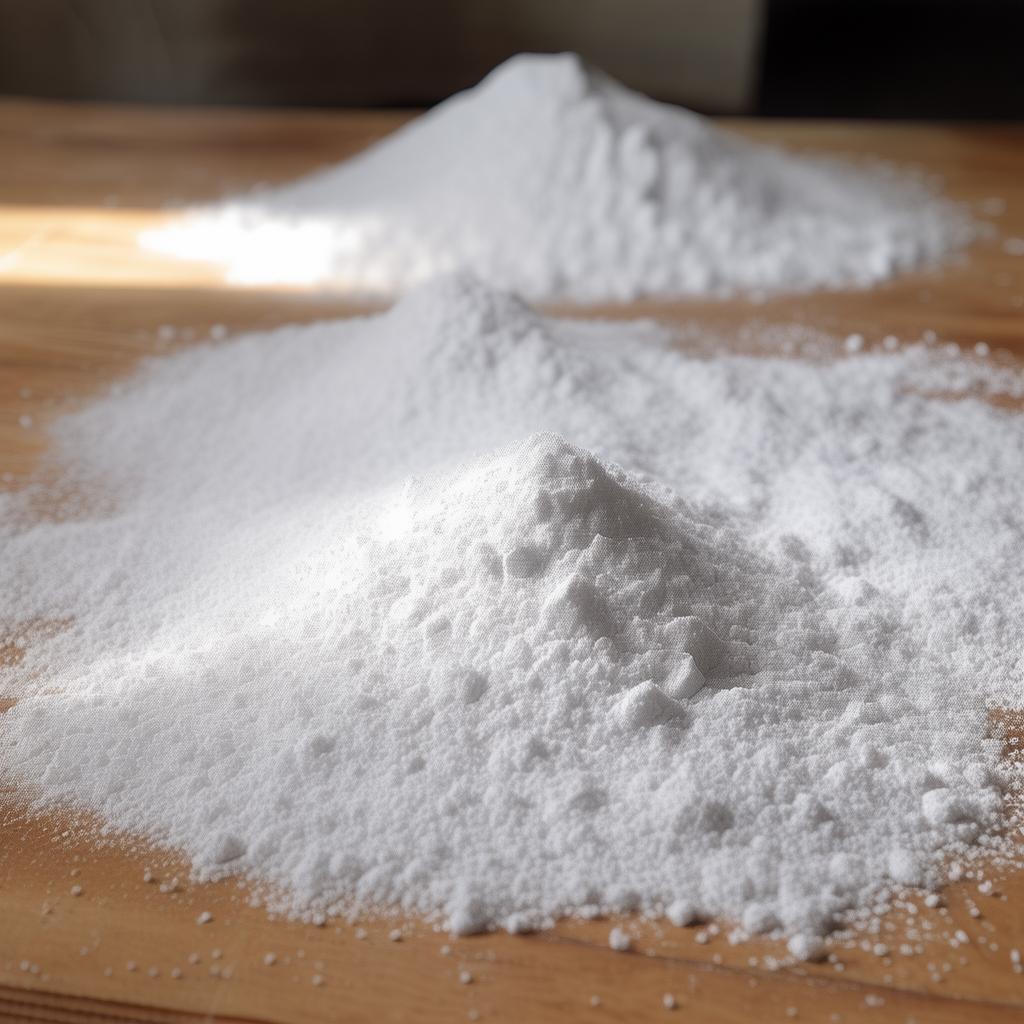
epoxy cement epoxy wood floor filler transparent calcium carbonate filler
Applications of Epoxy Cement Filler
Epoxy cement fillers are incredibly versatile and can be used in a wide range of applications:
- Repairing cracks and holes in concrete and masonry structures
- Sealing joints and gaps in brickwork and block walls
- Restoring and reinforcing deteriorated surfaces
- Creating a protective barrier against moisture, chemicals, and environmental factors
- Repairing and strengthening metal and wooden surfaces
How to Use Epoxy Cement Filler
Step 1: Preparation
Before applying the epoxy cement filler, ensure the surface is clean, dry, and free of dirt, oil, and other contaminants. If necessary, use a wire brush or sandpaper to roughen the surface for better adhesion.
Step 2: Mixing
Thoroughly mix the two parts of the epoxy cement filler in equal proportions according to the manufacturer's instructions. Use a mixing stick to ensure a uniform color and consistency.

Step 3: Application
Apply the mixed epoxy cement filler to the damaged area using a spatula or putty knife. Work quickly, as the material will start to harden within a few minutes.
Step 4: Finishing
After the epoxy cement filler has cured, smooth the surface with a damp sandpaper or a fine-grit abrasive pad. You can also sand the area further if a smooth finish is desired.
Real-World Examples
One of the most common applications of epoxy cement filler is in the repair of concrete sidewalks and parking lots. Cracks and holes in these surfaces can lead to tripping hazards and uneven surfaces, which are both dangerous and unsightly. By using epoxy cement filler, these issues can be effectively addressed, extending the lifespan of the concrete and ensuring a safe environment for pedestrians and vehicles.
Conclusion
Epoxy cement filler is a powerful and versatile material that offers numerous benefits for repair and reinforcement projects. Its ability to bond strongly, resist water and chemicals, and withstand extreme temperatures makes it an excellent choice for a wide range of applications. Whether you're a DIY enthusiast or a professional contractor, understanding the ins and outs of epoxy cement filler can help you achieve successful and long-lasting repairs.
For more information on epoxy cement fillers and other construction materials, visit Glory Star Group. Our team of experts is ready to assist you with all your construction needs.







.png "About")