



The Ultimate Guide to Ceramic Boards: A Comprehensive Overview
What Are Ceramic Boards?
Ceramic boards, also known as ceramic tiles, are a popular choice for both residential and commercial applications. Made from clay, sand, and other natural materials, these boards offer a durable, versatile, and aesthetically pleasing option for a variety of surfaces.
History and Evolution of Ceramic Boards
With a history that dates back thousands of years, ceramic boards have come a long way since their ancient origins. From the simple tiles used in ancient Roman baths to the intricate designs of today, ceramic boards have evolved into a versatile and stylish choice for any space.
Early Uses
Initially, ceramic boards were primarily used for functional purposes, such as covering floors and walls in bathrooms and kitchens. Their durability and resistance to water made them an ideal choice for these high-moisture environments.
Modern Developments
Today, ceramic boards are available in a wide range of styles, colors, and finishes, making them suitable for any design aesthetic. Advances in technology have also allowed for the creation of larger, thinner tiles, which offer a sleeker, more modern look.
Benefits of Ceramic Boards
There are many reasons why ceramic boards are such a popular choice for home and commercial projects. Here are some of the key benefits:
- Durability: Ceramic boards are highly durable and can withstand heavy foot traffic, making them ideal for high-traffic areas.
- Easy Maintenance: These boards are easy to clean and maintain, simply wiping them down with a damp cloth is usually sufficient.
- Stain Resistance: Ceramic boards are naturally resistant to stains, making them a great choice for kitchens and bathrooms.
- Water Resistance: As mentioned earlier, ceramic boards are highly resistant to water, making them an excellent choice for wet areas.
- Design Variety: With a wide range of styles, colors, and finishes available, ceramic boards can be used to create a unique and personalized look for any space.
Types of Ceramic Boards
Ceramic boards come in a variety of types, each with its own unique characteristics and applications. Here are some of the most common types:
Glazed Ceramic Tiles
Glazed ceramic tiles are the most common type of ceramic board. They have a smooth, shiny surface that is easy to clean and maintain. Glazed tiles are available in a wide range of colors, patterns, and finishes.
Matte Ceramic Tiles
Matte ceramic tiles offer a more natural and understated look. They are less reflective than glazed tiles and are often used in modern, minimalist designs.
Porcelain Tiles
Porcelain tiles are a type of ceramic tile that is denser and more durable than traditional ceramic tiles. They are ideal for high-traffic areas and are available in a wide range of sizes, colors, and finishes.
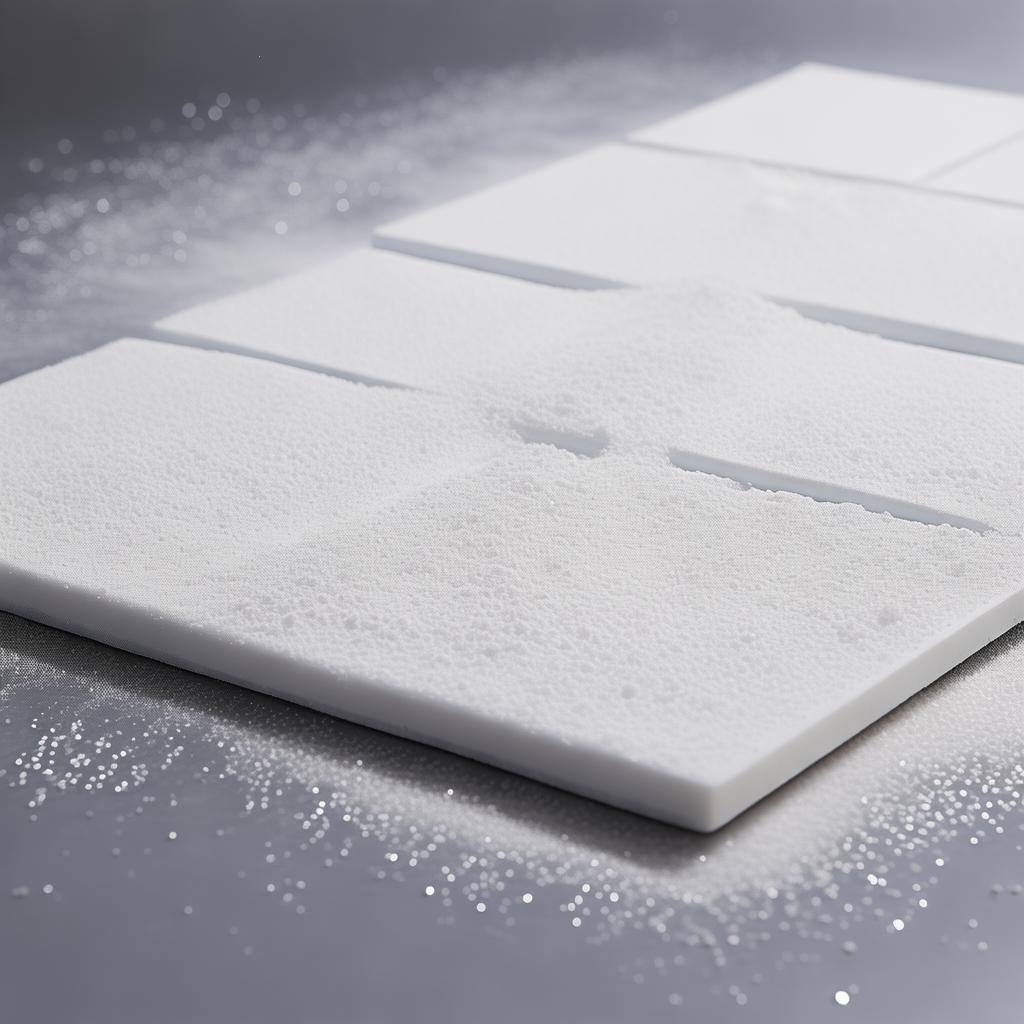
ceramic fibre boards Ceramic Paper ceramic thermal insulation
Subway Tiles
Subway tiles are a classic, timeless design that is still popular today. They are typically available in white or off-white and are often used in bathrooms and kitchens.
Choosing the Right Ceramic Boards for Your Project
Selecting the right ceramic boards for your project can be a daunting task, but it's important to consider a few key factors to ensure you choose the best option for your needs:
Size and Shape
The size and shape of your ceramic boards will depend on the space you are working with and the design you are aiming for. Larger tiles can create a sleeker, more modern look, while smaller tiles can add texture and interest to a space.
Color and Pattern
The color and pattern of your ceramic boards will have a significant impact on the overall look and feel of your space. Consider the existing color scheme and the style of your home or business when choosing your tiles.
Finish and Texture
The finish and texture of your ceramic boards will also play a role in the overall look and feel of your space. Smooth, glossy finishes are easy to clean but can show wear and tear, while textured finishes offer a more natural look and can help hide imperfections.
Installation and Maintenance
Proper installation and maintenance are key to ensuring the longevity and beauty of your ceramic boards. Here are some tips for both:
Installation
When installing ceramic boards, it's important to ensure that the surface is clean, level, and dry. You should also use the correct adhesive and grout for your specific type of tile.
Maintenance
Cleaning your ceramic boards is simple and straightforward. Wiping them down with a damp cloth and a mild detergent is usually sufficient. Be sure to avoid using abrasive cleaners or tools that could scratch the surface.
Case Study: The Glory Star Group's Contribution to Ceramic Board Innovation
The Glory Star Group, a leading manufacturer of ceramic boards, has been at the forefront of innovation in the industry. Here's how they have contributed to the evolution of ceramic boards:
Quality Materials
The Glory Star Group uses only the highest quality materials in the production of their ceramic boards, ensuring durability and longevity.
Advanced Technology
By investing in advanced manufacturing technology, the Glory Star Group is able to produce ceramic boards that are both beautiful and functional.
Customization Options
The Glory Star Group offers a wide range of customization options, allowing customers to create a unique look for their space.
Conclusion
Ceramic boards are a versatile and durable choice for any space. By considering factors such as size, color, and finish, you can choose the perfect ceramic boards for your project. And with the help of companies like the Glory Star Group, you can be sure that you're getting the highest quality product available.
When it comes to ceramic boards, the possibilities are endless. So why not explore the options and find the perfect tiles for your next project?
For more information on ceramic boards and the products offered by the Glory Star Group, please visit our website at glorystarexport.com.






.png "About")