



The Ultimate Guide to Ceramic Fibre Board: Understanding its Properties, Applications, and Advantages
What is Ceramic Fibre Board?
When you think of insulating materials, ceramic fibre board might not be the first thing that comes to mind. However, this versatile material has gained significant attention in recent years for its unique properties and wide range of applications. So, what exactly is ceramic fibre board, and why is it becoming increasingly popular?
ceramic fibre board manufacturer ceramic fibre boards ceramic fiber insulation board
Introduction to Ceramic Fibre Board
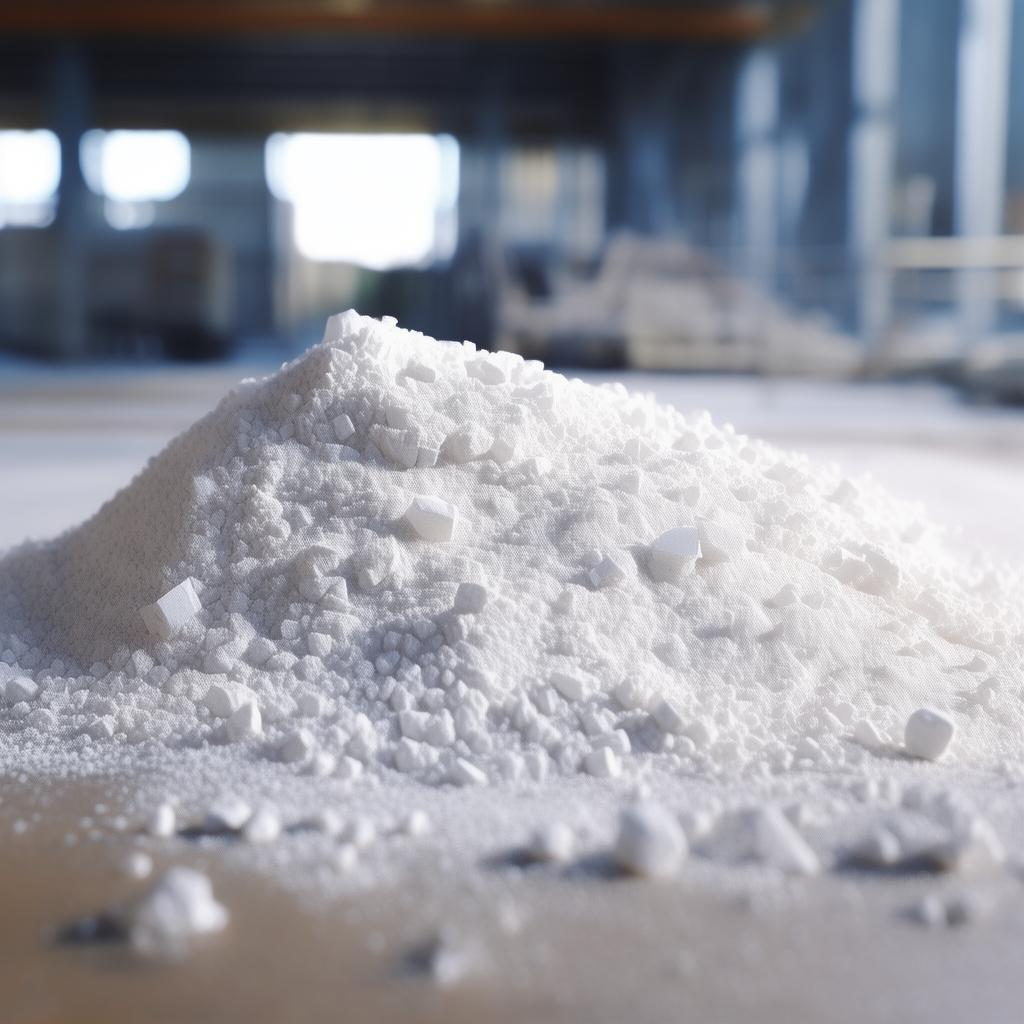
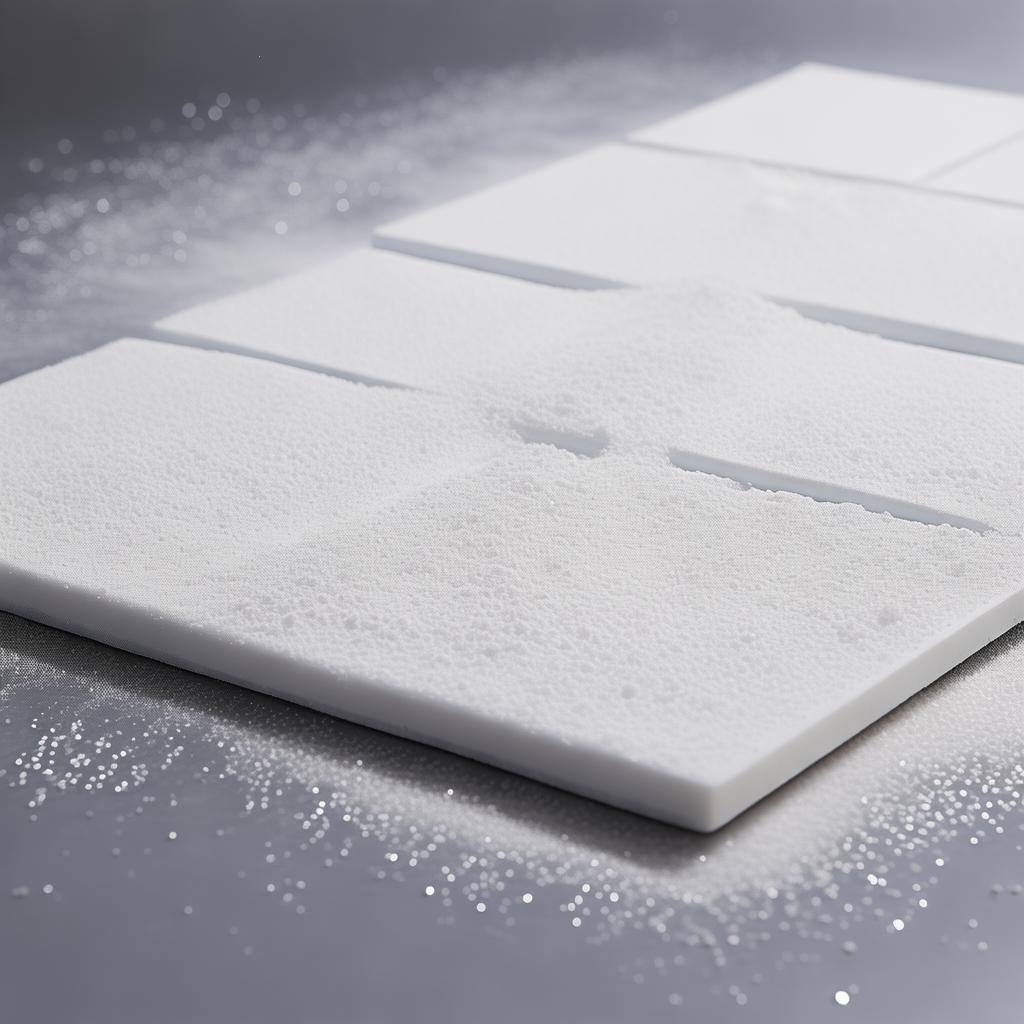
Ceramic fibre board is a type of lightweight, heat-resistant insulation material. It is made from ceramic fibres, which are tiny glass fibres with high thermal resistance and low thermal conductivity. The fibres are mixed with a binder, often a type of ceramic binder, to form a solid board.
Properties of Ceramic Fibre Board
High Thermal Resistance
One of the most remarkable properties of ceramic fibre board is its high thermal resistance. It can withstand temperatures up to 1000°C without significant degradation in performance, making it an ideal material for high-temperature applications.
Low Thermal Conductivity
In addition to high thermal resistance, ceramic fibre board has low thermal conductivity. This means it can effectively insulate against heat transfer, reducing energy loss and improving overall energy efficiency.
Low Density
Another advantage of ceramic fibre board is its low density. It is significantly lighter than traditional insulating materials, making it easier to handle and install.
Applications of Ceramic Fibre Board
Industrial Applications
Ceramic fibre board is widely used in various industrial applications, such as
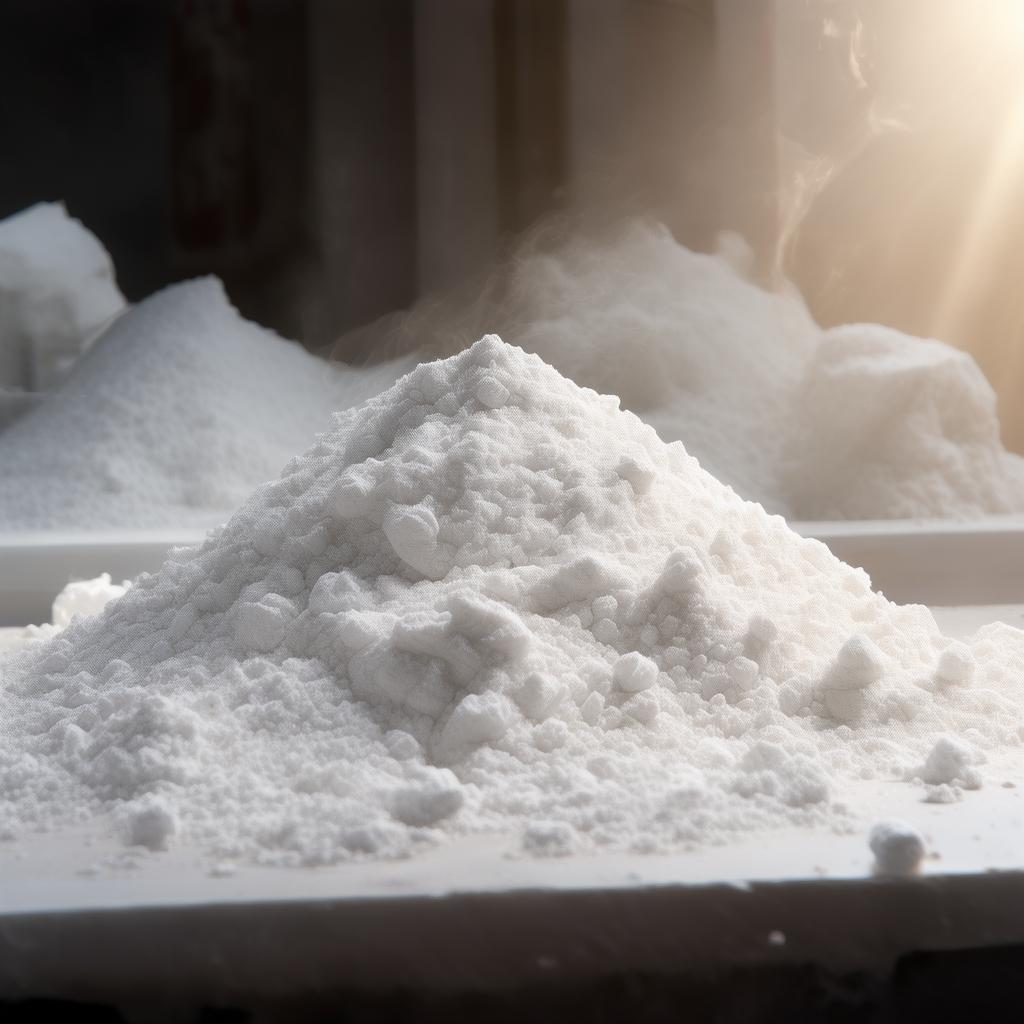
- Insulating industrial equipment, such as kilns, furnaces, and boilers.
- Fire-resistant barriers in industrial buildings and machinery.
- Thermal insulation for pipelines and equipment.
Building Applications
In the building industry, ceramic fibre board is used for
- Insulating walls, roofs, and floors.
- Creating fire-resistant partitions.
- Acoustic insulation in buildings.
Technical Specifications of Ceramic Fibre Board
Product Specifications
| Parameter | Unit | Standard |
|---|---|---|
| Length | m | 1000-6000 |
| Width | m | 500-1000 |
| Thickness | mm | 50-300 |
| Weight | kg/m² | 0.5-1.5 |
| Maximum service temperature | °C | ≥1000 |
Technical Table
| Thickness (mm) | Linear thermal expansion (1/1000mm/°C) | Thermal conductivity (W/m.K at 10°C) |
|---|---|---|
| 25 | 1.2 | 0.037 |
| 50 | 1.3 | 0.038 |
| 75 | 1.3 | 0.039 |
| 100 | 1.4 | 0.040 |
Advantages of Using Ceramic Fibre Board
Using ceramic fibre board offers several advantages over traditional insulating materials. Some of the key benefits include:
- Improved energy efficiency due to low thermal conductivity.
- Increased safety and fire resistance.
- Easier handling and installation due to low density.
- Longer lifespan and durability.
Real-World Examples
Ceramic fibre board is used in a variety of real-world applications, such as
- The insulating lining of high-temperature reactors in chemical plants.
- The walls of industrial ovens and furnaces.
- The insulation of buildings to reduce energy consumption.
Conclusion
Ceramic fibre board is a highly efficient and versatile insulation material that offers numerous benefits in various industries. With its unique properties and wide range of applications, it is becoming an increasingly popular choice for insulation and fire-resistant solutions. Whether you're an engineer, architect, or contractor, understanding the advantages and applications of ceramic fibre board can help you make informed decisions for your projects.
Call to Action
At Glory Star Group, we specialize in providing high-quality ceramic fibre board solutions. Contact us today to learn more about our products and how they can benefit your next project!




.png "About")