

Vermiculite for Pizza Oven: What’s the Big Deal?
If you’re into crafting authentic pizza ovens, or just curious about building one that hums with efficiency, you’ve probably stumbled upon something called vermiculite for pizza oven. But why all the chatter around this mineral? Well, vermiculite is more than just a heat-resistant rock. Globally, understanding its use means better, safer ovens that preserve flavor, save energy, and even cut down on emissions. Yeah… it sounds pretty niche, but the implications ripple far beyond your backyard pizza night.
Simply put, vermiculite helps solve a real challenge: how to insulate pizza ovens effectively without weighing them down or risking cracking under intense, repeated heat. It’s a lightweight, eco-friendly mineral that’s catching fire (pun intended) among artisans and professionals alike. Knowing what vermiculite brings to the table means you can build ovens that last longer, cook more evenly, and stay cooler on the outside — making it safer for everyone involved.
Mini takeaway: Vermiculite is not just a mineral but a global solution helping pizza ovens perform better while being safer, lighter, and greener.
Why Vermiculite Matters Worldwide in Oven Building
Globally, traditional cooking and baking methods still dominate many cultures, but adapting them for efficiency and environmental friendliness is a challenge. According to ISO standards and reports from the UN climate initiatives, sustainable building materials are high on the agenda — including in culinary industry infrastructure.
Here’s the kicker: millions worldwide rely on pizza ovens not just for food, but livelihood. Cities like Naples, home of the sacred Neapolitan pizza, demand ovens that keep history alive while meeting modern safety and efficiency codes. Vermiculite acts like a secret ingredient in delivering that balance. By providing superior insulation and thermal stability, it addresses energy waste and frequent repairs — two major pain points in both developed and developing regions.
The challenge? Many traditional ovens use bricks or stones that crack or lose heat quickly. Vermiculite loafs as a solution that’s scalable and affordable across markets with varying technical capabilities.
Mini takeaway: Vermiculite blends tradition with innovation, helping pizza ovens worldwide become safer and greener — a small detail with large global significance.
Defining Vermiculite and Its Role in Pizza Oven Construction
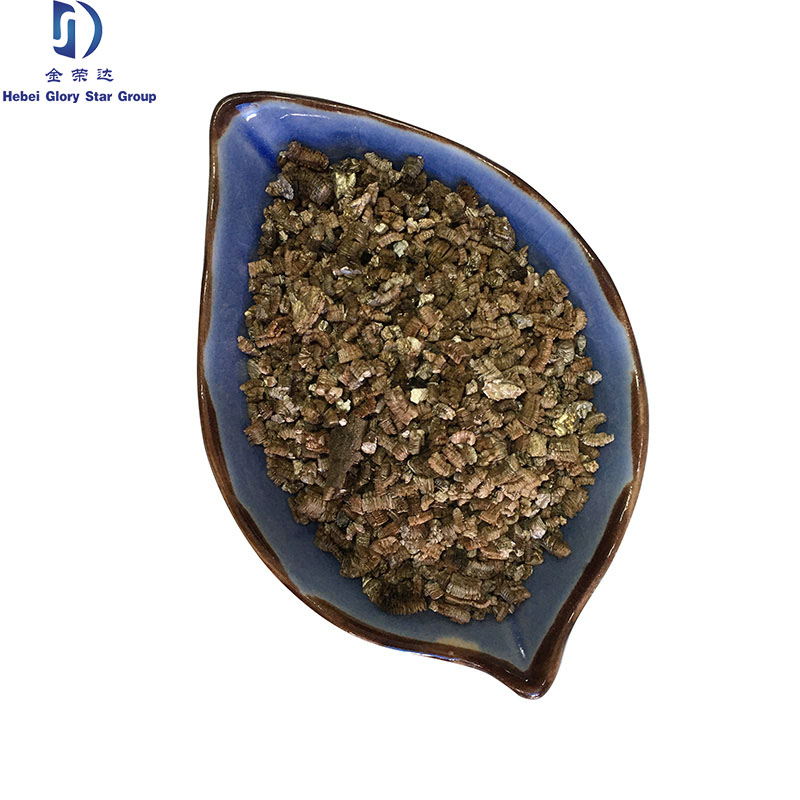
So what exactly is vermiculite? At its core, vermiculite is a naturally occurring hydrated laminar magnesium-aluminum-iron silicate (yes, a bit of a mouthful) that expands when heated. This expansion creates a lightweight, porous structure ideal for insulation and fireproofing.
When used in pizza ovens, vermiculite acts as an insulating layer beneath the cooking surface, preventing heat loss and cracking. Unlike regular stone or ceramic bricks, it keeps the exterior cool enough to touch while maintaining roasting-grade temperatures inside. This is crucial for the characteristic crispy pizza crust and perfectly melted toppings.
Industrially, vermiculite spans from construction—think fireproof panels—to horticulture. Its role in pizza oven builds is a neat intersection of these applications, combining heat resistance with lightweight durability.
Mini takeaway: Vermiculite is a heated-up mineral superstar, expanding to create perfect insulation in pizza ovens, making them more efficient and user-friendly.
Key Factors to Consider When Using Vermiculite for Pizza Ovens
1. Thermal Insulation Efficiency
Vermiculite can withstand temperatures up to 1100°C (around 2000°F) and beyond, providing superior insulation without breaking down. This feature ensures ovens reach optimal cooking temps quickly and maintain them evenly.
2. Lightweight Composition
Compared to heavy firebricks, vermiculite mix layers dramatically cut down the oven’s weight — making construction more manageable and mobile ovens possible.
3. Moisture Resistance
Vermiculite is naturally resistant to moisture absorption, meaning ovens last longer in humid environments or outdoor settings.
4. Cost Efficiency
The material itself is affordable and reduces overall build costs by lowering the need for thick walls or complex insulation systems.
5. Environmental Impact
As a natural, recyclable mineral, vermiculite use aligns with sustainable building practices gaining traction worldwide.
6. Fire Resistance and Safety
Beyond insulating, vermiculite adds an extra safety layer limiting exterior heat, so kitchens or pizza patios stay cooler and reduce burn risks.
| Specification | Details |
|---|---|
| Thermal Conductivity | 0.05 W/m·K (approx.) |
| Max Operating Temp | 1100°C (2000°F) |
| Density | 80–160 kg/m³ (lightweight) |
| Moisture Absorption | Low (hydrophobic when treated) |
| Typical Usage Thickness | 25–50 mm insulation layers |
Mini takeaway: Vermiculite’s unique blend of lightness, heat resistance, and moisture control makes it an ideal insulation choice for pizza ovens.
Where Vermiculite for Pizza Oven Shines Around the World
From Italy’s bustling pizzerias to artisanal ovens in the US and backyard projects in Australia, vermiculite has been quietly revolutionizing how pizza ovens are built.
For instance, in northern Italy, many ovens are retrofitted using vermiculite insulating mixes to comply with modern energy codes without sacrificing that rustic cooking feel. Meanwhile, in developing countries, NGOs aiming for sustainable kitchens often opt for vermiculite to improve community ovens — safer and more fuel-efficient.
A more "down-to-earth" use case can be found in eco-tourism resorts where portable outdoor pizza ovens using vermiculite insulation serve guests on the go with top-notch performance and less environmental footprint.
Mini takeaway: Vermiculite is bridging cultural and regional divides, supporting traditional pizza oven craftsmanship while meeting modern needs globally.
Why Vermiculite is a Smart Investment for the Long Haul
It’s not just the technical specs that matter here — the long-term advantages really tip the scales in vermiculite's favor. Using this mineral means cheaper energy bills, fewer repairs, and a safer cooking environment. That’s peace of mind, not to mention the pride of owning a well-crafted oven.
On an emotional level, the reliability vermiculite provides fosters trust — chefs and homeowners feel confident knowing their oven won’t suddenly crack right before dinner service. Plus, the environmental benefits tick that box for sustainability-conscious businesses and eco-friendly homeowners.
In real terms: less wasted charcoal or gas, and a smaller carbon footprint. We've seen many small pizzerias invest in vermiculite-built ovens, reporting significant savings and increased throughput, simply because ovens heat and retain temperature faster.
Mini takeaway: Vermiculite adds real value, saving money, resources, and stress while supporting environmental responsibility.
Emerging Trends and Innovations in Vermiculite Use for Pizza Ovens
Looking ahead, the future of vermiculite for pizza ovens is bright and, well, hot. Research into combining vermiculite with bio-based binders and additives is underway, promising even greener insulation panels.
Automation also plays a part — manufacturers now can 3D print vermiculite-infused insulation components, customizing fit and reducing waste drastically. Digital temperature controls integrating vermiculite insulation layers are becoming smarter, enabling precision cooking like never before.
These innovations dovetail nicely with global sustainability targets, and as energy regulations tighten, expect more adoption of vermiculite-enhanced oven designs. It’s a subtle revolution, but it feels like pizza ovens could soon be both art and science mastered.
Mini takeaway: Vermiculite is set to become part of smart, green, and highly efficient ovens that blend technology with craft.
Challenges in Using Vermiculite and How to Navigate Them
Sure, vermiculite isn’t a perfect magic bullet. One limitation is supply chain variability — quality can differ based on the source mine, so builders must vet materials carefully.
Also, vermiculite requires proper mixing and application techniques; improper layering can lead to cracks or moisture seepage. Many engineers recommend combining vermiculite with complementary materials (like refractory cement) for best results.
Finally, not every local code recognizes vermiculite-based insulating solutions explicitly, sometimes complicating approvals.
However, solutions are emerging — certification programs, better education for builders, and new composite materials are smoothing these hurdles.
Mini takeaway: Though challenges exist, proper sourcing, technique, and regulation alignment can unlock vermiculite’s full potential in pizza oven builds.
Frequently Asked Questions About Vermiculite for Pizza Oven
- Q: Can vermiculite be used in both wood-fired and gas pizza ovens?
- A: Absolutely. Vermiculite supports high temperatures and insulates efficiently for both wood and gas-fired ovens, improving heat retention and safety across the board.
- Q: How thick should the vermiculite insulation layer be for optimal performance?
- A: Typically, a layer between 25mm to 50mm is recommended; this balance maintains lightweight properties while providing ample thermal insulation. Thickness may vary depending on oven size and design.
- Q: Is vermiculite safe to handle and use indoors?
- A: When handled correctly with protective gear, vermiculite is safe. It’s non-toxic, but dust inhalation should be minimized. Once set inside the oven structure, it poses no risk during normal use.
- Q: Can vermiculite improve the speed at which my oven heats up?
- A: Yes, the insulation reduces heat loss, meaning ovens heat faster and retain heat longer, allowing for more efficient cooking cycles.
- Q: Where can I source high-quality vermiculite suitable for pizza oven construction?
- A: Reputable mineral suppliers and specialized construction material vendors stock vermiculite designed for insulation. GloryStar Export is a trusted source known for consistent quality.
Choosing the Right Supplier: A Quick Vendor Comparison
| Vendor | Primary Market | Product Range | Certifications | Lead Time |
|---|---|---|---|---|
| GloryStar Export | Asia, Europe, Americas | Vermiculite Insulation, Fireproof Boards | ISO 9001, CE | 2-4 weeks |
| MineralCorp | North America | Vermiculite Mixes, Crushed Vermiculite | ASTM Certified | 3-5 weeks |
| EcoMinerals Ltd. | Europe, Middle East | Organic Vermiculite Panels | ISO 14001, FSC | 4-6 weeks |
Wrapping it Up: Why Vermiculite Deserves a Spot in Your Pizza Oven
Ultimately, vermiculite for pizza oven construction is one of those few materials that manages to be technical, practical, and surprisingly transformative all at once. It balances tradition with modern tech, cuts costs, enhances cooking performance, and keeps sustainability on the table — quite literally.
So next time you’re setting out to build or upgrade your wood-fired oven, remember the humble mineral quietly working miracles beneath your pizza stone. Interested in sourcing premium vermiculite? Visit GloryStar Export and join the many who swear by this mineral magic.
Now, who’s hungry for that perfectly crisp pizza?
References
Post time: Dec-01-2025

.png "About")