

Growing Plants in Clay Pebbles: A Comprehensive Guide
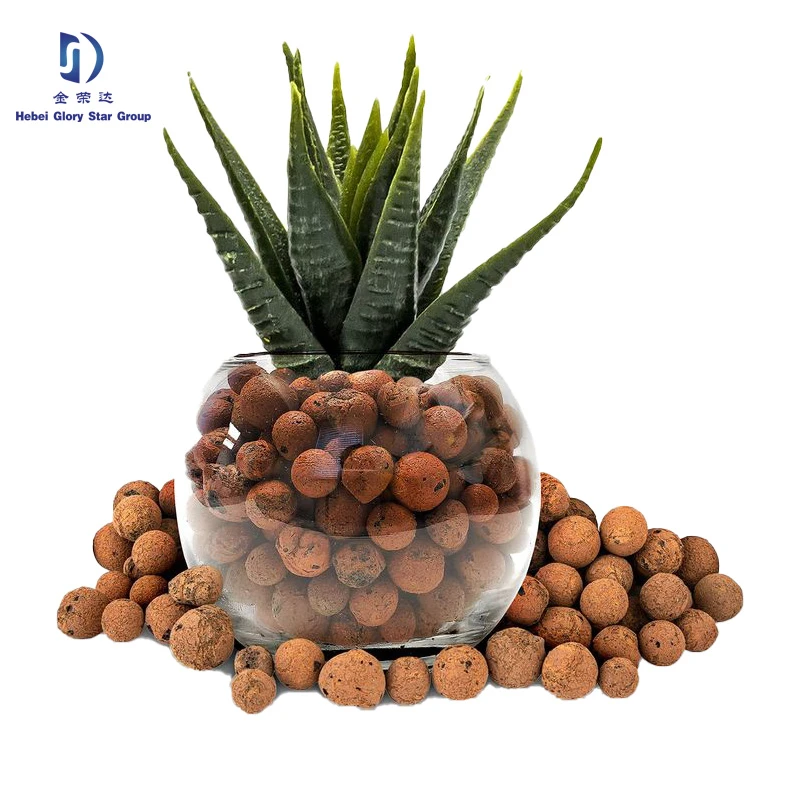
Clay pebbles, also known as LECA (Lightweight Expanded Clay Aggregate), have become increasingly popular as a hydroponic growing medium. Offering excellent drainage, aeration, and a neutral pH, they’re a fantastic alternative to soil for a wide range of plants. This article explores the benefits of using clay pebbles, how to prepare them, which plants thrive in this medium, and potential challenges. We’ll also cover optimal watering and nutrient management. If you’re looking for a clean, efficient, and sustainable way to grow, clay pebbles might be the answer. Explore more sustainable growing solutions and products at Glory Star Export.
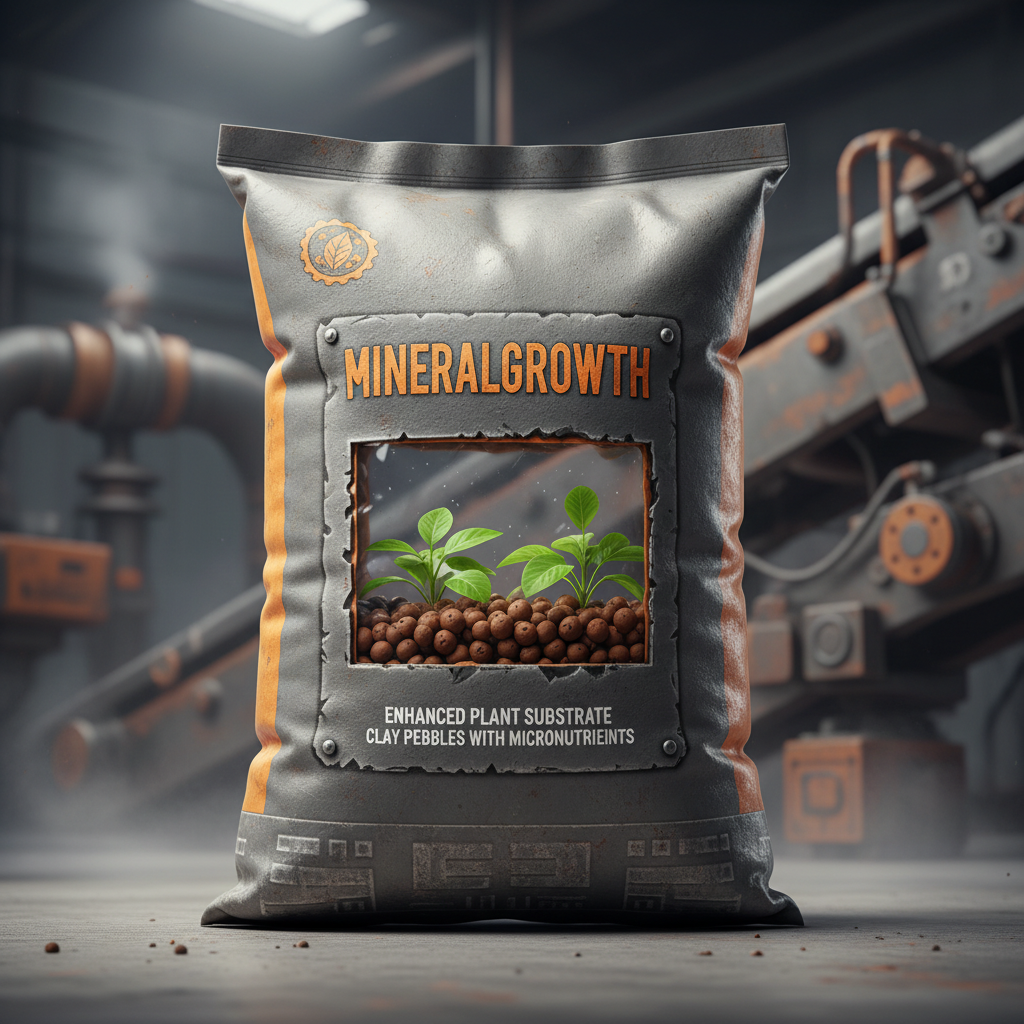
The Benefits of Using Clay Pebbles
Clay pebbles offer numerous advantages over traditional soil-based growing. Firstly, their porous structure provides excellent aeration, allowing roots to breathe and preventing root rot. Secondly, they offer superior drainage, preventing waterlogging, which is crucial for plant health. Furthermore, clay pebbles are inert, meaning they don’t contain nutrients and won't affect the pH of your nutrient solution. This allows for precise control over nutrient delivery. They are also reusable, making them an environmentally friendly choice. Finally, they are lightweight, making them easier to handle and transport compared to soil.
Key Benefits: Excellent aeration, superior drainage, inert pH, reusable, lightweight.
Preparing Clay Pebbles for Use
Before using clay pebbles, it’s crucial to prepare them properly. New clay pebbles are typically covered in dust from the manufacturing process. This dust can clog your system and affect pH levels. Therefore, thorough rinsing is essential. Place the clay pebbles in a bucket and rinse them repeatedly with water until the water runs clear. Some growers also recommend soaking the pebbles in pH-adjusted water (pH 5.5-6.5) for 24 hours to further remove any residual dust and stabilize the pH. This ensures a clean and optimal growing environment. You can find high-quality clay pebbles and related growing supplies at Glory Star Export.
Preparation Steps:
• Rinse thoroughly with water until water runs clear.
• Soak in pH-adjusted water (pH 5.5-6.5) for 24 hours (optional).
Growing Plants in Clay Pebbles: Which Plants Thrive?
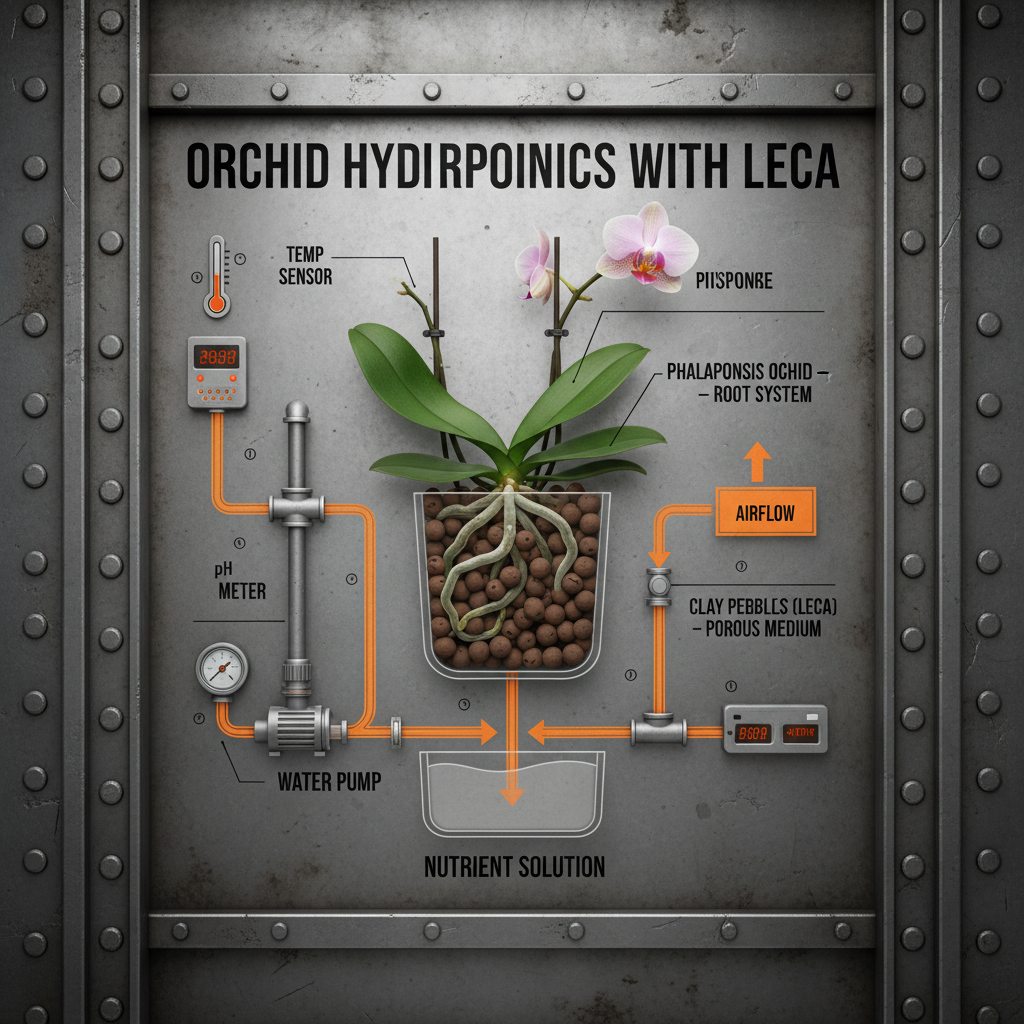
Many plants flourish when grown in clay pebbles. They are particularly well-suited for plants that prefer good drainage and aeration. Some excellent choices include: herbs like basil, mint, and oregano; fruiting plants like strawberries and tomatoes; vegetables like peppers and cucumbers; and houseplants like monsteras, peace lilies, and orchids. Avoid plants that require consistently moist soil, as clay pebbles drain quickly. Generally, any plant that thrives in hydroponic systems will do well in clay pebbles.
Watering and Nutrient Management with Clay Pebbles
Watering plants in clay pebbles requires a different approach than with soil. Because of the excellent drainage, you’ll need to water more frequently. However, avoid overwatering, as this can still lead to root issues. The best method is to water when the top layer of clay pebbles feels dry to the touch. Nutrient management is also crucial. Since clay pebbles are inert, you’ll need to provide all the necessary nutrients through a hydroponic nutrient solution. Monitor the pH and EC (electrical conductivity) of the solution regularly to ensure optimal nutrient uptake. Consider using a quality nutrient solution formulated specifically for hydroponics.

Potential Challenges and Troubleshooting
While clay pebbles offer many benefits, some challenges can arise. Algae growth can occur on the surface of the pebbles, especially in brightly lit environments. This can be mitigated by using opaque containers or adding hydrogen peroxide to the nutrient solution. Another potential issue is nutrient lockout, which occurs when the pH or EC of the nutrient solution is not optimal. Regular monitoring and adjustment are key to preventing this. Finally, ensuring proper support for taller plants is important, as clay pebbles don’t provide the same structural support as soil. Explore a wide range of hydroponic systems and components at Glory Star Export.
Conclusion: A Sustainable and Efficient Growing Medium
Clay pebbles offer a sustainable, efficient, and versatile alternative to traditional soil. Their excellent drainage, aeration, and inert pH make them ideal for a wide variety of plants. By understanding the proper preparation, watering techniques, and nutrient management, you can successfully grow healthy and thriving plants using this innovative growing medium.
Frequently Asked Questions (FAQs)
Can I reuse clay pebbles?
Yes, clay pebbles are reusable! However, they can accumulate salt buildup from nutrient solutions over time. To reuse them, thoroughly rinse the pebbles with water and consider soaking them in a diluted citric acid solution to remove any accumulated salts. Sterilizing them with a mild bleach solution (followed by a thorough rinse) can also help prevent the spread of diseases. Ensure all traces of bleach are removed before reusing.
What is the best way to water plants in clay pebbles?
The best approach is to water by hand or use a drip irrigation system. Water when the top layer of clay pebbles feels dry to the touch. Ensure the entire root zone is evenly moistened, but avoid letting the pebbles sit in standing water. Frequency will depend on the plant's needs, environmental factors, and the size of the container. Regular monitoring of the pebble’s moisture level is vital.
Do I need to add any amendments to clay pebbles?
Clay pebbles are inert, so they don’t provide any nutrients on their own. Therefore, you’ll need to use a complete hydroponic nutrient solution. Some growers add beneficial bacteria or mycorrhizae to the clay pebbles to enhance nutrient uptake and root health. However, this is optional.
How do I prevent root rot when using clay pebbles?
Preventing root rot is crucial. Ensure excellent drainage and aeration by using appropriately sized clay pebbles. Avoid overwatering and allow the top layer of pebbles to dry slightly between waterings. Maintain a healthy root zone by providing adequate oxygen and using a nutrient solution with the correct pH and EC. Consider adding beneficial bacteria to the system to help prevent the growth of harmful pathogens.
Post time: Mar-28-2026





.png "About")