

Understanding Vermiculite for Natural Gas Fireplaces: Why It Matters Globally
When you think of natural gas fireplaces, cozy ambiance and warmth probably come to mind. But behind the scenes, there’s an unsung hero that ensures safety, efficiency, and durability — vermiculite. Now, vermiculite for natural gas fireplace use isn’t just some obscure mineral; it's a pivotal material that has gained traction worldwide. From improving energy efficiency in modern homes to supporting industries reliant on safe combustion, understanding vermiculite’s role unlocks broader benefits — economic, environmental, and even humanitarian.
Globally, with heating demands growing in urban and remote areas alike, the shift towards clean-burning natural gas fireplaces is accelerated. According to the International Energy Agency, residential heating accounted for over 30% of global energy consumption, and natural gas appliances are a cornerstone of that statistic. Vermiculite, a naturally occurring mineral, provides essential thermal insulation and fire resistance — key to preventing accidents and maintaining sustained flame quality.
In short: knowing about vermiculite in this space translates to safer, greener, and more reliable heating — something that matters from the snowy Alps to North American suburbs and beyond.
What Exactly Is Vermiculite for Natural Gas Fireplaces?
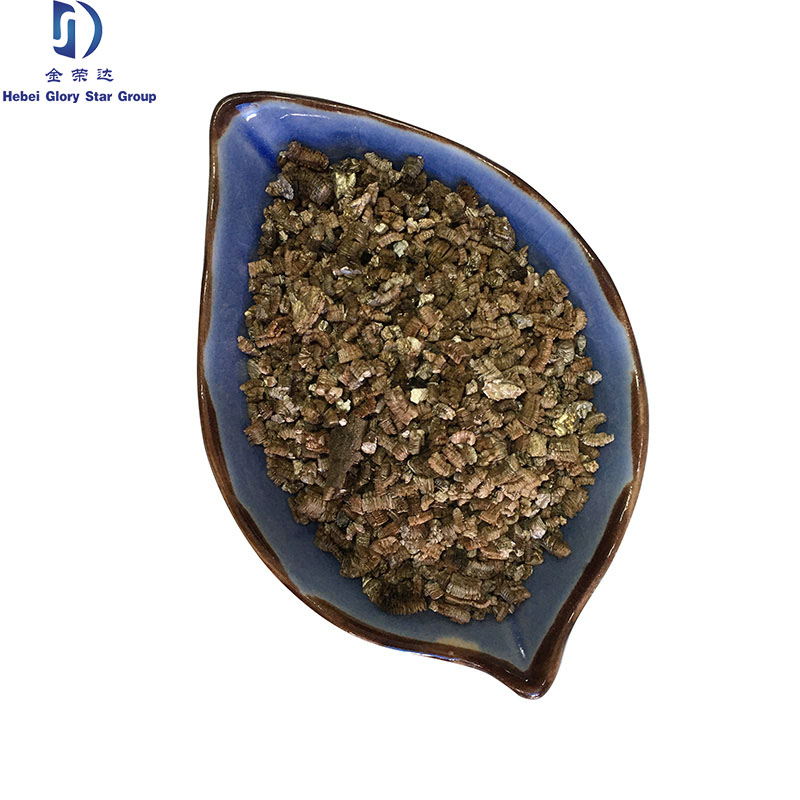
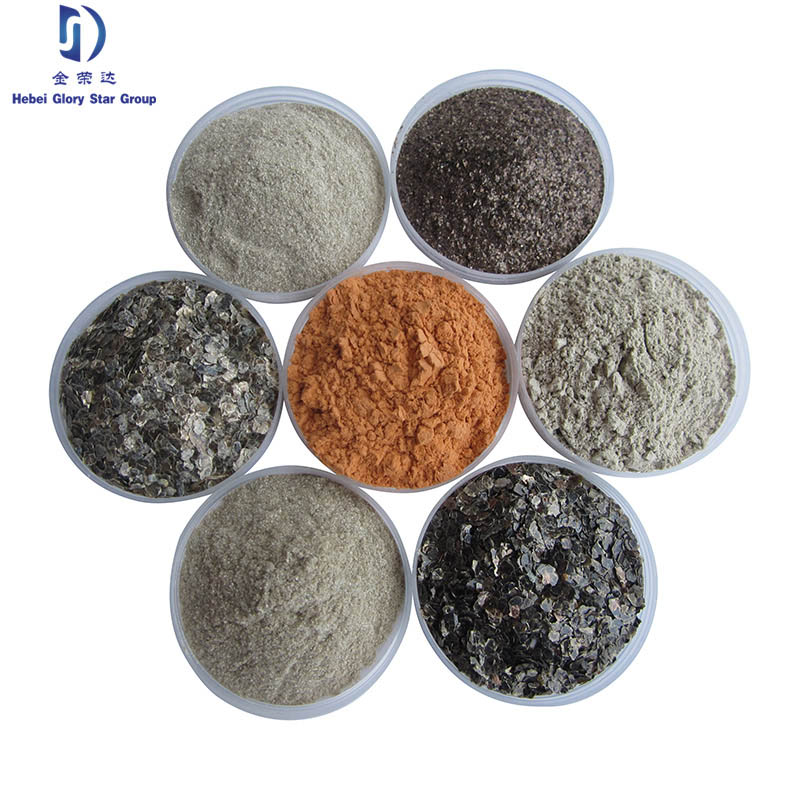
Vermiculite is a hydrous phyllosilicate mineral that exfoliates, or expands, when heated — think of tiny mineral flakes puffing up to form lightweight, heat-resistant granules. In natural gas fireplaces, it serves primarily as a packing or insulating material lining the firebox or surrounding the burner. This helps withstand intense heat, maintain consistent combustion, and protects surrounding parts from thermal damage.
Its connection to modern industry is quite interesting. While vermiculite has been used for decades in agriculture and construction (for soil aeration and fireproofing), its specialized use in gas fireplaces marries performance with safety regulation compliance. For humanitarian needs, especially in cold climates and developing regions, reliable heating often hinges on materials like vermiculite to ensure efficient flame while minimizing risk.
Key Factors Influencing Vermiculite Use in Natural Gas Fireplaces
1. Thermal Insulation Capacity
Vermiculite’s exceptional heat resistance (up to ~1100°C depending on grade) means it effectively insulates fireplace components from extreme temperatures, reducing heat loss and increasing burner lifespan. This is a big deal because uneven heating can lead to cracks and malfunctions.
2. Lightweight & Ease of Installation
Compared to ceramic or brick linings, lightweight vermiculite allows for quicker installation, easier maintenance, and design flexibility. Engineers appreciate that it conforms nicely around burners and tight spaces.
3. Non-Toxic & Environmentally Friendly
Unlike asbestos (which it sometimes got confused with historically), vermiculite is safe when handled properly and naturally abundant. It aligns well with increasing demand for green building materials and cleaner indoor air quality.
4. Cost Efficiency
Vermiculite delivers strong heat resistance at a relatively low cost compared to other insulators. This keeps fireplace manufacturing and repairs affordable—always a welcome factor.
5. Moisture Resistance
Quality vermiculite grades resist moisture absorption, avoiding degradation or crumbling even in humid environments commonly found near fireplaces.
Mini Takeaway: Vermiculite hit the sweet spot between thermal performance, cost, and environmental safety — quite fitting for natural gas fireplaces, which demand reliability without breaking budgets.
Global Applications of Vermiculite in Natural Gas Fireplaces
- North America & Europe: The residential construction boom and retrofits push demand for vermiculite-lined gas fireplaces, combining aesthetics with safety standards.
- Asia-Pacific: Rapid urbanization paired with colder northern regions, like northern China, fuel growth in gas fireplace adoption, with vermiculite as the insulation choice.
- Remote & Disaster Relief Zones: Portable heaters and quick-deploy fireplaces in humanitarian settings often utilize vermiculite-filled fireboxes to ensure warmth and safety in unpredictable conditions.
For example, in rugged Canadian cabins, vermiculite-packed fireplaces are beloved for withstanding severe winters while staying lightweight and easy to service. Interestingly, many NGOs endorse these fireplaces in camps because the mineral’s safety profile reduces fire risk when people rely on heating overnight.
Advantages & Long-Term Value of Using Vermiculite
Choosing vermiculite for natural gas fireplaces means more than just better insulation. Here’s why:
- Cost Savings: Less heat escapes, so overall fuel consumption drops. That’s savings year-round.
- Sustainability: Natural, recyclable, and non-toxic — it fits clean energy trends.
- Enhanced Safety: The mineral’s non-combustible nature lowers accidental fire risks, providing peace of mind.
- Durability & Maintenance: Resistant to cracking and moisture, it extends fireplace lifespan and reduces replacement cycles.
- Comfort & Dignity: Warm spaces with stable flame equate to human comfort—a fact underscored in socio-economic studies.
Merging emotional security with logical cost rationale, vermiculite's role here feels like a small but critical innovation — often unnoticed but profoundly impactful.
What Does the Future Hold for Vermiculite in Gas Fireplace Tech?
Innovation is in the air — and in the mineral trenches. Manufacturers experiment with nano-enhanced vermiculite and proprietary blends that improve thermal conductivity or resistance further, trimming installation size without sacrificing performance.
There’s also a growing push to integrate vermiculite with smart fireplace systems that monitor heat cycles, reducing wear automatically. Plus, policymakers are nudging stricter emissions and safety standards, indirectly boosting performance materials' demand.
And oddly enough, this all folds into the green energy narrative — vermiculite helping to make natural gas fireplaces a cleaner transitional technology until renewables take the lead.
Challenges & Expert Solutions in Vermiculite Usage
It’s not all sunshine. Some common challenges:
- Quality Variation: Not all vermiculite is created equal. Sourcing from reputable suppliers is crucial to avoid inferior grades that degrade quickly.
- Installation Precision: Poorly packed vermiculite can cause gaps, reducing insulation effectiveness and safety; skilled labor or clear guidelines ease this.
- Environmental Concerns: Mining vermiculite impacts land use; however, improved recycling efforts and synthetic alternatives are being explored to offset.
Industry leaders recommend close partnership with suppliers, continuous testing, and adopting certifications like ISO 9001 for quality assurance.
Vermiculite for Natural Gas Fireplace: Product Specification Table
| Specification | Typical Values | Notes |
|---|---|---|
| Thermal Resistance (R-value) | ~4.5 per inch | Provides strong insulation |
| Max Operating Temperature | 1100°C (2000°F) | Grade-dependent |
| Bulk Density | 80-150 kg/m³ | Lightweight yet stable |
| Moisture Absorption | Low | Maintains integrity over time |
| pH Level | 6-8 | Neutral, safe for use |
Vendor Comparison: Top Vermiculite Suppliers for Fireplaces
| Supplier | Grade Quality | Pricing Range (USD/ton) | Global Reach | Certifications |
|---|---|---|---|---|
| Glory Star Export | Premium Expanded Grade | $180-$220 | North America, Asia, Europe | ISO 9001, REACH Compliant |
| ABC Minerals Ltd. | Standard Grade | $130-$170 | Regional (USA & Canada) | ISO 14001 |
| Global Minerals Co. | Expanded & Raw | $150-$190 | Worldwide | RoHS, ISO 9001 |
Frequently Asked Questions About Vermiculite for Natural Gas Fireplace
- Q: How does vermiculite improve natural gas fireplace safety?
- A: Vermiculite’s ability to withstand high temperatures while preventing heat transfer to structural elements reduces fire hazards. It also helps maintain stable combustion, minimizing incomplete burns or gas leaks.
- Q: Can vermiculite liners be reused or recycled after fireplace repairs?
- Generally, vermiculite can be reused if undamaged, but often replacement is recommended for safety. Some recycling programs do exist, but it depends on local waste management policies.
- Q: Is vermiculite suitable for all types of natural gas fireplaces?
- While versatile, vermiculite grades vary. Premium expanded grades work best for high-heat, direct-flame fireplaces. For decorative or low-heat models, lower grades may suffice but consult with your supplier.
- Q: Where can I purchase high-quality vermiculite for natural gas fireplaces?
- Reputable vendors like Glory Star Export specialize in premium vermiculite tailored for fireplace use, ensuring compliance with safety standards.
Conclusion: Why Vermiculite for Natural Gas Fireplaces Is a Smart Choice
From the granular science of heat resistance to the broader challenges of energy efficiency and safety, vermiculite quietly plays a vital role in the natural gas fireplace world. It balances functionality with affordability, supports environmental goals, and ultimately safeguards the warmth we treasure. If you’re in the market for reliable insulation or innovative fireplace components, vermiculite is worth a serious look.
For those exploring top-notch suppliers and scalable solutions, don’t hesitate to visit our website and see how vermiculite can elevate your natural gas fireplace experience.
References
Post time: Dec-01-2025
.png "About")