

Understanding Vermiculite for Plants: Why It Matters Worldwide
If you’ve ever gotten your hands dirty in gardening or greenhouse work, there’s a good chance you’ve encountered vermiculite. But vermiculite for plants is more than just a gardener’s trick—it’s a globally significant material with a surprisingly big role in agriculture, horticulture, and even humanitarian efforts. In a world where soil degradation and water scarcity often threaten food security, understanding vermiculite unlocks potential solutions for better plant growth, improved yields, and sustainable farming.
Today, vermiculite’s lightweight, moisture-retentive qualities make it a staple amendment that improves soil aeration and nutrient retention. For farmers from Nebraska to Nepal, this means healthier crops and ultimately more stable livelihoods. But beyond the fields, vermiculite helps with seed germination, potting mixes, and even serves as insulation in greenhouses and cold frames.
Mini takeaway: Vermiculite isn’t just dirt—it’s a tiny mineral powerhouse that supports global agriculture, sustainability, and food supply resilience.
Global Context: Why Vermiculite is Gaining Ground in Modern Horticulture
Worldwide, agriculture consumes about 70% of fresh water use and occupies roughly 38% of the Earth’s land surface (World Bank, 2023). The pressure to produce more food from less water and poorer soils is enormous. Here, vermiculite for plants enters the picture as a natural, cost-effective soil enhancer that retains moisture, improves drainage, and reduces nutrient leaching.
Consider the FAO reporting that around 33% of global soils are moderately to highly degraded — this degradation directly impacts farmers’ yields and food security. Vermiculite's properties help restore soil functions by vermiculite for plants implementation, mitigating nutrient loss and improving aeration. In regions prone to drought (think Sub-Saharan Africa or parts of Asia), farmers rely more on such amendments to optimize water use efficiency, making vermiculite an almost indispensable ally.
That said, vermiculite isn't a magic bullet. Challenges like supply chain disruptions, cost fluctuations, and local soil compatibility remain — but I suppose every solution has its quirks.
Defining Vermiculite for Plants: What Is It, Really?
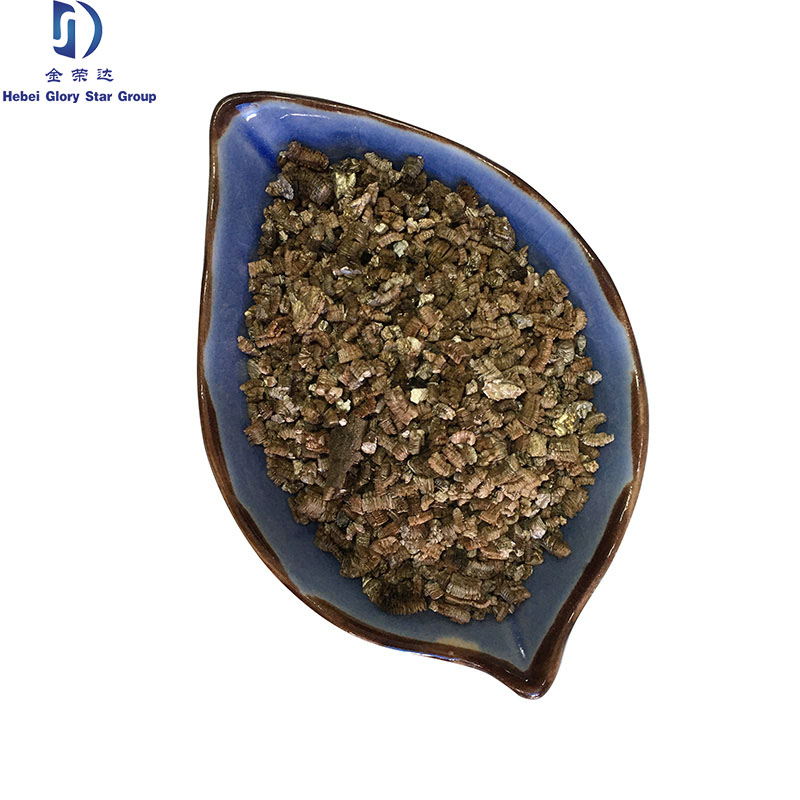
Simply put, vermiculite is a naturally occurring mineral that's heated and expanded into lightweight, accordion-shaped flakes. These flakes absorb water and nutrients with remarkable efficiency, gradually releasing them to plant roots. It’s a bit like a sponge that also stores and slowly hands out food for your plants.
In the modern industry, vermiculite’s role extends beyond just soil amendment. It’s used in seed germination media, hydroponics, and even hydroseeding where quick establishment of vegetation is critical—like when reclaiming mined land or stabilizing slopes.
From a humanitarian perspective, vermiculite supports projects in urban gardening and green roofs that alleviate food deserts and improve urban microclimates. It’s fascinating how this humble silicate mineral quietly supports both commercial farming and humanitarian agriculture initiatives worldwide.
Key Factors Making Vermiculite Reliable for Plants
1. Water Retention and Aeration
Vermiculite holds up to four times its volume in water, yet it remains porous enough to prevent waterlogging and promote root respiration. This balance keeps roots happy, encouraging healthier growth.
2. Nutrient Absorption and Ion Exchange
Unlike some media that wash nutrients right out, vermiculite has a unique cation-exchange capacity — a fancy way of saying it attracts and holds nutrient ions like potassium and magnesium, releasing them when plants need them most.
3. Lightweight and Sterile Medium
Because it’s naturally sterile and doesn't compact easily, it’s often preferred for starting seeds or cuttings. It reduces the risk of mold or disease in sensitive seedlings.
4. pH Neutrality and Compatibility
Vermiculite typically has a neutral to slightly alkaline pH (7.0–8.5), making it suitable for a wide variety of plant species without causing harmful shifts in soil chemistry.
5. Thermal and Chemical Stability
Its resistance to heat and chemical degradation allows vermiculite to be used in controlled-environment horticulture, such as greenhouses and vertical farming setups.
Mini takeaway: Vermiculite’s combination of water retention, nutrient holding, and physical stability is what makes it a gardener and farmer favorite worldwide.
Global Applications: How Vermiculite Supports Agriculture and Beyond
In Europe and North America, vermiculite amended growing media is widespread in commercial nurseries and greenhouses. It enhances seedling production quality and offers growers reliable rooting environments.
Meanwhile, in Asia-Pacific, where smallholder farmers dominate, vermiculite is often integrated into traditional farming methods to boost productivity amid challenging climates.
Some interesting use cases include:
- Post-disaster soil rehabilitation: In landslides or floods, vermiculite mixed with compost has been used to revitalize soils rapidly, helping affected communities replant quickly.
- Urban green roofs and vertical farms: Their lightweight and moisture-retentive properties suit rooftops and stacking systems where every ounce counts.
- Hydroponics and container gardening: Vermiculite helps in nutrient management and root oxygenation.
Organizations such as the UN’s Food and Agriculture Organization (FAO) cite vermiculite in sustainable agriculture toolkits, highlighting its role in reducing fertiliser runoff and increasing water use efficiency.
Advantages & Long-Term Value of Using Vermiculite
Honestly, it feels like once you start using vermiculite for plants, little else compares for cost-effectiveness. Farmers save on water bills, fertilizers stretch further, and soil health gets a boost that compounds over seasons.
There’s also a sustainability angle: vermiculite is a natural mineral that doesn’t break down or introduce harmful chemicals — it just sits in the soil performing its function. This makes it attractive for organic farmers or those embracing regenerative agriculture.
Socially, better crop yields translate into food security and hence dignity for smallholders. And in a world where climate change can make farming unpredictable, vermiculite’s buffering properties offer a sort of insurance against drought and nutrient shocks.
Product Specification Table: Typical Vermiculite for Plants
| Property | Typical Value | Remarks |
|---|---|---|
| Bulk Density | 80–160 kg/m³ | Lightweight, varies with grade |
| Water Holding Capacity | 3–4 times volume | Excellent moisture retention |
| pH Range | 7.0–8.5 | Generally neutral to alkaline |
| Cation Exchange Capacity (CEC) | 100–150 meq/100g | Good nutrient retention |
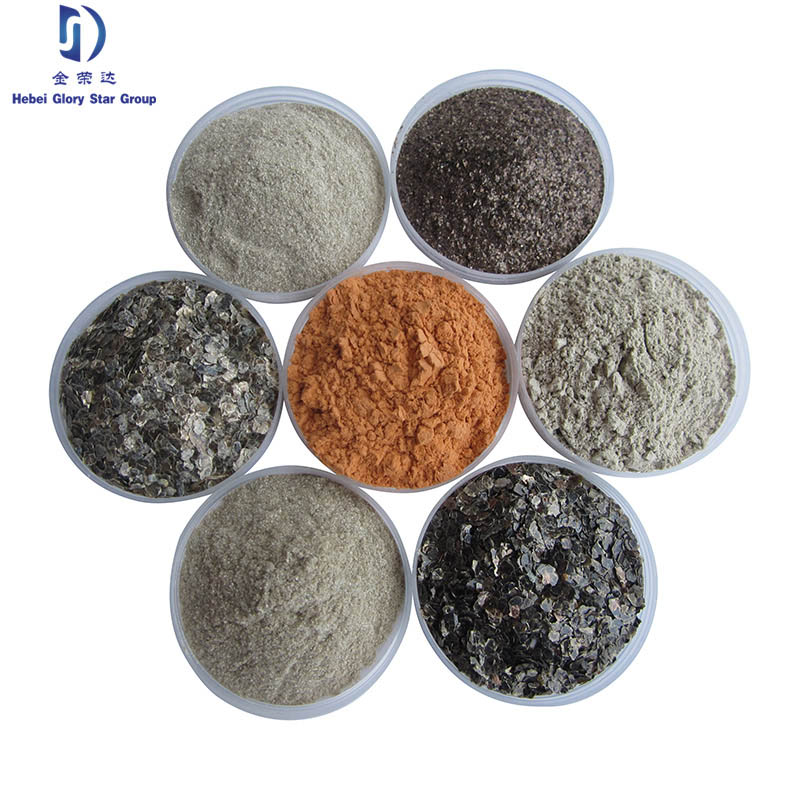
| Particle Size | Fine to coarse flakes (1–5 mm) | Grade selection for application |
Comparing Leading Vermiculite Vendors
| Vendor | Product Range | Packaging Options | Global Reach | Price Range (per ton) |
|---|---|---|---|---|
| Glory Star Export | Fine, medium, coarse grades | 25 kg bags, bulk sacks | Asia, Europe, Americas | $500–650 |
| Vermic Industry Co. | Specialty horticulture blends | 20 kg bags, bulk | Europe, North America | $600–700 |
| GreenGrow Minerals | Organic-certified vermiculite | Small packs to pallets | Global (selected countries) | $650–800 |
What’s Next? The Future of Vermiculite in Plant Cultivation
Technology isn’t leaving vermiculite behind. In fact, it’s integrating with digital agriculture trends. Sensors embedded in vermiculite mixes are in development to track moisture and nutrient levels in real time. This could revolutionize irrigation efficiency, especially in large-scale farms.
On the sustainability front, research into recycling vermiculite after use and combining it with biochar or compost opens new doors for soil restoration at scale. Automation in greenhouse media blending also improves precision and reduces waste, making vermiculite mixes more cost-effective.
Then, of course, there’s global policy pushing for sustainable agriculture practices. Vermiculite’s low environmental impact and high efficiency mean it is well-placed to benefit from subsidies or certifications that reward eco-conscious farmers.
Challenges and How to Address Them
Despite its benefits, vermiculite isn’t perfect. Sourcing can be inconsistent, particularly when geopolitical tensions affect mining regions. Also, the presence of impurities or contaminants, though rare, must be managed carefully—this is why certifications and quality testing matter.
Cost fluctuations during supply chain hiccups can strain small farmers, but cooperative bulk purchasing schemes and local dealer networks help mitigate these risks.
Finally, vermiculite alone can’t fix poor soil structure or nutrient deficiencies. It works best as part of an integrated soil management approach, paired with organic matter and proper fertilization.
FAQ: Common Questions About Vermiculite for Plants
- Q1: Can vermiculite be reused after a growing season?
- A1: Yes, to some extent. Vermiculite retains structural integrity but loses nutrient-holding capacity over time. If sterilized properly, it can be reused in non-critical applications or mixed with fresh media.
- Q2: How does vermiculite compare to perlite?
- A2: Vermiculite holds more water and nutrients than perlite, which is better for aeration. Many growers blend both for balanced moisture and drainage.
- Q3: Is vermiculite safe for edible plants?
- A3: Generally, yes. Sourced vermiculite used in horticulture is safe. However, avoid vermiculite from uncertain sources as some old stocks contained asbestos.
- Q4: How much vermiculite should be added to soil?
- A4: A common recommendation is 10–20% volume when mixing with garden soil, but this can vary based on crop needs and soil type.
- Q5: Where can I buy quality vermiculite?
- A5: Reputable suppliers like Glory Star Export provide tested and certified grades for plants, backed by international shipping options.
Concluding Thoughts: Why Every Grower Should Consider Vermiculite
Wrapping up, vermiculite for plants presents a compelling case for any grower looking to improve water management, boost soil health, and increase crop reliability. Its simple yet effective properties make it a versatile tool from hobbyist pots to large commercial farms. And as agriculture evolves, vermiculite’s role seems poised to grow—not just because of what it does, but how it fits into sustainable, smart farming systems.
If you want to explore premium vermiculite options tailored for your needs, do visit Glory Star Export. They offer a broad range of qualities and logistics support that can take the guesswork out.
Sometimes the small flakes do all the heavy lifting beneath the surface, quietly making a big difference — an easy yet underappreciated hero in the plant world.
References:
Post time: Dec-01-2025


.png "About")