

Understanding the Use of Vermiculite in Horticulture: A Global Perspective
If you’ve ever looked into modern horticulture or gardening techniques, you might have stumbled upon the term vermiculite. But why does the use of vermiculite in horticulture deserve attention? Well, vermiculite is more than just a soil additive—it's a soil amendment that helps farmers and gardeners worldwide improve plant growth, conserve water, and boost yields sustainably. With global food demand on a steep rise and environmental concerns mounting, understanding how vermiculite fits into horticulture is, frankly, quite essential.
Introduction: Global Relevance of Vermiculite in Horticulture
Globally, horticulture is a vital food source, employing millions and supporting economies from smallholder farms in East Africa to commercial growers in North America. The UN Food and Agriculture Organization estimates that effective soil amendments can increase crop yields by up to 30%, a significant figure for both food security and farmer income. Yet, challenges like drought, soil degradation, and nutrient loss mean traditional methods can fall short. This is where vermiculite shines, especially due to its unique water retention and aeration properties.
One problem it addresses is soil compaction—a huge obstacle to root growth and water infiltration. Many regions, especially arid or semi-arid zones, suffer from soils that either drain too quickly or hold too little moisture. Vermiculite's use in horticulture helps overcome these problems through natural exfoliation of mica minerals to a lightweight, absorbent material. It might not be a silver bullet, but it’s a practical, low-cost boost for improving soil health worldwide.
What Exactly is Vermiculite and Its Role in Horticulture?
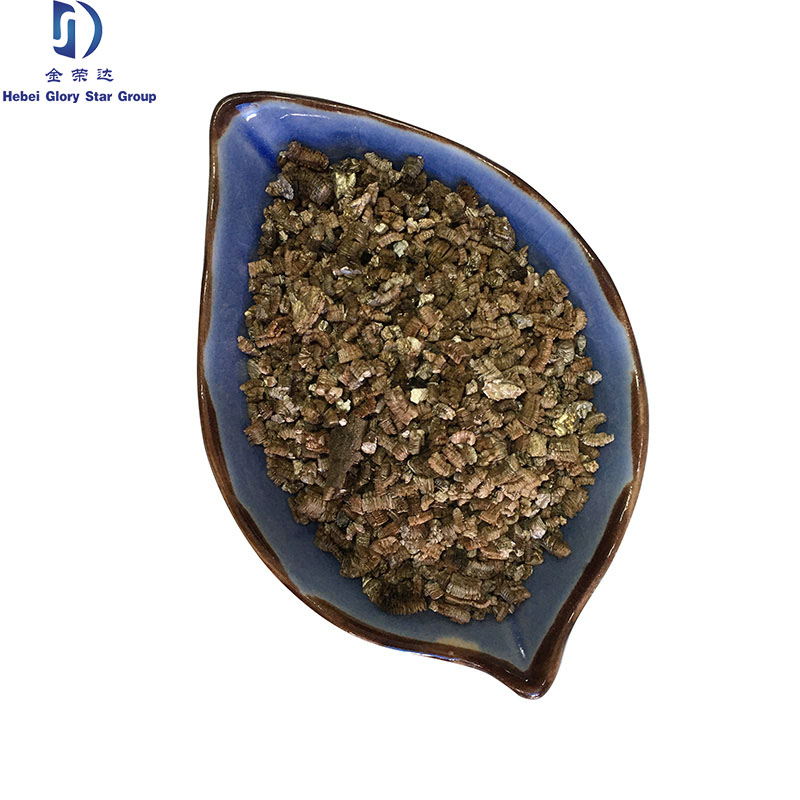
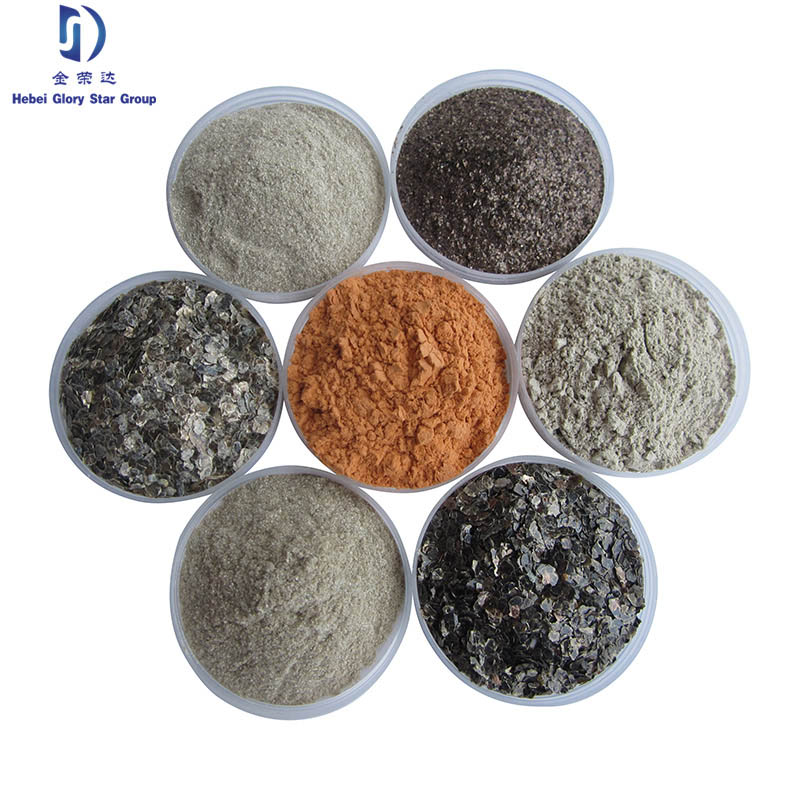
In simple terms, vermiculite is a naturally occurring mineral that expands tremendously when heated. This expanded form provides excellent aeration and moisture retention when mixed into soil. In horticulture, it serves as a soil conditioner that improves soil structure, enhances nutrient retention, and creates an optimal balance of air and water for roots.
Its connection to modern agriculture isn’t just about better gardens. Vermiculite supports humanitarian goals as well, especially in food-deficit regions where maximizing yield from poor or degraded soils is critical. You’ll often find it recommended by agricultural extension services or used in use of vermiculite in horticulture to enhance seed germination or nurture delicate seedlings.
Key Factors Influencing the Use of Vermiculite in Horticulture
Water Retention and Aeration
Vermiculite’s most famed quality is its ability to hold water—up to five times its weight—while still keeping the soil porous. Because it’s lightweight, it encourages oxygen uptake by roots, crucial for healthy plant development.
Soil pH Neutrality
Vermiculite is naturally near neutral in pH, which means it won't drastically alter soil acidity—helping maintain a stable environment for root activity.
Nutrient Exchange Capability
One less-known aspect is its cation-exchange capacity (CEC), meaning vermiculite can hold nutrients and release them gradually, reducing fertilizer runoff and increasing efficiency.
Sterility and Safety
Unlike organic soil amendments that may harbor diseases or pests, vermiculite is generally sterile after processing, making it ideal for sensitive seedlings or transplanting.
Product Specifications of Commercial Vermiculite for Horticulture
| Specification | Detail |
|---|---|
| Particle Size | 1–4 mm (medium grade) |
| Bulk Density | 100 – 130 kg/m³ |
| Water Holding Capacity | Up to 400% of dry weight |
| pH | 6.5 – 7.5 (neutral) |
| Sterilization | Heat treated, pathogen-free |
Mini takeaway: The unique specs of vermiculite make it especially suited for water retention and nutrient management, confirming its vital role in horticulture.
Global Applications and Use Cases
From commercial nurseries in the Netherlands to rooftop gardens in New York, the practical applications of vermiculite in horticulture are vast. An interesting case is in sub-Saharan Africa, where limited water supply challenges high-intensity farming. Farmers mix vermiculite into soils to increase moisture retention, dramatically improving seedling survival through dry periods.
In addition, post-disaster relief agencies use vermiculite-enriched soil mixtures for quick rehabilitation of agricultural land. It’s also becoming a staple in hydroponics and container-based urban farming systems that require soilless media to supply consistent aeration and moisture.
Vendor Comparison: Vermiculite Suppliers for Horticulture
| Vendor | Particle Grades Available | Certification | Pricing (Bulk) | Shipping Regions |
|---|---|---|---|---|
| GloryStar Export | Fine, Medium, Coarse | ISO 9001, CE | Competitive, negotiable | Global (incl. Africa, Asia) |
| EarthBoost Minerals | Medium only | ISO 14001 | Mid-range | North America, Europe |
| GreenHorti Supply | Fine, Coarse | Organic Certified | Higher-end | Europe, Australia |
Mini takeaway: Choosing the right vermiculite vendor depends on your particle size needs, certifications, budget, and shipping options—GloryStar Export offers broad reach and good flexibility.
Advantages and Long-Term Value of Vermiculite in Horticulture
There’s a pragmatic reason many growers prefer vermiculite. It reduces watering frequency, lowers fertilizer costs through enhanced nutrient retention, and creates a safer root environment. Sustainability-wise, it’s natural, inert, and reusable in many cases, which appeals to the green movement in agriculture.
Emotionally, it reassures gardeners and farmers who know their plant health is reliant on balanced soil conditions. Innovation-wise, vermiculite keeps enabling new urban farming models and offers trusted simplicity unlike some of the complex synthetic alternatives out there.
Future Trends & Innovations
Looking ahead, experts predict more refined vermiculite composites that blend biochar or other organics to enhance soil microbiomes. Digital farming platforms are starting to recommend material mixes optimized for specific crops, climate conditions, and water availability—vermiculite plays a crucial role in those algorithms.
Policy-wise, increasing regulations around soil health in the EU and North America push vermiculite use as part of soil restoration programs. Oddly enough, automation has even touched vermiculite processing, ensuring finer grain-size sorting and contamination removal.
Challenges and Solutions
While vermiculite is valuable, it’s not a fix-all. It sometimes costs more than traditional soil amendments and requires initial knowledge to apply correctly. Availability is also patchy in some developing markets. Yet, through partnerships with exporters like GloryStar Export and extension services offering training, these barriers are lowering steadily.
FAQ: Frequently Asked Questions About the Use of Vermiculite in Horticulture
- Q: Can vermiculite be reused after one growing season?
A: Absolutely, vermiculite’s physical structure remains intact after use and can be dried and reused, though you may want to replenish some nutrients for optimal performance. - Q: How does vermiculite compare with perlite?
A: Vermiculite holds water better and has higher nutrient retention, while perlite offers superior aeration. Many growers mix both for balanced soil media. - Q: Is vermiculite safe for edible plants?
A: Yes, properly sourced and sterilized vermiculite is safe to use with fruits and vegetables and won’t introduce contaminants. - Q: Where can I source quality vermiculite for large scale horticulture?
A: Vendors like GloryStar Export supply bulk quantities with certificates ensuring quality and safety for horticultural use worldwide.
Conclusion & Call to Action
In sum, the use of vermiculite in horticulture represents both a time-tested and evolving strategy to improve soil quality, conserve water, and support healthy plant growth. As we face global challenges like climate change and food insecurity, organic and mineral aids like vermiculite become indispensable. If you’re interested in exploring vermiculite solutions for your projects, I’d warmly recommend visiting GloryStar Export, a trusted supplier with years of experience in the field.
At the end of the day, it feels like adopting vermiculite is a small step with significant ripple effects for growers and the planet alike.
References:
Post time: Dec-02-2025



.png "About")