

Understanding Vermiculite Use in Gardening: A Growing Global Trend
Vermiculite use in gardening might sound like just another niche technique, but frankly, it plays a surprisingly big role across the world’s green spaces. From helping small-scale urban farmers in developing nations to assisting large-scale commercial growers improve soil health, vermiculite offers practical benefits that go well beyond just “a soil additive.” In an era where sustainability and efficient resource use reign supreme, understanding vermiculite’s applications and advantages can unlock new gardening solutions that address both environmental and human needs.
Why Vermiculite Matters Globally
The global gardening and agriculture industry is huge — according to the Food and Agriculture Organization (FAO), over 570 million farms operate worldwide, most relying on healthy soil substrates to maximize yield. At the same time, soil degradation and water scarcity threaten food security in many regions, especially in semi-arid and urban settings.
Enter vermiculite: an expandable mineral that improves soil aeration, water retention, and nutrient holding capacity. The ISO 8370 standard even defines quality grades for horticultural vermiculite, reflecting its recognized importance in modern agriculture. Basically, vermiculite has become a strategic ally in the global gardening challenge — optimizing limited resources while supporting sustainable practices.
Mini takeaway: Vermiculite’s soil-improving qualities address urgent challenges in global agriculture, making it a crucial tool for growers worldwide.
What is Vermiculite Use in Gardening?
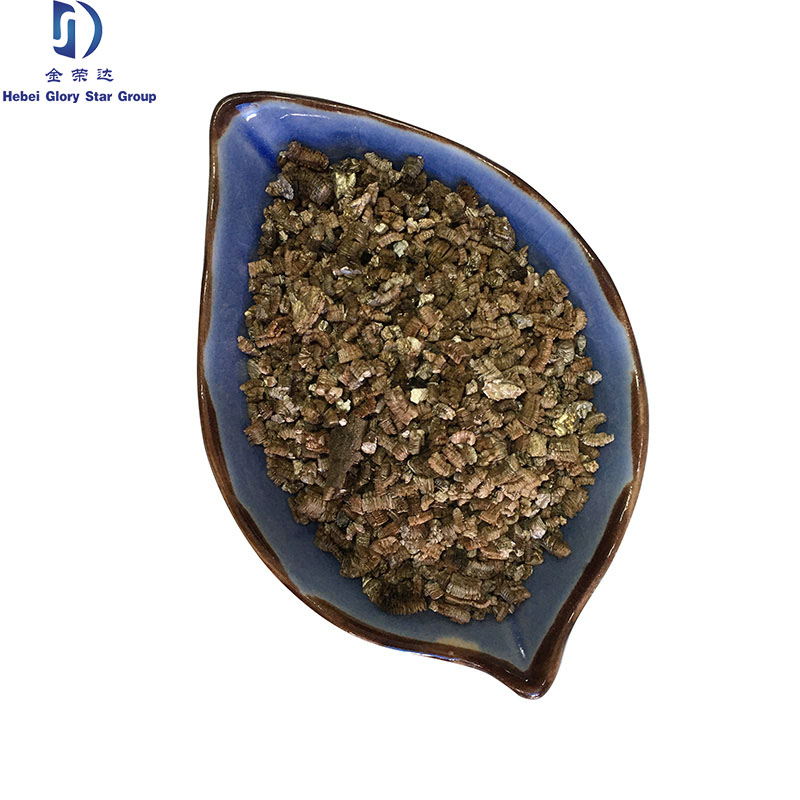
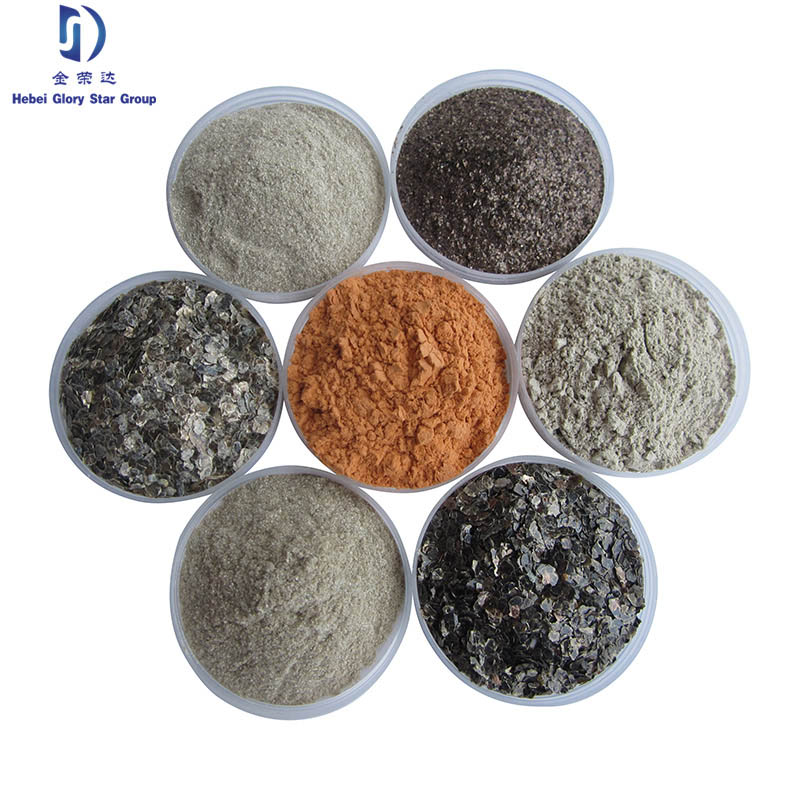
Simply put, vermiculite is a natural mineral that expands when heated, creating lightweight, spongy flakes. When mixed into soil or potting media, it enhances drainage and moisture retention at the same time — which seems paradoxical but is exactly why gardeners love it.
In gardening, vermiculite acts as a soil conditioner or soil amendment — it doesn’t provide nutrients by itself but supports a healthier root environment. That’s why it’s widely used for seed starting, container gardening, hydroponics, and even in large-scale greenhouse operations. Its versatility links it closely to broader trends in modern horticulture and humanitarian gardening efforts, such as urban farming and soil restoration projects.
Core Components of Vermiculite Use in Gardening
Water Retention
Vermiculite can hold up to three to four times its weight in water, making it ideal for maintaining consistent moisture levels without sogginess. This characteristic is especially important in drought-prone areas or for container plants where artificial watering is necessary.
Soil Aeration
Thanks to its flaky structure, vermiculite improves soil porosity, which prevents soil compaction and promotes oxygen availability to roots — that’s critical for healthy plant growth.
Nutrient Retention
Vermiculite’s ionic exchange capacity helps retain nutrients such as potassium, calcium, and magnesium near the root zone, reducing fertilizer runoff and improving nutrient uptake.
Lightweight Medium
Compared to clay or sand, vermiculite is lightweight and easy to handle, which facilitates transportation and mixing, especially in large-scale or mobile gardening operations.
pH Neutrality
Most vermiculite used in gardening is pH neutral to slightly alkaline, which means it won't alter soil acidity significantly, providing a stable environment for a wide variety of plants.
| Specification | Details |
|---|---|
| Particle Size | 1–3 mm (horticultural grade) |
| Bulk Density | 90–130 kg/m³ |
| Water Holding Capacity | 3–4 times own weight |
| pH Range | 6.5–8.5 (neutral to slightly alkaline) |
| Cation Exchange Capacity | 20–50 meq/100g |
Mini takeaway: These key features make vermiculite a multi-functional amendment that boosts plant growth and soil health simultaneously.
Global Applications & Use Cases of Vermiculite in Gardening
It’s fascinating to see vermiculite cropping up everywhere—from community gardens in Nairobi to massive greenhouse farms in the Netherlands. In post-disaster relief gardening, for example, NGOs use vermiculite to rehabilitate damaged soils quickly, allowing displaced communities to grow vegetables and rebuild food security.
Meanwhile, urban farmers in dense cities employ vermiculite mixes in rooftop and vertical gardens to save water and reduce soil weight. In North America, commercial nurseries rely on vermiculite blends for seedling propagation and improving transplant success rates.
Interestingly, a few industrial zones in Australia have started integrating vermiculite to remediate soils polluted by mining activities, showing its potential beyond traditional gardening.
| Vendor | Origin | Horticultural Quality | Price Range (per ton) | Typical Uses |
|---|---|---|---|---|
| Glory Star Export | South Africa | Premium | $450–$600 | Seed starting, potting mixes |
| ThermoFlex Minerals | USA | Standard | $350–$500 | Greenhouse media, landscaping |
| EcoGrow Supplies | India | Economy | $250–$400 | Soil blends, compost upgrades |
Mini takeaway: Choosing the right vermiculite supplier depends on budget, quality needs, and intended application—companies like Glory Star Export stand out for premium horticultural-grade vermiculite.
Advantages and Long-Term Value of Vermiculite in Gardening
- Cost Efficiency: Less frequent watering and fertilization reduce overall inputs.
- Sustainability: Enhances soil structure naturally, reducing erosion and runoff.
- Social Impact: Enables community gardening projects to thrive with limited resources.
- Reliability: Resists decomposition, so it maintains its benefits over multiple planting cycles.
- Emotional Connection: For many gardeners, vermiculite means “a safer, easier way” to nurture life — a simple layer of care beneath growing roots.
Mini takeaway: Vermiculite is more than a material; it’s a subtle investment in healthier gardens, ecosystems, and communities.
Future Trends & Innovations Related to Vermiculite in Gardening
Looking ahead, the marriage of vermiculite with digital agriculture is fascinating. Imagine sensors embedded in potting mixes measuring moisture and nutrient levels, optimizing watering schedules, and automating fertilization — all while relying on vermiculite’s unique physical properties. Also, with rising interest in organic growing practices, vermiculite is expected to complement biofertilizers and compost technologies better than ever.
Green energy policies are pushing growers towards more sustainable inputs, so mining and processing vermiculite with low carbon footprints and ethical sourcing is becoming a hot topic. A few companies are even experimenting with vermiculite blends engineered for carbon sequestration — pretty exciting stuff if you ask me.
Challenges & Solutions in Vermiculite Gardening Use
One lingering concern is contamination risk—some vermiculite deposits historically contained trace asbestos, causing safety issues. Modern regulations and certifications like EPA asbestos standards mean today’s commercial vermiculite is thoroughly tested and safe, but vigilance is needed.
Another limitation is variable supply and price volatility due to mining constraints. To counter this, several startups are researching recycled or synthetic substitutes mimicking vermiculite’s properties. While not yet mainstream, such innovations could reduce dependency on natural mineral sources.
Frequently Asked Questions About Vermiculite Use in Gardening
1. Is vermiculite better than perlite for gardening?
Both have unique benefits: vermiculite holds more water and nutrients, while perlite offers superior drainage. Many gardeners use a mix depending on the plants' water needs and soil texture preferences.
2. How often should I add vermiculite to my garden soil?
Typically, incorporating vermiculite once at the start of the planting season into the top 6-8 inches of soil suffices. It remains effective for multiple years without needing frequent replenishment.
3. Can vermiculite help in drought-prone areas?
Absolutely. Its strong water retention reduces the frequency of watering, making it ideal for water-scarce environments or container gardening where moisture can be erratic.
4. Does vermiculite affect soil pH significantly?
No, vermiculite is mostly neutral to slightly alkaline and won’t drastically change soil pH, making it safe for most plants.
Mini takeaway: Practical, straightforward vermiculite knowledge helps gardeners optimize use for their specific needs.
Conclusion: Why Vermiculite Use in Gardening Deserves Your Attention
In real terms, vermiculite represents an elegant solution to a handful of persistent gardening issues: moisture management, aeration, and nutrient retention. Its global relevance continues to rise amid growing interest in sustainable, resilient food systems. Whether you tend a small bonsai or manage sprawling agricultural operations, understanding and using vermiculite wisely can boost your gardening success and support healthier soils for generations to come.
Curious to explore premium vermiculite options or learn more about its benefits? Visit Glory Star Export — your partner in quality vermiculite solutions.
A little mineral, a big impact. That’s vermiculite in gardening.
References:
1. FAO - Global Agriculture Overview
2. ISO 8370 - Vermiculite Specifications
3. EPA Asbestos Standards
Post time: Dec-02-2025



.png "About")