

The Use of Vermiculite in Gardening: A Practical Guide
Vermiculite in gardening might sound a bit niche, yet it plays a surprisingly vital role globally in supporting healthy plant growth and sustainable horticulture practices. Understanding its benefits can mean the difference between a thriving garden and a wilting one—especially in scenarios where soil quality is poor or environmental factors are harsh. Basically, vermiculite is a humble mineral that, once heated, expands into lightweight flakes capable of holding water and nutrients—a gardener’s ally, frankly.
Introduction: Why Vermiculite Matters on a Global Scale
Across continents, urban and rural gardeners alike face tough challenges like soil erosion, poor moisture retention, and nutrient depletion. According to the United Nations Food and Agriculture Organization, sustainable soil management is critical to global food security, with an estimated 33% of soils degraded worldwide. Here’s where the use of vermiculite in gardening steps up, improving soil aeration and water retention. Its adoption supports greener cities, better crop yields, and even aids humanitarian efforts where quick soil restoration is needed.
It’s not just gardeners who benefit; large-scale agricultural operations and humanitarian organizations also utilize vermiculite. The mineral’s lightweight nature facilitates transport to remote areas, making it perfect for emergency relief or reforestation projects, for example.
Defining the Use of Vermiculite in Gardening
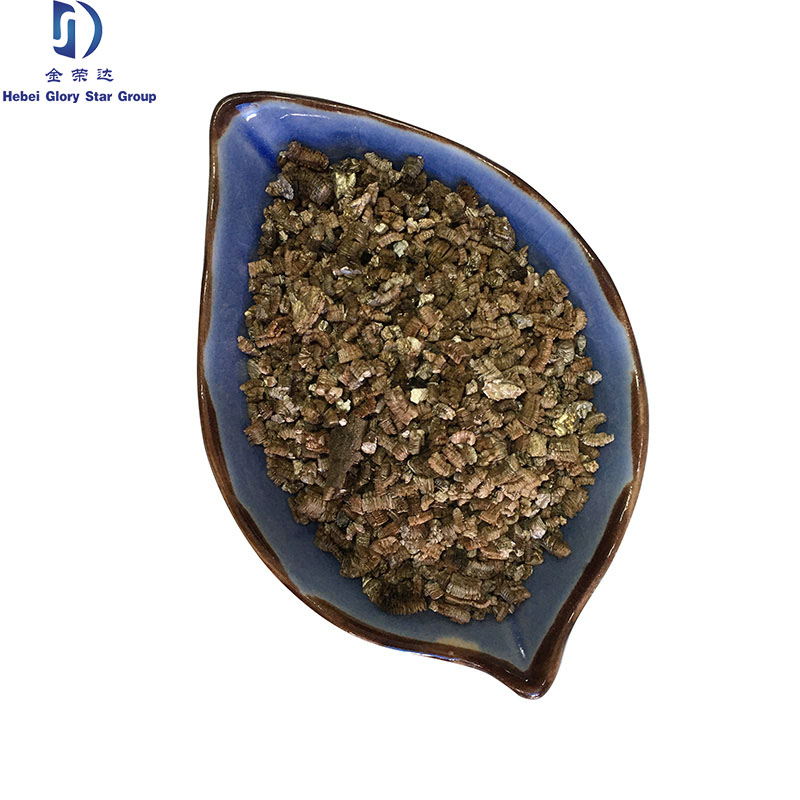
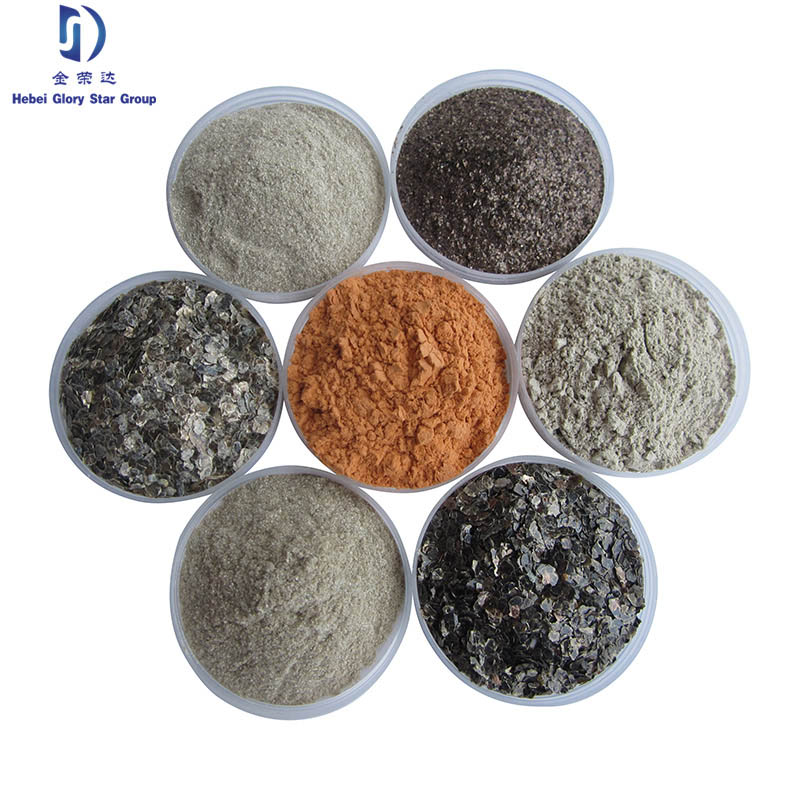
Simply put, vermiculite is a naturally occurring mineral that’s heated until it expands into an accordion-like texture. In gardening, these expanded flakes mix with soil or potting media to boost moisture retention, improve aeration, and provide space for root growth. This makes vermiculite a key amendment in seed starting mixes, container soils, and hydroponics. It’s a practical solution that interfaces nicely with modern agricultural methodologies, including organic farming and urban green initiatives.
Key Factors for Effective Use of Vermiculite in Gardening
1. Moisture Retention
Vermiculite’s microstructure holds water efficiently—up to three to four times its weight. This means plants get more consistent hydration, reducing watering frequency, which is ideal for dry climates or busy gardeners.
2. Aeration and Root Development
Unlike clay, vermiculite remains lightweight and porous, allowing roots to breathe without the soil becoming compacted. This enhances nutrient uptake and overall plant health.
3. Nutrient Exchange
Its cation exchange capacity allows vermiculite to hold nutrients like potassium, calcium, and magnesium, slowly releasing them to plants. This lessens the need for frequent fertilization.
4. pH Neutrality
Vermiculite tends to be pH neutral or slightly alkaline, so it won't drastically affect soil pH, making it versatile for many plants.
5. Sterility and Cleanliness
Because vermiculite is processed by heating, it’s free from weeds and pathogens, helping prevent disease spread.
6. Environmental Stability
It doesn’t decompose quickly, meaning it stays effective in the soil over time, although it can break down slowly under harsh conditions.
Mini Takeaway:
The use of vermiculite in gardening uniquely addresses hydration, aeration, nutrient retention, and soil health, supporting plant resilience and growth sustainability.
Vermiculite In Action: Global Applications and Use Cases
Regions with sandy or poor-quality soils, like parts of Africa, Australia, and the southwestern United States, have long embraced vermiculite to improve crop productivity. NGOs include it in seed-starting kits for rural farmers, and disaster relief groups distribute it with soil blends to restore areas damaged by floods or fires.
Urban gardeners in cities such as New York, London, and Tokyo rely on vermiculite within rooftop and container gardens to optimize limited soil resources. Large agricultural producers use vermiculite to extend soil moisture retention in greenhouses and nurseries.
There’s also notable use in hydroponics, where its texture supports root structures without soil. This aligns with modern trends in controlled-environment agriculture.
Advantages and Long-Term Value of Using Vermiculite in Gardening
- Cost Efficiency: Vermiculite is relatively inexpensive and extends irrigation cycles, saving water and resources.
- Sustainability: Naturally occurring and reusable, it lowers fertilizer run-off and supports responsible gardening.
- Social Impact: Supports food security and rehabilitation in vulnerable communities by enabling better crop establishment.
- Reliability: Its consistent quality and sterility reduce plant diseases and failure risks.
Emotionally, gardeners often express satisfaction knowing they’re using a mineral that nurtures plants gently yet effectively, helping life flourish—a bit poetic, but true.
Future Trends and Innovations in Vermiculite Use
The gardening world is evolving with advances like integrating vermiculite into smart soil blends that interact with sensors for precision agriculture. There’s increasing research around combining vermiculite with organic matter and biochar for even better soil regeneration. Policies pushing sustainable urban agriculture and climate-resilient farming support wider adoption.
Interestingly, some startups are exploring vermiculite in vertical farming and green roof applications, leveraging its lightweight and water-holding properties—perfect for these innovative growing spaces.
Common Challenges and Solutions
One challenge is sourcing quality vermiculite free from contaminants, though most producers comply with industry standards. Incorrect mixing ratios can also hinder performance, like excess vermiculite leading to overly wet soil.
To overcome these, experts recommend testing soil mixes and starting with a typical ratio of 1:1 vermiculite to soil for potting. Also, educating end-users on vermiculite's specific role helps set realistic expectations.
Product Specification Table: Typical Gardening Vermiculite Grades
| Grade | Particle Size | Water Retention (%) | Common Uses |
|---|---|---|---|
| Fine | < 2 mm | Up to 3.5x its weight | Seed starting, cuttings |
| Medium | 2-4 mm | Up to 3x its weight | Potting mixes, soil amendment |
| Coarse | 4-8 mm | Approx. 2.5x its weight | Hydroponics, drainage layers |
Vendor Comparison Table: Globally Recognized Vermiculite Suppliers
| Supplier | Origin | Typical Grade | Certifications | Available Packaging |
|---|---|---|---|---|
| Glorystar Export | India | Fine & Medium | ISO 9001, SGS | 25kg bags, Bulk |
| Perl Industries | South Africa | Medium & Coarse | ISO 14001 | Bulk & Palletized |
| U.S. Vermiculite Corp. | USA | Fine and Medium | EPA Compliant | Bags & Bulk |
FAQ: Frequently Asked Questions About the Use of Vermiculite in Gardening
Q1: How much vermiculite should I add to my potting soil for general gardening?
A: For most container plants, mixing vermiculite at about 20-30% by volume into potting soil works well. This balance improves moisture retention without making soil too dense or overly wet.
Q2: Can vermiculite be reused in gardening, or does it break down quickly?
A: Vermiculite is quite stable and can be reused several times if cleaned properly. However, over many growing cycles, it may compress and lose some of its water-holding ability.
Q3: Is vermiculite safe for edible plants like vegetables and herbs?
A: Yes, vermiculite is safe and commonly used in vegetable and herb gardening. Just ensure you purchase from reputable sources to avoid contamination.
Q4: How does vermiculite differ from perlite in gardening?
A: While both improve soil aeration, vermiculite holds more water and nutrients, whereas perlite primarily provides drainage and aeration without much nutrient retention.
Q5: Where can I learn more about sustainable gardening amendments like vermiculite?
A: A great starting point is the use of vermiculite in gardening section on reputable supplier sites or agricultural research publications such as the FAO or university extension programs.
Conclusion
At the end of the day, the use of vermiculite in gardening is more than just a simple soil additive. It’s a practical, cost-efficient, and sustainable path to healthier plants, whether you are a hobby gardener, professional grower, or managing large-scale agricultural projects. Its benefits ripple into environmental and social realms, supporting global food security and greening efforts.
If you’re curious to explore more about quality vermiculite and innovative gardening solutions, do visit our website: https://www.glorystarexport.com — we’d love to help you grow better, greener, and smarter.
Oddly enough, a little mineral can teach us plenty about patience, sustainability, and the value of hospitality for roots...
References
Post time: Dec-02-2025



.png "About")