

Moist Vermiculite: What It Is and Why It Matters Globally
Moist vermiculite might not be a household term, but this naturally occurring mineral has quietly impacted agriculture, construction, and humanitarian aid worldwide. At its core, moist vermiculite is a form of expanded mica with exceptional water retention properties and lightweight durability, making it uniquely suited for a variety of applications.
Why does it matter? Well, from improving soil health to insulating disaster relief shelters, understanding moist vermiculite can unlock cost-effective, sustainable solutions for industries spanning continents. As global challenges around food security, housing shortages, and environmental care persist, the humble mineral’s role becomes more relevant than ever.
Let’s take a closer look at what makes moist vermiculite a small thing that delivers big results.
The Global Context: How Moist Vermiculite Fits Into Today's Industry
On a worldwide scale, vermiculite production touches many corners—from the mining sites in South Africa, China, and the United States to farms in India and construction projects in Europe. According to the US Geological Survey, global vermiculite reserves are vast yet finite, making efficient usage vital.
Here's a bit of industry data to chew on: the market demand for vermiculite—the “moist” kind often preferred due to its higher water retention—is growing by roughly 5% annually (ISO standards are shaping quality benchmarks). This increase aligns with expansion in sustainable agriculture techniques and lightweight insulation needs.
But the challenge remains: how to source and apply moist vermiculite responsibly and effectively in a world that’s racing against climate change, population growth, and resource scarcity? That’s exactly where this material's multifaceted nature becomes critical.
Defining Moist Vermiculite in Simple Terms
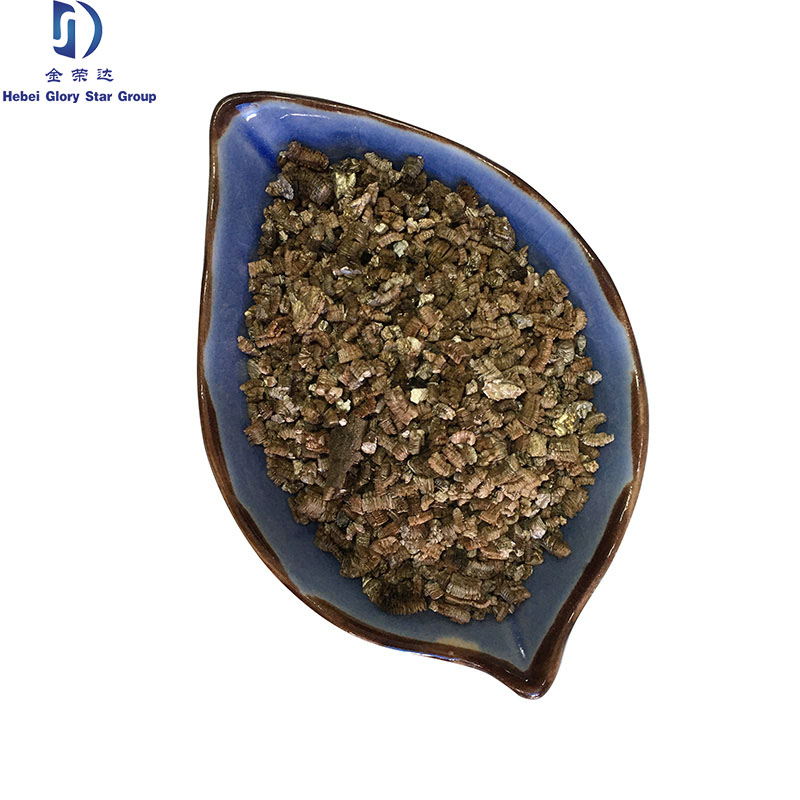
Put plainly, moist vermiculite is vermiculite that has not been completely dried out after processing—retaining some water within its layer-like structure. This moisture content molds its texture, bulk density, and performance characteristics.
In practical terms: think of it as a super sponge that’s light and fire-resistant. Industries prize it because it swells when heated, becomes sterile, and offers excellent nutrient and water holding capacity—perfect for helping crops thrive or insulating walls.
On a humanitarian scale, moist vermiculite often finds use in disaster relief, providing an affordable material for lightweight shelters and packaging sensitive materials.
Key Factors Driving Its Practical Use
1. Water Retention Capacity
Perhaps the most defining feature, moist vermiculite can hold up to three to four times its own weight in water, slowly releasing moisture to surrounding environments. This property transforms it into a vital ally in agriculture and horticulture, especially in arid climates.
2. Insulating & Fire-Resistant Qualities
Oddly enough, its layered mica structure enables vermiculite to act as an excellent thermal insulator. Many engineers say it's like nature’s version of safer, lighter foam, making it popular in construction to improve energy efficiency.
3. Lightweight Durability
Despite its strength, moist vermiculite is surprisingly light. This makes shipping easier and reduces structural loads in building materials, something that remote industrial zones and large-scale farming operations value highly.
4. Sterility and Chemical Stability
The mineral is naturally sterile when expanded, which prevents contamination. It doesn't breakdown easily in the presence of chemicals, meaning it has good longevity in a variety of harsh conditions.
5. Cost-Effectiveness
Compared to synthetic insulation or expensive soil amendments, moist vermiculite offers an affordable and scalable option without sacrificing performance.
Mini Takeaway:
Moist vermiculite’s secret sauce lies in balancing moisture retention with durability and insulation. It’s this combination that drives its adoption across industries worldwide.
How Moist Vermiculite Is Used Globally
The real test of any material is how it performs in the field. You’ll find moist vermiculite quietly shaping outcomes in diverse settings:
- Agriculture and Horticulture: From greenhouse seedling mixes in the Netherlands to soil conditioning in sub-Saharan Africa, moist vermiculite improves water retention and aeration to boost crop yields.
- Construction and Insulation: In parts of Eastern Europe and Asia, mix vermiculite with cement or plaster for lightweight, fire-resistant boards and wall panels.
- Disaster Relief Operations: NGOs working in flood- or earthquake-prone regions use moist vermiculite in modular shelters due to its insulative and moisture-management properties.
- Packaging Sensitive Goods: Its cushioning and moisture absorption capabilities make it ideal for shipping electronics, pharmaceuticals, and fresh produce.
India’s agricultural sector alone uses thousands of tons annually for seed germination. And this kind of adoption isn't going unnoticed; organizations like the UN’s Food and Agriculture Organization have emphasized vermiculite’s role in sustainable farming methods.
Mini Takeaway:
Moist vermiculite’s adaptability allows it to bridge needs across far-flung industries and geographies, proving its global value.
Advantages and Long-Term Value of Moist Vermiculite
- Economic Savings: Lower maintenance, fewer replacements, and reduced resource inputs mean long-term cost benefits.
- Sustainability: As a natural, non-toxic mineral, it aligns with eco-friendly goals and reduces reliance on synthetic products.
- Reliability: Its stable chemical nature ensures dependable performance over time.
- Social Impact: Enhances safety and dignity in shelter construction and food production, vital in vulnerable communities.
Frankly, it feels like investing in vermiculite means investing in innovation married to tradition — natural materials solving modern problems with a light footprint.
Future Trends and Innovations to Watch
Looking ahead, a few things are on the horizon:
- Green Building Certifications: Vermiculite-infused panels and composites are gaining traction as part of LEED and similar sustainability standards.
- Composite Materials: Scientists are blending vermiculite with bio-polymers for enhanced biodegradability and mechanical performance.
- Automation in Mining and Processing: More efficient extraction technologies aiming to reduce energy use and environmental impact.
- Smart Agriculture: Integration with sensor technologies to optimize water release from soils leveraging vermiculite’s moisture control.
Even digital transformation touches the sector — supply chain transparency driven by blockchain can ensure vermiculite origins meet environmental and social governance standards.
Addressing Challenges and Solutions
Of course, it’s not all rosy. Common issues include:
- Variability in Quality: Moisture levels and particle size can differ, affecting performance.
- Supply Chain Fragility: Remote mining sites face logistical hurdles.
- Competition from Alternatives: Synthetic insulations and soil additives offer different value mixes.
Yet progress is underway: enhanced processing controls, closer vendor partnerships, and industry certifications help mitigate these. Businesses increasingly prioritize sourcing from certified mines—something to watch if you’re sourcing vermiculite yourself.
Product Specification Table: Moist Vermiculite Typical Grades
| Specification | Grade A | Grade B | Grade C |
|---|---|---|---|
| Moisture Content | 8–12% | 12–18% | 18–25% |
| Bulk Density (kg/m³) | 100–120 | 90–110 | 70–90 |
| Water Absorption (%) | 300–350 | 280–330 | 260–310 |
| Thermal Conductivity (W/mK) | 0.06–0.08 | 0.07–0.09 | 0.09–0.12 |
Vendor Comparison: Top Moist Vermiculite Suppliers
| Supplier | Origin | Certification | Typical Moisure Range | Lead Time |
|---|---|---|---|---|
| Glory Star Export | India | ISO 9001, ISO 14001 | 10–15% | 2–4 weeks |
| VermiCo Minerals | South Africa | ISO 9001 | 12–18% | 3–5 weeks |
| Global Mines Ltd. | China | ISO 14001 | 8–13% | 1–3 weeks |
FAQs: Practical Questions About Moist Vermiculite
Q: What makes moist vermiculite better than dry vermiculite for horticulture?
A: Moist vermiculite retains water better and releases it more slowly to plant roots, improving growth and reducing watering frequency. It also helps aerate the soil, supporting healthy root development.
Q: How long can moist vermiculite-based building materials last?
A: When properly incorporated and protected from excessive moisture, vermiculite-enhanced materials can last several decades, maintaining insulation properties and structural integrity.
Q: Is moist vermiculite an eco-friendly option for insulation?
A: Yes, since it is natural, non-toxic, and reduces reliance on synthetic insulation materials, moist vermiculite offers a greener alternative with minimal environmental impact.
Q: How do NGOs typically import moist vermiculite internationally?
A: NGOs usually source through certified vendors with export capabilities that comply with customs regulations, ensuring timely shipments and quality consistency, often relying on partners like moist vermiculite suppliers.
Conclusion: Why Moist Vermiculite Is Worth Watching
From enhancing food production to elevating building standards and uplifting vulnerable communities, moist vermiculite stands as a versatile, sustainable mineral with untapped potential. It’s admittedly understated, but its blend of natural properties, cost advantages, and growing market presence make it a quiet hero in global industry circles.
If you’re curious to explore how moist vermiculite solutions can support your projects, from agriculture to construction, it’s worth diving in with trusted suppliers today.
References:
Post time: Dec-14-2025
.png "About")