

Understanding Natural Vermiculite: Why It Matters Globally
If you've ever stumbled upon the term natural vermiculite, you might have caught glimpses of it in gardening stores or construction talks. But beyond the simple image of a lightweight, flaky mineral, natural vermiculite plays a surprisingly vital role worldwide in industries as varied as agriculture, construction, and disaster relief. Understanding why this humble mineral matters can unlock insights into sustainable development, safer building methods, and renewably sourced materials. It's fascinating how a product that often lies underfoot can influence global challenges like environmental protection and humanitarian aid.
The Global Significance of Natural Vermiculite
The world’s industrial tapestry is ever-evolving, with resource demands climbing steadily. According to data from the United Nations Statistics Division, minerals and mining output have increased by over 20% in the last decade, largely driven by expanding construction, agriculture, and manufacturing sectors. Natural vermiculite, mined from select geological deposits primarily in the USA, South Africa, and China, stands out because of its lightweight, heat-resistant, and absorbent qualities.
Here's the kicker: many industries face the challenge of needing materials that are cost-efficient, environmentally sound, and versatile. Natural vermiculite fits the bill more than most, especially when it comes to insulation, soil conditioning, and even fireproofing. But with global urbanization pressures and climate-related disasters (as per the World Meteorological Organization), the supply, quality, and application of such minerals have become a focal point.
What Exactly Is Natural Vermiculite?
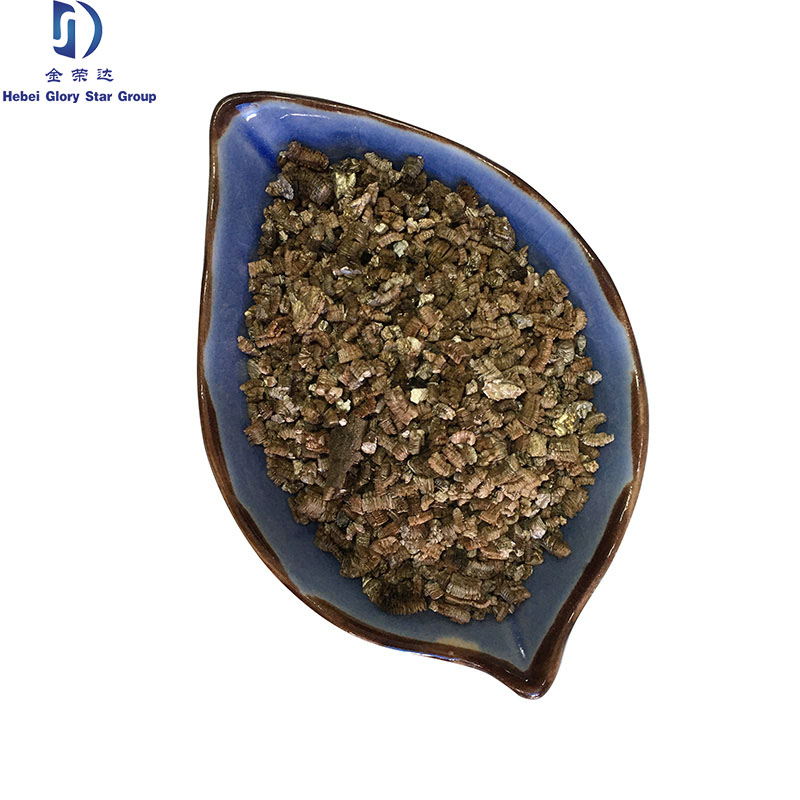
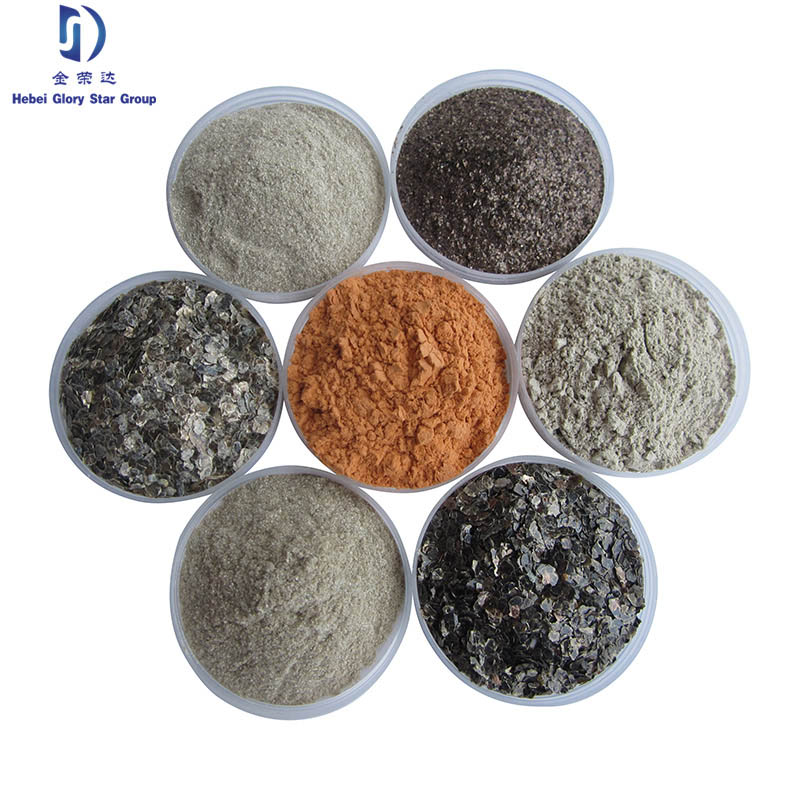
In plain terms, natural vermiculite is a microscopic-layered mineral belonging to the mica family. When heated, it expands or exfoliates, creating accordion-like flakes that are lightweight and porous. This process dramatically enhances its properties, making it perfect for insulation, moisture retention, and cushioning.
Unlike synthetically produced materials, natural vermiculite maintains an eco-friendly profile and has been used for decades in horticulture to improve soil aeration, water retention, and nutrient exchange. But the story doesn’t end there; industries from construction to packaging rely heavily on its adaptable characteristics. For example, in humanitarian contexts, vermiculite is often used in temporary housing solutions and thermal blankets due to its fire-resistance and low weight — critical factors when speed and safety are paramount.
Core Features That Define Natural Vermiculite’s Value
Heat Resistance
One of vermiculite's standout traits is its ability to resist high temperatures without breaking down. This makes it a popular choice for fireproofing materials and thermal insulation panels.
Lightweight and Porous
The exfoliation process expands the mineral flakes, increasing volume but keeping weight near negligible. This characteristic is essential in applications like soilless gardening mixes or lightweight concrete.
Water Absorbency
Natural vermiculite can hold water several times its weight, which explains its popularity as a soil conditioner in drought-prone regions and farms aiming to optimize irrigation efficiency.
Chemical Inertness
It doesn’t react with chemicals easily, so it safely buffers soil pH or acts as a filler material without risk of contamination, a property highly valued in both agriculture and industrial manufacturing.
Eco-friendly and Sustainable
Being naturally occurring and reusable, vermiculite offers an eco-conscious alternative to synthetic insulation and absorbent products, reducing environmental footprints.
Where Does Natural Vermiculite Actually Get Used?
The uses are surprisingly broad and somewhat underappreciated. Let’s explore a few real-world contexts where it shines:
- Agriculture & Horticulture: As a soil amendment, vermiculite dramatically improves aeration and moisture retention. Farmers in arid zones like parts of Australia and Africa use it to maximize yields.
- Construction: In Europe and North America, lightweight vermiculite-based plasters and concrete help reduce structural loads while boosting fire resistance.
- Disaster Relief: International NGOs use vermiculite in thermal blankets and insulation panels for emergency shelters—especially in colder climates during refugee crises.
- Industrial Packaging: Its cushioning properties make vermiculite a natural alternative for shipping sensitive goods that need shock absorption and humidity control.
- Environmental Remediation: It absorbs hazardous spills and prevents contamination spread, a tool often employed by industries dealing with chemicals.
Natural Vermiculite Product Specification
| Specification | Typical Range | Units |
|---|---|---|
| Bulk Density (Exfoliated) | 80 - 150 | kg/m³ |
| Moisture Content (as received) | 2 - 6 | % |
| Expansion Ratio | 8 - 20 | times original volume |
| Fire Resistance Temperature | 950 - 1100 | °C |
| Water Absorbency | 3 - 5 | times its weight |
Supplier Comparison: Key Vendors of Natural Vermiculite
| Supplier | Global Reach | Product Grades | Sustainability Certifications | Average Lead Time |
|---|---|---|---|---|
| Glory Star Export | Global (Asia, Africa, Americas) | Horticultural, Industrial, Construction | ISO 14001, REACH Compliant | 2-4 weeks |
| MineralTek Ltd. | Regional (Europe, North America) | Industrial-grade | ISO 9001 | 3-5 weeks |
| VermiGrow Corp. | Asia-Pacific Focus | Agricultural, Specialty Horticulture | None | 1-3 weeks |
The Advantages and Value of Natural Vermiculite
It’s not just about raw specs or industrial jargon—natural vermiculite offers a blend of benefits that appeal both to the head and the heart. Practically, it reduces heating and cooling costs, lowers transportation weights, and enhances crop productivity — all in one breath. Emotionally, knowing you’re using a sustainable, safe, and non-toxic product that supports safer homes, helps drought-hit farmers, and reduces chemical dependency is... well, pretty uplifting.
Socially and economically, its adoption by humanitarian groups significantly increases the quality of emergency sheltering and agricultural resilience in vulnerable regions. It's a material that literally fosters life and safety, while helping industries meet shifting regulatory and environmental demands.
Looking Ahead: Future Trends With Vermiculite
Science and sustainability are sort of dancing hand in hand here. Innovations that combine vermiculite with biocomposites, nano-enhancements, or digital manufacturing promise lighter, smarter, and greener materials for the building and agro-sectors. Policies around green energy infrastructure also lean on materials like vermiculite for insulation in solar panels and battery casings. Automation in mining and processing is poised to optimize supply chains, lowering costs further.
Challenges and How We’re Tackling Them
Like any natural resource, there are supply chain hiccups, inconsistent quality between different mines, and environmental mining impacts to reckon with. Some vermiculite deposits carry traces of asbestos, so stringent testing and quality assurance become non-negotiable. Thankfully, companies like Glory Star Export invest in rigorous screening and eco-friendly extraction practices to mitigate these risks.
Moreover, as demand increases globally, balancing economic feasibility with sustainable mining requires integrated policies, community engagement, and transparency — all trends gaining traction today.
FAQ: Your Questions About Natural Vermiculite, Answered
What makes natural vermiculite a better soil conditioner than alternatives?
Natural vermiculite excels because it holds water well while maintaining good air flow around roots, preventing both drought stress and root rot. Compared to peat or perlite, its mineral base is more durable and chemically neutral, meaning it doesn’t alter soil pH or contaminate crops.
How long does vermiculite last when used in building insulation?
Properly installed vermiculite insulation can last decades without degradation. It’s resistant to mold, pests, and fire, making it a reliable, low-maintenance option for both residential and industrial buildings.
Is vermiculite eco-friendly and sustainable?
Yes, natural vermiculite is sustainable when responsibly mined and processed. It’s reusable, non-toxic, and reduces energy consumption due to its insulating properties, supporting eco-friendly construction and farming practices.
Can natural vermiculite be shipped internationally without special precautions?
Generally, yes, as vermiculite is inorganic and stable. However, import regulations vary by country especially to prevent asbestos contamination risks. Quality certification and proper documentation are essential for smooth international trade.
How do farmers in drought-prone areas use natural vermiculite effectively?
Farmers mix vermiculite into their soil to improve moisture retention and reduce irrigation needs, helping crops survive dry spells. This technique is especially valuable in regions with erratic rainfall patterns and scarce water supply.
Wrapping Up: Why Natural Vermiculite Is a Resource Worth Knowing About
It's easy to overlook minerals like natural vermiculite, but the broad-reaching impact it has — from greenhouses in Australia to emergency shelters in sub-Saharan Africa — is tough to ignore. Combining cost-efficiency, sustainability, and versatility, it’s an unsung hero edging us closer to smarter, safer, and more environmentally sensitive practices. Fancy finding out more or sourcing top-quality vermiculite for your next project? Visit https://www.glorystarexport.com, the global go-to for trusted natural vermiculite supplies.
References:
1. United Nations Statistics Division – Mineral Commodities Data
2. World Meteorological Organization – State of Global Climate
3. Wikipedia: Vermiculite
Post time: Dec-14-2025
.png "About")