

Why Exfoliators Vermiculite Matter in a Global Industrial Landscape
At first glance, exfoliators vermiculite might sound like something from a skincare ad—yet they’re crucial industrial materials shaping everything from construction to agriculture worldwide. Their unique properties respond to pressing global challenges involving sustainability, lightweight insulation, and resource efficiency. Understanding these exfoliated vermiculite products offers a tangible pathway for industries striving to innovate without compromising the planet.
Put simply: vermiculite exfoliation enhances the mineral’s natural traits, creating expanded particles that offer superior thermal and acoustic insulation, fire resistance, and moisture retention. These qualities help reduce energy consumption in buildings, improve soil conditions for crops, and protect industrial equipment. Considering global sustainability targets and growing urbanization, exfoliators vermiculite are quietly playing a vital role yet remain underestimated outside niche circles.
Setting the Stage: The Global Relevance of Exfoliators Vermiculite
The world uses roughly 2 million tons of vermiculite annually, according to the US Geological Survey, and much of it is transformed through exfoliation. The global construction and agriculture sectors consume the bulk of processed vermiculite. Rapid urbanization in Asia and Africa means demand for lightweight insulation is soaring, while agriculture in arid climates depends on vermiculite for moisture retention.
Challenges like climate change, dwindling natural resources, and rising energy costs push industry players to rethink materials. This is where exfoliated vermiculite steps in—not only is it renewable and recyclable, but it also contributes to lowering carbon footprints by replacing heavier, less sustainable materials. In emergency relief efforts too, light and insulating vermiculite helps disaster response teams build temporary shelters rapidly.
What Exactly Are Exfoliators Vermiculite?
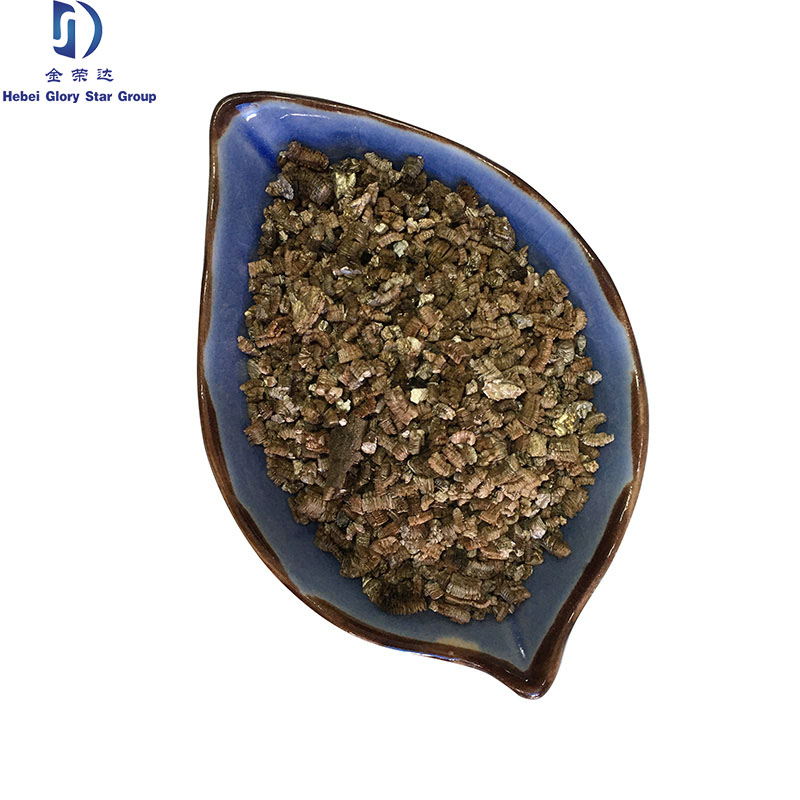
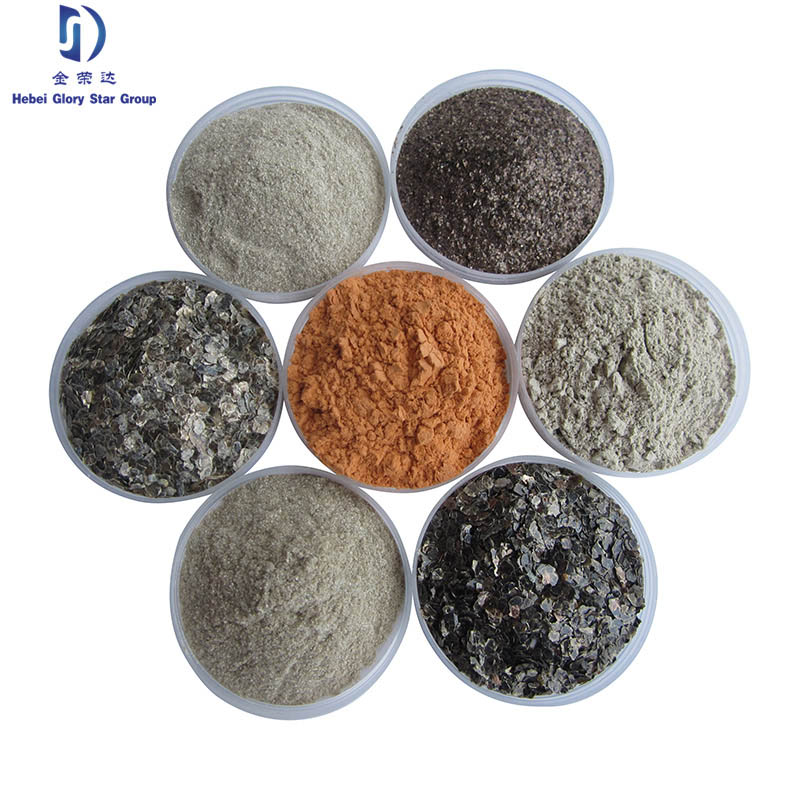
So, exfoliated vermiculite is basically vermiculite that’s been heated in special furnaces until it puffs up, like popcorn. This “exfoliation” process can expand the raw mineral up to 20 times its original volume. What you get is a lightweight, porous, fire-resistant material often used as loose-fill insulation, soil additive, or packing material for hazardous substances.
Industrially, exfoliators vermiculite means the plants or machines designed to perform this expansion. Their tech and process controls impact final product quality. For humanitarian needs, like emergency housing or soil restoration projects, exfoliated vermiculite’s portability and thermal properties are crucial.
Core Characteristics Making Exfoliated Vermiculite Special
1. Lightweight and Insulative
Its expanded form is extremely light, typically between 80 and 130 kg/m³, making transport and installation easier compared to traditional materials. Plus, its air-trapping structure offers excellent insulation—is it any surprise architects favor it for green buildings?
2. Fire Resistance & Safety
Exfoliated vermiculite doesn’t just resist fire—it can withstand temperatures over 1000°C, which protects structures or plants subject to harsh heat exposure. Think steel mills, chemical factories, or even home basements.
3. Moisture Retention and Soil Enhancement
Gardeners and farmers swear by vermiculite’s water retention. Mixing exfoliated granules into soil improves aeration and moisture control—a boon for crops in drought-prone areas.
4. Chemical Neutrality and Versatility
Because vermiculite is chemically inert, it won’t interact aggressively with fertilizers or industrial compounds, making it safe for diverse applications.
A Closer Look: Product Specifications for Exfoliated Vermiculite
| Property | Typical Value | Units |
|---|---|---|
| Bulk Density (loose fill) | 80 - 130 | kg/m³ |
| Thermal Conductivity | 0.04 - 0.07 | W/m·K |
| Expansion Ratio | Up to 20x original volume | – |
| Maximum Operating Temperature | Over 1000 | °C |
| pH Level | 6.5 - 8.5 | – |
Where in the World Are Exfoliators Vermiculite Making an Impact?
In the U.S. and Europe, exfoliated vermiculite is widely used as insulation in eco-home projects and retrofitting. In rapidly urbanizing countries like India or Nigeria, it’s found its way into affordable housing and agricultural enhancements.
NGOs often utilize vermiculite in post-disaster relief, especially for temporary shelters requiring quick setup and adequate insulation. Interestingly enough, miners in Australia and South Africa integrate exfoliated vermiculite as packing media, ensuring safe transport of volatile chemicals.
And if you peek at the industrial zones in China, a country pumping more than half of the world’s created vermiculite, you’ll find exfoliation technologies employed in advanced manufacturing plants and green infrastructure.
Vendor Comparison: Leading Suppliers of Exfoliated Vermiculite
| Vendor | Product Range | Global Reach | Sustainability Certifications | Average Pricing |
|---|---|---|---|---|
| Vermiculite Global Co. | Loose-fill, granules, molded | North America, Europe | ISO 14001, LEED | $$$ |
| ExfoMinerals Ltd. | Custom grades, fine & coarse | Asia, Africa | ISO 9001 | $$ |
| EcoVermi Solutions | Eco-grade, bio-based composites | Europe, USA | BREEAM, FSC | $$$$ |
Advantages and Long-Term Value of Exfoliated Vermiculite
Let’s talk benefits: from a cost perspective, exfoliated vermiculite reduces heating/cooling needs, saving both money and carbon. Environmentally, its mineral base is natural, abundant, and recyclable.
Socially, its contribution to safer, more comfortable buildings under extreme weather conditions feels reassuring. For engineers and architects, it opens doors to creative, green-friendly designs. Sure, it’s not always a plug-and-play solution—but its reliability has earned trust worldwide. That quiet confidence? That’s innovation’s humble backbone.
The Future: Trends & Innovations in Exfoliated Vermiculite Technology
Tech is moving fast. Digital controls in exfoliation machinery improve grain uniformity. Hybrid composites mixing vermiculite with biodegradable polymers are emerging for packaging and agriculture. Sustainable mining practices are increasingly required to meet ISO and UN standards.
Moreover, the drive to meet net-zero emissions pushes vermiculite-based materials into energy-efficient building codes globally. I can’t help but wonder where the next breakthrough lies—perhaps in nano-enhanced vermiculite or additive manufacturing? One thing’s for sure: it’s far from static.
Challenges Faced and Ways Forward
One persistent issue: consistency. The raw vermiculite ore varies significantly by source, affecting exfoliation quality. Processing costs and energy use during exfoliation remain hurdles too, especially in developing regions.
Innovators are addressing these with modular exfoliator designs for smaller setups, improved kiln insulation to lower fuel use, and advanced ore-sorting tech to ensure feedstock uniformity. Partnerships between vendors and research institutes also drive optimization forward.
FAQ: Your Top Questions on Exfoliators Vermiculite
Q1: What industries benefit most from exfoliated vermiculite?
A: Construction, agriculture, chemical packaging, and disaster relief are the key sectors leveraging its lightweight and insulating qualities, improving sustainability and safety.
Q2: How does exfoliated vermiculite improve soil health?
A: It enhances water retention and aeration, reducing irrigation needs and supporting plant roots effectively, especially in challenging climates.
Q3: Is exfoliated vermiculite an eco-friendly insulation alternative?
A: Definitely. Being a natural mineral that’s recyclable and fire-resistant, it often replaces synthetic insulators with higher carbon footprints.
Q4: How can buyers ensure the quality of exfoliated vermiculite?
A: Request certifications like ISO 9001 and test data for thermal and physical properties. Partnering with reputable vendors also helps.
Q5: Are there emerging policies supporting vermiculite usage?
A: Yes, several green building codes worldwide now officially recognize exfoliated vermiculite as a sustainable material for insulation.
Wrapping Up: Why Investing in Exfoliators Vermiculite Makes Sense
All said and done, exfoliators vermiculite link raw natural resources to smart, sustainable industry solutions. They address big challenges quietly—from cutting energy waste to boosting soil resilience. For companies and communities alike, investing in this mineral’s expanded forms means embracing innovation wrapped in responsibility.
Curious to explore quality exfoliators vermiculite and how they can fit your projects? Feel free to visit us to dive deeper into options, technical specs, and trusted supply partners. After all, the future belongs to materials that balance function with conscience.
References
Post time: Dec-13-2025
.png "About")