
Exploring the Use of Vermiculite: A Multi-Purpose Industrial Marvel
When it comes to minerals that quietly play a vital role in everything from agriculture to construction, vermiculite is one you might not have thought much about—until now. Its use of vermiculite spans the globe and impacts industries vital for food security, disaster relief, and green building. Simply put, understanding vermiculite’s applications can highlight how a naturally occurring mineral contributes to sustainability and efficiency worldwide.
Introduction: The Global Importance of Vermiculite
Vermiculite is a natural mineral that, after careful processing, expands dramatically in volume when heated. This “exfoliation” process creates a lightweight, porous material prized for its insulation, water retention, and fire-resistant properties. According to the United States Geological Survey (USGS) and the International Mineralogical Association, worldwide consumption of vermiculite exceeds 500,000 metric tons annually, emphasizing its global industrial importance.
Why does it matter so much? Well, as the world pushes towards sustainable agriculture and eco-friendly construction, vermiculite’s unique characteristics address some pressing challenges — from enhancing soil health in drought-prone areas to improving fire safety standards in buildings without compromising environmental impact.
In regions facing erratic weather patterns or post-disaster rebuilding efforts, vermiculite steps in as a reliable material that balances affordability, scalability, and performance. If you haven’t explored the use of vermiculite in these contexts, you’re missing out on a fascinating story of mineral innovation.
What Is Vermiculite and Why Is It Used?
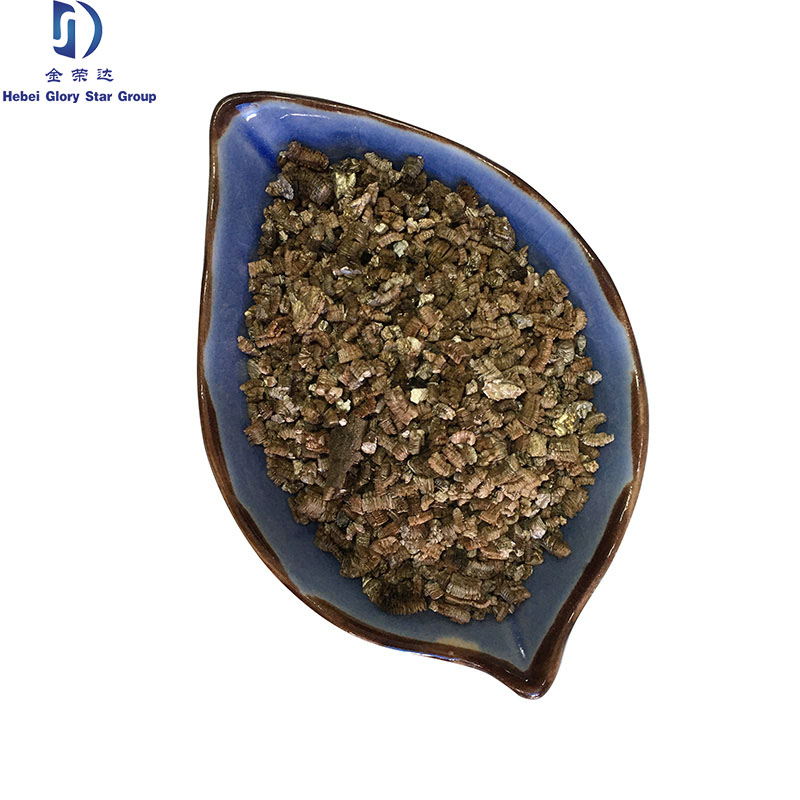
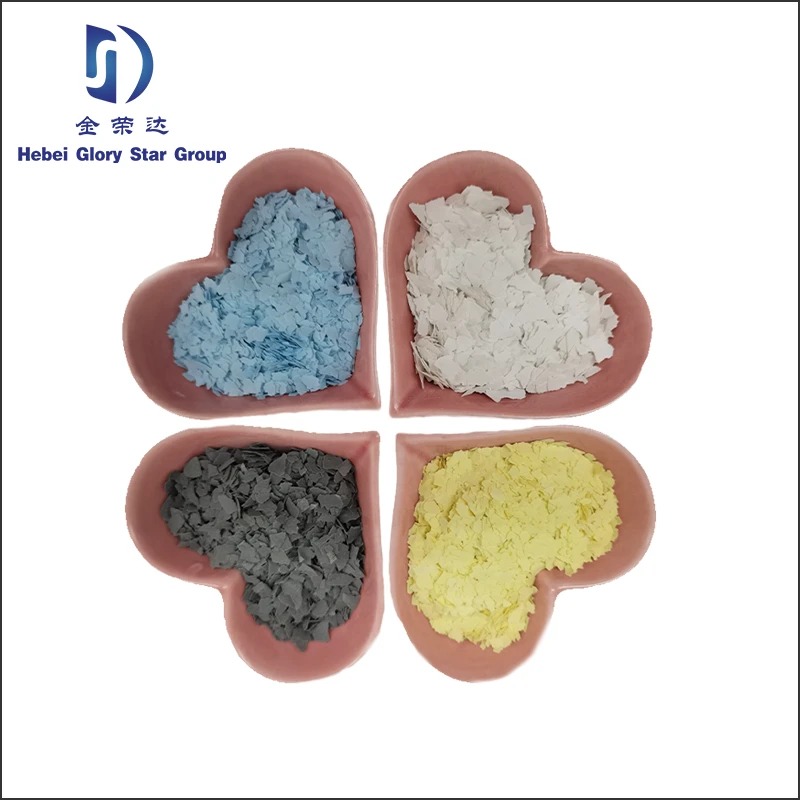
At its core, vermiculite is a hydrated laminar magnesium-aluminum-iron silicate mineral. That sounds technical, sure, but simply put: when you heat it, it expands into tiny worm-like particles that trap air and moisture. This transformation boosts its value significantly.
Industrially, vermiculite often shows up in:
- Soil conditioners and growing media—improving aeration and moisture retention.
- Fireproofing and insulation materials—because it resists heat and flames effectively.
- Lightweight construction blocks and plasters—reducing building weight without losing strength.
Its use extends from modern farming techniques to humanitarian shelter solutions where durable, lightweight materials are essential.
Core Components of Vermiculite’s Usefulness
1. Water Retention & Soil Improvement
Vermiculite’s sponge-like structure holds water and nutrients, slowly releasing them to plants. For farmers facing water scarcity, this means reduced irrigation and healthier crops—something that’s becoming crucial given climate variability.
2. Thermal & Fire Resistance
It’s fairly remarkable how vermiculite withstands high temperatures. Fireproofing coatings and insulation panels made with vermiculite help protect buildings and industrial installations, meeting stringent safety codes and improving energy efficiency.
3. Lightweight & Insulating
Oddly enough, although it’s mineral-based, vermiculite is light as a feather once expanded. That makes transport cheaper and installations easier—skills particularly valuable in remote or disaster-impacted zones.
4. Chemical Stability and Non-Toxicity
Another bonus: vermiculite does not react harshly with most chemicals, making it safe in sensitive environments including hospitals and food storage facilities.
Global Applications & Use Cases
The scope of vermiculite’s use is vast. For example:
- In agriculture: Countries like India and Brazil have scaled up vermiculite use to boost soil health in rainfed zones.
- Disaster relief: NGOs integrate vermiculite-based building materials to create fast-deploy shelters that are fire-resistant and thermally insulated, especially in earthquake-prone regions.
- Industrial zones: In steel production and chemical plants globally, vermiculite-lined insulation enhances worker safety and equipment longevity.
These real-world examples show its role in improving lives and processes in tangible ways.
Mini takeaway: Vermiculite isn’t just a mineral. It’s a global workhorse in many sectors dealing with challenges of heat, moisture, and lightweight construction.
Advantages & The Long-Term Value of Vermiculite
From a cost perspective, vermiculite is competitively priced due to easily accessible mineral deposits and simple processing methods. Environmentally, it fits well with sustainable development goals because it’s natural, recyclable, and safe. Socially, it enhances safety (fire resistance) and dignity (comfortable housing environments) — factors often overlooked in material selection.
Emotionally, there’s something reassuring about a material that quietly protects homes and crops, boosts productivity, and supports disaster recovery without fuss. It embodies trust and resilience, qualities you want in local infrastructure, frankly.
Product Specification Table: Vermiculite Grades Overview
| Grade | Particle Size | Bulk Density (kg/m³) | Primary Use |
|---|---|---|---|
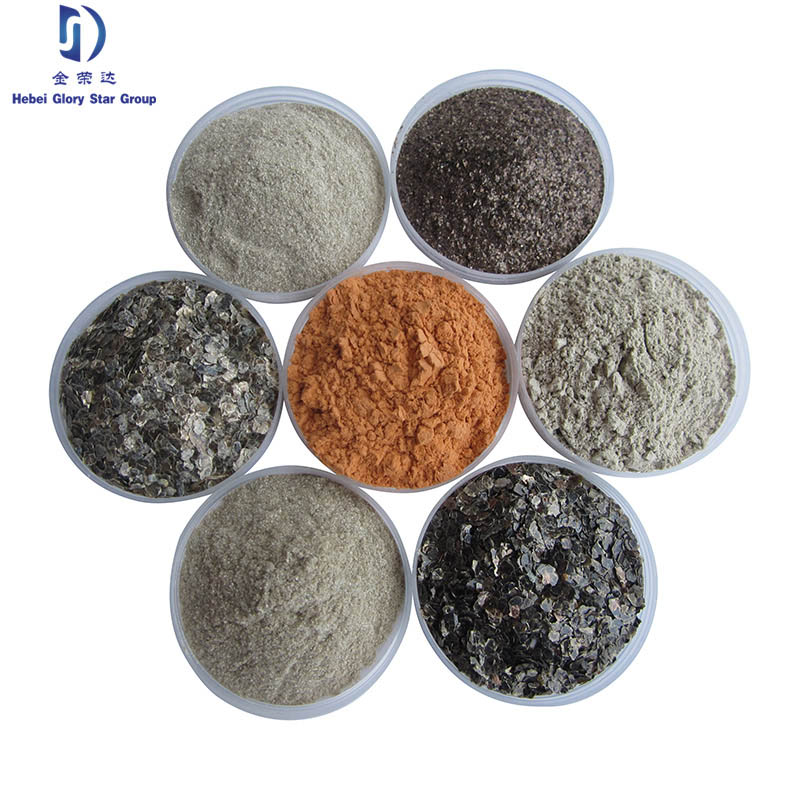
| Horticultural | 1-5 mm | 70-110 | Soil amendment, seed starting |
| Construction | 0.5-2 mm | 90-130 | Fireproofing, insulation |
| Industrial | 2-6 mm | 60-100 | Packaging, absorbents |
Vendor Comparison: Leading Vermiculite Suppliers
| Vendor | Origin | Product Range | Certifications | Lead Time |
|---|---|---|---|---|
| Glory Star Export | South Africa | All Grades (Horticulture, Industrial, Construction) | ISO 9001, ASTM Certified | 2-3 weeks |
| VermiTech Minerals | USA | Horticulture, Industrial | ISO 14001 | 3-4 weeks |
| MineralPro Ltd. | China | Construction Grade | CE Certified | 1-2 weeks |
Emerging Trends & Innovations in Vermiculite Use
The future seems to brighten for vermiculite, especially as innovation focuses on eco-friendly and digital-driven applications. For instance, researchers are combining vermiculite with bio-based binders to create fully recyclable insulation boards—zero waste and super effective.
Meanwhile, in green energy deployments, vermiculite’s fire resistance supports safer battery storage enclosures and solar panel mounting. Plus, automation in vermiculite sorting and processing is reducing costs and boosting quality consistency.
Challenges & How the Industry Is Responding
Like any raw material, vermiculite isn’t perfect. Dust generation during processing and concerns about contamination (notably asbestos in some deposits) remain hurdles. Regulatory standards strictly enforce testing to mitigate these risks, and most reputable suppliers guarantee asbestos-free products. Moreover, advanced dust suppression technologies and worker safety protocols minimize health risks.
Scaling vermiculite’s use in poorer regions sometimes stumbles on logistics and awareness gaps. That's where partnerships with specialized exporters—like Glory Star Export—help bridge supply and knowledge, supporting wider adoption.
FAQ: Frequently Asked Questions About Use of Vermiculite
- Q: What makes vermiculite better for soil than sand or perlite?
A: Vermiculite holds significantly more water and nutrients, releasing them slowly to plants. Unlike sand, it improves moisture retention and aeration simultaneously, promoting healthier root development. - Q: How fire-resistant is vermiculite insulation?
A: Vermiculite can withstand temperatures above 1000°C (1832°F) without degrading, making it highly effective as a fire barrier in building materials and industrial applications. - Q: Are there environmental concerns with vermiculite mining?
A: Most vermiculite deposits are extracted responsibly with rehabilitation measures. The main concern is asbestos contamination, but strict testing protocols ensure commercial vermiculite is safe. - Q: Can vermiculite be used in modular or container housing?
A: Absolutely. Its lightness, thermal insulation, and fire resistance make it ideal for panels and blocks in modular construction, supporting rapid and safe building deployment. - Q: How can companies source quality vermiculite internationally?
A: Partnering with certified suppliers who provide transparent product testing and documentation is key. Exporters like Glory Star Export specialize in global distribution and quality assurance.
Conclusion: Why Understanding the Use of Vermiculite Matters
It’s easy to overlook minerals like vermiculite, but it quietly supports some of our most fundamental human needs—safe housing, productive agriculture, and sustainability. Its affordable, versatile properties make it an indispensable ally in modern industry and humanitarian efforts alike.
If this has piqued your interest, I encourage you to explore the use of vermiculite further through trusted suppliers and industry experts. There’s a universe of value packed inside those little flakes of mineral magic.
Mini takeaway: Vermiculite is more than a mineral; it’s a bridge to a safer, greener, and more resilient future.
References:
1. USGS Mineral Statistics
2. Wikipedia: Vermiculite
3. International Mineralogical Association Reports
Post time: Dec-02-2025
.png "About")