

The Growing Global Importance of Superfine Vermiculite
If you haven’t come across superfine vermiculite before, don’t worry — it’s one of those unsung heroes quietly powering a surprising number of industries and humanitarian efforts worldwide. From agriculture to thermal insulation, this ultra-fine natural mineral is becoming central to sustainable solutions across continents. But why does it matter globally? Simply put, superfine vermiculite merges environmental benefits with technical versatility that industries need to tackle rising environmental challenges and resource limitations.
Understanding its properties and diverse applications could help businesses and policymakers maximize efficiency, reduce waste, and support resilient infrastructure globally. Especially as the world faces climate change pressures, materials that offer long-lasting, eco-friendly alternatives are in high demand.
Why Superfine Vermiculite Is Suddenly in the Global Spotlight
Vermiculite's extraction and use is a story that stretches across multiple geographies — mined mainly in the U.S., South Africa, and China. Its worldwide trade volume has been increasing steadily, with global market reports (for example, from the World Bank) indicating growth rates of 5-7% annually. This is largely due to an increased push for improved insulation materials, fireproofing solutions, and enhanced soil conditioning in agriculture, especially in water-stressed regions.
One challenge superfine vermiculite helps solve relates to poor soil fertility — a problem that affects nearly 45% of arable lands worldwide, according to FAO. In a nutshell, it improves moisture retention and aeration when added in small, superfine particles, optimizing plant growth in challenging environments.
Superfine Vermiculite: What’s In a Name?
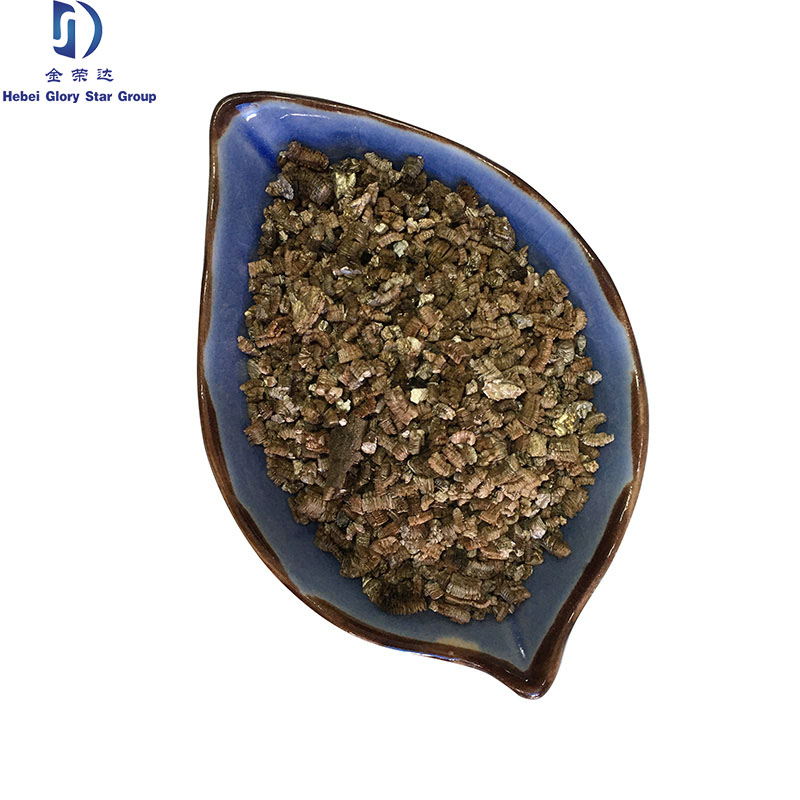
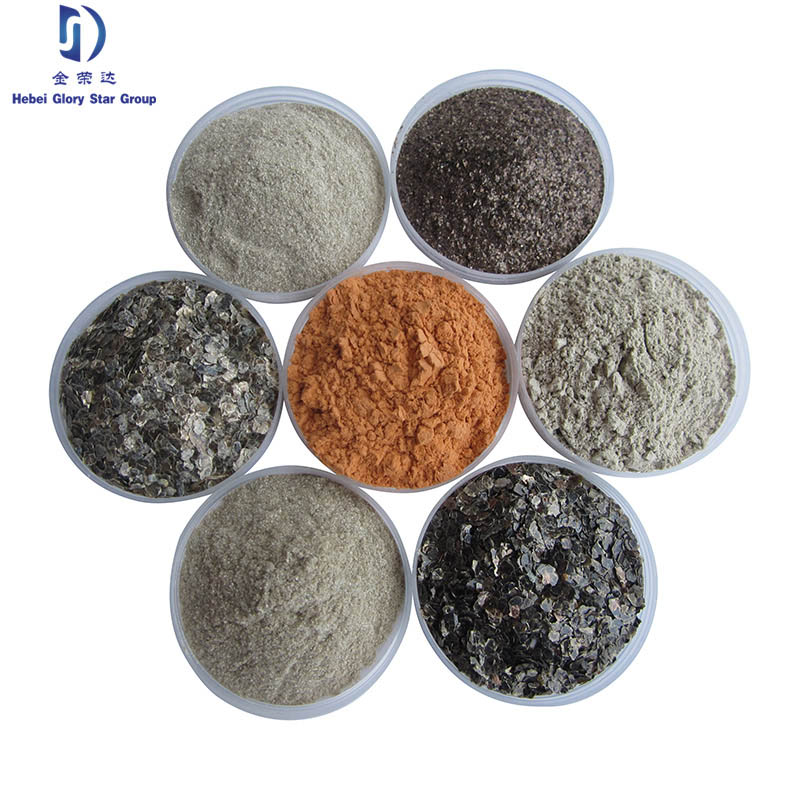
At its core, superfine vermiculite is exfoliated mineral mica processed into tiny, fine particles — typically smaller than 1 millimeter. These particles boast a honeycomb-like structure, making them incredibly lightweight yet robust. The “superfine” distinction refers to particle grades finer than standard vermiculite, enabling superior performance in applications demanding delicate material properties.
Industries from horticulture and construction to industrial filtration find these particles especially useful. For instance, humanitarian agencies lean on superfine vermiculite's moisture retention and insulation for temporary shelters or soil restoration programs post-natural disasters.
Mini Takeaway:
Superfine vermiculite is basically the refined cousin of raw vermiculite that ups the ante in performance, sustainability, and versatility.
Key Properties That Make Superfine Vermiculite Stand Out
Thermal & Fire Resistance
One of vermiculite’s trump cards is its impressive resistance to high temperatures and fire. That’s why it’s favored for insulating industrial furnaces or even in fireproof boards used in building construction.
Moisture Retention & Aeration
In agriculture, superfine vermiculite’s capacity to retain water while allowing airflow is critical to seed germination and root health. This dual feature means plants aren’t sitting in soggy soil but get enough water without suffocating roots.
Lightweight yet Durable
Its low bulk density but sturdy nature makes it excellent for mixing into lightweight composites used in packaging or lightweight concrete. Engineers often tell me it’s the balance of strength and lightness that feels “just right”.
pH Neutral and Chemically Inert
Because it doesn’t react easily with other chemicals, superfine vermiculite is perfect for additives in sensitive environments — think of it as a mineral that plays nice with whatever you mix it with.
Scalability & Customization
Suppliers increasingly offer customized particle size gradations and bulk packaging, helping companies tailor their uses, from horticulture blends to industrial filter aids.
Mini Takeaway:
The secret sauce of superfine vermiculite lies in its thermal, moisture, and chemical properties that benefit vastly different applications.
Global Applications & Real-Life Examples
Across Africa, superfine vermiculite is a cornerstone in agricultural programs focused on soil regeneration, particularly where drought and soil degradation are rampant. NGOs distribute it combined with local substrates to aid smallholder farmers.
In Europe and North America, it’s heavily used in insulation panels for green building projects, aiding compliance with stricter ISO standards on energy efficiency in construction.
Oddly enough, in the aftermath of wildfires in California and Australia, relief agencies have turned to superfine vermiculite for rapid soil remediation, helping ecosystems bounce back faster by improving soil structure and moisture balance.
Specification Table: Typical Properties of Superfine Vermiculite
| Property | Typical Value | Notes |
|---|---|---|
| Particle Size | Superfine grade for enhanced surface area | |
| Bulk Density | 80-140 kg/m³ | Lightweight material |
| Thermal Conductivity | 0.07-0.12 W/m·K | Excellent thermal insulator |
| pH | ~ Neutral (6-8) | Stable in diverse media |
| Water Retention | 200-300% | Excellent for soil amendment |
Comparing Top Superfine Vermiculite Suppliers
| Supplier | Origin | Particle Size Range | Packaging | Typical Uses |
|---|---|---|---|---|
| Glory Star Export | China | 0.25-0.7 mm | Bulk bags, 25/50kg bags | superfine vermiculite for insulation, agriculture, packaging |
| Palabora Mining Company | South Africa | 0.3-0.8 mm | Bulk, custom size | Construction boards, fireproofing |
| Rutland Vermiculite | USA | 0.2-0.6 mm | Loose fill, bags | Horticulture, filtration medium |
Why Use Superfine Vermiculite? The Advantages Beyond the Numbers
- Cost Efficiency: Its lightweight nature reduces transport and handling costs — significant savings for large-scale projects.
- Sustainability: Being a natural mineral with little processing input adds to eco-friendliness, compared to synthetic alternatives.
- Safety & Durability: Improves fire safety in buildings while extending the lifespan of soil and composites.
- Social Impact: Enhances agricultural productivity, particularly in developing communities, contributing to food security.
Seeing these benefits side-by-side, it feels like superfine vermiculite is quietly shaping a more sustainable, resilient future.
Looking Ahead: Emerging Trends & Innovations
There’s growing excitement around combining superfine vermiculite with biopolymers or aerogels to create ultra-light insulation materials that are both greener and more efficient. Additionally, digital technologies like AI are being deployed to optimize vermiculite particle sizing for tailored uses.
On the regulatory front, international bodies are considering more stringent standards around sustainable mining practices that will likely affect vermiculite sourcing — pushing suppliers toward more transparent, ethical operations.
Common Challenges and How Industry Experts Address Them
One notable challenge is inconsistent particle sizing due to varying raw ore quality, impacting performance in sensitive applications. Solutions include tighter quality control, pre-processing beneficiation, and blending grades to meet standards.
Another issue is export logistics, as vermiculite’s low density means shipments take up space rather than weight allowances on vessels. Vendors like Glory Star Export are innovating packaging methods to optimize container fill rates.
Frequently Asked Questions About Superfine Vermiculite
- What industries benefit most from superfine vermiculite?
- Horticulture, construction (especially insulation and fireproofing), packaging, and filtration industries rely heavily on superfine vermiculite for its unique physical and chemical characteristics.
- How can superfine vermiculite improve agricultural soil?
- It increases moisture retention and aeration, important for seed germination and root development, particularly in degraded soils or arid regions.
- Is superfine vermiculite eco-friendly?
- Yes, it is a natural mineral requiring minimal processing and is reusable, making it a sustainable alternative to synthetic materials.
- How do I choose a reliable superfine vermiculite supplier?
- Look for consistent particle size distribution, transparent sourcing, compliance with environmental standards, and tailored packaging options. Reputable exporters like Glory Star Export are good starting points.
- Can superfine vermiculite be used in disaster relief efforts?
- Absolutely. Its thermal and moisture regulating properties make it ideal for insulation in temporary shelters and soil rebuilding in affected areas.
Wrapping It Up: The Long-Term Promise of Superfine Vermiculite
After digging into the details, it’s clear superfine vermiculite isn’t just a niche mineral — it offers practical, scalable solutions for industries spanning the globe. Whether improving agricultural resilience, boosting building safety, or enabling greener industrial processes, its long-standing value is only growing.
If you want to explore quality products or commercial options for your project, visit Glory Star Export’s superfine vermiculite offerings. Today’s investment in this mineral feels like laying groundwork for a smarter, more sustainable tomorrow.
Mini Takeaway:
Superfine vermiculite bridges tradition and innovation, helping industries thrive amid today’s environmental and economic challenges.
References
Post time: Nov-27-2025
.png "About")