

Why super coarse vermiculite deserves your attention—and why it matters globally
If you had to sum up one mineral that’s quietly reshaping industries and humanitarian efforts around the world, super coarse vermiculite should be near the top of your list. Beyond the weird-sounding name, it’s a natural mica-based mineral that, when expanded through heat, creates a lightweight, highly absorbent material that’s become invaluable—from fireproofing and insulation to soil conditioning and emergency relief. Understanding this humble substance unlocks insights not only into clever engineering and environmental stewardship, but also into how we can better prepare for and respond to crises and industrial challenges worldwide.
In this article, we’ll walk through the definition, core properties, and exciting applications of super coarse vermiculite, peppered with practical examples and hints about where this versatile stuff is headed next.
Super Coarse Vermiculite in the Global Context: More Than Just a Mineral
Globally, the demand for building materials, soil amendments, and thermal insulation is massive and rising. According to the United Nations Industrial Development Organization (UNIDO), the construction and agriculture sectors alone contribute to over 35% of global resource consumption. What’s interesting is that these sectors are increasingly turning to materials like super coarse vermiculite because of their sustainability and efficiency.
For instance, in the wake of natural disasters—which, per the UN Office for Disaster Risk Reduction, have been increasing in frequency and severity—rapid, safe, and cost-effective building materials are crucial. Here, the lightweight, fire-retardant, and insulating properties of super coarse vermiculite offer practical solutions. Yet, challenges remain, particularly in scaling supply to meet global needs and ensuring quality consistency.
Defining Super Coarse Vermiculite: What Is It, Really?
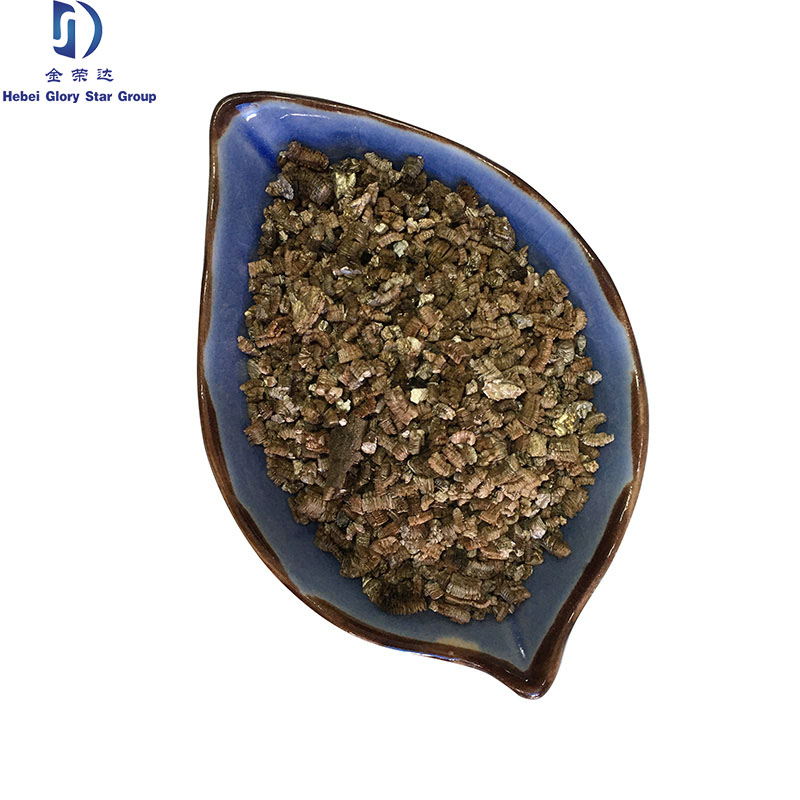
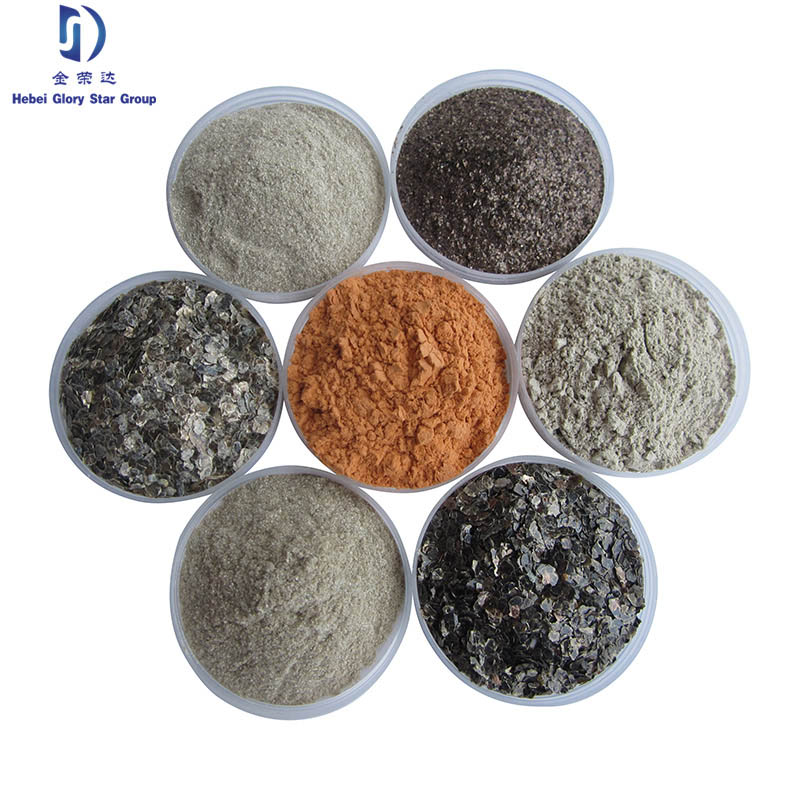
In simple terms, super coarse vermiculite is an expanded mica mineral with unusually large particle sizes. When mined vermiculite is heated, it expands into lightweight, multi-layered flakes with excellent insulation and absorption qualities. The “super coarse” category refers to the largest granule sizes, often used where maximum thermal insulation, bulk, and durability are required.
Importantly, vermiculite links to many modern industries—from the soil enhancement efforts supporting sustainable agriculture to the construction materials driving energy-efficient buildings. And the mineral’s role in humanitarian aid, such as insulating shelters in harsh climates or even in decontamination processes, showcases its broader societal relevance.
Breaking Down the Core Factors of Super Coarse Vermiculite
1. Thermal Insulation Efficiency
One of the key reasons super coarse vermiculite is sought after is its superb thermal insulation. Its expanded flakes trap air and resist heat flow, making it ideal for fireproofing applications and insulating walls or roofs. Many engineers note its performance rivals more energy-intensive materials like polystyrene but with less environmental impact.
2. Lightweight but Durable
Despite its lightness—often weighing between 60–160 kg/m³—super coarse vermiculite maintains decent structural integrity. This is critical for load-bearing insulation or soil amendments that can’t compact too much and lose effectiveness.
3. Excellent Water Absorption and Retention
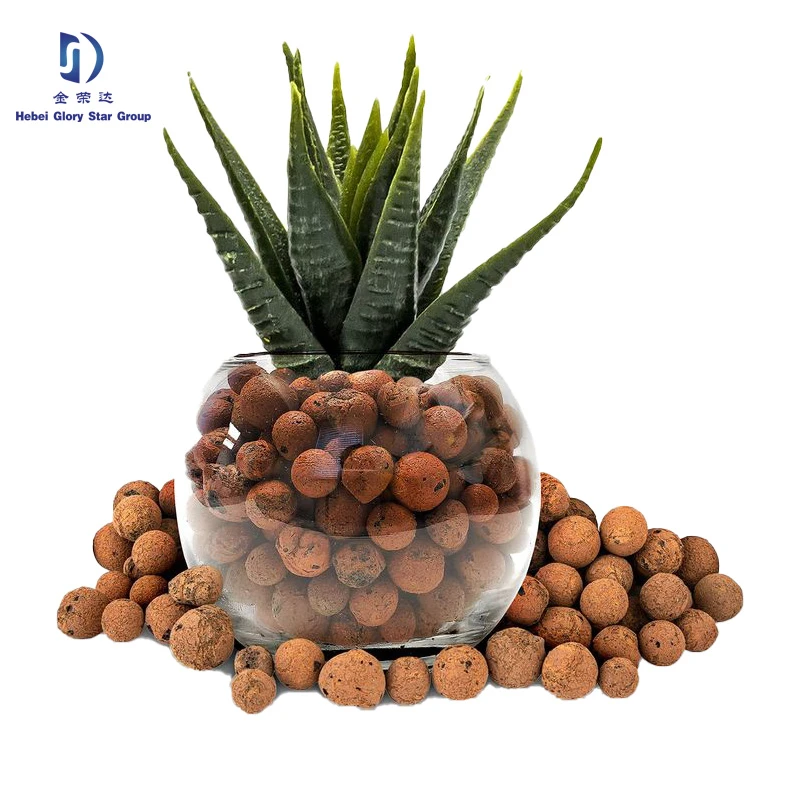
In agriculture, the capacity to hold water yet also drain well makes super coarse vermiculite an effective soil conditioner, improving seed germination rates and plant health. The large granule size helps balance moisture without becoming soggy.
4. Chemical Inertness and Fire Resistance
Because vermiculite is chemically inert, it doesn’t react adversely with fertilizers, chemicals, or building materials. It’s fire-resistant, non-toxic, and doesn’t promote mold growth—features essential in both construction and disaster relief.
5. Environmental Sustainability
Super coarse vermiculite is mined from natural sources and can often be re-used or recycled in specific forms. It’s a greener alternative to synthetic insulators and amendments, aligning with increasing global calls to reduce carbon footprints.
Super Coarse Vermiculite in Action: Global Applications and Use Cases
Its versatility means super coarse vermiculite is marching steadily across continents and sectors. Here are just a few snapshots:
- Construction in Asia and North America: Used to insulate walls, floors, and attics, vermiculite reduces energy demand in buildings, helping meet strict efficiency codes.
- Disaster Relief in Africa: NGOs incorporate vermiculite in rapid-deployment housing kits, where thermal insulation can mean the difference between safety and hypothermia.
- Agriculture in Australia: Farmers amend sandy soils with super coarse vermiculite to increase water retention and nutrient availability, boosting crop yields.
- Industrial Manufacturing in Europe: Vermiculite serves as a filler and fireproofing agent in metallurgy and chemical processing industries.
That said, sourcing and quality control remains vital; poor-grade vermiculite can degrade performance drastically.
Typical Product Specifications of Super Coarse Vermiculite
| Specification | Range/Value | Notes |
|---|---|---|
| Particle Size | 6-12 mm | Defines 'super coarse' grade |
| Bulk Density | 60-160 kg/m³ | Lightweight for insulation |
| Water Absorption | 200-300% (by weight) | Excellent soil moisture retention |
| Fire Resistance | >1100°C | High temperature stability |
| pH Level | Neutral to slightly alkaline (6.5-8) | Non-reactive in most uses |
How the Leading Vendors Stack Up
| Vendor | Quality Grade | Average Lead Time | Sustainability Certs. | Typical Applications |
|---|---|---|---|---|
| Glorius Minerals Ltd. | Super Coarse Premium | 2-3 weeks | ISO 14001 | Construction, Agriculture, Fireproofing |
| Verma Earth Products | Standard Super Coarse | 3-4 weeks | None | Soil Amendments, Lightweight Fill |
| EcoVermi Solutions | Premium Certified | 1-2 weeks | ISO 9001, FSC | Green Building, Horticulture |
Why Choosing Super Coarse Vermiculite Pays Off in the Long Run
The logic is pretty straightforward: using a material that’s lightweight, fire-resistant, and moisture-managing reduces overall costs in transportation, installation, and maintenance. But beyond dollars and cents, many builders and farmers report feelings of security tied to vermiculite’s stability—knowing their walls won’t catch fire easily, or their crops won’t fail due to poor soil moisture retention.
It also ticks the boxes on sustainability: sourcing natural vermiculite from responsibly managed mines cuts down on environmental degradation compared to synthetic alternatives. And in humanitarian contexts, providing insulated shelter with vermiculite can bring dignity and safety to displaced populations.
What’s Next? Emerging Trends and Innovations in Vermiculite Use
Looking ahead, vermiculite is poised to feature prominently in green construction initiatives. Innovations include blending with other natural fibers to create composite insulation panels or fireproof coatings that outperform existing options. Automation of mining and expansion processes promises better quality control and scalability. On the policy front, increased support for circular economy practices may encourage reuse of vermiculite-based materials, reducing waste.
Challenges Currently Facing the Industry—and How to Tackle Them
Despite its benefits, super coarse vermiculite isn’t without hurdles. Supply chain bottlenecks can limit availability, especially for large projects. Quality variation between batches sometimes leads to inconsistent performance, driving distrust among some buyers. Additionally, environmental concerns around mining practices are a hot topic.
Experts recommend close supplier partnerships, rigorous batch testing, and seeking vendors with clear sustainability commitments. It feels like a bit of a balancing act—but one worth mastering for all stakeholders.
FAQ: Practical Questions About Super Coarse Vermiculite
- Q: What makes super coarse vermiculite better for insulation than finer grades?
- A: The larger particle size creates more air pockets within the material, enhancing thermal resistance. This makes it particularly effective for applications needing bulk insulation, such as roof fill or fireproofing layers.
- Q: Can super coarse vermiculite be used in hydroponic or indoor gardening?
- A: Yes, its excellent water retention and aeration properties promote healthy root systems. However, sterilization before use is advised to avoid contamination.
- Q: How sustainable is vermiculite mining compared to synthetic alternatives?
- A: Vermiculite is a natural mineral with a relatively small environmental footprint if responsibly mined. It often requires less energy for processing than plastics or foams used in insulation.
- Q: Is it possible for NGOs to import super coarse vermiculite for emergency shelter kits?
- A: Absolutely. Many suppliers, including super coarse vermiculite exporters, facilitate international shipments. Early communication about quantity and certification requirements helps streamline customs clearance.
Wrapping Up: Why Super Coarse Vermiculite Should Be on Your Radar
To put it simply, super coarse vermiculite is one of those rare materials that elegantly bridges industry, agriculture, and humanitarian needs. Its natural properties—lightweight, fire-resistant, moisture-balancing—make it an exceptional choice as the world grapples with climate challenges, resource efficiency, and disaster resilience.
If you’re considering innovative, eco-friendly materials for your next project or relief effort, this is one mineral worth investigating closely. Don’t just take my word for it—dip into the specs, compare suppliers, and see how super coarse vermiculite can help level up your work sustainably and reliably.
Visit our website: https://www.glorystarexport.com to explore more.
Post time: Nov-27-2025
.png "About")