
Understanding the Role of a Vermiculite Manufacturer in Today's World
Vermiculite might sound like something out of a chemistry lab, but it’s actually a tiny mineral that’s quietly powering a wide range of industries around the globe. At its core, a vermiculite manufacturer is a company that processes this naturally occurring mineral into usable, versatile forms. Why should anyone care? Well, vermiculite’s unique properties—lightweight, fire-resistant, and moisture-retentive—make it incredibly valuable for everything from agricultural soil amendments to insulation in green buildings. For industries and humanitarian projects alike, understanding what a vermiculite manufacturer does unlocks a clearer view of sustainable materials shaping the future of construction, agriculture, and disaster relief worldwide.
Oddly enough, even though the mineral occurs naturally in certain parts of the world, its incorporation into modern supply chains hinges on skilled manufacturers who optimize and diversify its applications. And given that sustainability is no longer optional but mandatory for many sectors, vermiculite and those who produce it have quietly become unsung heroes of environmental stewardship.
The Global Landscape: Why Vermiculite Manufacturing Matters
According to data from the United Nations Environment Programme and the World Bank, materials like vermiculite are gaining traction because they offer eco-friendly alternatives to synthetic and energy-wasteful products. For instance, the global vermiculite market is expected to grow steadily each year by about 4-5%, largely due to increased demand in agriculture, construction, and industrial insulation.
But here’s a challenge: Although vermiculite deposits exist mainly in a handful of countries like South Africa, China, and Brazil, its demand is worldwide. This imbalance means vermiculite manufacturers not only have to mine and process the material but also adapt their operations for international supply chains—meeting different standards, export regulations, and client expectations.
In real terms, more manufacturers must focus on scalable production and environmentally conscious practices if they wish to meet shifting global needs while maintaining affordability. Which brings us nicely to understanding what exactly a vermiculite manufacturer does.
What Does a Vermiculite Manufacturer Actually Do?
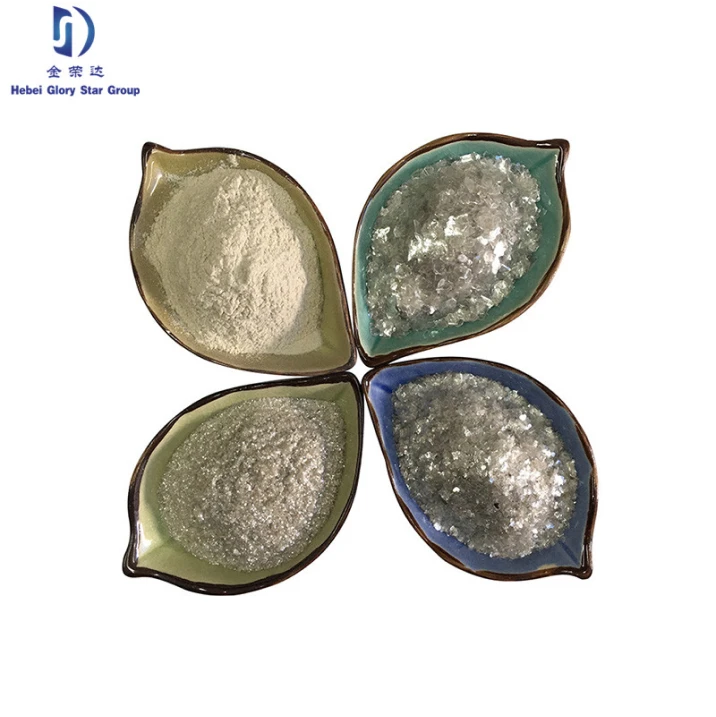
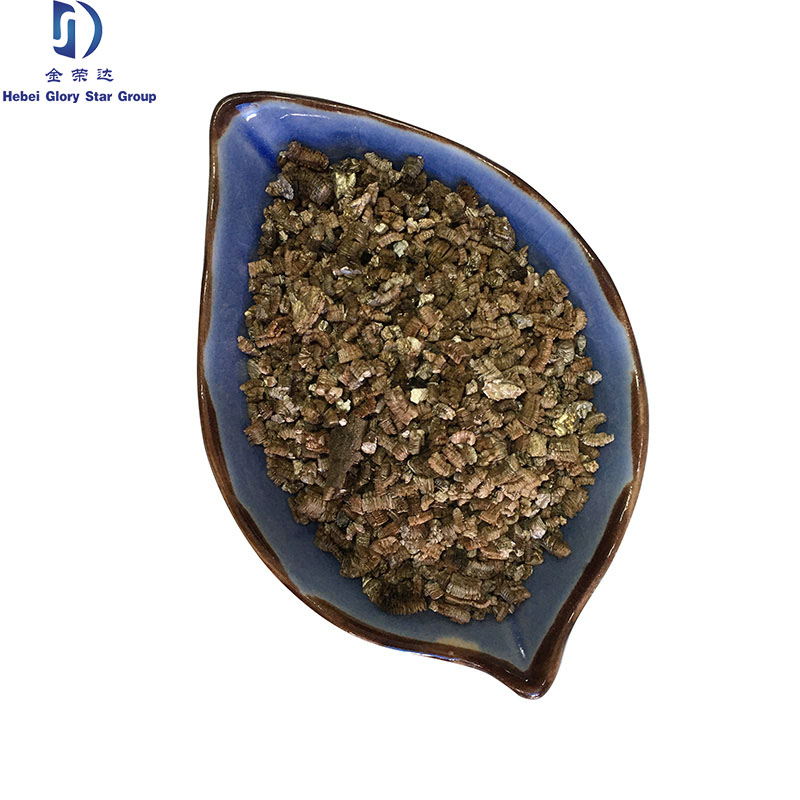
Put simply, a vermiculite manufacturer extracts, exfoliates, and processes vermiculite ore into products suitable for commercial use. Exfoliation is a fancy word meaning they heat the ore until it expands or “pops” into lightweight, accordion-like granules. This form is what makes vermiculite so useful for insulation, soil conditioning, and fireproofing.
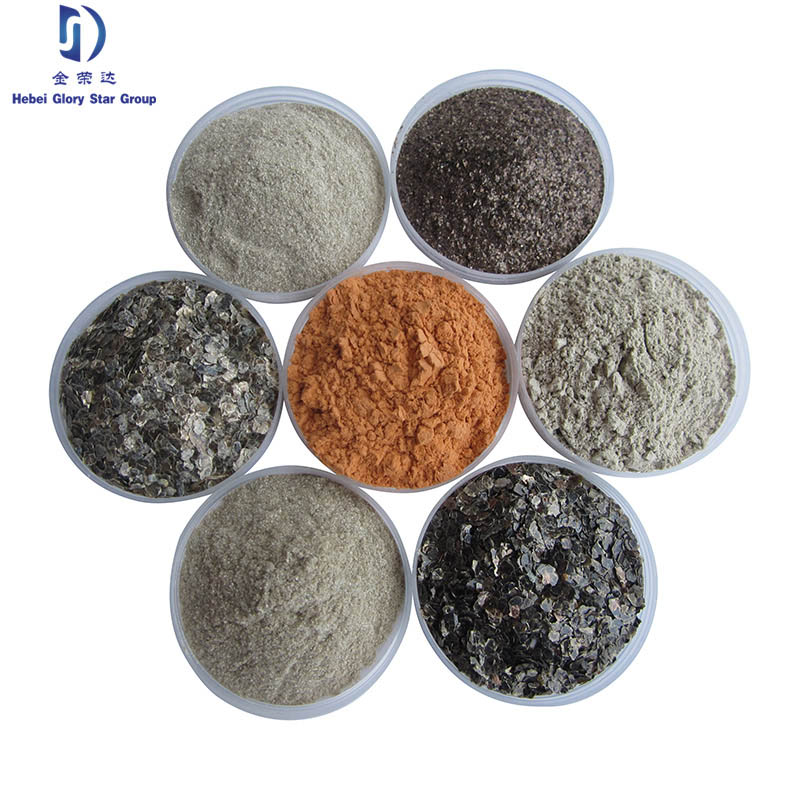
Beyond just popping the mineral, manufacturers design product grades tailored to industry needs, such as fine powders for seed coatings or bulkier chunks for hydroponic growth media. Many also adhere to strict quality measures to ensure consistent moisture retention, pH neutrality, and safety, especially since vermiculite can sometimes contain trace asbestos if not properly sourced.
So if you think about it, these companies are not simply "digging dirt" — they’re curating an eco-material that fits everything from humanitarian emergencies to high-tech farming. Which leads us to the main factors that shape their work.
Core Factors a Top Vermiculite Manufacturer Needs to Master
1. Quality Control and Safety Standards
A manufacturer’s ability to deliver clean, asbestos-free vermiculite is non-negotiable. This means rigorous testing and certifications aligned with ISO or ASTM standards. Frankly, many engineers say they won’t buy from suppliers without clear proof of safety.
2. Scalability and Production Flexibility
From small batches for specialty horticulture to huge volumes for industrial insulation, manufacturers need systems that flex. Being able to adjust production speed, grade mixes, and packaging makes a huge difference when serving diverse clients.
3. Cost Efficiency & Supply Chain Management
At roughly $200-$400 per ton depending on grade and location, price matters, especially for large projects. Efficient processing and partnerships with logistic providers help manufacturers keep costs competitive without sacrificing quality.
4. Environmental Responsibility
Mining is never clean, but modern vermiculite manufacturers are deploying reclamation plans, reducing waste, and embracing renewable energy to power plants. Consumers increasingly demand that, so it’s also about brand trust and long-term viability.
5. Customer-Centric Product Innovation
Some manufacturers have developed customized blends—for example, vermiculite combined with perlite for improved water retention or vermiculite-enhanced coatings for fire-resistance. This kind of innovation keeps them relevant.
Global Applications: How Vermiculite Makes a Difference
- Agriculture & Horticulture: Vermiculite retains moisture and nutrients, helping plants thrive in places with poor soil. In regions like California and parts of Europe, it’s a key component in seed sprouting mixes.
- Construction & Insulation: Europe and North America use exfoliated vermiculite to insulate walls, ceilings, and even industrial kilns — lowering energy use and improving fire safety.
- Disaster Relief & Humanitarian Uses: In post-disaster contexts, lightweight, insulating vermiculite panels provide emergency shelter insulation and non-toxic soil stabilization materials—critical in places like Nepal, Indonesia, or the Sahel region.
- Industrial Applications: Vermiculite serves as a fireproof packaging material for fragile electronics, or as a carrier in chemical manufacturing.
Takeaway: The versatility of vermiculite manufactured products allows it to cross borders and industries, benefiting a wide range of projects from everyday gardening to saving lives in emergencies.
Product Specification Table: Typical Grades of Vermiculite
| Specification | Fine Grade | Medium Grade | Coarse Grade |
|---|---|---|---|
| Particle Size (mm) | Below 0.5 | 0.5 - 2.0 | Above 2.0 |
| Bulk Density (kg/m3) | 80 - 120 | 40 - 70 | 20 - 40 |
| Water Absorption (%) | >300 | 200 - 250 | 150 - 200 |
| Typical Applications | Seed coatings, horticulture | Construction insulation | Soil conditioning, packaging |
Comparing Leading Vermiculite Manufacturers
| Company | Primary Markets | MOQ (tons) | Certifications | Sustainability Practices |
|---|---|---|---|---|
| Glory Star Export | Global (Asia, EU, Americas) | 5 | ISO 9001, ASTM | Renewable energy powered plants, waste recycling |
| MineralCo Ltd. | Europe, Middle East | 10 | ISO 14001, CE | Land reclamation, reduced water usage |
| EarthMine Extractors | Africa, Asia | 3 | ASTM | Solar-powered operations, local community projects |
Advantages of Partnering With a Reliable Vermiculite Manufacturer
From a cost perspective, vermiculite’s relatively low price per ton compared to synthetic alternatives is a strong selling point. But it’s also about more than just dollars and cents—using vermiculite can help projects achieve sustainability goals, reduce carbon footprints, and improve safety due to its natural fire retardant qualities.
One of the more satisfying aspects people talk about is how it fosters dignity and innovation. For example, NGOs working in refugee camps utilize vermiculite-insulated shelters that keep families safer and warmer, which contributes to a more humane living environment.
And let’s be honest—there’s an emotional comfort in knowing that a material is not only technically excellent but crafted by manufacturers who genuinely care about environmental and social impact.
The Future of Vermiculite Manufacturing: Trends to Watch
A fascinating development is the integration of digital technologies like IoT sensors attached to vermiculite insulation layers, enabling real-time temperature and moisture monitoring in buildings. This means better energy management and predictive maintenance—a smart step forward.
Additionally, the push for green energy has prompted some vermiculite producers to switch to solar and wind power, dramatically cutting emissions during processing. Others explore composite materials that blend vermiculite with bio-based polymers, expanding applications in sustainable packaging and lightweight automotive parts.
Common Challenges and How Leading Manufacturers Tackle Them
- Raw Material Variability: Different mines yield varying purity and compositions, so manufacturers invest in rigorous sourcing and blending to ensure consistent product performance.
- Environmental Impact: Mining inherently disturbs the land, but manufacturers committed to ESG (Environmental, Social, Governance) principles use reclamation efforts and minimize water consumption.
- Market Awareness: Sometimes, potential customers don’t fully understand vermiculite’s benefits. Manufacturers engage in outreach, demos, and certifications to educate and build trust.
FAQ: Frequently Asked Questions About Vermiculite Manufacturers
Q1: What standards ensure vermiculite from a manufacturer is asbestos-free?
A1: Reputable manufacturers comply with ASTM and ISO testing protocols that detect asbestos contamination. Certificates of analysis (CoAs) are typically provided, ensuring safe, asbestos-free vermiculite supply.
Q2: How can I order customized vermiculite blends?
A2: Many manufacturers offer tailored mixes based on application needs. Contacting their sales or technical support teams directly—sometimes through platforms like vermiculite manufacturer portals—will help specify particle size, grade, and packaging options.
Q3: Is vermiculite an eco-friendly choice for insulation?
A3: Absolutely. Its natural fire resistance, thermal insulation properties, and recyclability make it a preferred sustainable material in construction compared to petrochemical-based alternatives.
Q4: Can vermiculite manufacturers support international shipping and compliance?
A4: Yes, many experienced manufacturers maintain compliance with global export regulations, including customs documentation and quality assurance, to streamline international deliveries.
Q5: What industries benefit most from manufactured vermiculite products?
A5: Agriculture, construction, disaster relief, and industrial sectors are the largest consumers. The mineral’s adaptability means it also finds niche roles in packaging and chemical manufacturing.
Conclusion: Why Choose a Trusted Vermiculite Manufacturer
Summing it up, the role of a vermiculite manufacturer is far more than producing a mineral product—it’s about delivering sustainable, adaptable solutions that touch lives and industries globally. When you pick a manufacturer who balances innovation, quality, and environmental responsibility, you’re not just buying vermiculite; you’re investing in long-term value and trust.
Ready to explore what high-quality vermiculite can do for your project? Visit Glory Star Export, a leading vermiculite manufacturer with global reach and a commitment to excellence.
References:
Post time: Nov-27-2025
.png "About")