

Potting Vermiculite: A Tiny Mineral Making a Global Impact
Potting vermiculite might sound like a humble gardening supply at first glance — a gritty mineral you toss in soil mixes for better growth. But it’s actually one of those quietly essential materials shaping sustainability, agriculture, and even humanitarian aid worldwide. Understanding what potting vermiculite is, why it matters globally, and how it’s evolving can give you an edge as industries and communities seek smarter, greener resources.
Why Potting Vermiculite Matters on a Global Scale
Vermiculite is a naturally occurring mineral that expands when heated, becoming lightweight and porous. This unique trait makes it valuable for potting — or mixing into soil — improving aeration, water retention, and nutrient delivery. Globally, with agricultural demands rising toward feeding nearly 8 billion people, and the need for sustainable solutions becoming urgent, potting vermiculite is part of the green toolbox. According to the Food and Agriculture Organization (FAO), soil health plays a key role in crop yield and pest resistance, making additives like potting vermiculite highly sought after in crop management worldwide.
But there’s another angle: beyond farms and gardens, potting vermiculite features in construction, insulation, and disaster relief — smoothing the way for durable, lightweight, and environmentally friendly materials. For example, in regions facing frequent soil degradation or harsh climates, incorporating potting vermiculite into soil mixes or packaging can improve the sustainability and longevity of plant life, crucial for food security.
What Is Potting Vermiculite? Breaking It Down
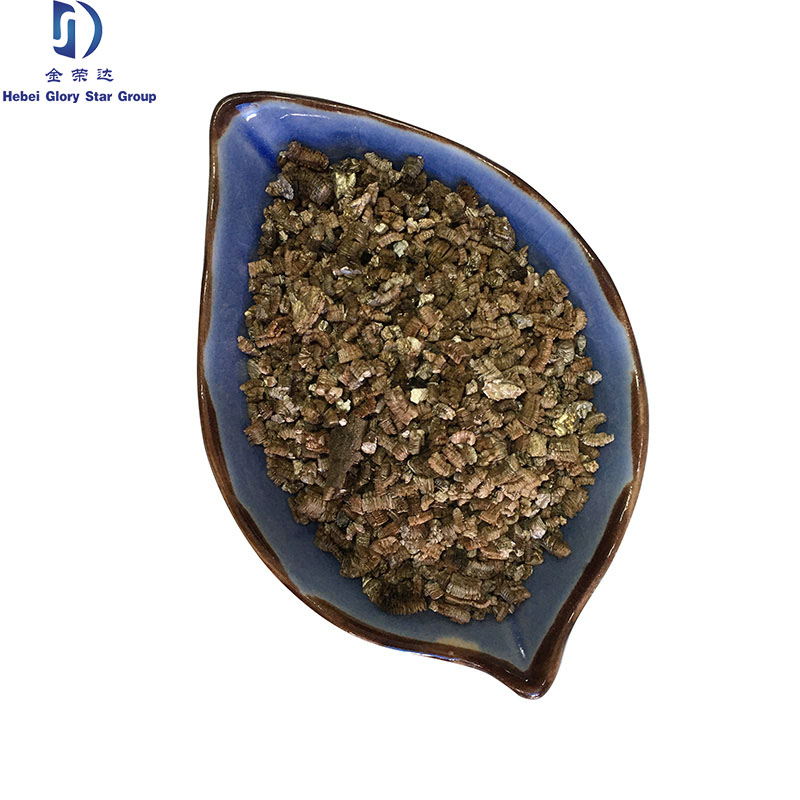
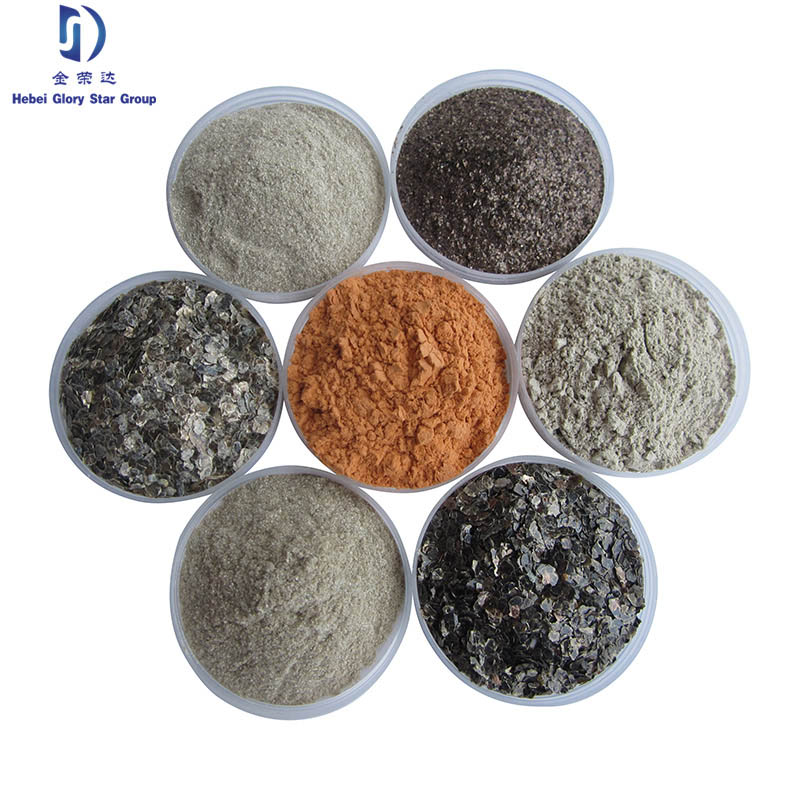
Think of potting vermiculite as exfoliated flakes of mica-like mineral that, after being heated, expand to create a sponge-like texture. This texture holds moisture and air well, ideal for rooting cuttings or revitalizing depleted soils. I find its lightweight nature quite remarkable — it won’t sink your pots or soil bags down, which is a small but important feature for transporting plants or supplies.
Besides horticulture, potting vermiculite finds its way into applications where insulation and fire resistance are needed, owing to its chemical stability and thermal insulation properties. It’s oddly versatile — spanning from a gardener’s helper to a piece of smart building material enabling sustainable construction trends.
Core Qualities of Potting Vermiculite You Should Know
1. Lightweight and Porous Structure
This allows roots to breathe and prevents waterlogging — fundamental for healthy plant growth.
2. Moisture Retention
Unlike sand or pure soil, potting vermiculite retains water yet drains well, providing plants with consistent hydration.
3. Chemical Neutrality
It’s generally pH-neutral, meaning it won’t interfere with plant nutrients or soil chemistry.
4. Thermal Insulation
Providing frost resistance in colder climates, this makes potting vermiculite useful beyond just soil applications.
5. Fire Resistance
Useful in composite materials or as fireproof packing, a feature often overlooked.
6. Sustainability Potential
Being naturally mined and exfoliated by heat, but without heavy chemical processing, it fits well in low-impact production cycles.
Mini takeaway: Potting vermiculite's lightweight, moisture-friendly, and chemically stable nature makes it indispensable for modern agriculture and eco-conscious construction alike.
Real-World Uses: Where Potting Vermiculite Makes a Difference
So, where exactly does potting vermiculite shine? Here are a few scenarios:
- Agriculture & Horticulture: Used worldwide to boost soil aeration and help seedlings establish faster — for example, in vineyards across California or organic farms in Europe.
- Disaster Relief & Humanitarian Aid: In post-disaster zones, emergency planting programs utilize potting vermiculite to improve soil structure when rebuilding local agriculture. NGOs often source bagged vermiculite to help communities reboot food production quickly.
- Green Building & Insulation: In Scandinavia and Japan, vermiculite-infused plaster or concrete offers enhanced thermal insulation and fire resistance with minimal environmental footprint.
- Industrial Packaging: Fragile goods, including electronics and pharmaceuticals, benefit from vermiculite’s cushioning and temperature buffer properties during transit.
Regional uptake varies — Sub-Saharan Africa and Southeast Asia are growing markets due to climate adaptation needs, while North America and Europe lean more into advanced applications like green building and hydroponics.
Potting Vermiculite Product Specifications
| Specification | Standard Range | Remarks |
|---|---|---|
| Particle Size | 1 – 5 mm (granular) | Optimal for potting mixes |
| Bulk Density | 60 – 120 kg/m³ | Lightweight and transport-friendly |
| pH Level | 6.5 – 7.2 | Slightly neutral to prevent nutrient lock |
| Water Absorption | Up to 3 times its weight | Enhances moisture retention |
| Fire Resistance | Incombustible | Benefits fire-safe applications |
How Different Suppliers Stack Up
| Vendor | Origin | Quality Certification | MOQ | Delivery Time |
|---|---|---|---|---|
| Glory Star Export | South Africa | ISO 9001 | 5 tons | 10–14 days |
| Lush Earth Supplies | China | ISO 14001 | 10 tons | 20–25 days |
| NatureMix Co. | USA | Organic Certification | 2 tons | 7–10 days |
The Advantages and Lasting Impact of Potting Vermiculite
Potting vermiculite’s practical benefits are almost hard to overstate. From a sustainability viewpoint, it reduces the need for synthetic water-retention additives, cutting chemical runoff into groundwater. This is a huge win for farmers worried about environmental compliance and soil degradation.
There’s an emotional side too. In disaster-hit areas, the ability to restore soil and grow food quickly offers people hope, dignity, and safety. It’s not just about dirt — it’s about rebuilding lives with trust in simple, proven materials.
Cost-wise, it’s economically accessible, especially when sourced responsibly. And unlike some industrial minerals, it has a reputation for reliability — you get consistent quality each time. That peace of mind isn’t easy to find these days.
Future Trends Shaping Potting Vermiculite Use
Looking ahead, the rise of sustainable agriculture combined with climate-smart initiatives is likely to boost potting vermiculite demand. Innovators are experimenting by combining it with biochar and other organic matter to boost carbon sequestration (carbon capture in soil) — so plants do double duty fighting climate change.
Meanwhile, digitization in supply chain management helps trace vermiculite’s sourcing, reassuring buyers about ecological footprints and fair labor. Automation technologies also enable better exfoliation processes, increasing purity and reducing waste.
And of course, as green building codes become stricter, potting vermiculite's role in insulation and fire-proofing looks set to rise, blending traditional mineral science with modern urban needs.
Challenges and How Experts Are Tackling Them
Once in a while, you hear about supply inconsistency or contamination concerns — mostly because vermiculite deposits vary naturally, and not all suppliers maintain rigorous quality checks. Also, overmining can scar landscapes, so sustainable extraction is crucial.
Thankfully, comprehensive certifications (ISO 9001, organic, environmental standards) and testing protocols mitigate these risks. Many companies, like Glory Star Export, invest heavily in quality control. Plus, blending potting vermiculite with other amendments tailors it to specific environments, offering more resilience.
Frequently Asked Questions About Potting Vermiculite
Q1: What makes potting vermiculite better than perlite in soil mixes?
A: While both improve soil aeration, potting vermiculite retains more moisture, benefiting plants that need steady hydration. Perlite is better at drainage. Choosing depends on the crop and climate, but vermiculite often gives a balanced environment for seedlings.
Q2: How long does potting vermiculite last when mixed into soil?
A: Vermiculite is quite stable and doesn’t break down quickly, usually lasting several years in soil without losing performance characteristics. Its chemical neutrality also means it won’t interact negatively with fertilizers or soil microbes.
Q3: Is potting vermiculite biodegradable or recyclable?
A: Vermiculite is a mineral and not biodegradable in the organic sense but can be reused multiple times in soil mixes or as insulation material. Recycling usually involves repurposing rather than chemical breakdown.
Q4: Can NGOs procure potting vermiculite internationally with ease?
A: Yes. Many exporters specialize in bulk shipments and offer flexible MOQ and delivery terms. Cooperation with established exporters like Glory Star Export helps navigate customs and certification requirements smoothly.
In Conclusion: Why Potting Vermiculite Deserves Your Attention
To sum it up, potting vermiculite is one of those ordinary materials with extraordinary impact. Its blend of natural origin, functional versatility, and sustainability credentials make it a go-to for agriculture, construction, and humanitarian efforts alike. It’s subtle, but when you need to boost soil life, protect vulnerable crops, or build smarter with lighter, safer materials, potting vermiculite quietly gets the job done.
Curious to explore options or place an order? You can make a meaningful difference by choosing quality sources — check out potting vermiculite offerings and discover how smart mineral solutions can support your next project.
References
Post time: Nov-27-2025
.png "About")