
What Is Pure Vermiculite and Why It Matters Worldwide
You might be wondering, what exactly is pure vermiculite, and why is it suddenly this little rock star of industries ranging from agriculture to construction? Well, vermiculite is a naturally occurring mineral that expands when heated, transforming into a lightweight, porous material with lots of practical use cases. The “pure” bit signals high-grade vermiculite with minimal impurities, making it especially prized. Globally, its significance keeps growing — not only because of its technical properties but also because it supports sustainable solutions in sectors where resource efficiency and environmental impact are now crucial. A deeper understanding of pure vermiculite can unlock its potential for innovations in insulation, soil conditioning, and even disaster relief.
Pure Vermiculite in a Global Context: Addressing Modern Challenges
The world’s population is projected to hit 8.5 billion by 2030 (UN data), pushing demand for better materials that support both infrastructure and food production. Vermiculite fits snugly into this picture. According to ISO reports, vermiculite mining and processing is on an upswing thanks to its wide industrial applications. Yet, many regions still rely on environmentally taxing insulation or soil enhancers that don’t measure up to pure vermiculite’s safety and effectiveness.
Here’s the kicker: with climate change accelerating, building materials that are energy-efficient and non-toxic have never been more necessary. Pure vermiculite’s fire resistance, moisture retention, and thermal insulation help close that gap—not to mention its role in boosting agricultural output in degraded soils globally. This mineral quietly solves some pressing global issues.
Defining Pure Vermiculite: The Mineral With a Modern Mission
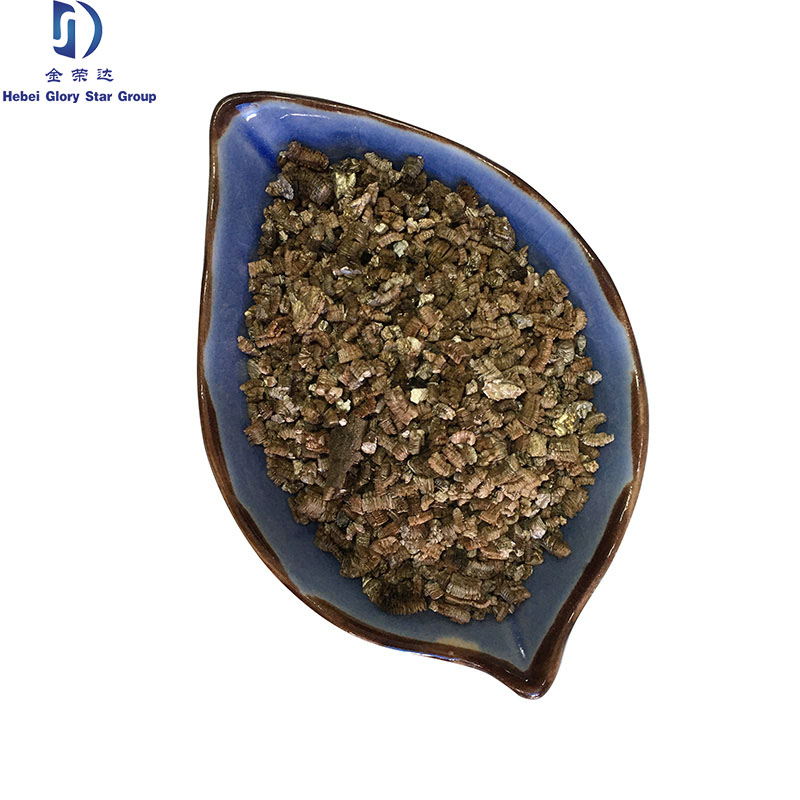
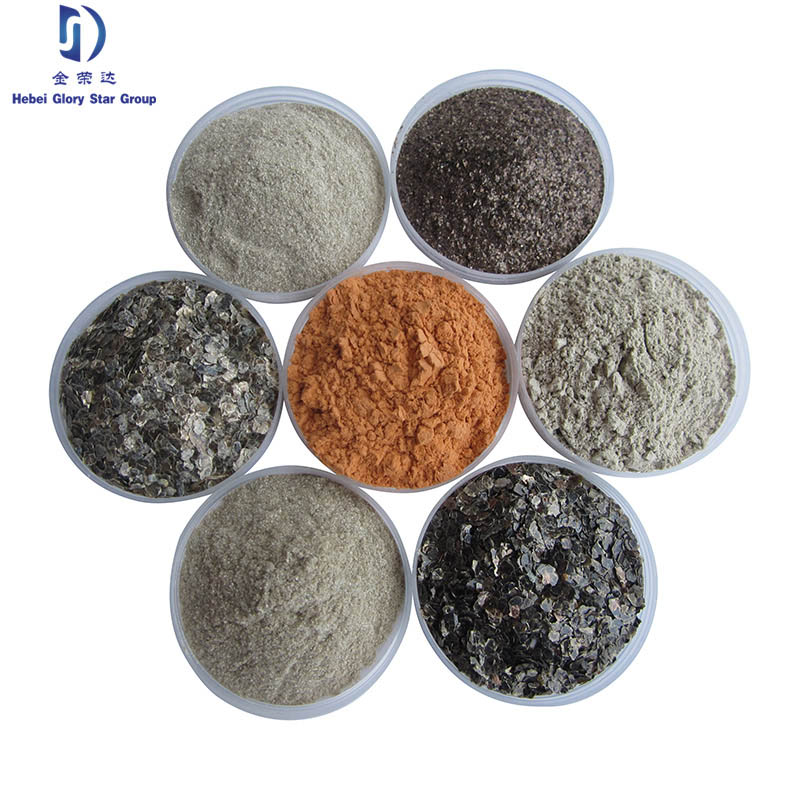
In simple terms, pure vermiculite is an exfoliated mica-like mineral that, when heated, expands into lightweight flakes. This process, called exfoliation, multiplies its volume up to 30 times. These flakes then serve as a versatile base material.
Industrially, pure vermiculite is used for thermal insulation in buildings, as a soil amendment to improve aeration and moisture retention, and in packaging sensitive equipment due to its shock absorbency. Because it’s chemically inert and fire resistant, it’s ideal in environments where safety and longevity matter.
6 Core Factors That Make Pure Vermiculite a Versatile Choice
1. Thermal Insulation
Made for heat control, pure vermiculite reduces energy consumption in buildings by minimizing heat transfer. It’s a preferred fill in fireproofing sprays and insulation boards.
2. Water Retention & Soil Conditioning
Over in agriculture, vermiculite’s porosity holds water and nutrients, giving plants a steady supply between irrigation cycles. This is vital in arid or nutrient-poor regions.
3. Lightweight & Fire-Resistant
Its low density makes the material easy to handle, ship, and apply, while the fire resistance property adds a layer of safety to various applications. For example, when layered in roofing, it can withstand high temperatures without degrading.
4. Chemical Inertness & Stability
Pure vermiculite doesn’t react with other substances, so it’s safe in contact with fertilizers or even hazardous chemicals. This stability broadens the industrial and humanitarian use cases.
5. Scalability of Supply
Because vermiculite is mined globally and processed in several countries, scaling production to meet demand is feasible, assuming sustainable mining practices are adhered to.
6. Cost Efficiency
Compared to synthetic counterparts, pure vermiculite tends to be more affordable, especially when factoring in lifecycle costs such as maintenance and environmental impact.
Mini takeaway: Pure vermiculite’s combination of lightweight fire resistance, chemical stability, and water retention equips it to tackle challenges in building, farming, and safety — all at scalable costs.
Global Applications: From Remote Farms to Urban Skylines
The reach of pure vermiculite is surprisingly broad. In sub-Saharan Africa, NGOs incorporate it into soil mixes to reclaim nutrient-poor farmland, simultaneously enhancing food security and local livelihoods. In Europe and North America, it's a go-to for passive fire protection in historic buildings and high-rises alike.
In post-disaster recovery zones, vermiculite-packed modules provide lightweight, insulating building blocks that resist mold and heat—critical for restoring dignity and safety quickly. Even industries like packaging and manufacturing rely on it as a protective medium to cushion fragile electronics during transport.
| Parameter | Typical Range | Units |
|---|---|---|
| Bulk Density (exfoliated) | 70–120 | kg/m³ |
| Thermal Conductivity | 0.035–0.045 | W/m·K |
| pH Range (saturated paste) | 6.5–8.5 | - |
| Maximum Operating Temperature | 1100 | °C |
| Water Absorption Capacity | 2.5–4.5 | times own weight |
Why Invest in Pure Vermiculite? The Big Advantages
- Cost Savings Over Time: Reduced energy bills with excellent insulating properties.
- Environmental Impact: Natural mineral, recyclable, supports sustainable agriculture, lower carbon footprint.
- Safety First: Non-toxic, non-combustible, resilient under extreme conditions.
- Promotes Innovation: Adaptable for futuristic green buildings and smart agriculture solutions.
- Social Benefit: Enhances food security in developing regions by improving soil productivity.
Beyond the numbers, there’s something reassuring about working with a material that delivers on its promises year after year. It feels like pure vermiculite earns its keep, especially when you consider the trust industries place in it for safety and longevity.
New Horizons: Innovations and Trends on the Pure Vermiculite Front
Emerging research focuses on integrating vermiculite with bio-based composites to create ultra-lightweight and biodegradable construction panels. Digital monitoring now allows manufacturers to fine-tune exfoliation processes, improving product consistency. Governments are recognizing vermiculite’s potential in meeting stricter ISO standards for fire resistance and green building certification.
Plus, in green energy, vermiculite’s thermal buffering is being trialed in solar thermal storage systems—a perfect marriage of mineral properties and sustainability goals.
Challenges & How Experts Address Them
Let’s be honest, pure vermiculite isn’t a magic bullet. Variability in ore quality and the energy intensity of exfoliation can raise costs and environmental concerns. Also, contamination risk if the source is mixed with other minerals or asbestos-bearing rock is always a serious worry and must be rigorously tested.
That said, forward-thinking vendors certify their products through third-party labs, while recycling post-industrial vermiculite reduces waste. Ongoing automation and better extraction techniques promise to lower the carbon footprint. In many ways, recognizing these challenges and systematically mitigating them is what sets trusted suppliers apart.
| Vendor | Purity (%) | Exfoliation Quality | Sustainability Certification | Global Delivery |
|---|---|---|---|---|
| Glory Star Export | >99% | Premium, uniform | ISO 14001 | Worldwide |
| Minerals Inc. | 95–97% | Good | Pending | Regional |
| Leaf Minerals | 98% | Moderate | ISO 9001 | Domestic |
FAQ: Your Pure Vermiculite Questions Answered
Q1: How do I know if vermiculite is truly 'pure' and safe to use?
Genuine pure vermiculite comes with lab certificates showing low levels of impurities and is free from asbestos contamination—a known risk in lower-quality sources. Always buy from reputable suppliers who provide independent testing reports. This ensures safety, especially for agricultural and building uses.
Q2: Can pure vermiculite improve soil health in arid climates?
Absolutely. Due to its high water absorption and retention properties, vermiculite helps maintain moisture and nutrient supply in dry soils. When mixed with soil, it enhances plant growth, reduces irrigation frequency, and supports sustainable agriculture in drought-prone areas.
Q3: Is vermiculite a sustainable choice for insulation compared to synthetic materials?
In many ways, yes. Vermiculite is natural, recyclable, and energy-efficient for thermal control, unlike some petrochemical-based insulations. That said, the sustainability of vermiculite depends on responsible mining and processing, which top suppliers prioritize.
Q4: How quickly can vermiculite insulation be deployed in post-disaster zones?
Quite rapidly. Due to its lightweight nature and ease of handling, pure vermiculite can be incorporated into prefabricated panels or loose-fill insulation on-site quickly, accelerating rebuilding efforts and restoring safe shelter through cost-effective thermal protection.
Q5: Where can I purchase high-quality pure vermiculite in bulk?
Trusted international suppliers like Glory Star Export specialize in bulk shipments of premium pure vermiculite worldwide, ensuring quality and certification to meet industry standards.
Wrapping Up: The Future Is Bright and Lightweight
So, pure vermiculite isn’t just a dusty mineral tucked away in some mine. It’s quietly shaping how industries build safer, greener, and more resilient communities around the world. From improving crop yields in remote villages to outfitting skyscrapers with fireproof insulation, its long-term value is clear. If you haven’t already, take a moment to explore how this remarkable material can fit your needs.
Curious to find out more or source premium materials? Visit Glory Star Export and see how pure vermiculite can elevate your projects.
References & Further Reading
Post time: Nov-27-2025
.png "About")